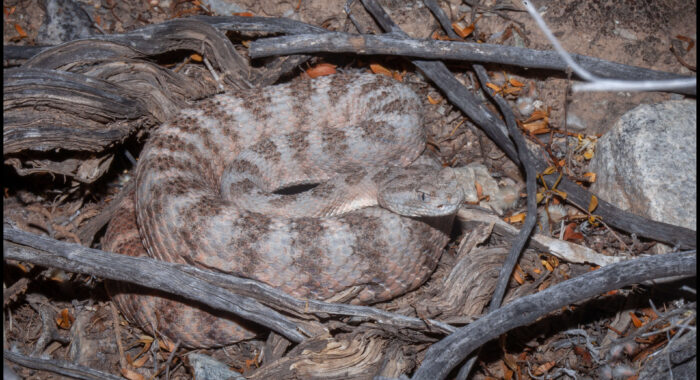
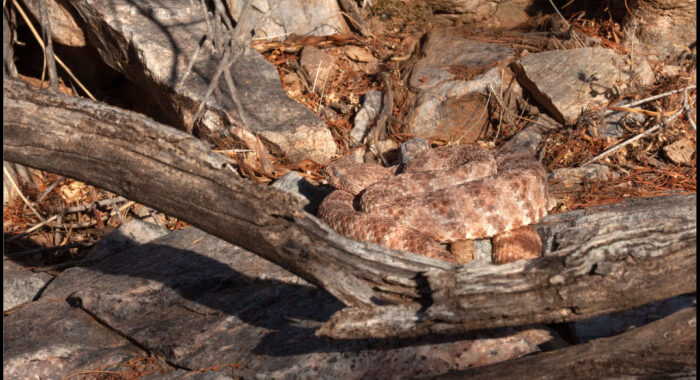
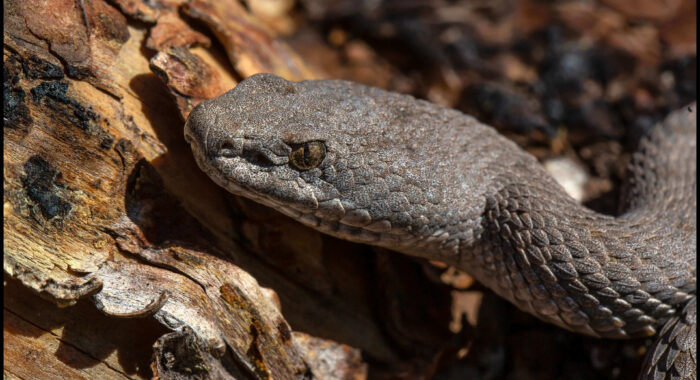
A Tiger Rattlesnake from the Phoenix area. The blue-grey base color fading to pink with dark grey bands is a standard look in the area. These snakes are common in popular hiking areas, yet most people who frequent them for a lifetime will never see one because of their cryptic nature.
Continue reading..Tiger Rattlesnake Near Phoenix
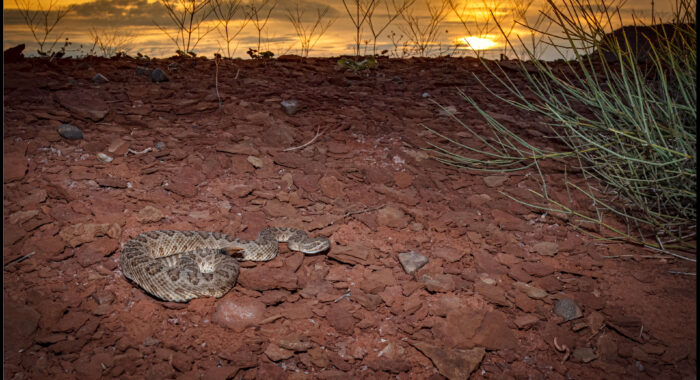
A Southwestern Speckled Rattlesnake found in ambush at sunup on a hot day in Arizona. Nearby, a cave with several more has been used as an aestivation site to avoid death in the summer months. This photograph was taken in 2014. In recent years, the site has been abandoned, most likely due to increased human […]
Continue reading..Speckled Rattlesnake in Ambush
A Grand Canyon Rattlesnake in the last light of the day in northern Arizona.
Continue reading..Grand Canyon Rattlesnake in Arizona
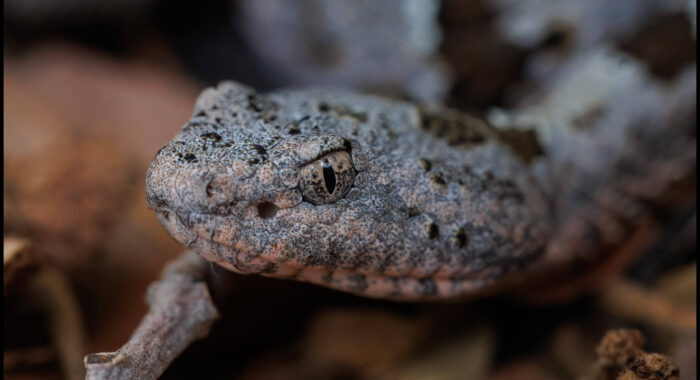
Up close with a Banded Rock Rattlesnake from the sky islands of southeastern Arizona. These small, mountain-dwelling rattlesnakes are quick to flee when found. A typical encounter for a hiker is a short buzz and a glimpse of the last half of its body sliding under a rock. The tiny black flecks you see in […]
Continue reading..Banded Rock Rattlesnake Up Close
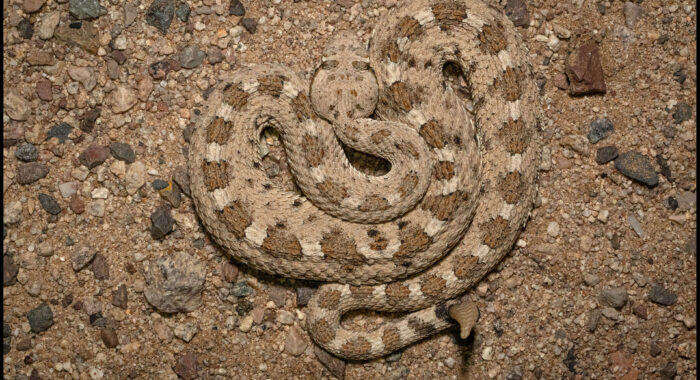
A young Sonoran Sidewinder (Crotalus cerastes cercobombus) with a nice, clean pattern near Phoenix last year. These small rattlesnakes are very common in the right habitat, but rarely seen by hikers because of the nature of that same habitat.
Continue reading..Young Sonoran Sidewinder
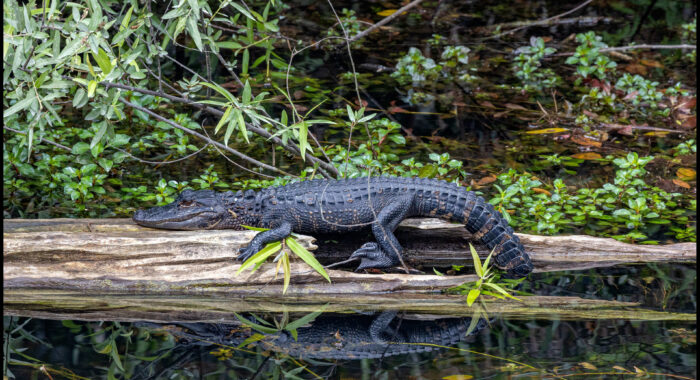
This little American Alligator didn’t care much about my presence as it spent the morning lounging. Most, upon any kind of approach, slip silently away. Growing up in the West, I rarely miss an opportunity to take a picture of one when I can.
Continue reading..Alligator Basking on a Log in Florida
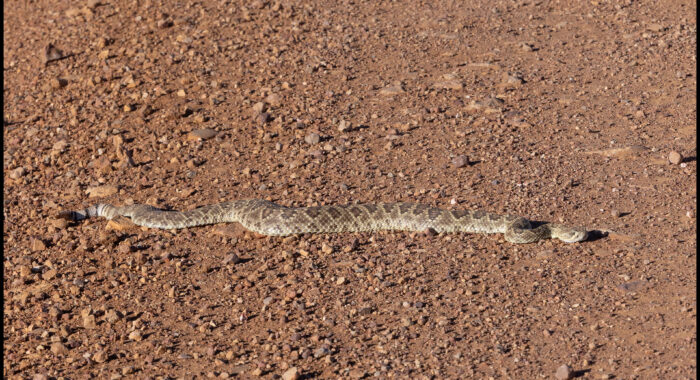
I saw this Mojave Rattlesnake (Crotalus scutulatus) crossing a dirt road near the U.S./Mexican border a few years ago in mid-elevation semi-desert grassland. Several other species can be found in the same band o transitional habitat, including Arizona Ridgenosed Rattlesnakes, Banded Rock Rattlesnakes, Western Diamondback Rattlesnakes, and Blacktailed Rattlesnakes. I escorted it off the road […]
Continue reading..Mojave Rattlesnake in Arizona Grassland
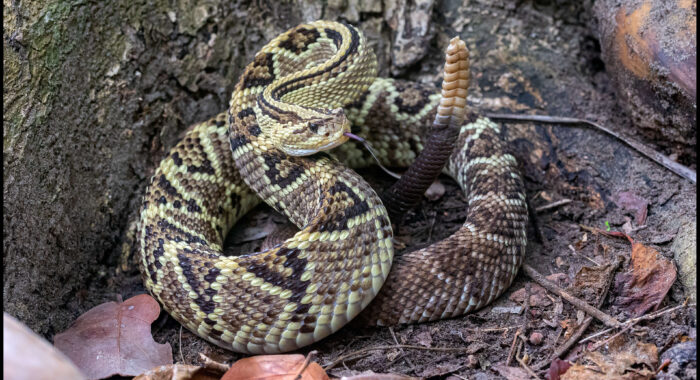
A large Veracruz Neotropical Rattlesnake (Crotalus mictlantecuhtli) from a trip to Mexico a few years ago. This species was recently recognized as a separate lineage of the Neotropical Rattlesnakes, described in 2020, about a year before this photograph was taken.
Continue reading..Veracruz Neotropical Rattlesnake in Mexico
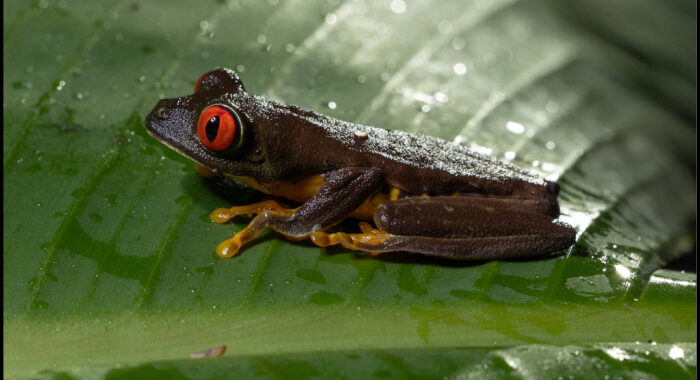
This Red Eyed Treefrog from Guatemala looks a bit different than those I’ve seen in Costa Rica and Mexico.
Continue reading..Red Eyed Treefrog from Guatemala
Twin Spotted Rattlesnakes (Crotalus pricei) are small, high-elevation rattlesnakes that are found in a handful of mountain ranges in the Sky Islands region of Arizona and northern Mexico. They are occasionally seen by hikers on high saddles and trails, where they are quick to flee with a departing buzz. A person would really have to […]
Continue reading..Twin-Spotted Rattlesnake in Arizona