Nose-horned Viper (Vipera ammodytes) high on a mountain in Slovenia a few years back.
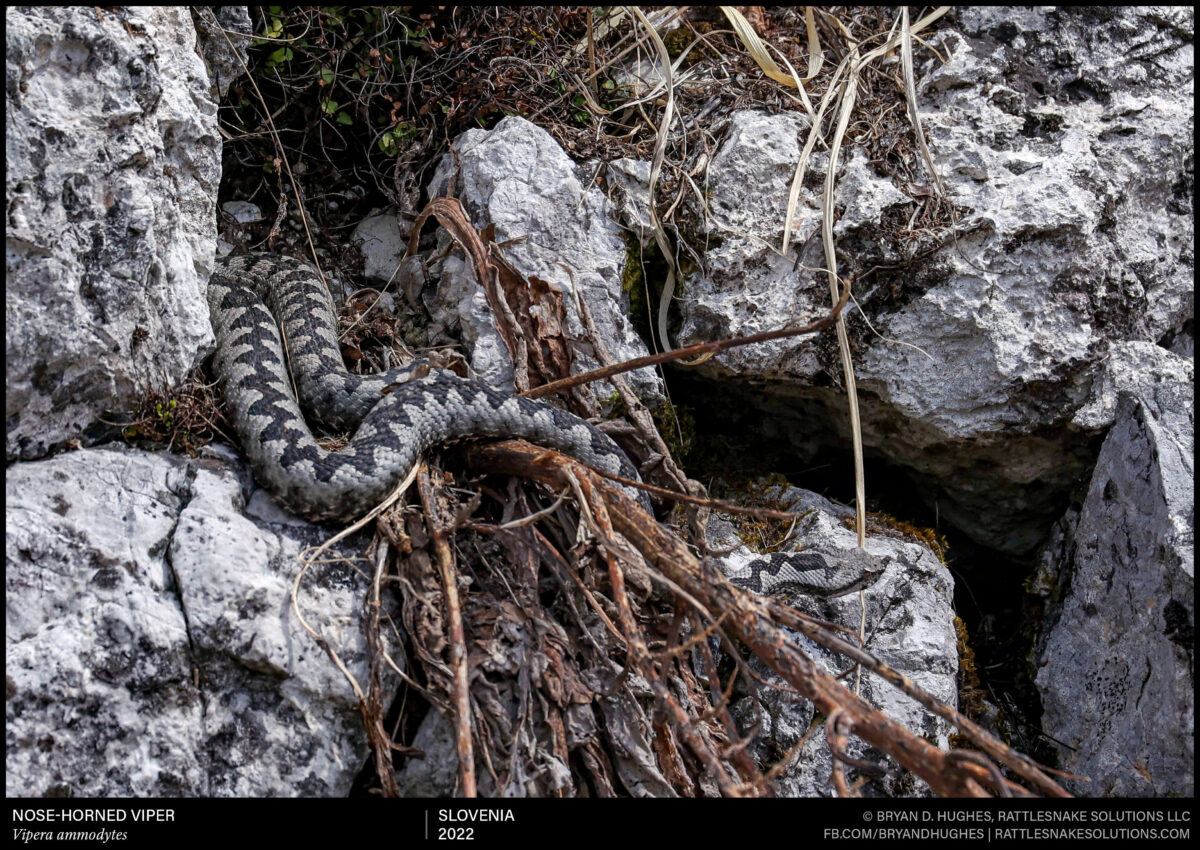

Nose-horned Viper (Vipera ammodytes) high on a mountain in Slovenia a few years back.
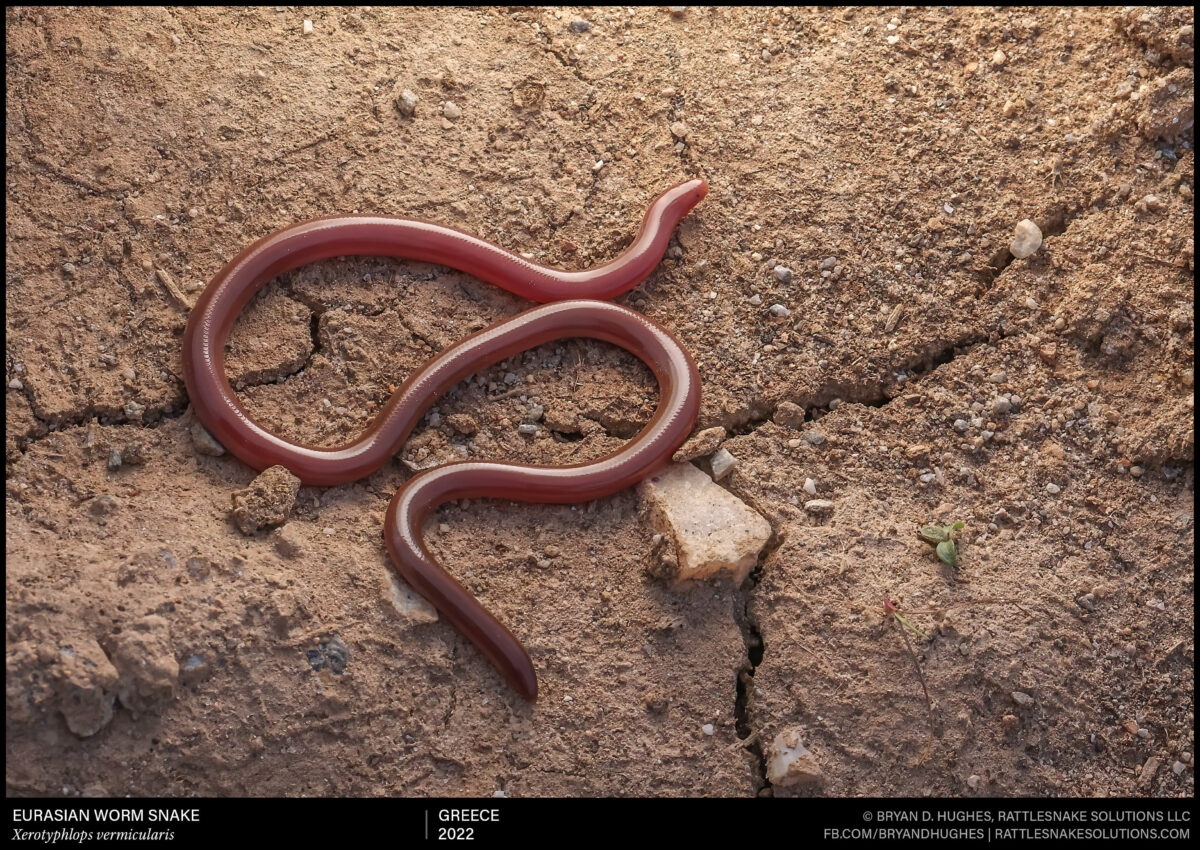
A Eurasian Worm Snake (Xerotyphlops vermicularis) we found in Greece a few years ago. Convergently, they’re very much like our more familiar threadsnakes in the southwestern US, though a bit thicker and easier to find. Just like ours, too, they’re about impossible to get a decent photograph.
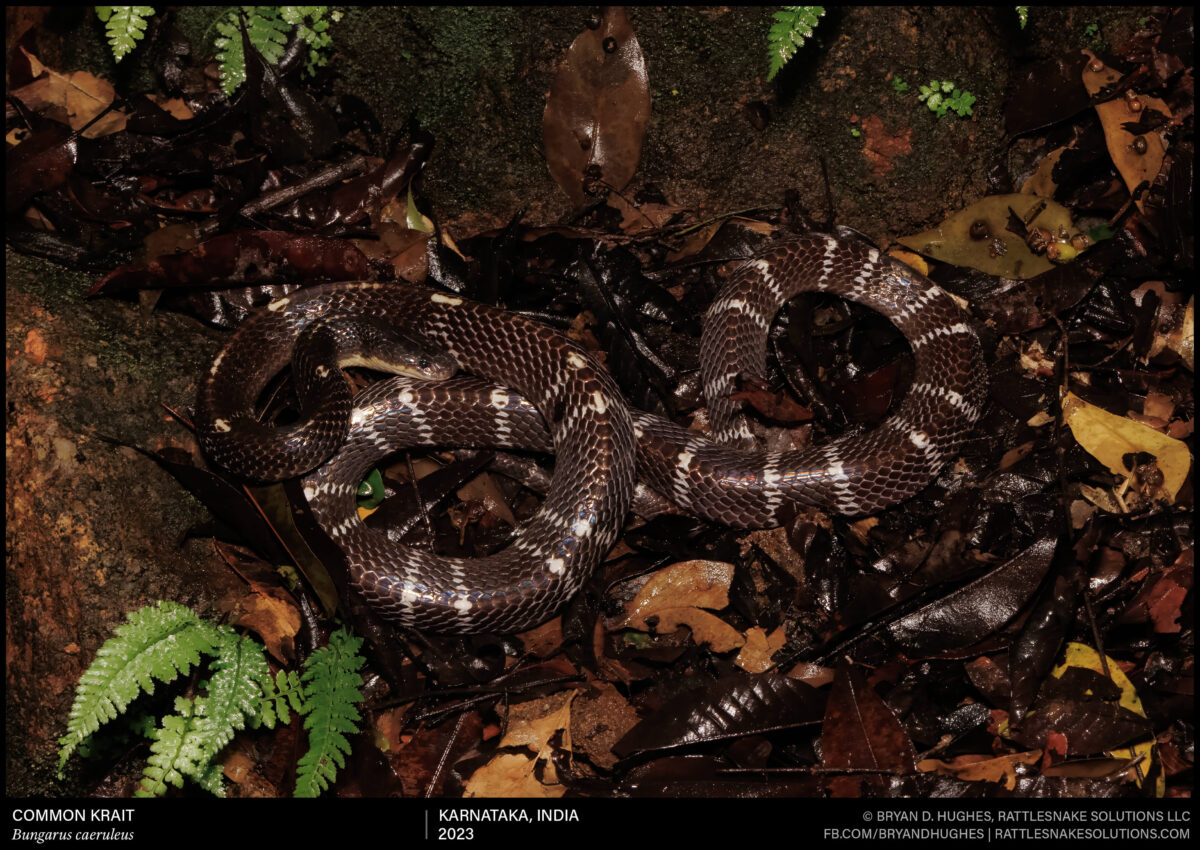
This is a large Common Krait (Bungarus caeruleus) that we found in the Western Ghats of India a few years ago. The photo isn’t great, but we weren’t taking any chances with this animal.
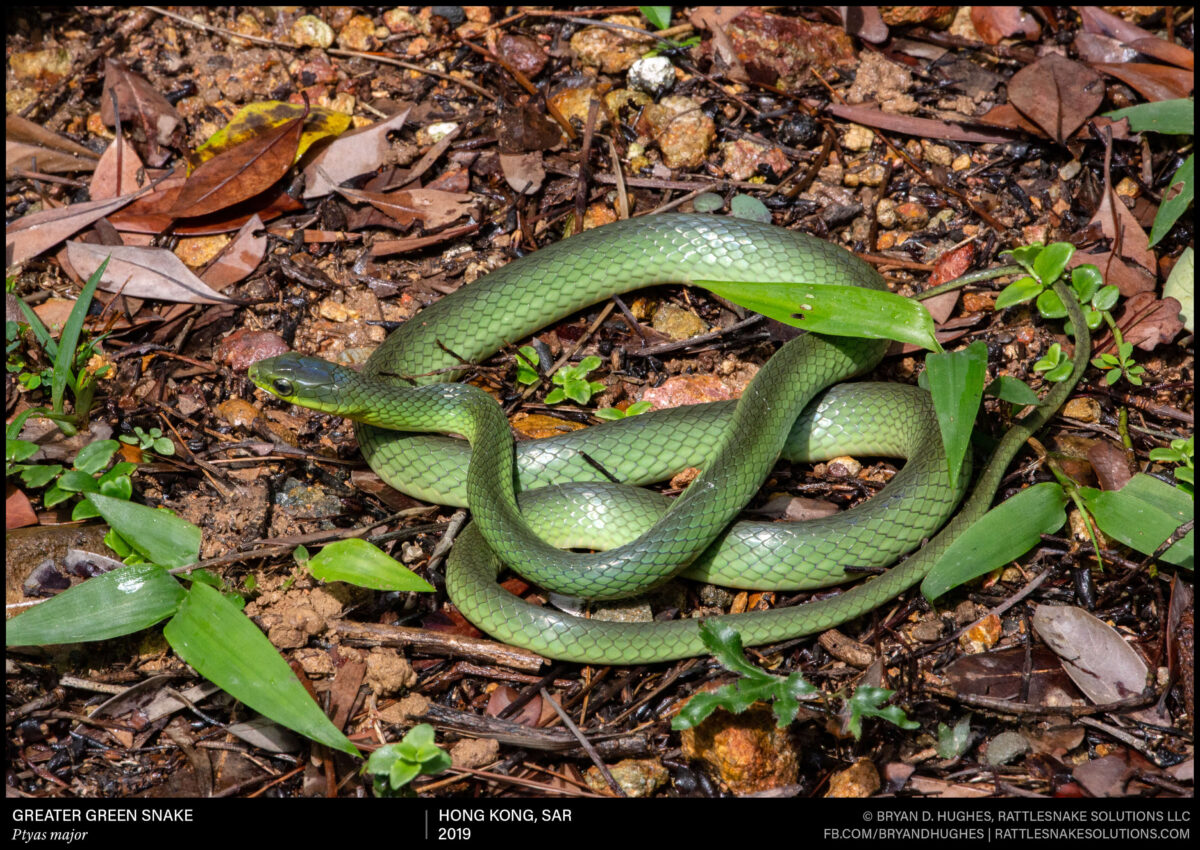
A Greater Green Snake (Ptyas major) we saw in Hong Kong several years ago.
Ok, weirdo.
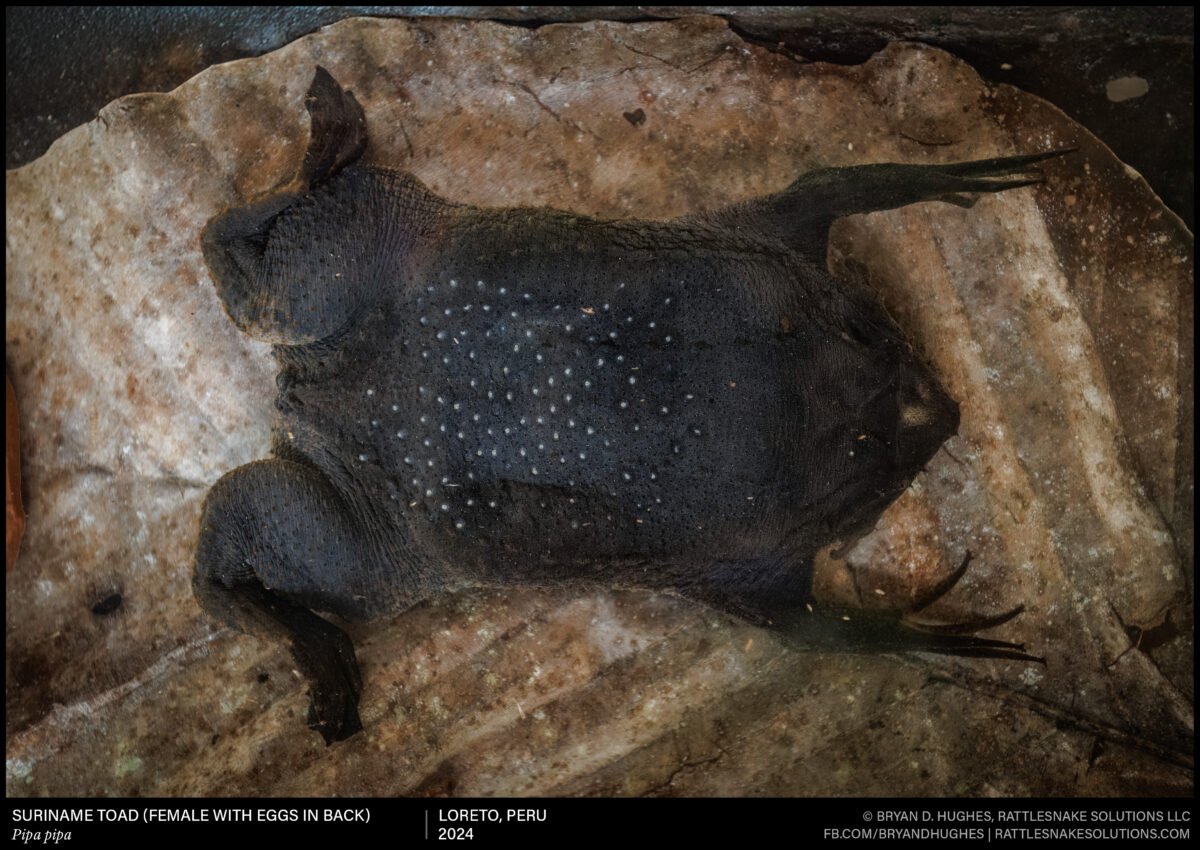
This is a Pipa pipa (Surinam Toad) I photographed in Peru a couple of weeks ago – there were a lot of them! They’re entirely aquatic, and have a crazy reproductive process. After mating and eggs are ready, the male squishes them into swollen tissue on the back of the female (those white dots in their little back sacks. The eggs sink into the skin, and ride around with her for a few months. When they are ready to hatch, full little frogs (not tadpoles) emerge right from their mother’s back. What is more interesting to me is that at some point in the eggs-n-back part, the embryos are surrounded by highly vascular tissue, suggesting that nutrients and oxygen are transferred from the mother.
Greven, H., & Richter, S. (2009). Morphology of skin incubation in Pipa carvalhoi (Anura: Pipidae). Journal of Morphology, 270(11), 1311–1319. https://doi.org/10.1002/jmor.10749
A tiny green-blue arboreal viper I saw in trees at around eye level on a night hike in Peru a couple of weeks ago. This Two-Striped Forest Pitviper was only about as long as a hand, and as big around as a ballpoint pen.

Amazon Harlequin Toad (Atelopus spumarius) from Peru a couple of years ago.

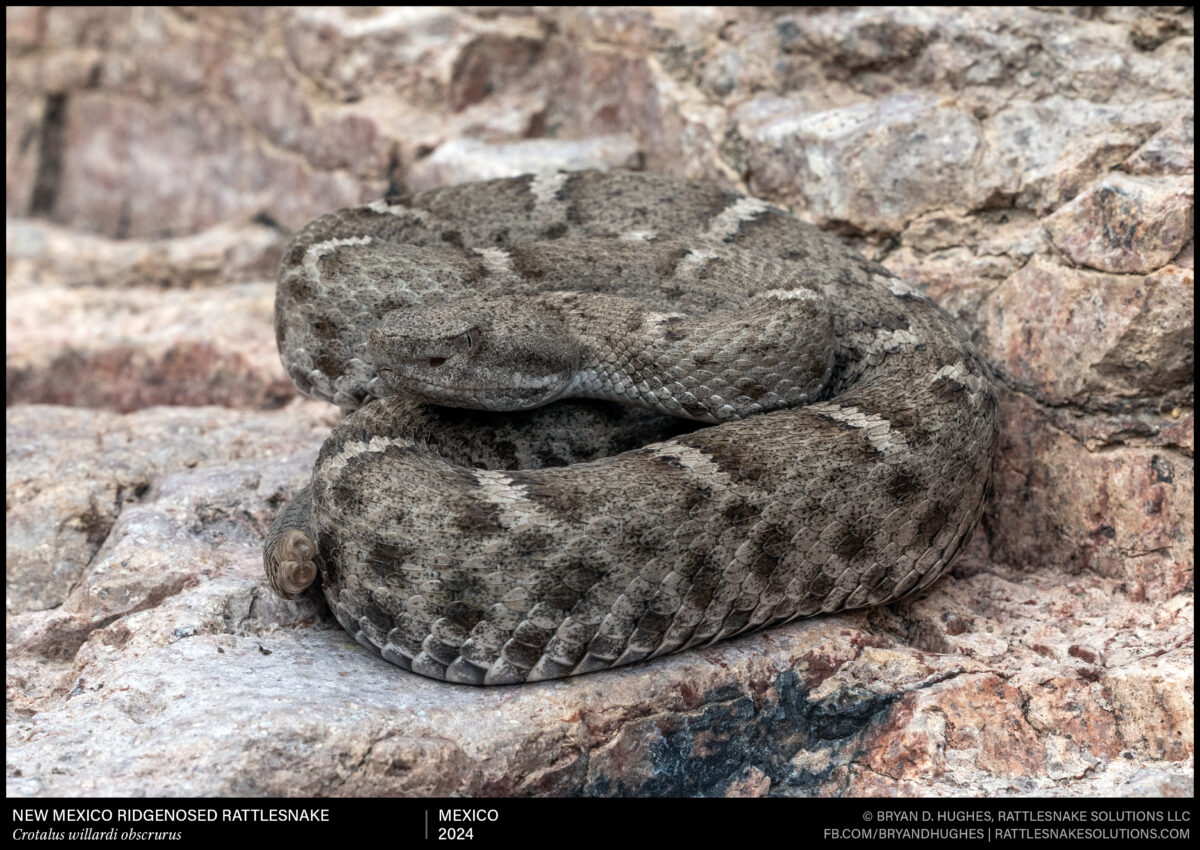
New Mexico Ridgenosed Rattlesnake, Crotalus willardi obscurus. This adult was found in high-elevation woodland in northern Mexico.
A common and beautiful sight on night time walks in the Amazon, the Crowned False Boa. These are relatively small, usually around two feet in length, and aren’t biters. They eat lizards and other snakes, and the occasional frog, rodent, and bird. Usually when they’re seen, it’s moving through leaf litter on the ground as a flash of red half in and out of debris.