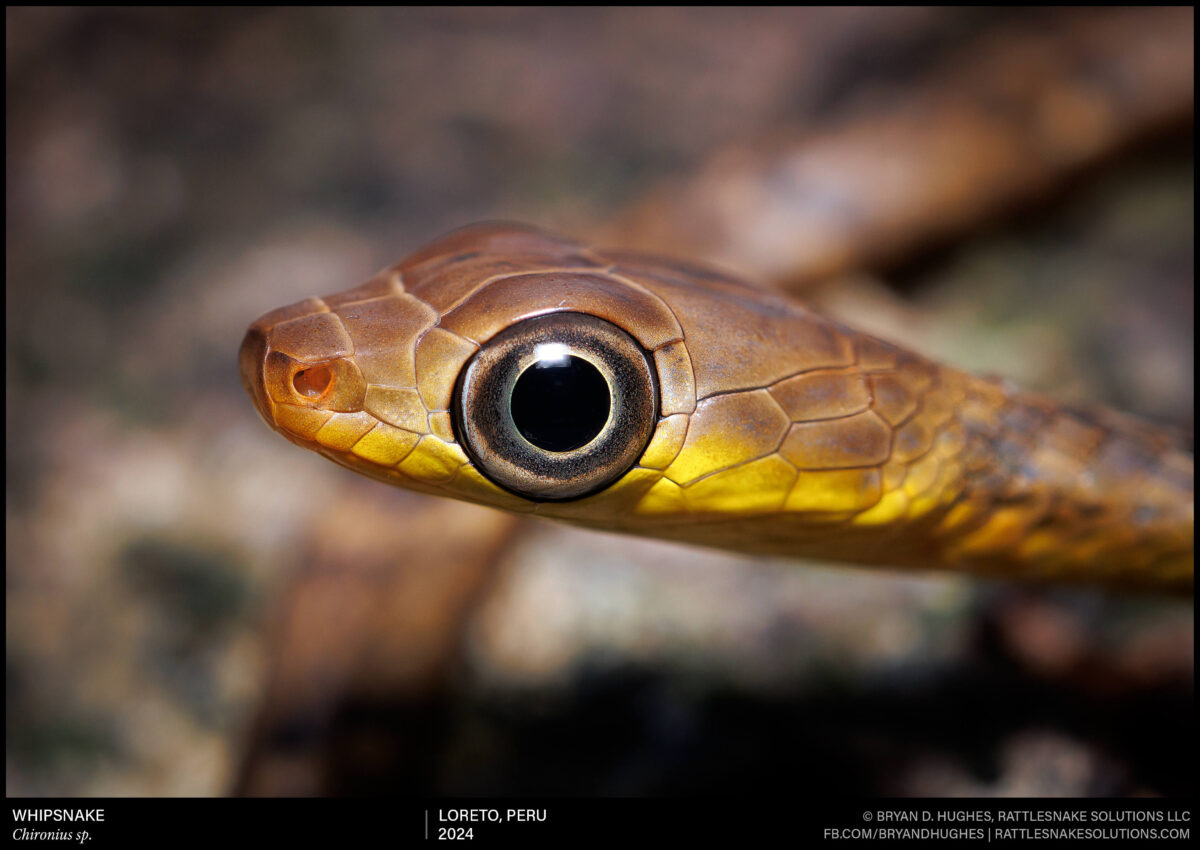
This tiny whipsnake (Chironius sp.) we saw in Peru is basically a long life support system for eyes. It’s likely less cute to the many lizards and frogs in the region.

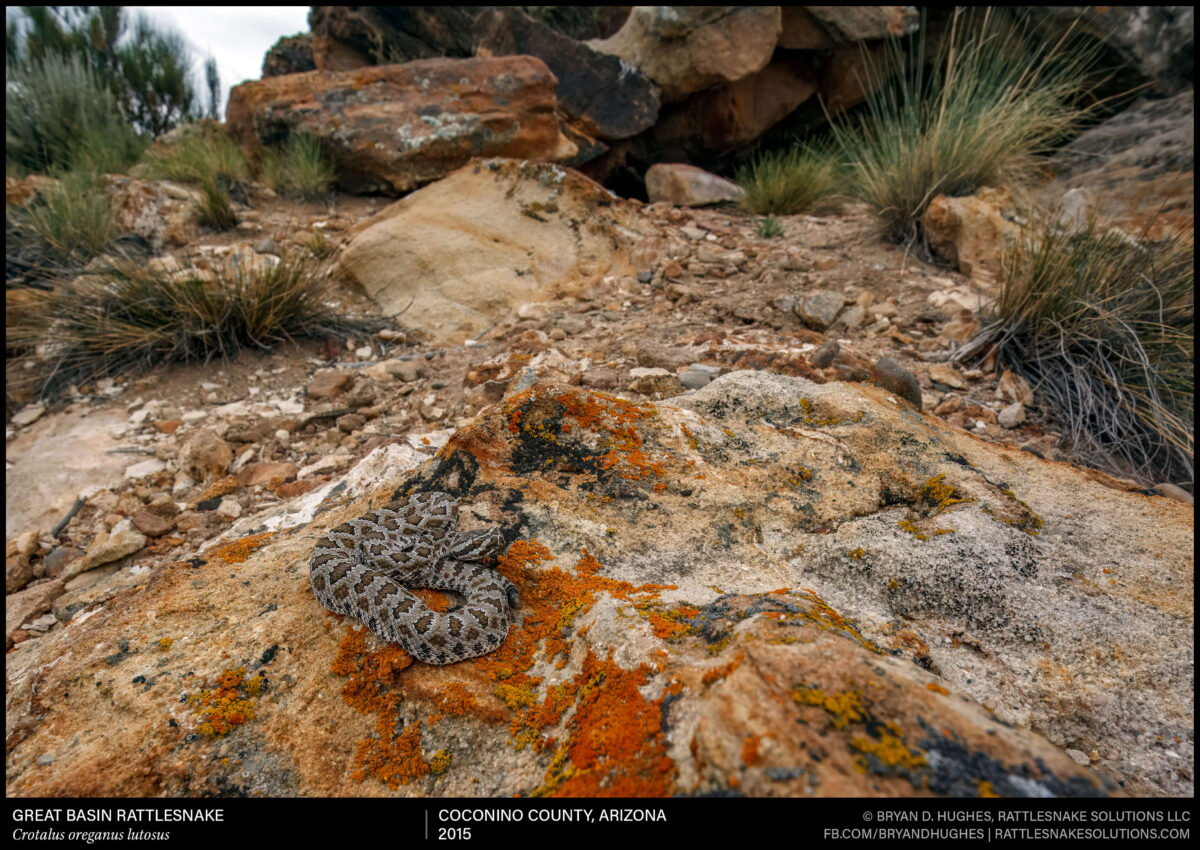
We found this little Great Basin Rattlesnake in extreme northern Arizona. The Great Basin Desert is one of FOUR desert regions that converge in Arizona, each bringing diversity of rattlesnakes and other wildlife to the state. If you’re ever wondering why Arizona has more rattlesnakes than anywhere else, that single fact is a major factor.
A tiny green-blue arboreal viper I saw in trees at around eye level on a night hike in Peru a couple of weeks ago. This Two-Striped Forest Pitviper was only about as long as a hand, and as big around as a ballpoint pen.

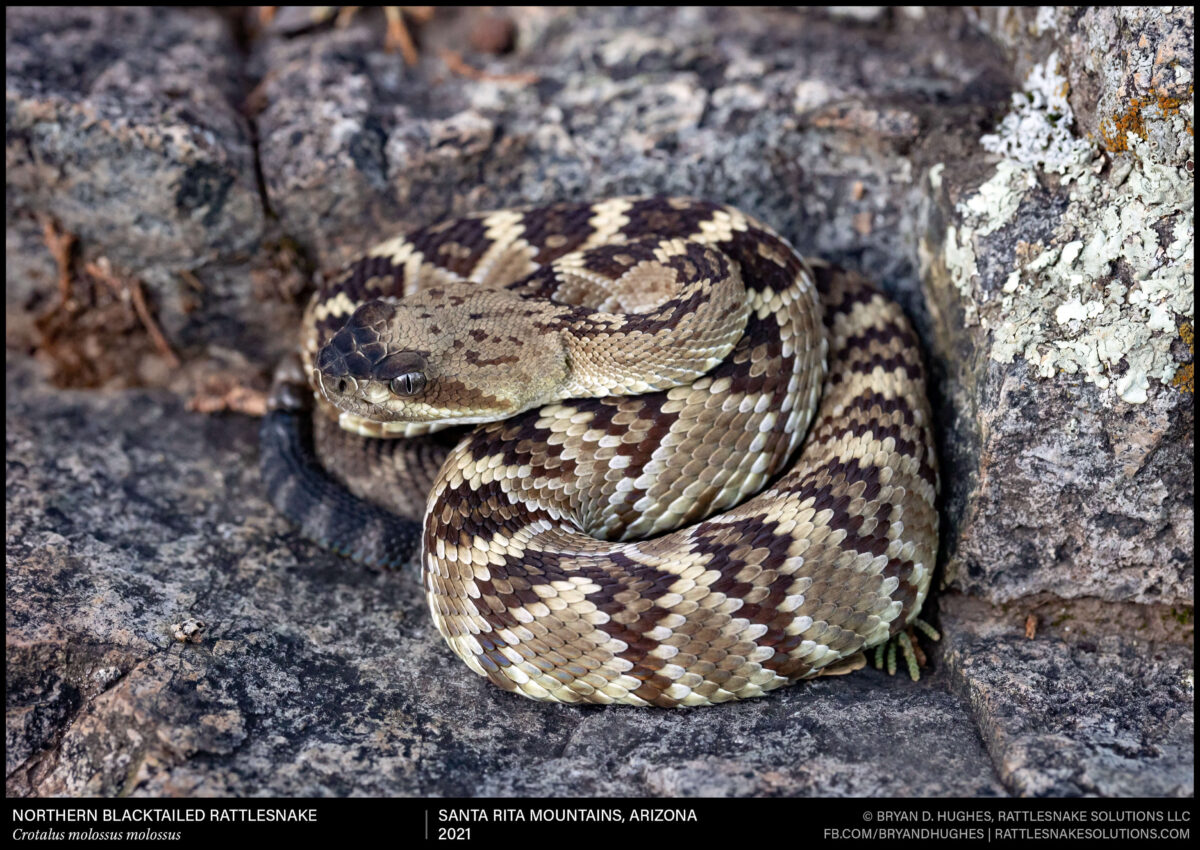
A young Blacktailed Rattlesnake from the southeastern mountains of Arizona. When they are this age, they’ll often have subtle grey and black banding in the tail. This usually darkens to a solid black with age, but not always. Of the species of rattlesnakes in the state, coming across babies of this species out and about may be the least frequent for me.
One of several baby Arizona Black Rattlesnakes laying around outside a winter den earlier in the year. As this snake matures, it will likely darken to mute the contrast shown here and be nearly entirely black, like the other females present in the rocks behind it.

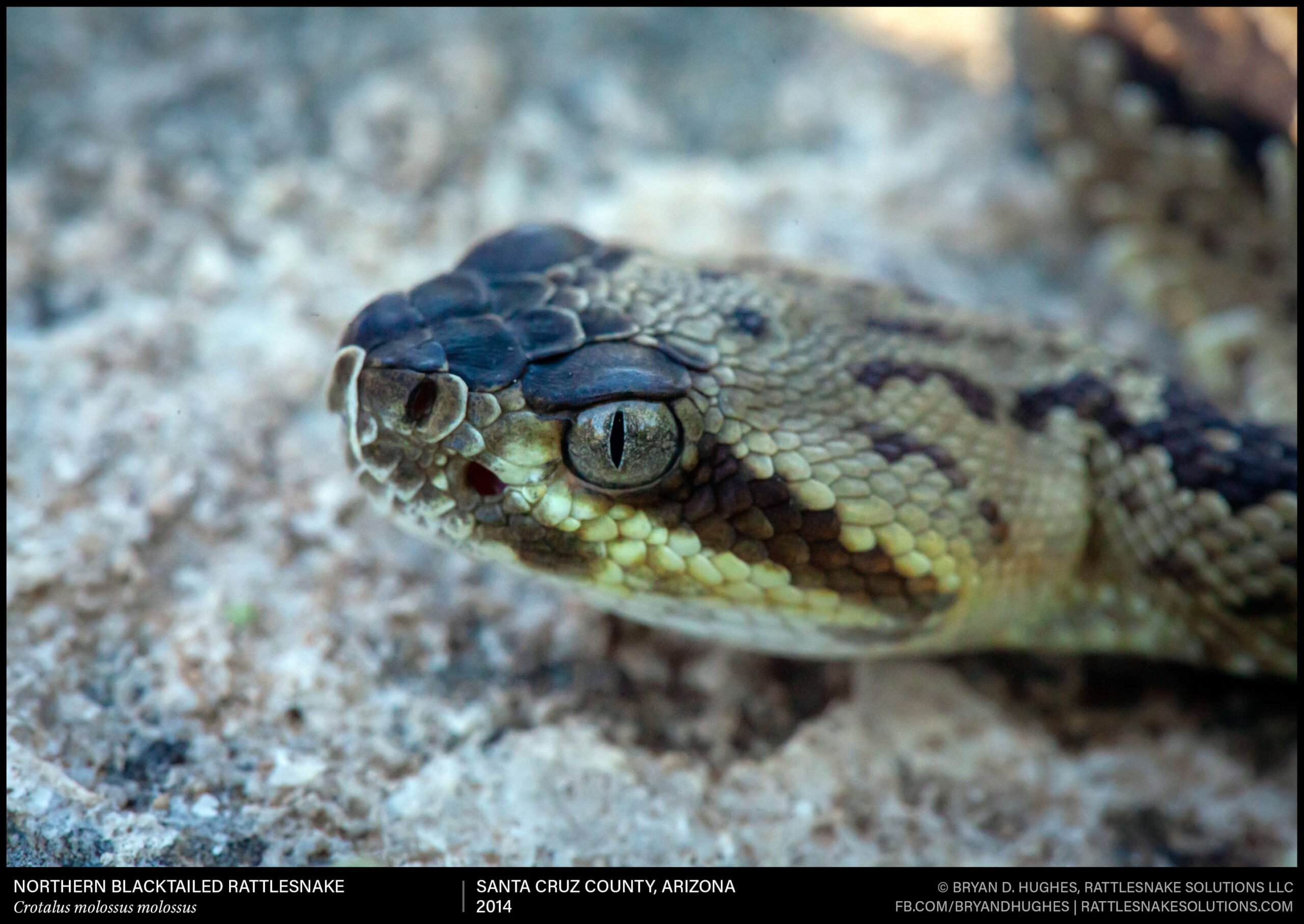
Seeing a baby Blacktailed Rattlesnake isn’t especially common. This one was seen in southeastern Arizona just over 10 years ago. As it grows, it’s eye scale will darken, and in this region, the contrast between light and dark will remain just as vibrant. Hopefully today, this animal is still out there somewhere, midway into a long life.