A Grand Canyon Rattlesnake in the last light of the day in northern Arizona.
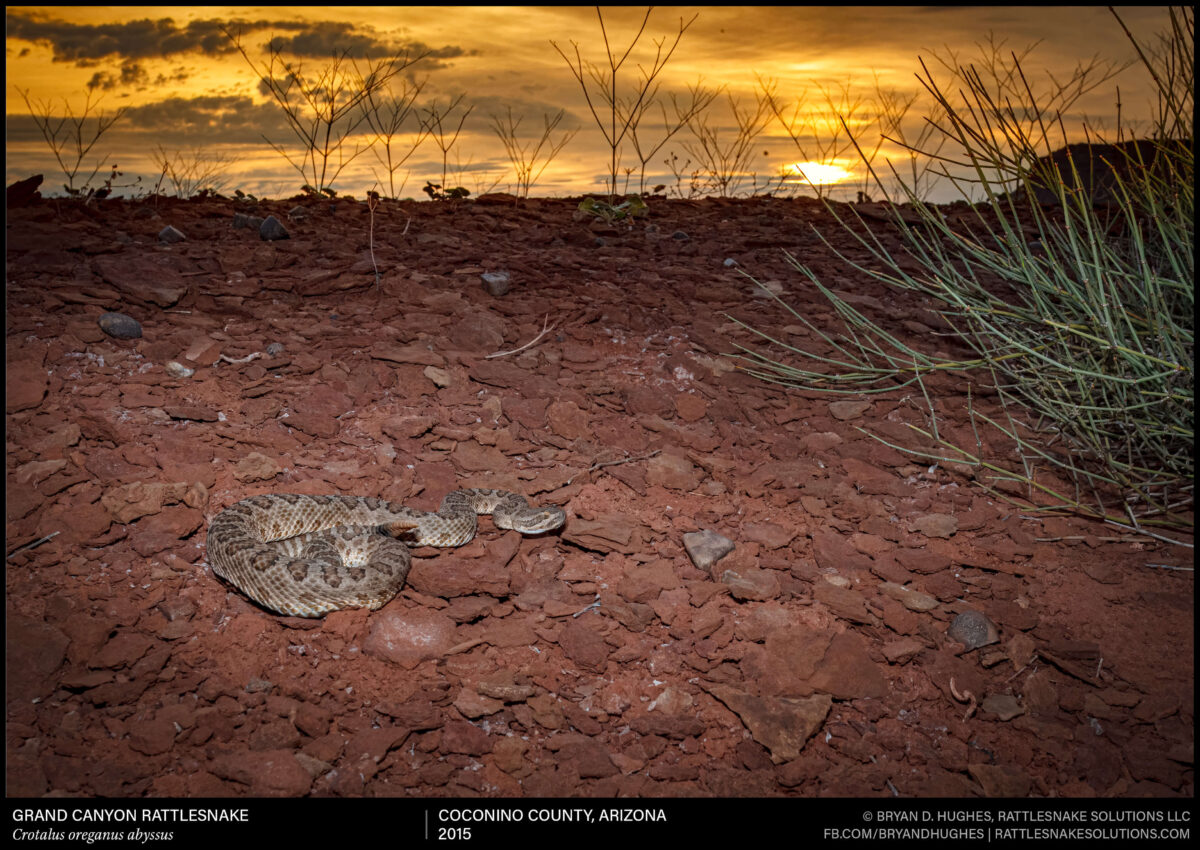

A Grand Canyon Rattlesnake in the last light of the day in northern Arizona.
A Grand Canyon Rattlesnake we found near its namesake a while back. This is what many refer to as the “Grand Canyon Pink”, though they are often, or usually, not pink, but this straw color or similar. The pattern here is strong, as is often typical in males and younger snakes, but may fade with time. In parts of the canyon, too, there are Speckled Rattlesnakes which may also be pink, so the “pink rattler” of the canyon can be a misleading concept.
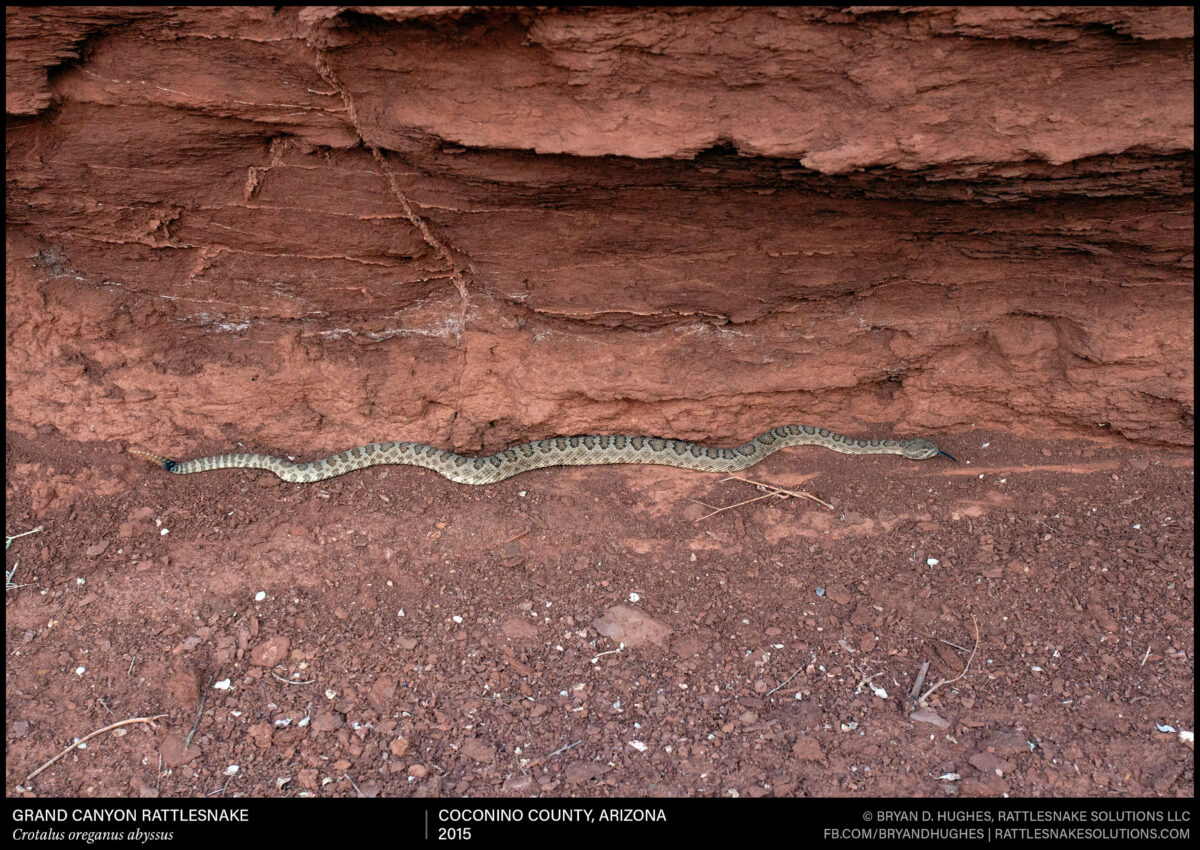
A young Grand Canyon Rattlesnake I found near its namesake a little over a decade ago. As this snake matures, the clean pattern of its head and body will fade and degrade to a series of dark splotches and smudges against a simple background.
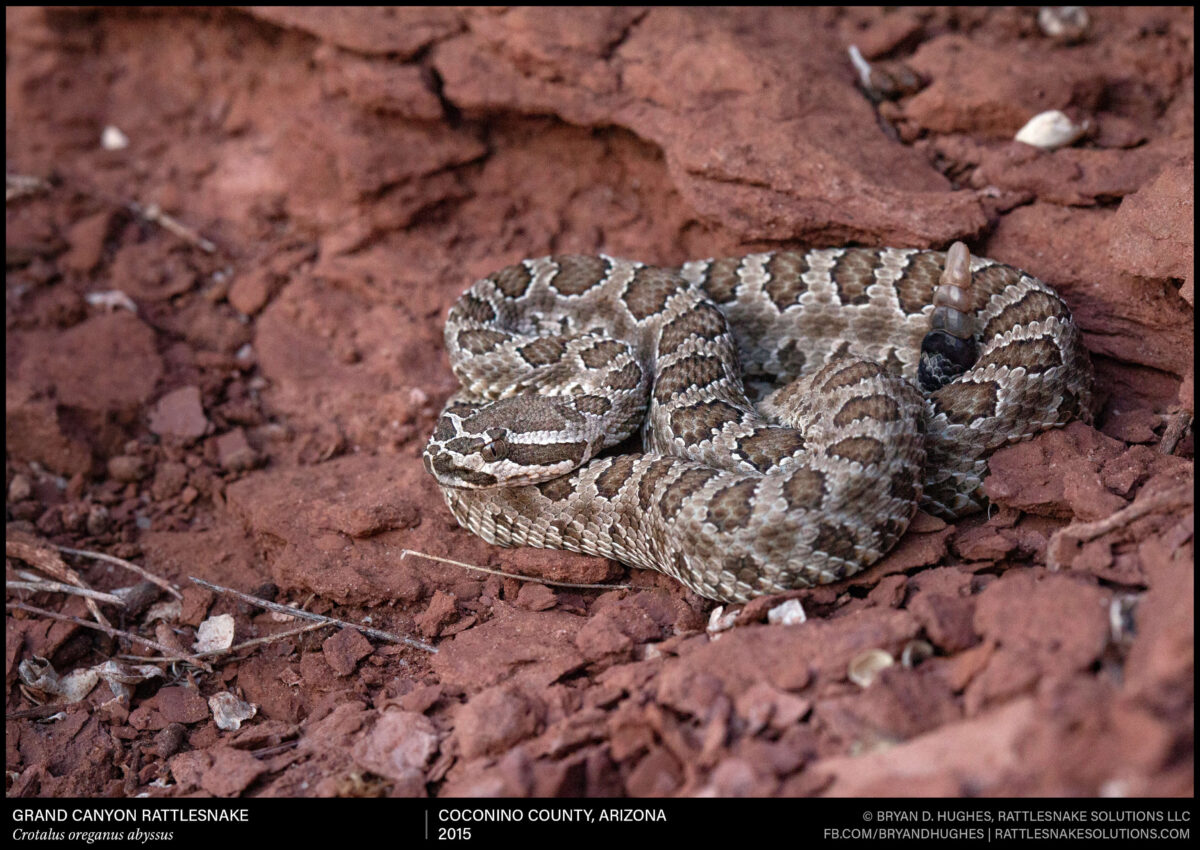
A Grand Canyon Rattlesnake from northern Arizona. In time, the pattern on this snake may continue to degrade and fade, but not to the same degree as is common for females of the species.
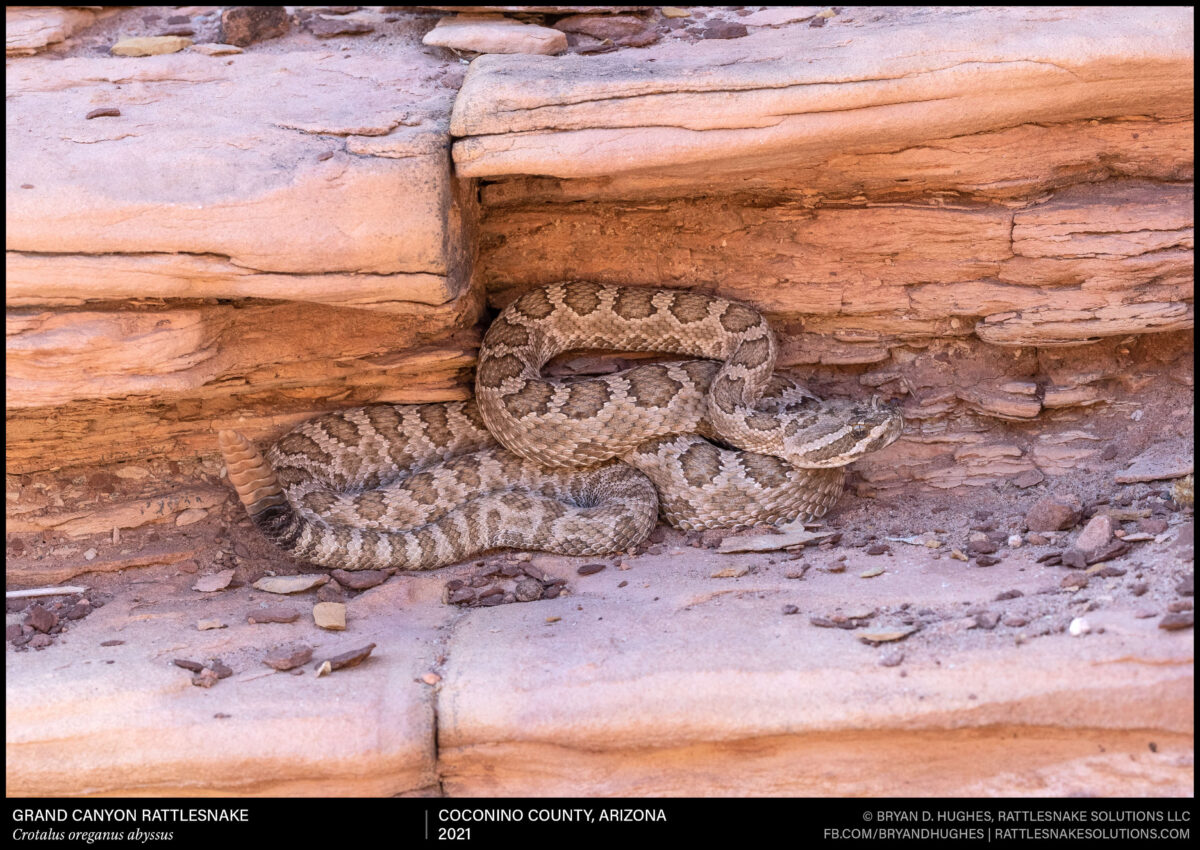
A Grand Canyon Rattlesnake from the northernmost part of Arizona.

A young Grand Canyon Rattlesnake found in the rocks alongside the Colorado River. This young male’s will fade considerably as it ages, but will likely not become the nearly unicolor look of mature females.

A Grand Canyon Rattlesnake found near its namesake a few years ago. This one is still pretty sharply patterned for a snake of this age.
