An Arizona Ridgenosed Rattlesnake found in bunchgrass on a perfect, overcast day in the Arizona sky islands.

An Arizona Ridgenosed Rattlesnake found in bunchgrass on a perfect, overcast day in the Arizona sky islands.

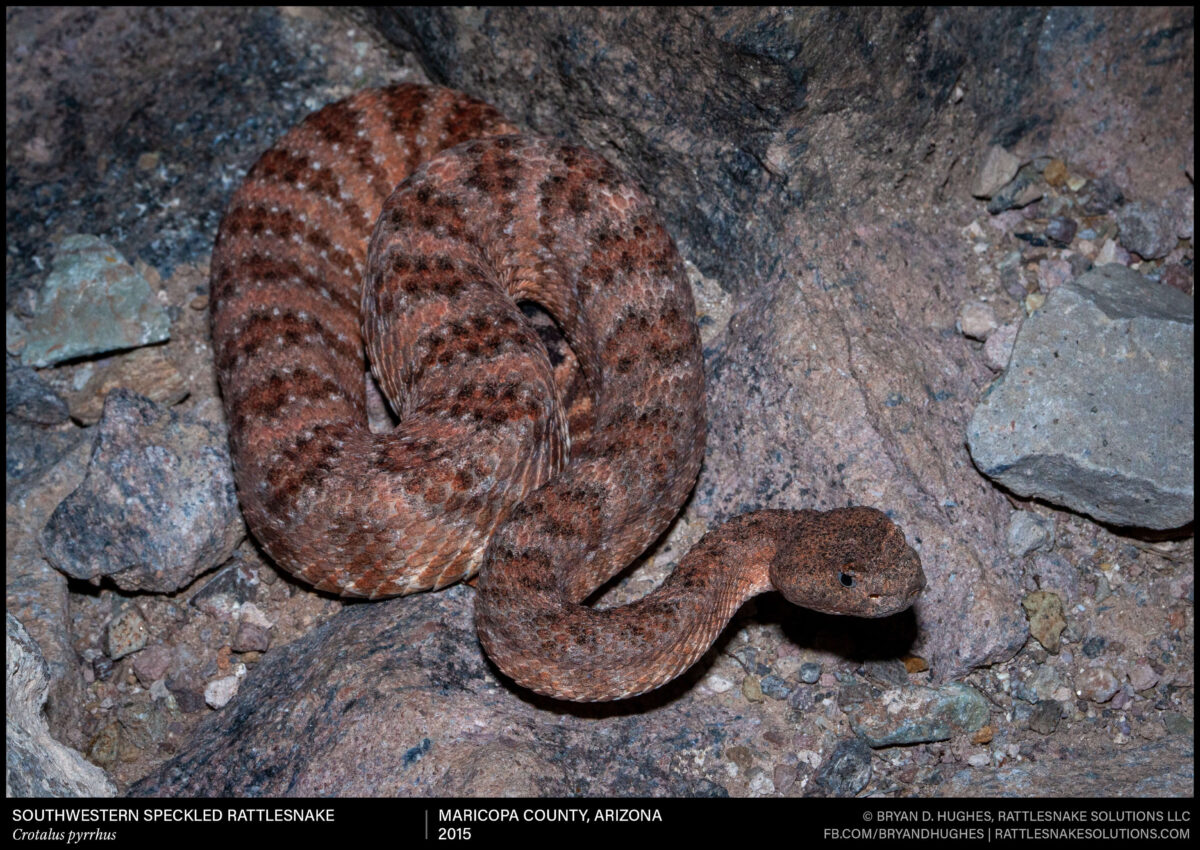
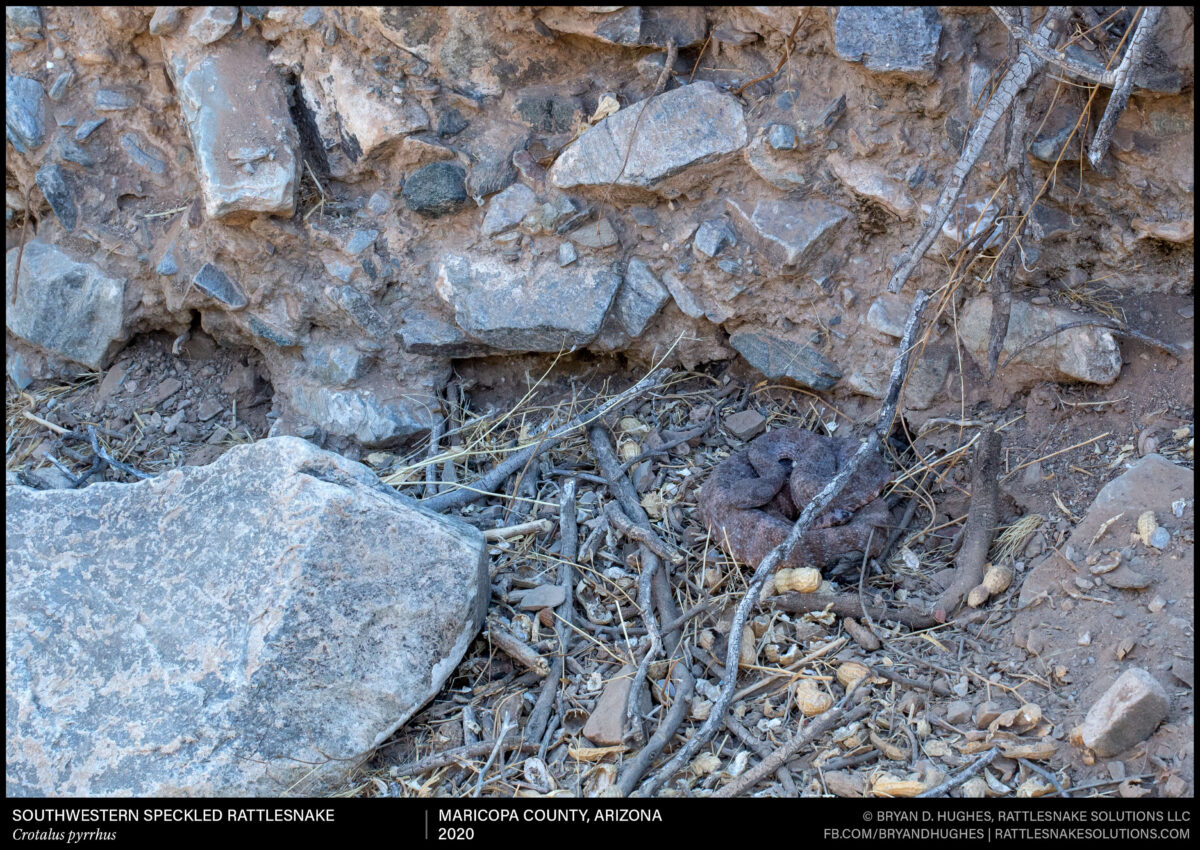
An orange Southwestern Speckled Rattlesnake making good on its name. While its bands are still visible, the chaotic distribution of colors can make this animal very difficult to see in context. This one lives near quite a few people with hundreds hiking right past it every weekend, but bites nobody.

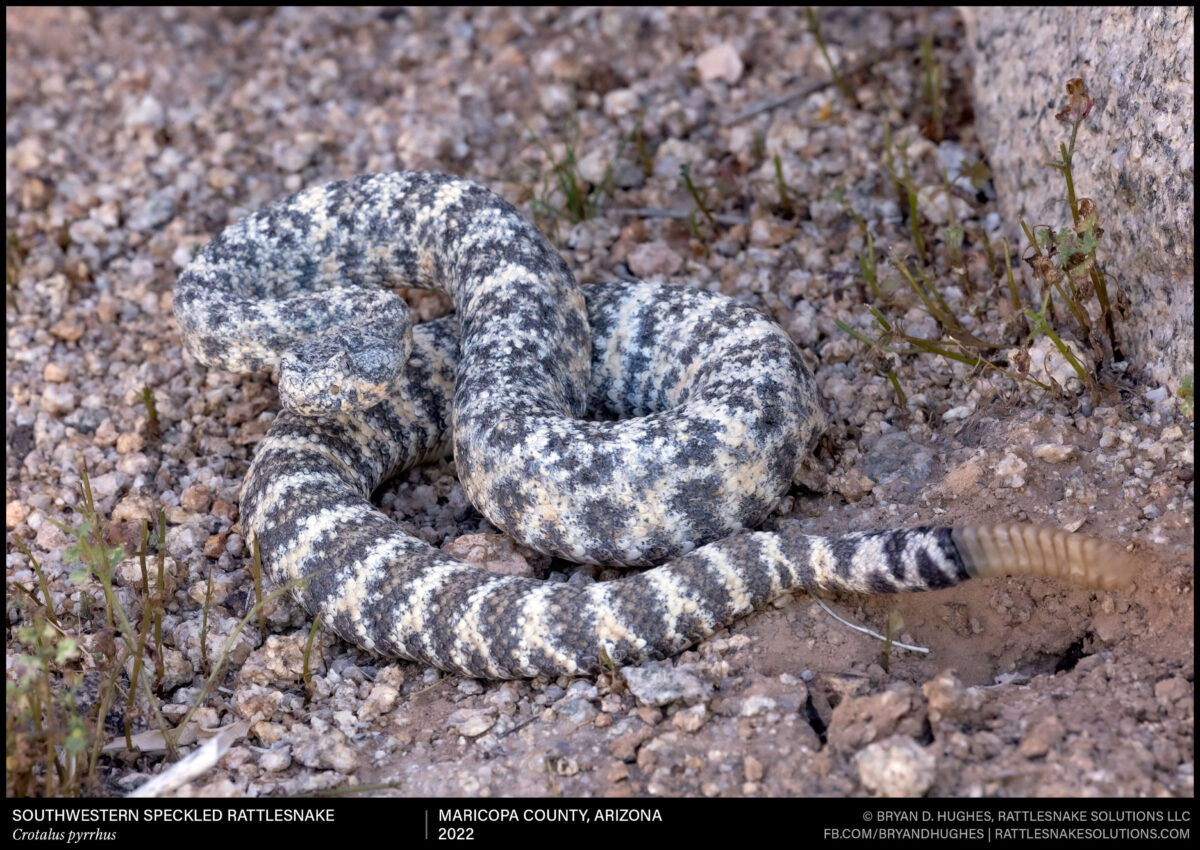
Southwestern Speckled Rattlesnake
(Crotalus pyrrhus)https://rattlesnakesolutions.com/SpeckledRattlesnake
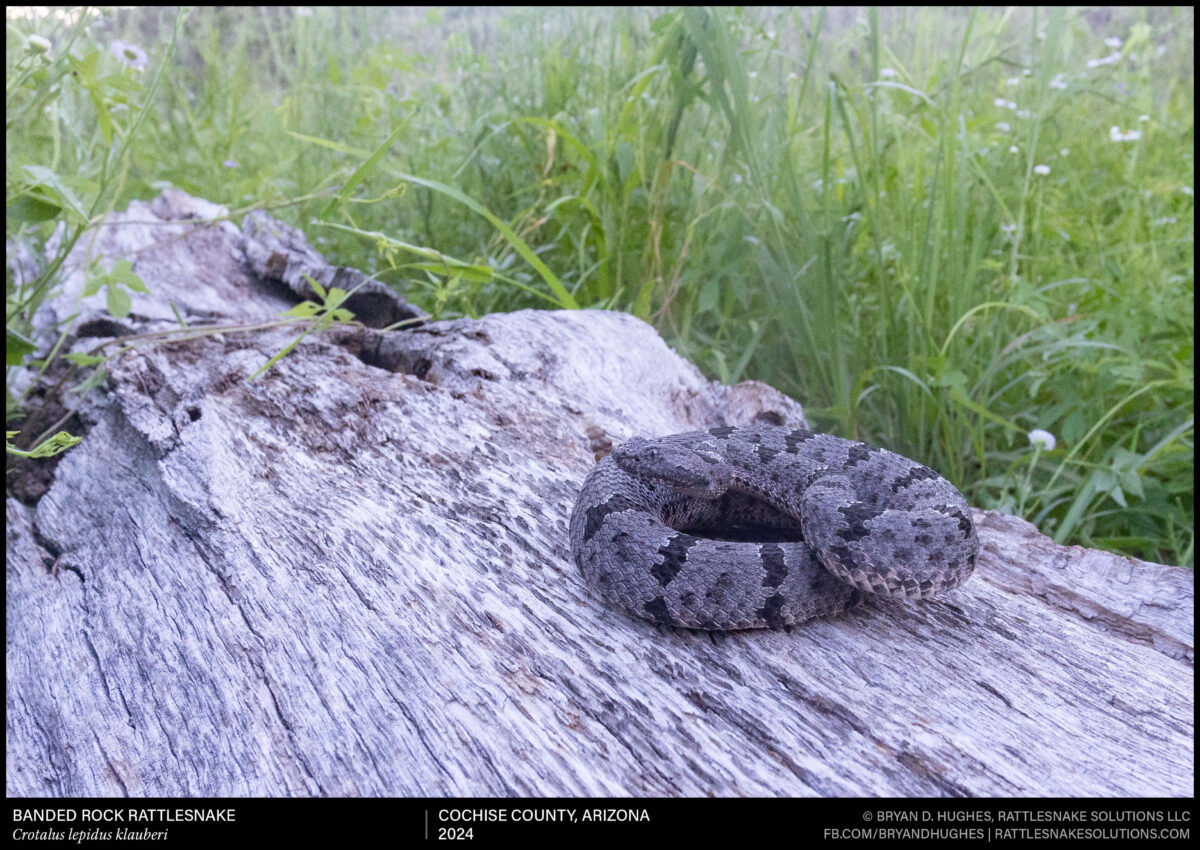
New Mexico Ridge-nosed Rattlesnake, Crotalus willardi obscurus

A young Blacktailed Rattlesnake from the southeastern mountains of Arizona. When they are this age, they’ll often have subtle grey and black banding in the tail. This usually darkens to a solid black with age, but not always. Of the species of rattlesnakes in the state, coming across babies of this species out and about may be the least frequent for me.

A Western Diamondback Rattlesnake in ambush in a sandy wash on a very hot night.
This sand is much cooler than the surrounding rock, with smaller particles that lose energy more quickly. While it’s easy to think of reptiles as ectotherms always looking for sources of heat, they’re just as often looking for ways to lose it. Thermoregulating is more like a behavioral thermostat, and areas like this help.

An Arizona Ridgenosed Rattlesnake from the southeastern corner of the state. This is also our state reptile.

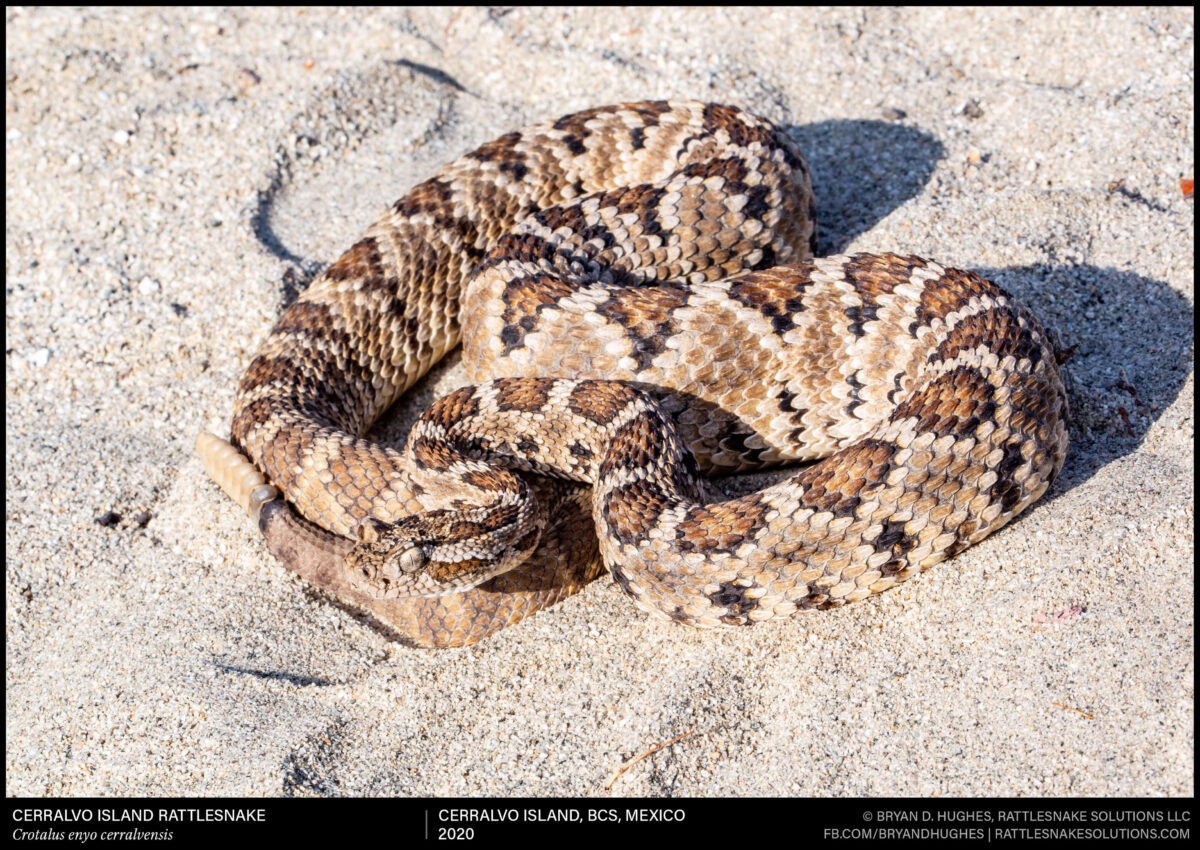
Quiz time: This subspecies of ridgenosed rattlesnake is only found in Arizona and Mexico. There are two other rattlesnakes that are also only found in Arizona and Mexico. What are they?
cerastesA Sonoran Sidewinder that had just crossed a road west of Phoenix. These small specialist rattlesnakes are abundant in the right conditions. This is the reason that hikers will almost never come across one … the flat sandy habitat they need is nobody’s hiking destination.

Leavitt, D. J., & Grimsley, A. A. (2019). Density, recapture probability, biomass, productivity, and population structure of Sidewinders (Crotalus cerastes) in the Sonoran Desert of Arizona. Herpetology Notes, 12, 427–435. https://www.researchgate.net/publication/332802062
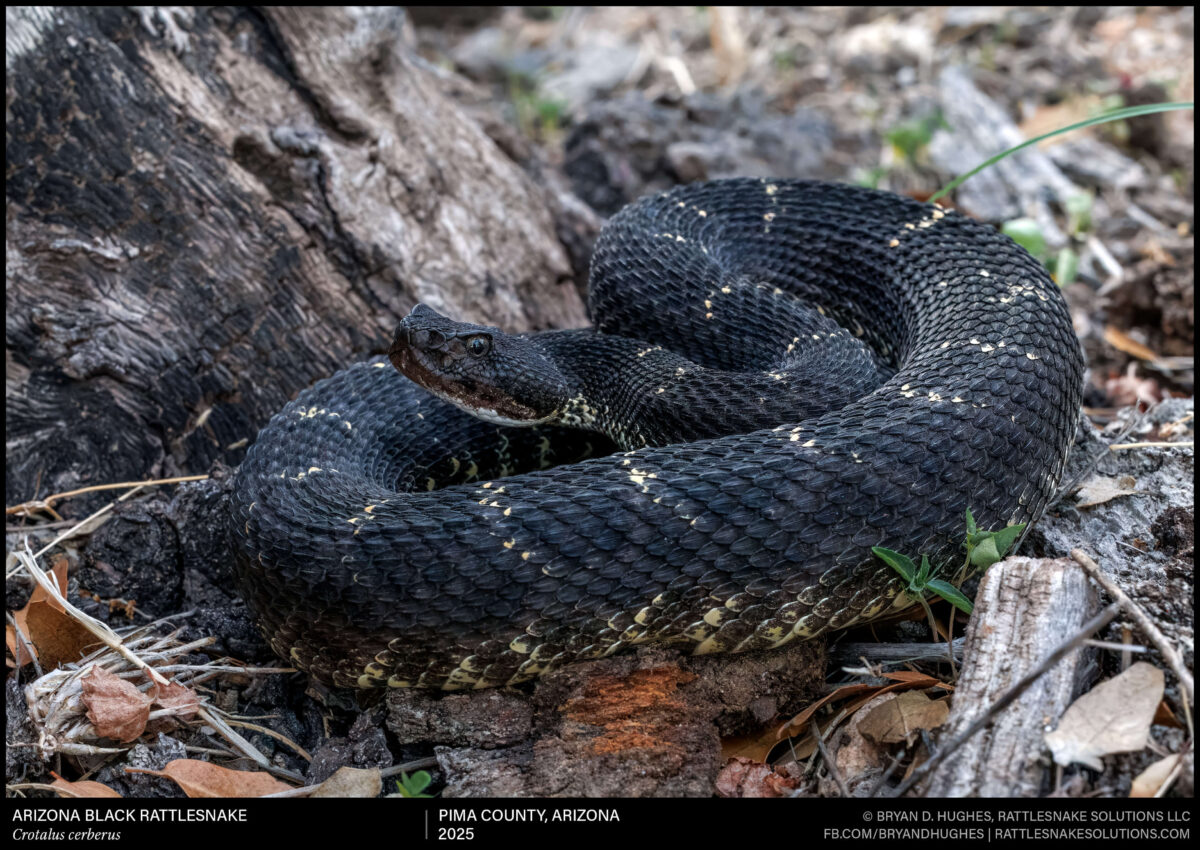
A young Arizona Black Rattlesnake resting outside its den, where several larger adults have yet to emerge for the day. In time, it will darken and its pattern will fade to be the familiar dark black with yellow bands common in the region.
This same little snake, a year prior and a lot smaller, was what first gave this spot away as a rattlesnake den. Females stay at or near winter dens all year to give birth there, so a chance sighting of a neonate in August was an indication there was more to be found. Since then, I have found dozens more Arizona Black Rattlesnakes, as well as Western Diamondback Rattlesnakes and Blacktailed Rattlesnakes sharing the same den.

A large male Western Diamondback Rattlesnake cruising through dense vegetation, on the lookout for others that may be near. At this higher elevation den in the late fall, the females are already tucked into rock crevices and caves. All that remain on the surface are the largest males, patrolling for rivals, and getting into the occasional fight. This one finished its loop and settled back into the sunny spot it prefers for awhile, before doing it all again about an hour later. Why wait until spring to fight for the good spot, when you can do it in the fall?

A young Blacktailed Rattlesnake from the eastern end of Arizona. While not as sharply contrasted as the population from just south in the Sky Islands, I personally like the clean, subtle tones and velvety appearance of these snakes in this area.