A standard Western Diamondback Rattlesnake I found hanging out in an ambush position on a nice evening.
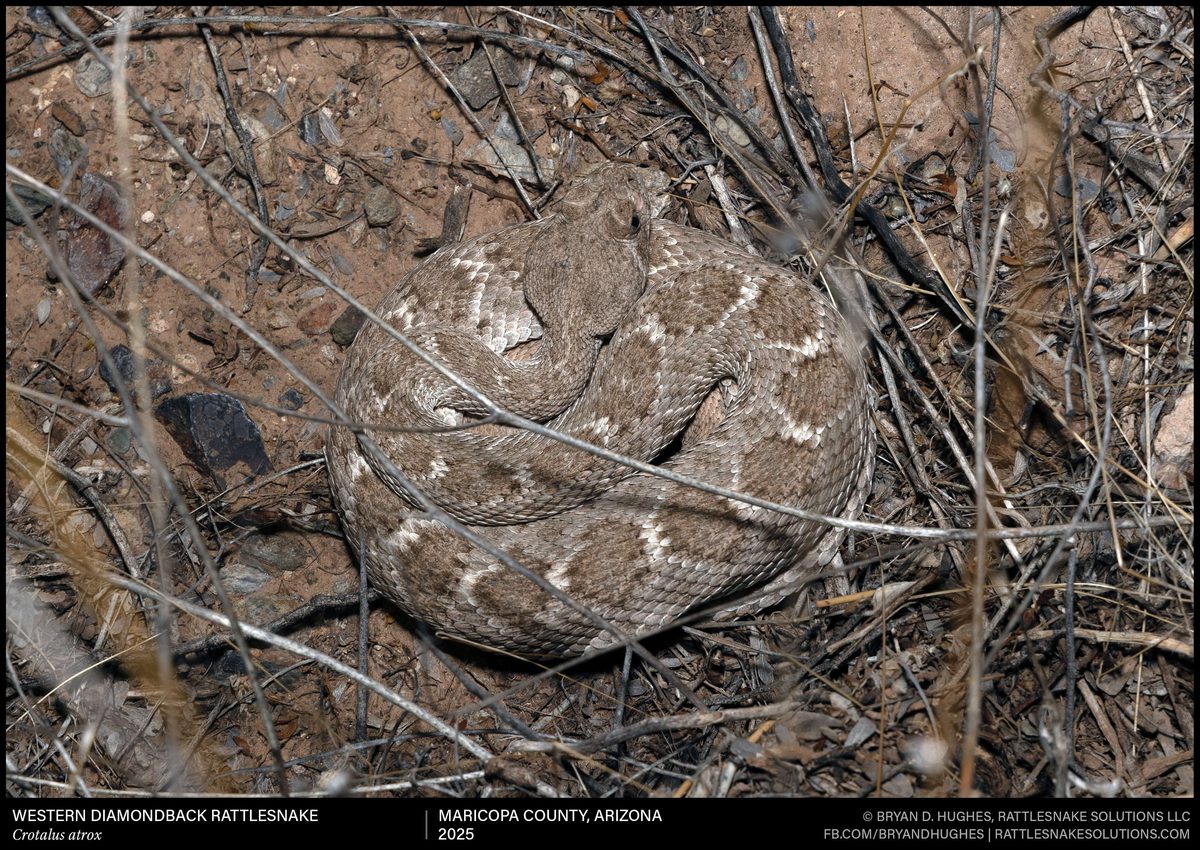

A standard Western Diamondback Rattlesnake I found hanging out in an ambush position on a nice evening.
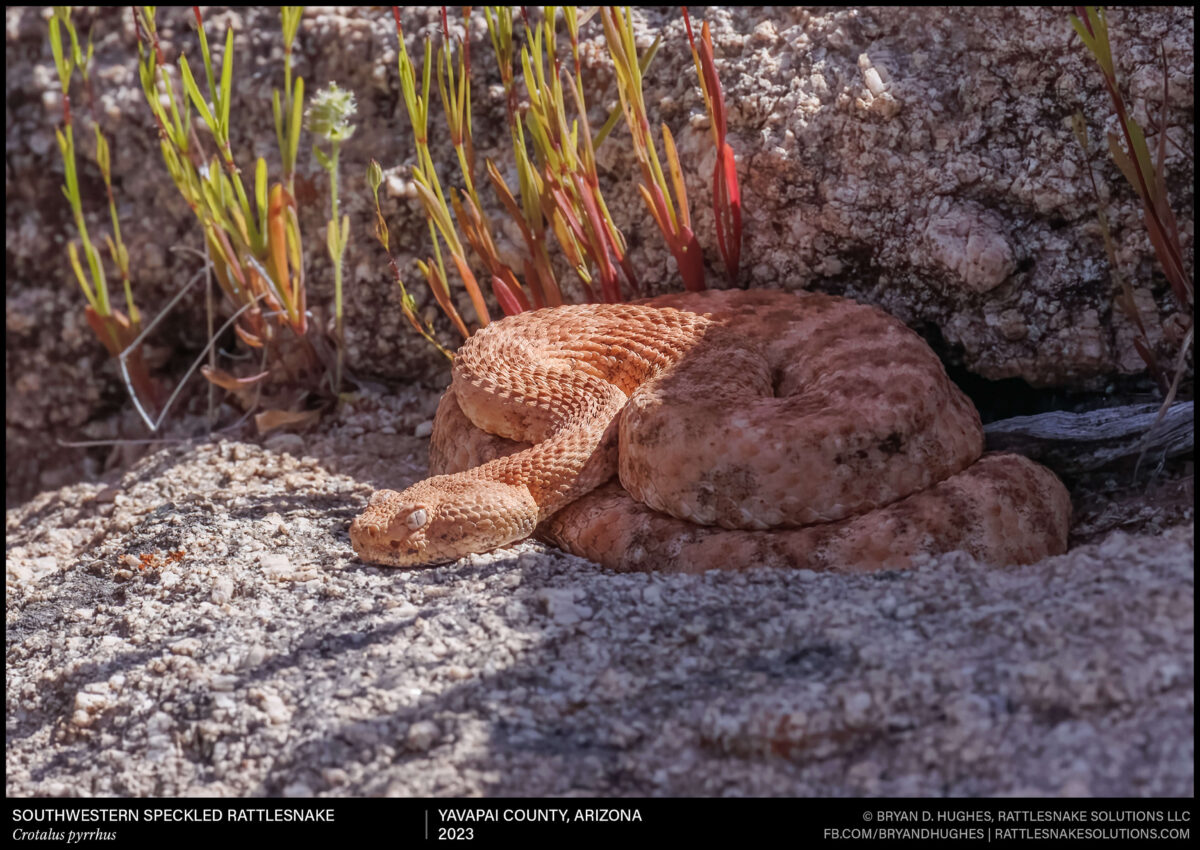
A Southwestern Speckled Rattlesnake (Crotalus pyrrhus) in ambush along a ledge in central Arizona. While most of the boulder field where it was found is made of rock similar to how this snake looks … this particular large boulder made of light colored granite helped make this one easy to spot. We got some photos from a distance and left it there to hopefully succeed in getting that chuckwalla or ground squirrel it’s looking for.
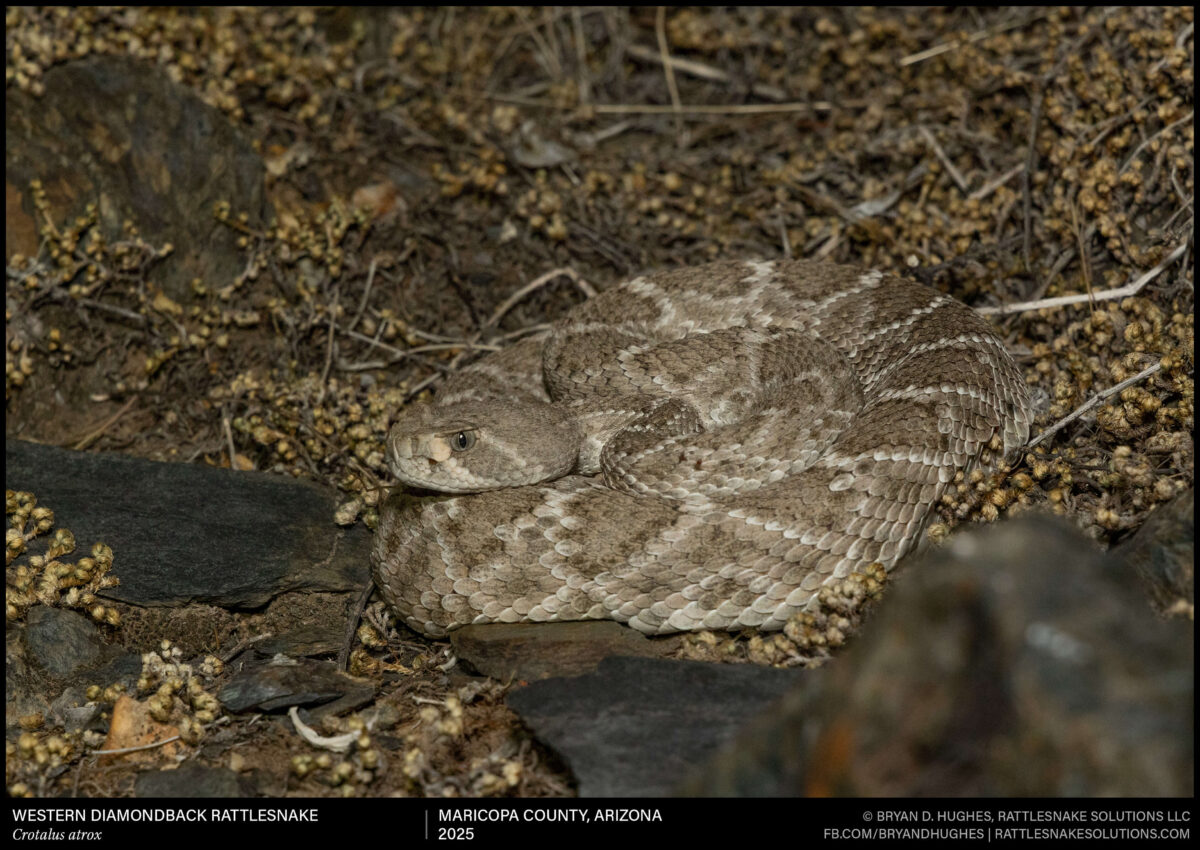
A Western Diamondback Rattlesnake I found in ambush on a late-night hike in a desert canyon. When it’s hot, these snakes are mostly nocturnal, only seeing daylight shortly after sunup for much of the summer.
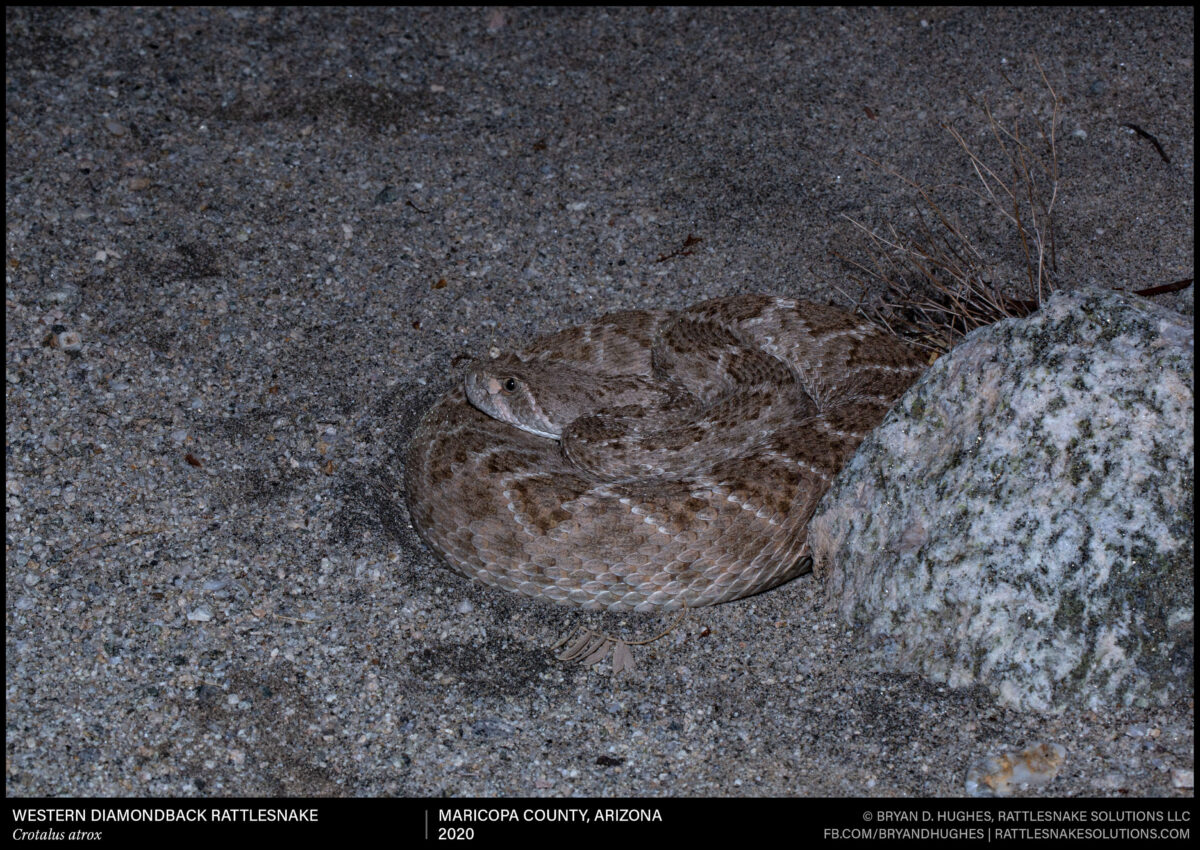
A Western Diamondback Rattlesnake in ambush in a sandy wash on a very hot night.
This sand is much cooler than the surrounding rock, with smaller particles that lose energy more quickly. While it’s easy to think of reptiles as ectotherms always looking for sources of heat, they’re just as often looking for ways to lose it. Thermoregulating is more like a behavioral thermostat, and areas like this help.
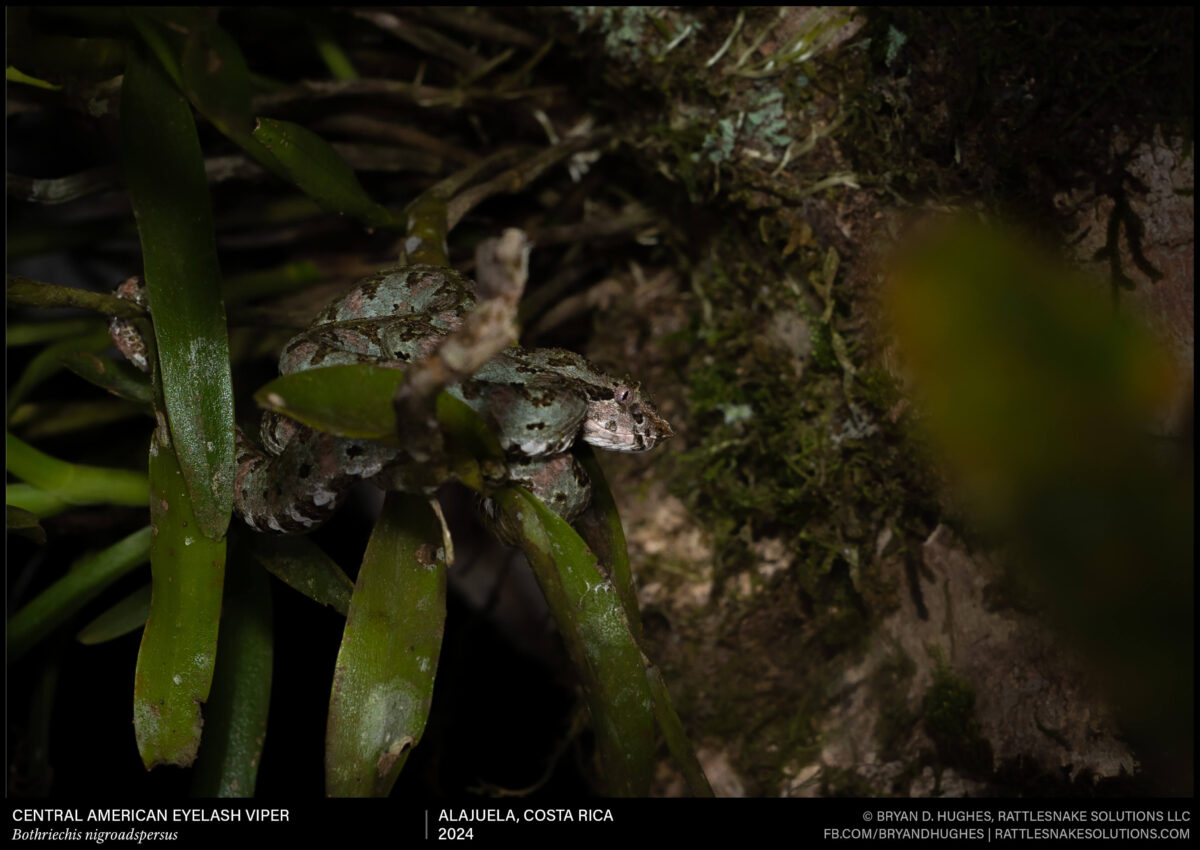
One of the eyelash vipers we found on a family vacation to Costa Rica a year ago. It spent days in almost the same spot, only making a short move in the daytime to move under the nearest clump of moss.
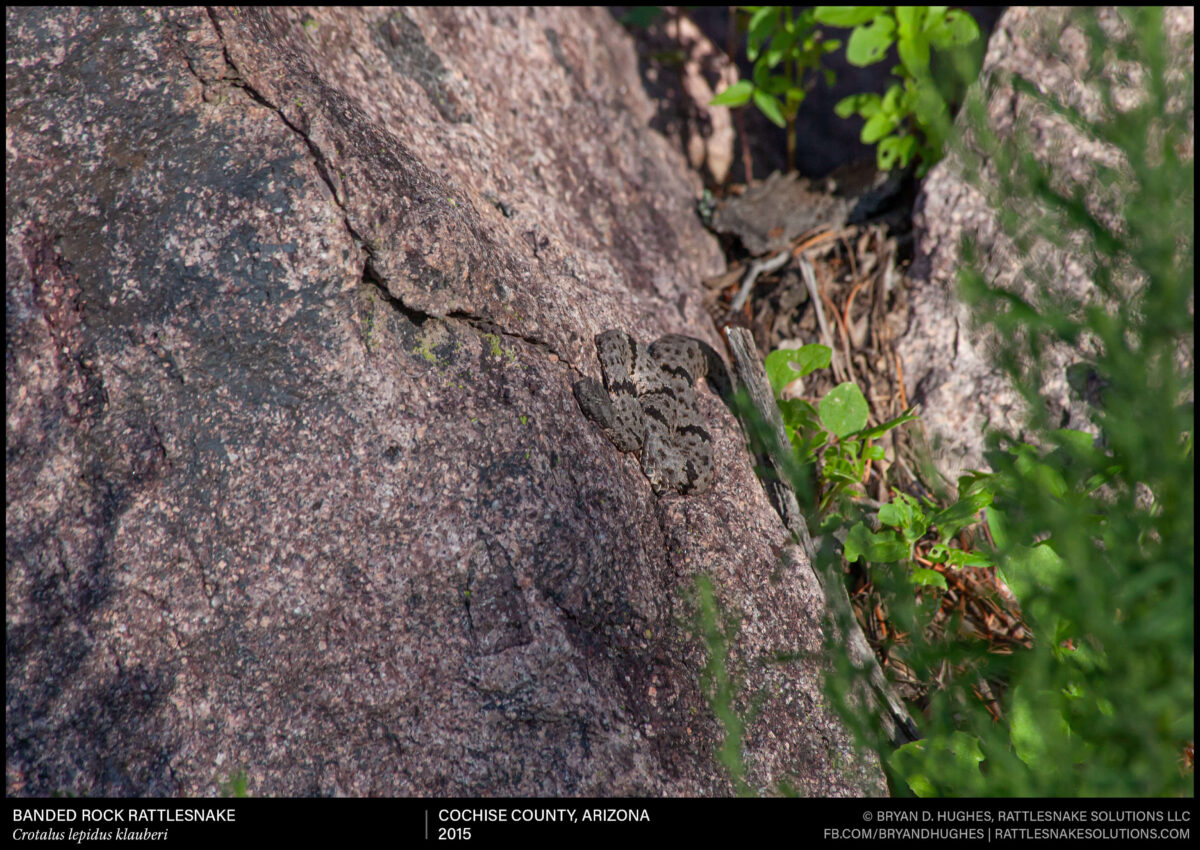
A small Banded Rock Rattlesnake in ambush along the base of a boulder in southeastern Arizona. The pattern and bands break up its shape, making it difficult to see in context. This is a good way to catch one of the many Yarrows Spiny Lizards jumping around on the same rocks each morning.
A Southwestern Speckled Rattlesnake in ambush on a humid night a couple of years back. Like many other desert reptiles, the monsoon and period after are the most active times of year. Humid air and cooler, stable temperatures make for safer activity, and a lot has to be done in a relatively short amount of time.
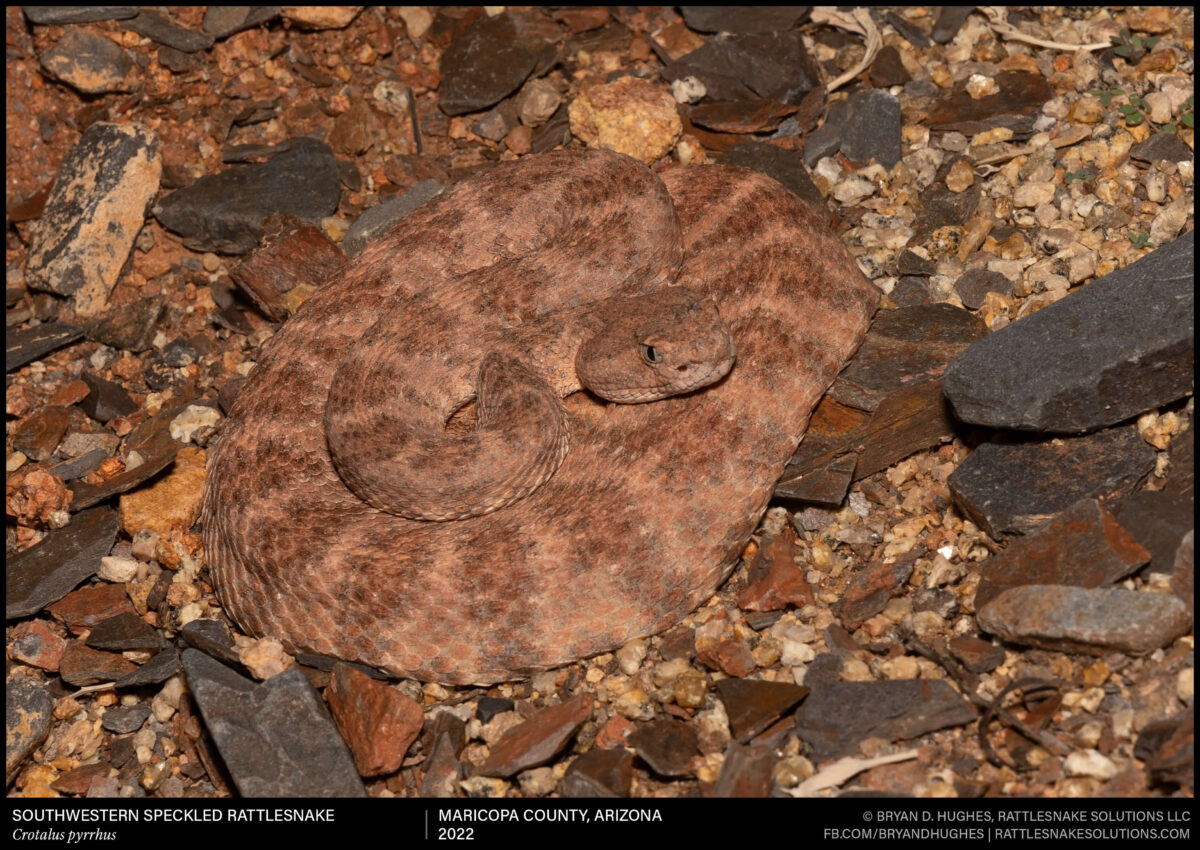
Southwestern Speckled Rattlesnake (Crotalus pyrrhus)
A Southwestern Speckled Rattlesnake rests in a rocky retreat, waiting for dark. Like other rattlesnake species in the Phoenix area, once temperatures stabilize in the triple digits, their activity becomes mostly nocturnal. The late afternoon is a good time to wait for a lizard or bird to make a mistake, in the meantime.

An Arizona Black Rattlesnake resting in partial cover. These snakes spend a lot of time on the surface, hiding in and as shadows to evade detection by predators and prey.

A Southwestern Speckled Rattlesnake looking just like a chunk of granite, fallen off the overhead outcrop. As the sun gets lower in the sky, a variety of rodents, birds, and lizards do what they do in surrounding bushes and rocks, oblivious to the invisible predator. To hikers on the mountain, they’re often just as cryptic, remaining hidden as hundreds of feet pass by every Saturday on popular trails.
