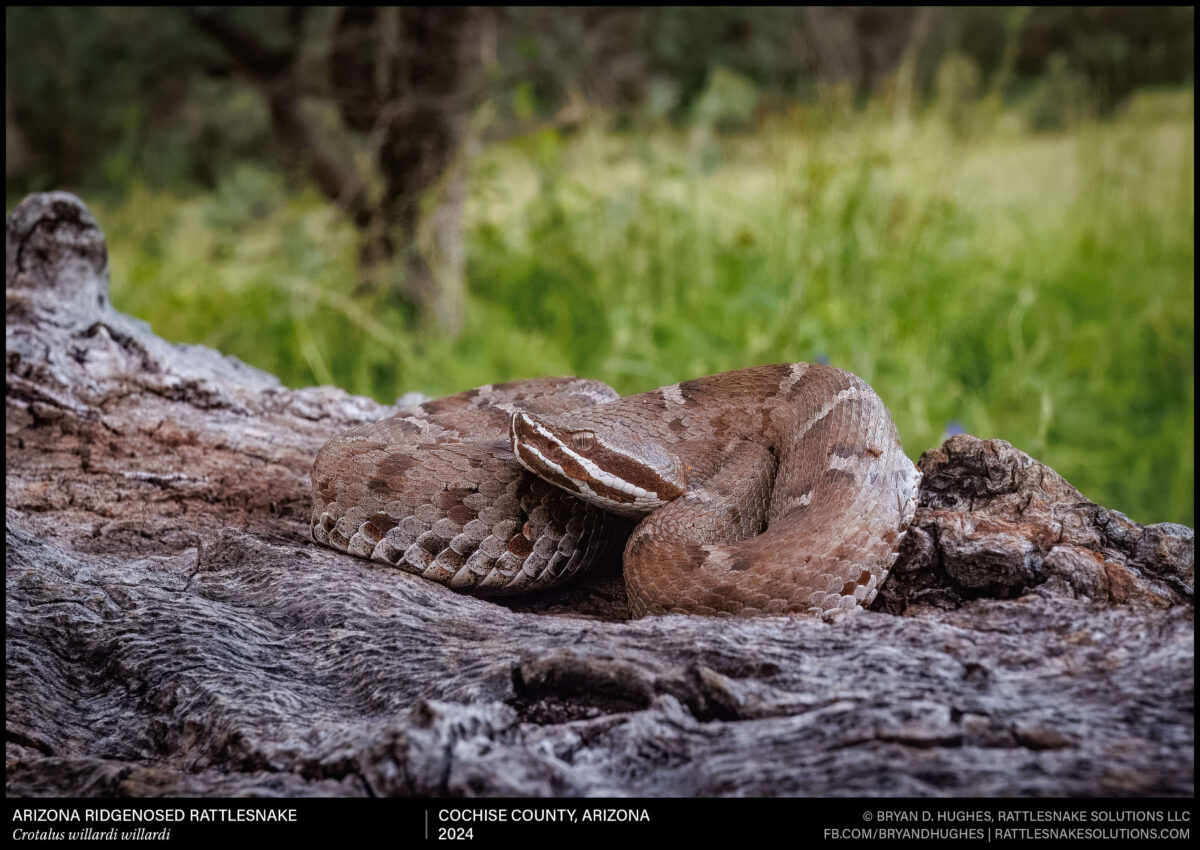
Arizona Ridgenosed Rattlesnake in Cochise County, Arizona

An Arizona Ridgnosed Rattlesnake from Cochise County, Arizona. This is a small rattlesnake that is found in a handful of mountainous areas in the southeastern corner of the state. A hiker may encounter one if they are in the Santa Rita, Patagonia, Huachuca, Canelo, or Whetstone ranges.

Interestingly, every rancher and long-term resident of those areas that I’ve personally spoken to about this species has no idea what I’m talking about. This mirrors many other instances that have taught me one thing: living in an area for a long time, even being born and raised there, does not grant any particular expertise of the animals that live there.

This snake has relatively weak venom for a rattlesnake, but it is still an emergency situation where antivenom should be sought after. It would be hard to find a situation where one would envenomate a person without actually picking it up.
Holzman, S. D., Massey, D. J., Clements, A., Boesen, K. J., & Shirazi, F. M. (2018). Arizona Ridge-nosed rattlesnake envenomation: Case report of a personal encounter with the official state reptile of Arizona, Crotalus willardi willardi. Toxicon, 151, 84–88. https://doi.org/10.1016/j.toxicon.2018.07.001
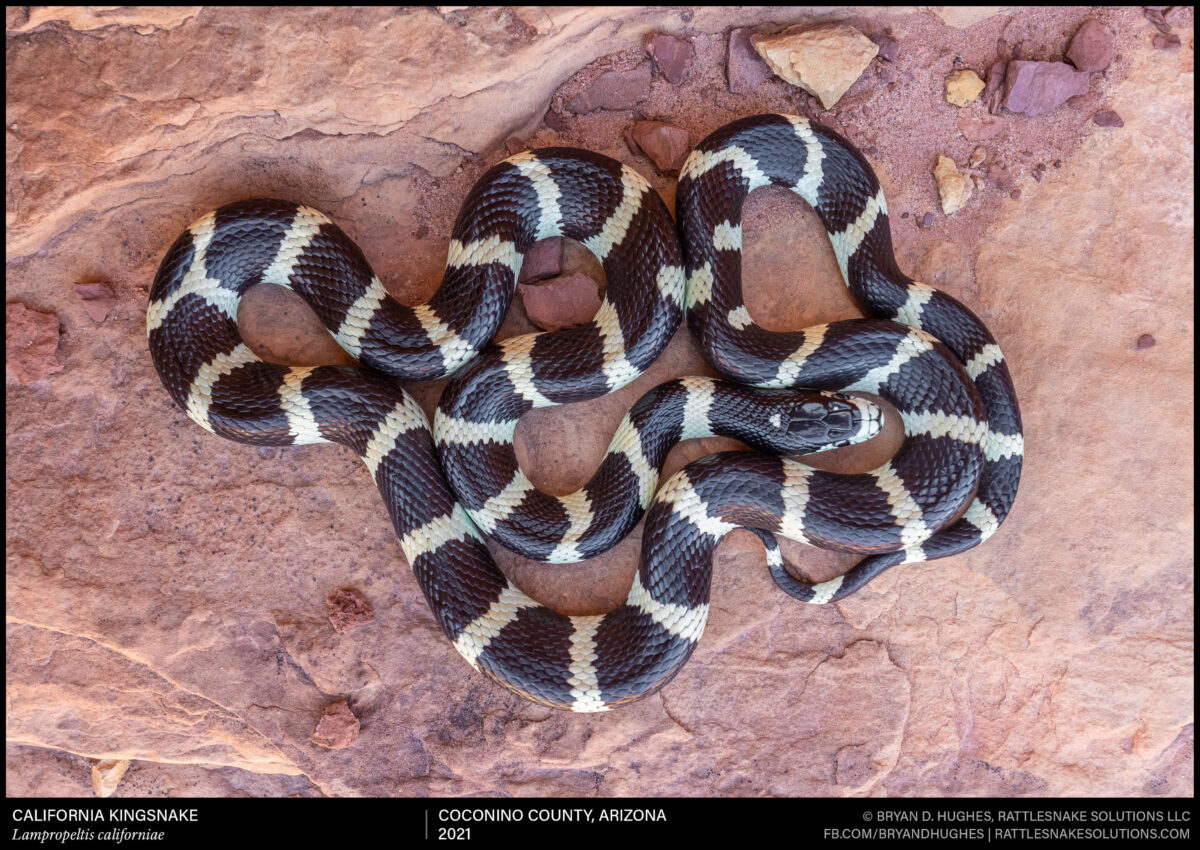
California Kingsnake in Northern Arizona

A California Kingsnake from an interesting pocket of Sonoran Desert influence near the Arizona/Utah border.

“kingsnakes keep rattlers away!!!” – a common, and incorrect, myth of the desert.

Kingsnakes do eat rattlesnakes, but that’s far from all that they eat. In a dietary study examining the stomach contents of 2,662 kingsnakes, rattlesnakes made up just 7% of prey items. While rattlesnakes are an ideal prey item for these animals, they are far from their only, or even primary, target. (Wiseman et al 2019)

In reality, the presence of a kingsnake does not indicate that there are fewer rattlesnakes in an area. If anything, a lot of kingsnakes may be an indicator of abundant prey! The places we often find kingsnakes regularly are also places with a large amount of rattlesnakes.

Why does this matter? Kingsnakes are routinely collected or purchased by homeowners to release on their property with the belief that it is going to control the rattlesnakes that may be there. But, the likely result is going to be a dead kingsnake … with no apparent effect to the local rattlesnake population.

So yes, kingsnakes do eat rattlesnakes. But no, it’s not all they eat, and moving kingsnakes around randomly will not provide the protection most people believe it will.

Wiseman, K. D., Greene, H. W., Koo, M. S., & Long, D. J. (2019). Feeding ecology of a generalist predator, the California Kingsnake (Lampropeltis californiae): Why rare prey matter. Herpetological Conservation and Biology, 14(1), 1–30.

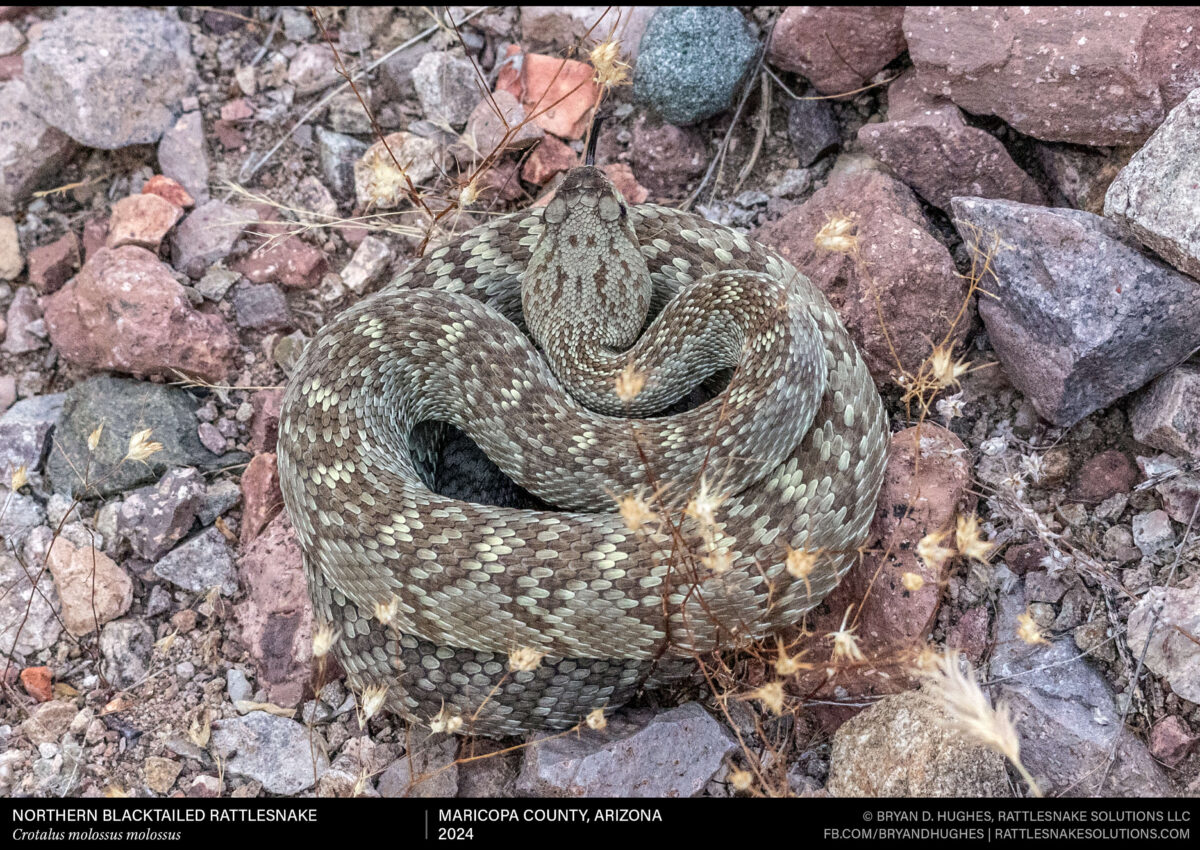
Desert Phase Blacktailed Rattlesnake

Blacktailed Rattlesnake showing off the “desert phase” phenotype, typical of lower, hot desert regions where this snake is common in rocky hills and mountains. This chaotic pattern can range from a yellow-green to silver, at times with the pattern degrading to the point of a unicolor appearance. This one is typical for mountains west of Phoenix.