One of many Nose-horned Vipers (Vipera ammodytes) we found in Greece a few years ago. This one is about to shed its skin in coming days, indicated by the clouded eye scale.
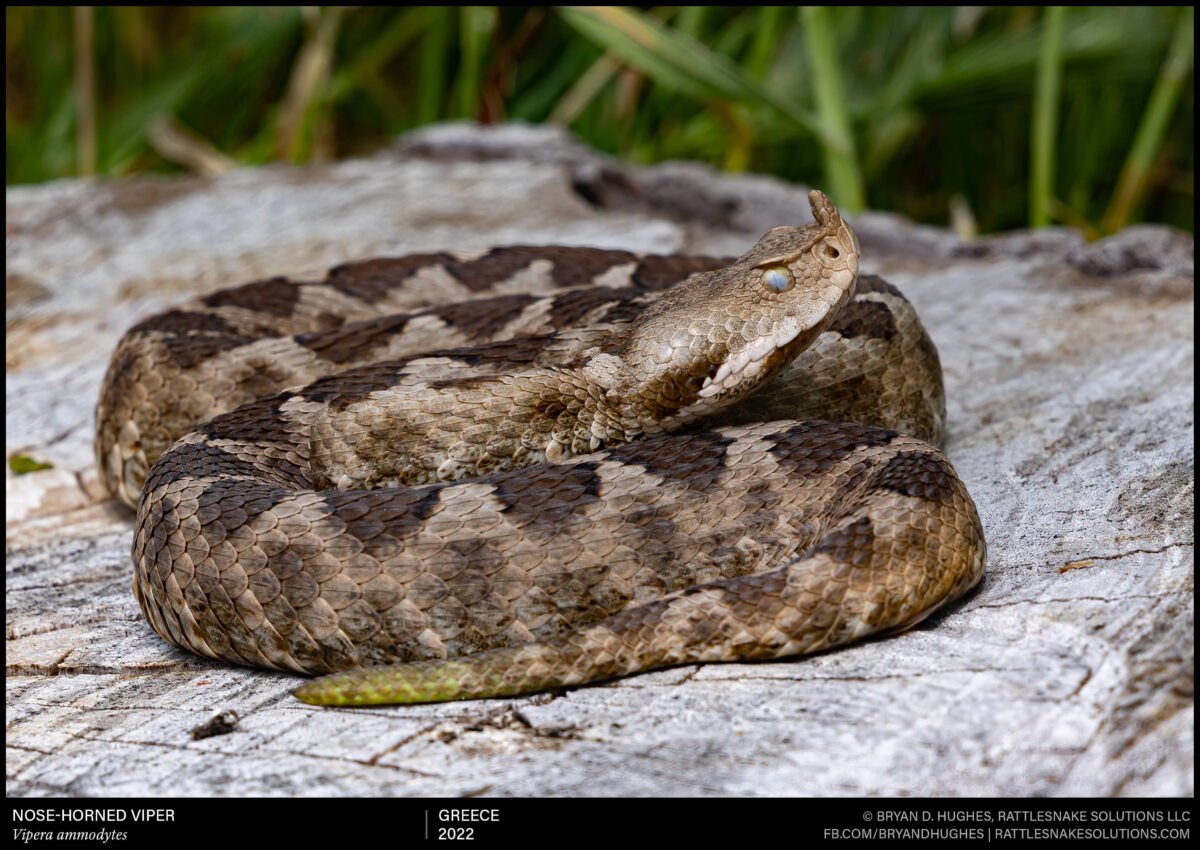

One of many Nose-horned Vipers (Vipera ammodytes) we found in Greece a few years ago. This one is about to shed its skin in coming days, indicated by the clouded eye scale.
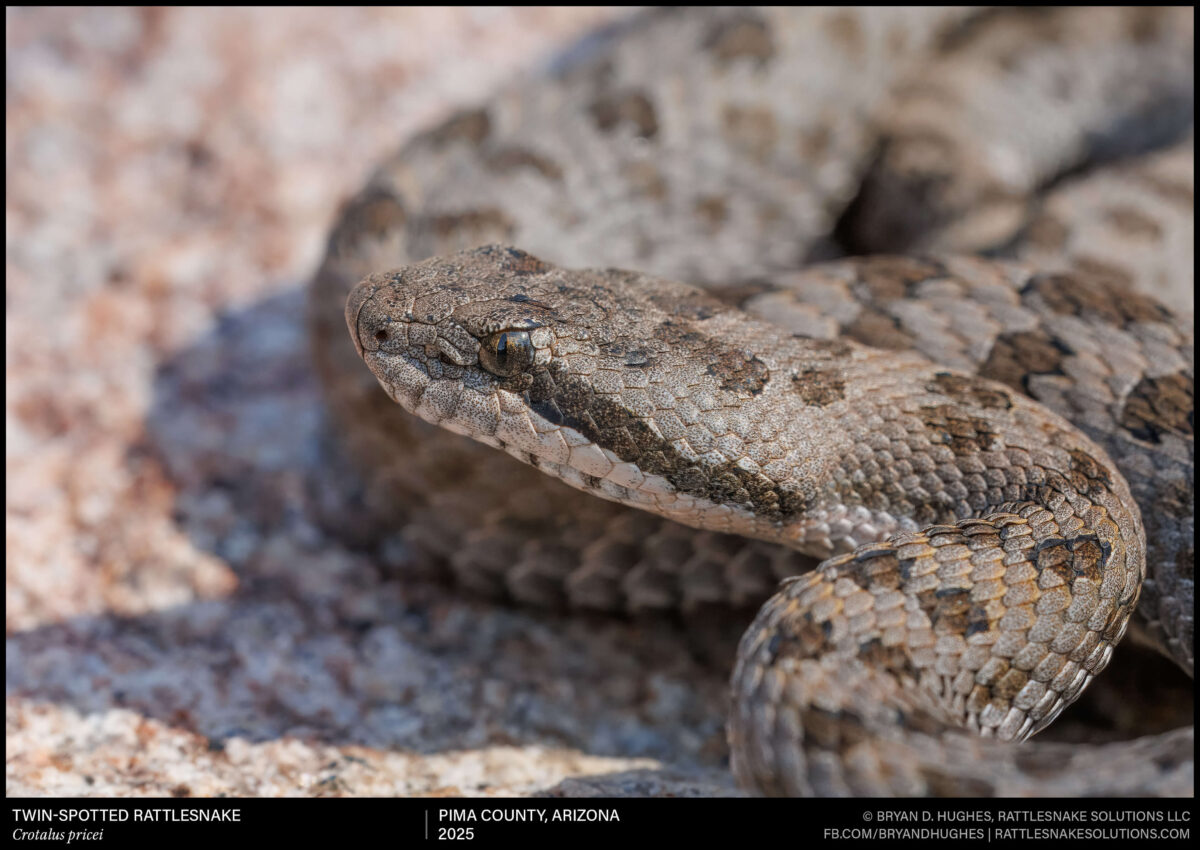
We found this Twin Spotted Rattlesnake high in the mountains of southeastern Arizona. These tiny rattlesnakes are sometimes seen by hikers visiting the sky islands, finding them scurrying off trails at high elevation. They’re usually only around a foot and a half long as adults and quick to exit if anyone shows up – a person would have to really try to be bitten by one.
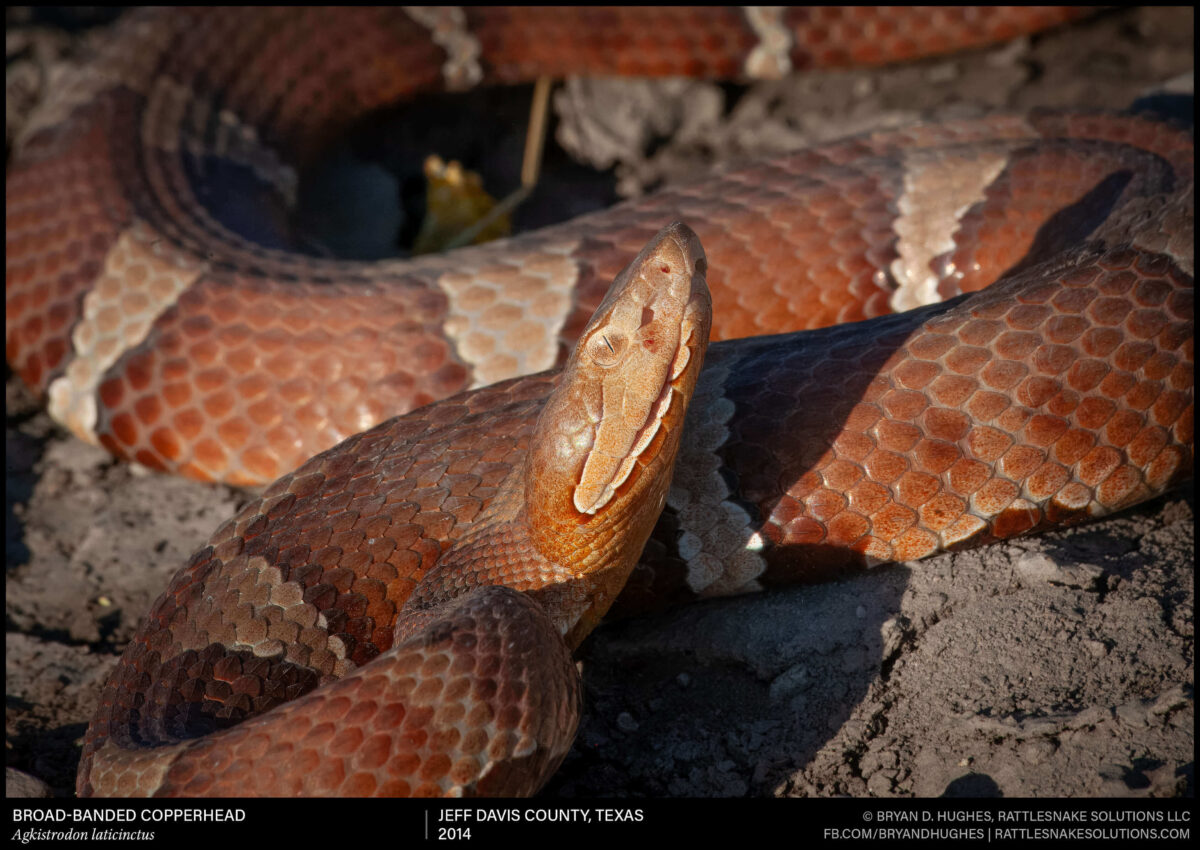
A copperhead from the western edge of their range in Texas.
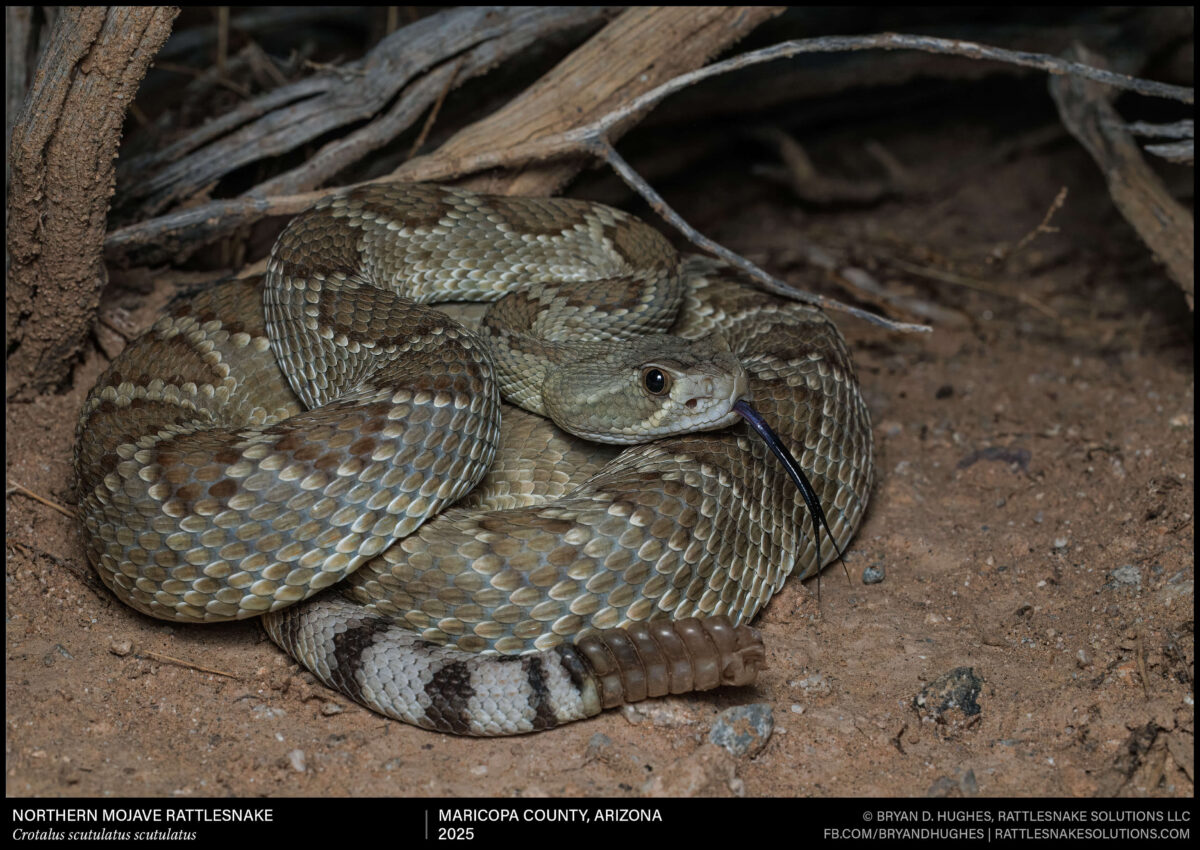
A Mojave Rattlesnake from the Phoenix area. This brown and tan color is typical of this species in the area, though some of the more famously greenish ones do pop up as well. This one follows all the rules, with a clearly visible tail with bands of a roughly 2:1 white to black ratio, half yellow proximal rattle segment, and eye stripe extending beyond the corner of the mouth.
But what people who are very experienced use to identify a snake like this is not any of those features in particular. It’s the overall appearance, or gestalt. The “cleaner”, less speckled and chaotic pattern, slighter and more angular head shape, and outward appearance as a whole just hit as “mojave” in the mind upon sight. This isn’t to say, of course, that the features listed aren’t important, but all can be variable and fail an observer from time to time. It’s worthwhile, once a person has learned to identify these animals reliably based on details, to “zoom out” and look at the whole animal. Eventually, a Mojave Rattlesnake would stand out from similar-looking species in the same way you can likely tell the difference between a yellow lab and a retriever.
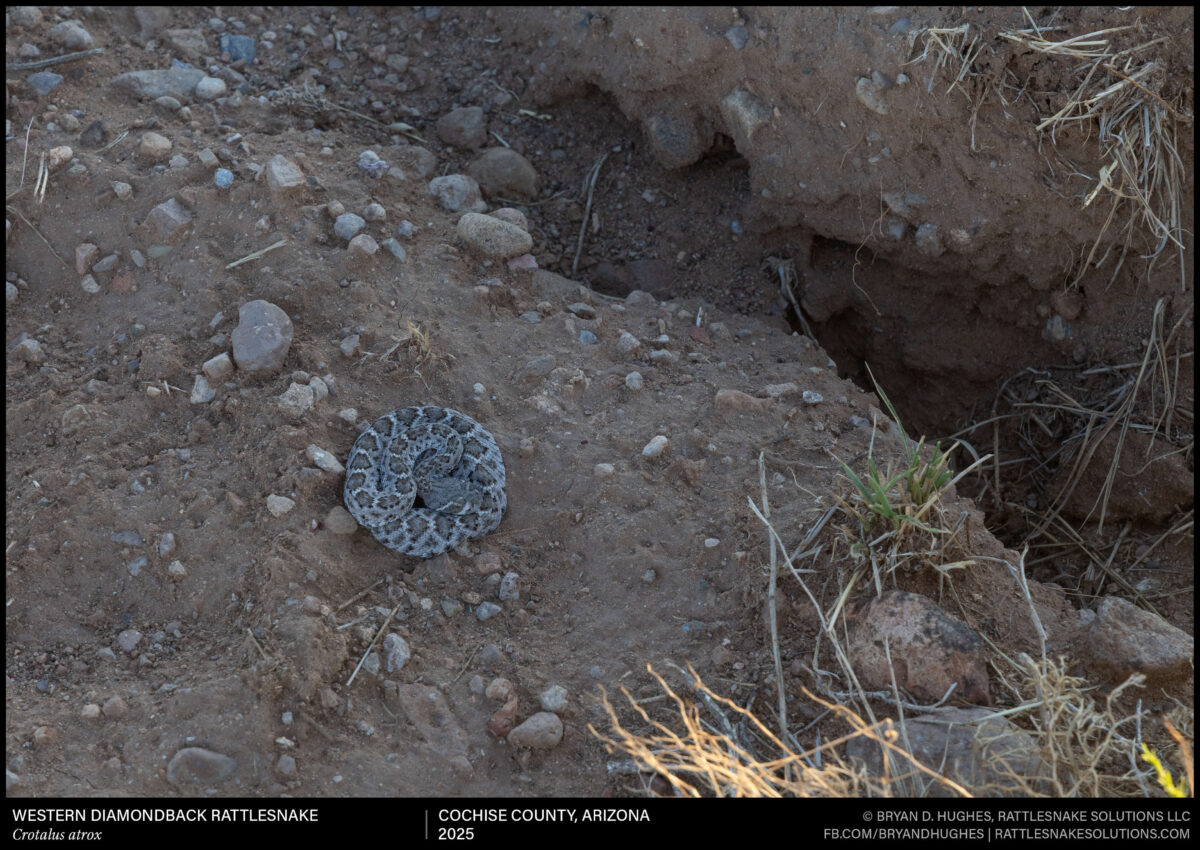
A neonate Western Diamondback Rattlesnake was spotted coiled near the rodent burrow it has been hiding out in during its first weeks of life. This was in July of last year, so it had to have been born pretty early in the season, relatively, to be by itself at that point.
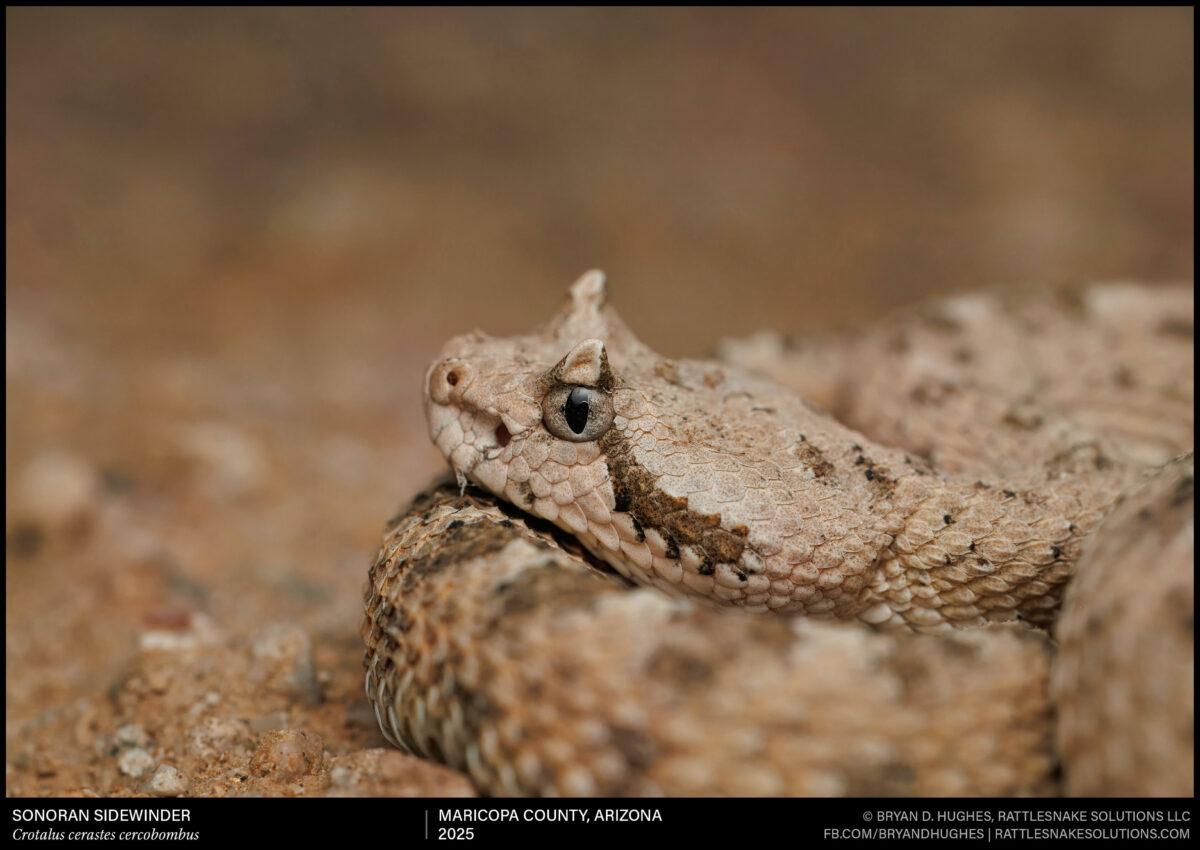
Sonoran Sidewinders are common snakes found in flat, sandy areas of southern Arizona. They used to inhabit nearly the entirety of the Phoenix metro valley, with records below Camelback Mountain and throughout Scottsdale. Of the rattlesnake species in the region, however, they are the first to die out as soon as an area is closed in by roads. This one was found near Phoenix in an area where they are still common, but future development will change that dramatically, soon.
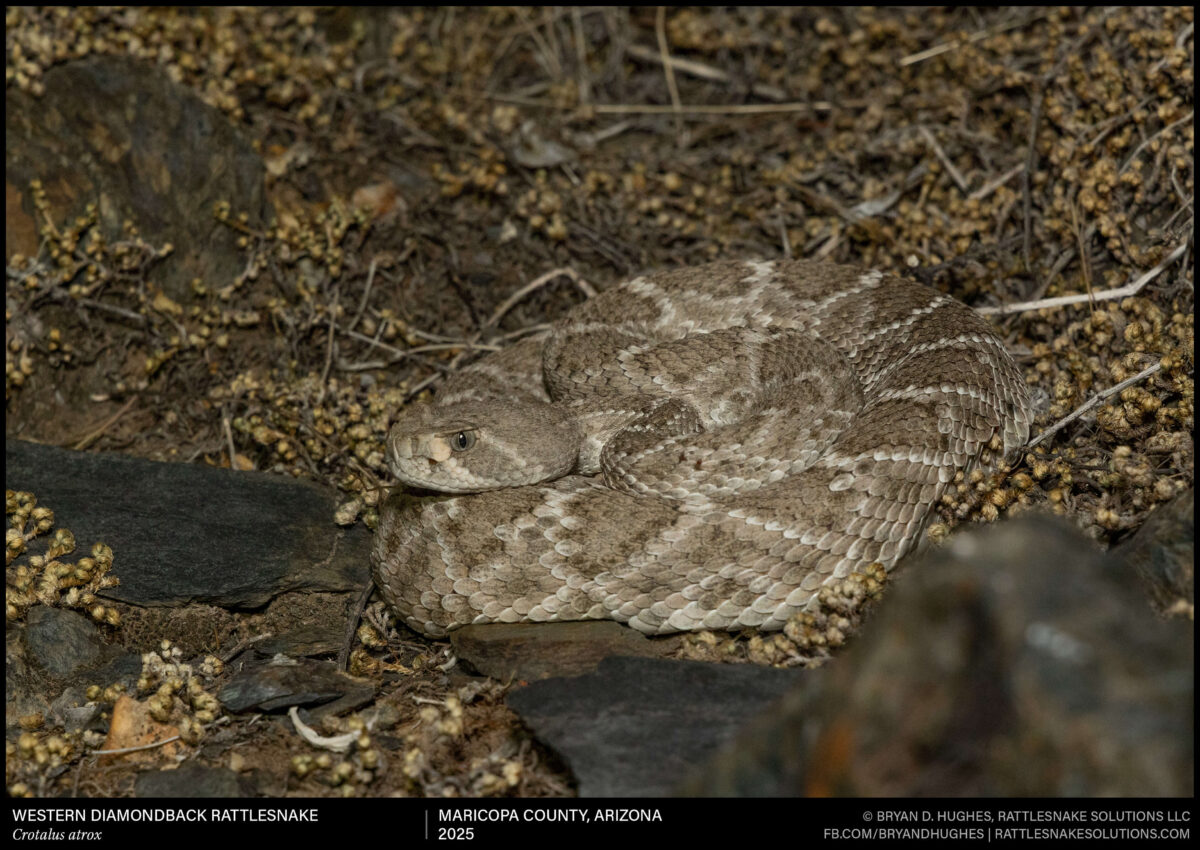
A Western Diamondback Rattlesnake I found in ambush on a late-night hike in a desert canyon. When it’s hot, these snakes are mostly nocturnal, only seeing daylight shortly after sunup for much of the summer.
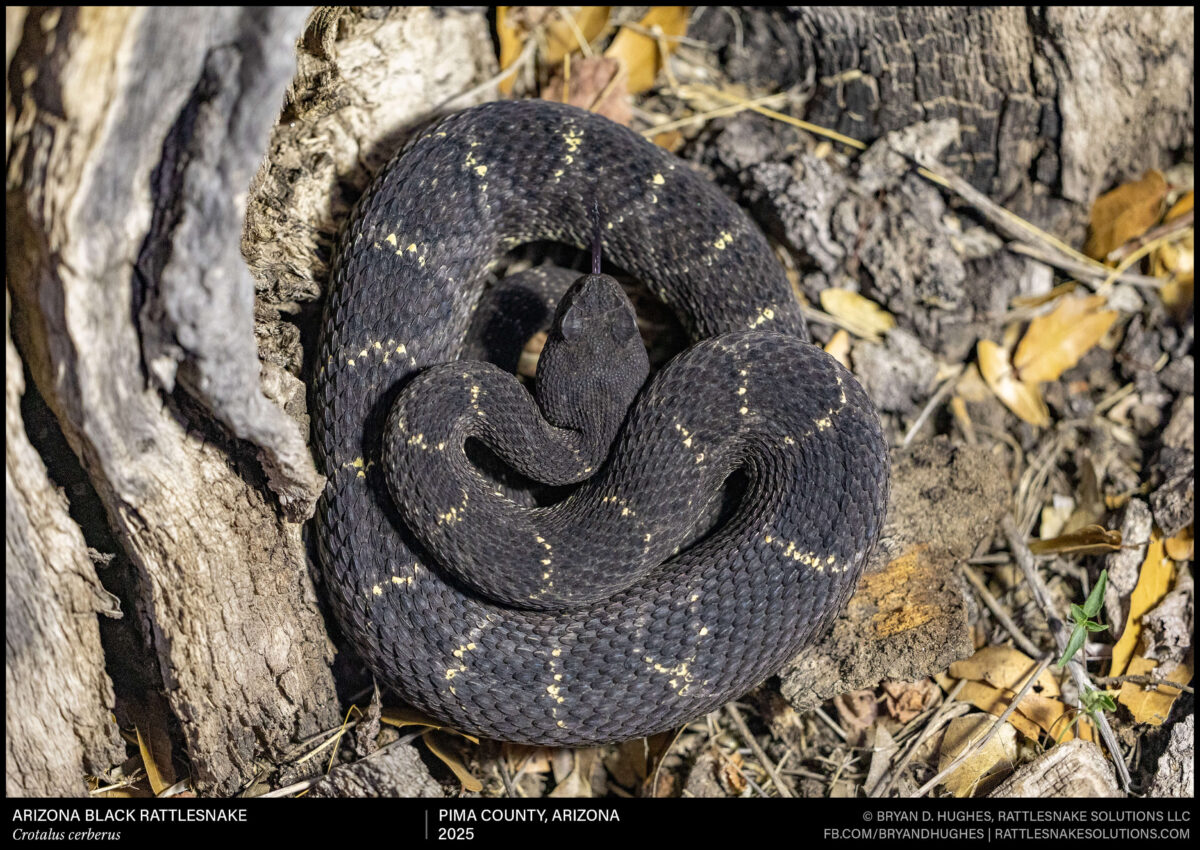
An Arizona Black Rattlesnake from southern Arizona. Even though I’m only in this location once or twice each year, I have seen this one several times over the last decade. There’s a small rock pile next to a log that it spends much of the summer making small movements around, and it was good to see it again as a little bit older, larger version of the last sighting a few years prior.
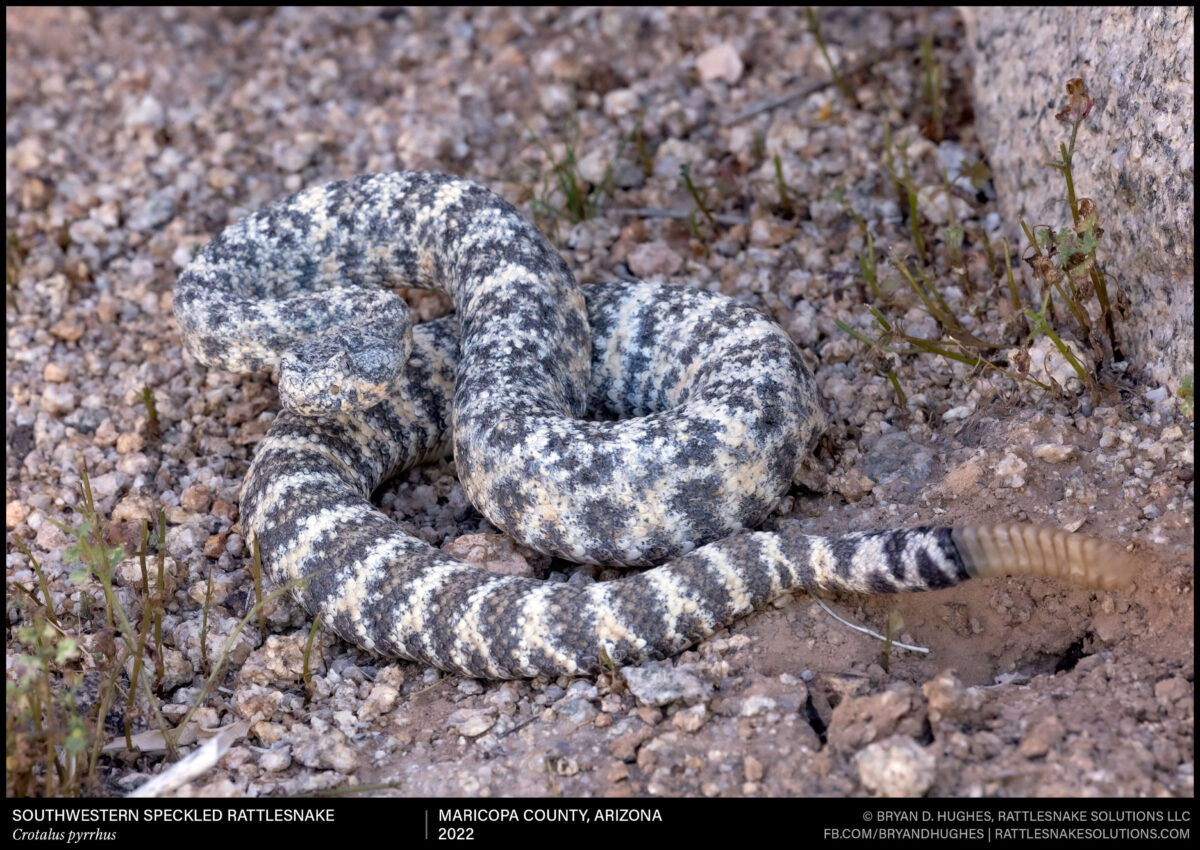
A Southwestern Speckled Rattlesnake from the Phoenix area. This species of snake has a huge gamut of colors and patterns possible throughout its range. Even within relatively nearby locales, it can be extreme. Just about ten miles from where this snake lives, they are red or orange.
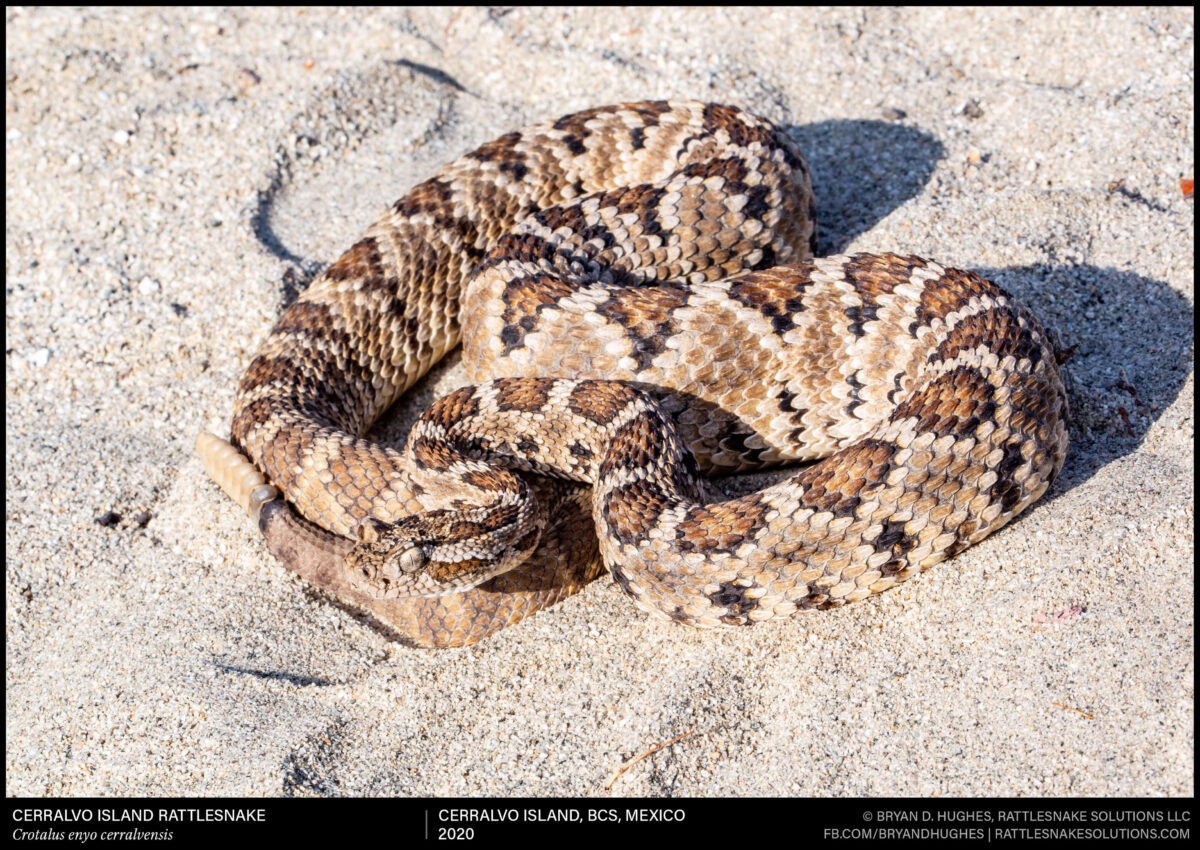
Cerralvo Island Rattlesnake from Baja California Sur, Mexico several years ago. There are a couple of species of rattlesnakes on this island, both of which can be found even down on the beach, in ambush alongside seashells and dolphin bones.