New Mexico Ridgenosed Rattlesnake (Crotalus willardi obscurus) from a survey several years ago.

New Mexico Ridgenosed Rattlesnake (Crotalus willardi obscurus) from a survey several years ago.

A Banded Rock Rattlesnake in the southeastern corner of Arizona. These are small rattlesnakes that tend to buzz and dive into rocks when seen.
Surprisingly, for as common as they are, discussion with local ranchers is usually met with a “huh?” when describing or showing photos of them.

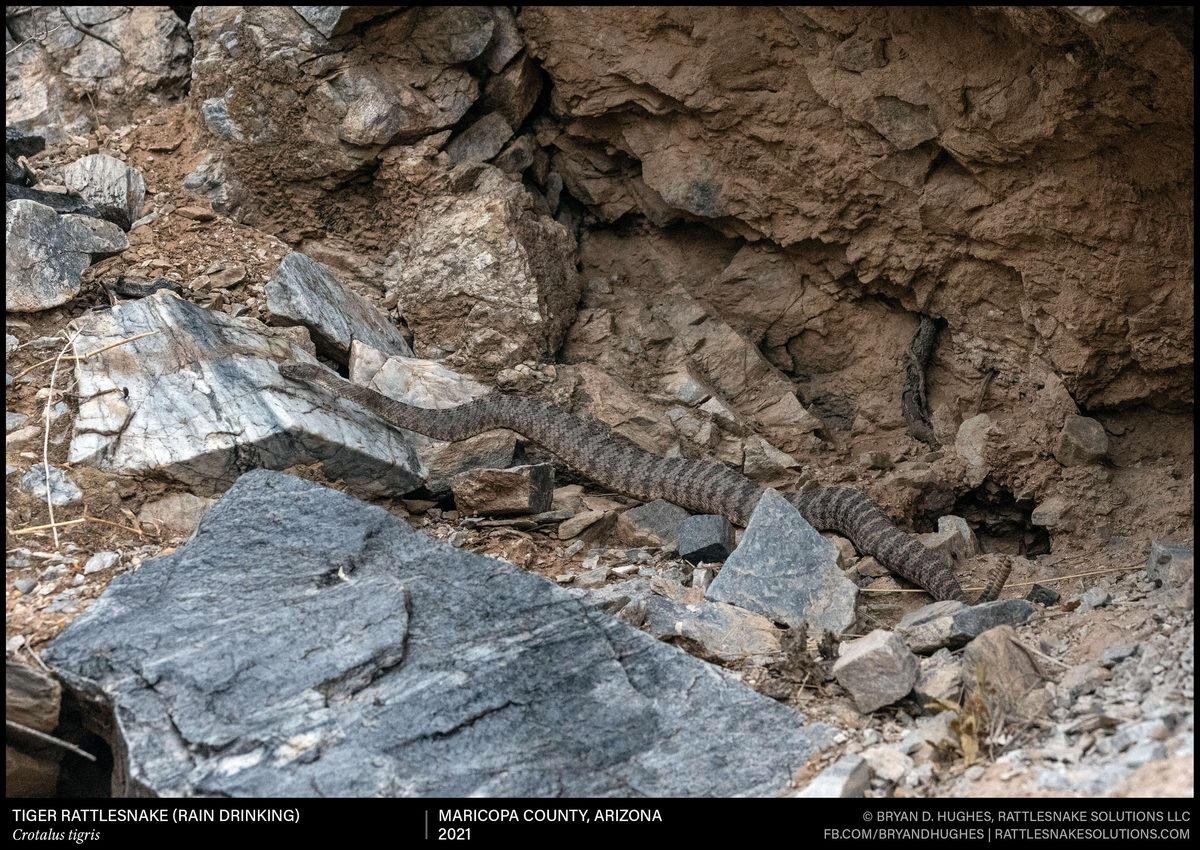
A Tiger Rattlesnake found in a very heavily visited park. This old snake is one of just a handful of Tiger Rattlesnakes that are known to remain in the park, and likely is very good at evading detection by hikers. This deconstructed, purple-ish tone look is typical for the species in the area. It now carries a PIT tag that will confirm its identity on future sightings.

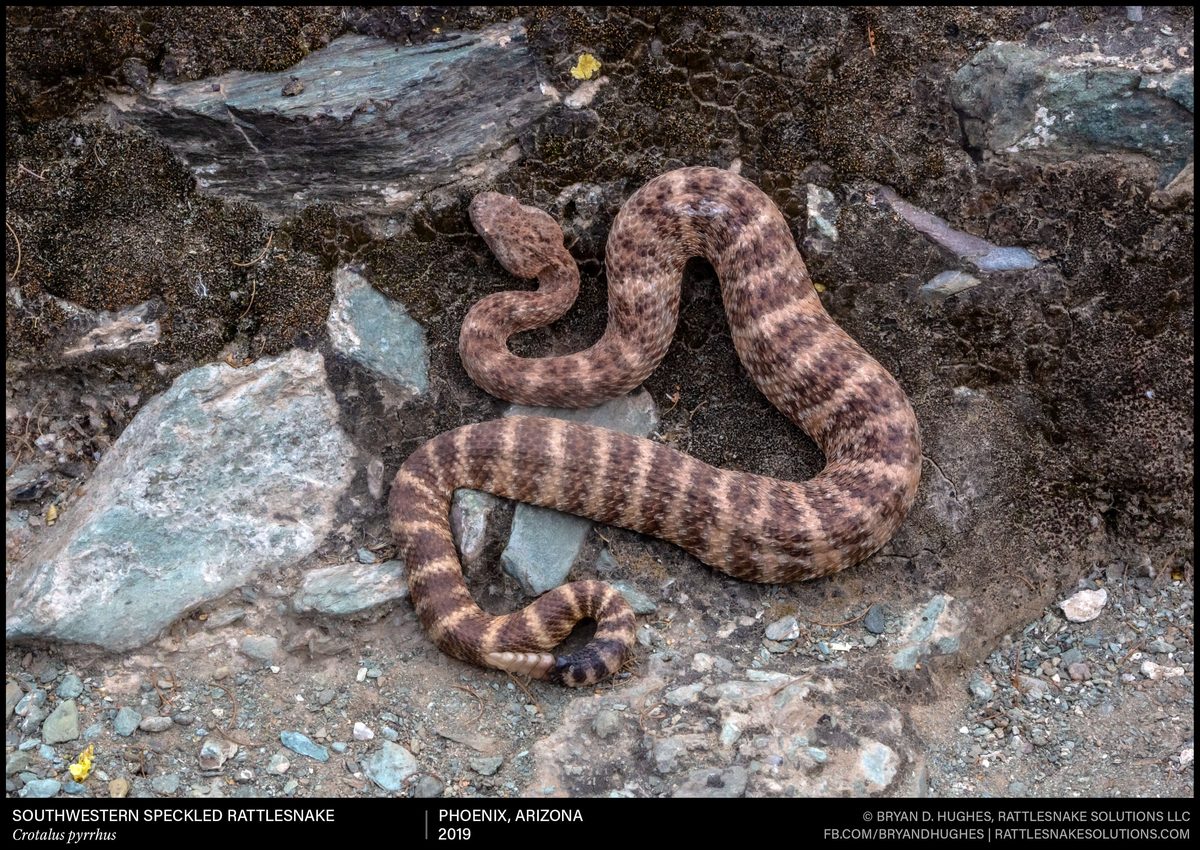
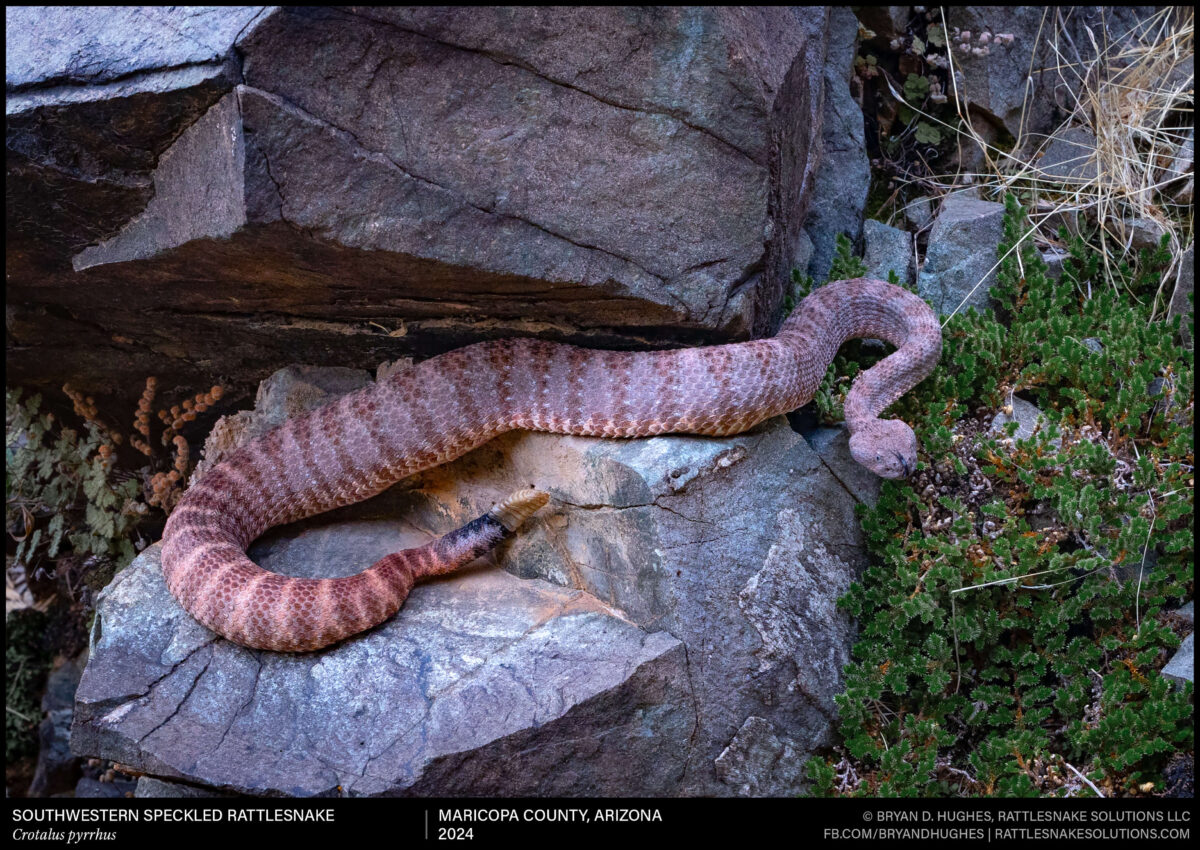
Southwestern Speckled Rattlesnakes (Crotalus pyrrhus) are some of the most cryptic snakes in the country. This white one isn’t an albino, but is showing off its natural color against the white granite in the environment where it lives.

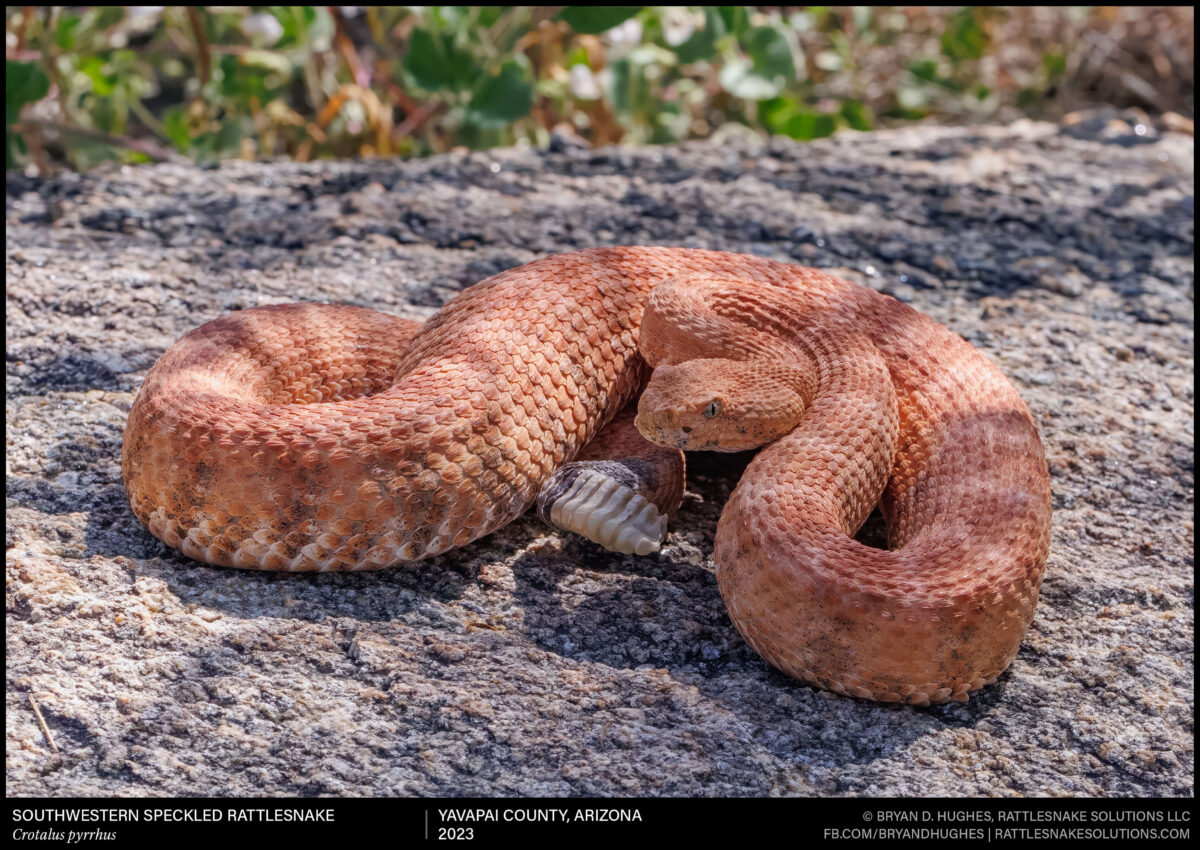
A bright orange and pink Southwestern Speckled Rattlesnake we found in Yavapai County, Arizona several years ago, photographed in the last light of the day. These snakes look just like the rock they’re found near, so the iron-rich boulders where this one is from make for a very pretty animal.

A young Grand Canyon Rattlesnake I found near its namesake a little over a decade ago. As this snake matures, the clean pattern of its head and body will fade and degrade to a series of dark splotches and smudges against a simple background.

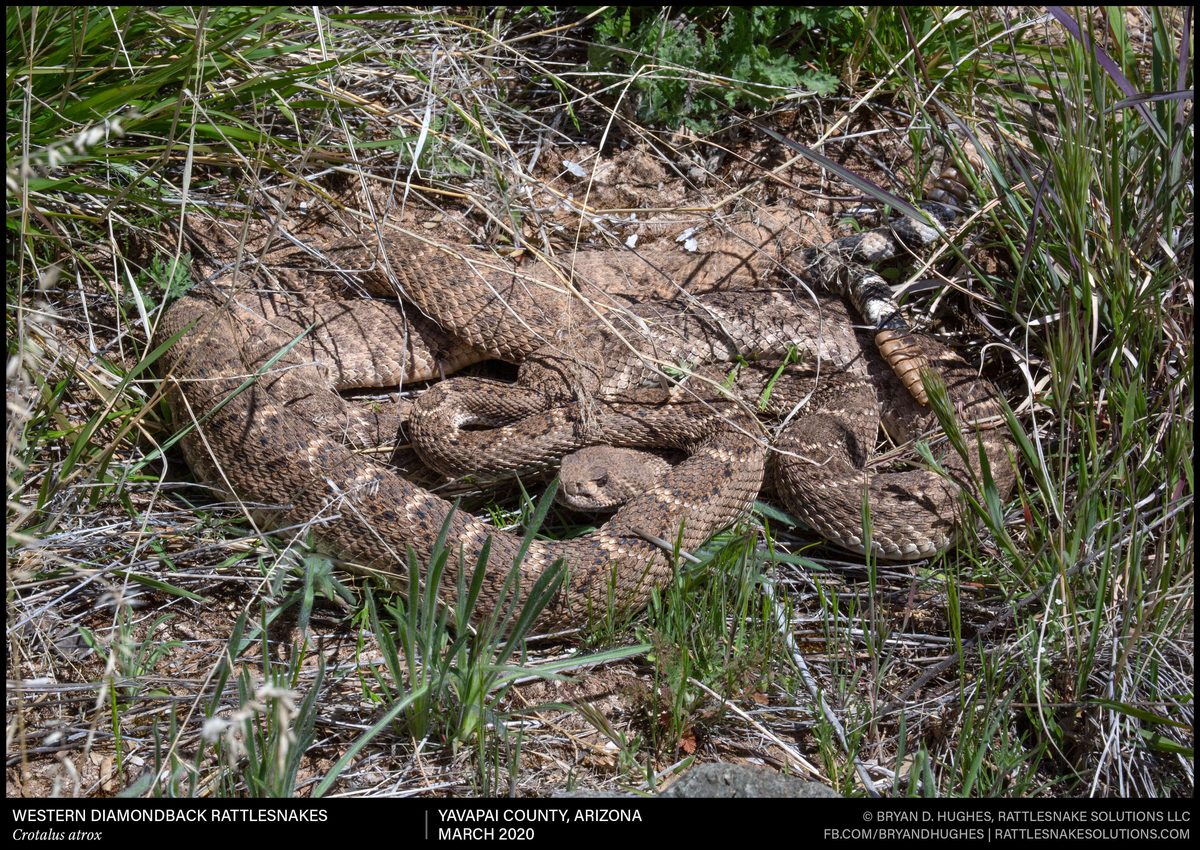
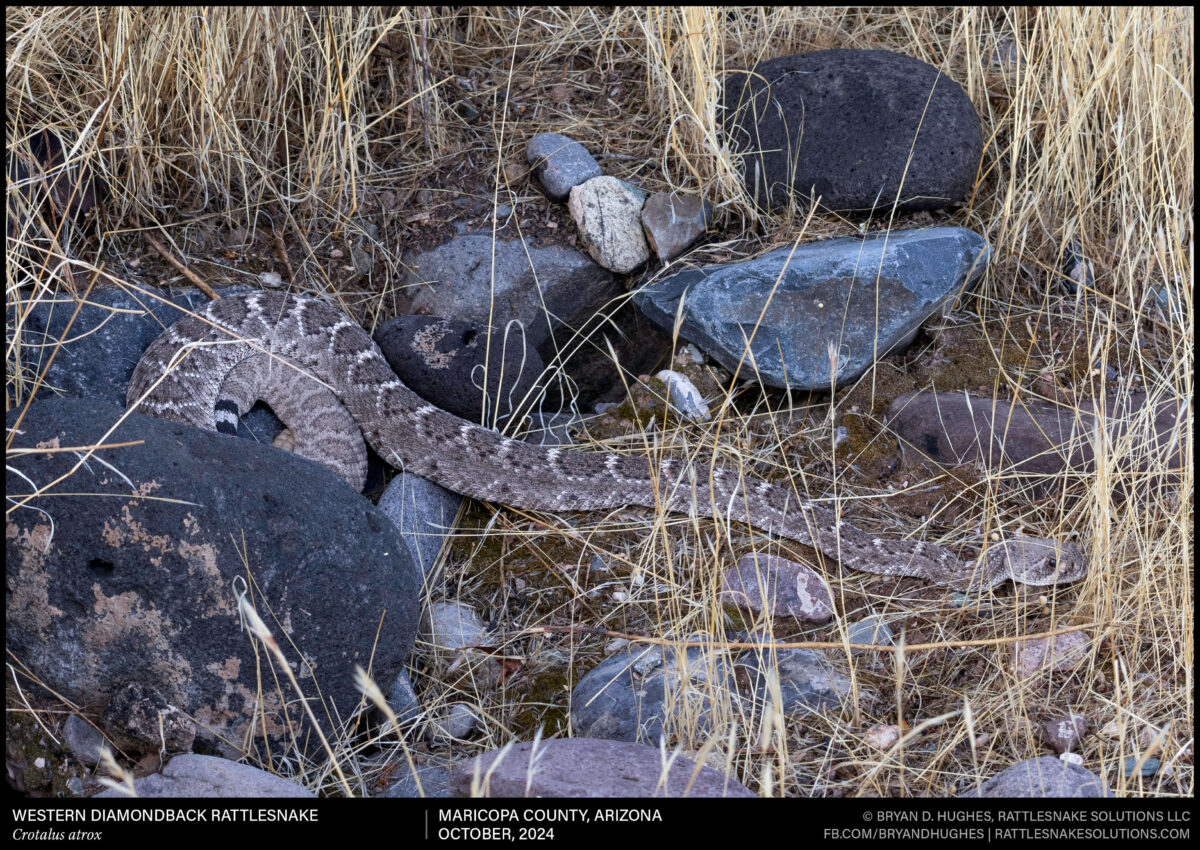
We saw this Western Diamondback Rattlesnake resting high on a ledge, just below a crevice where at least one other was resting.

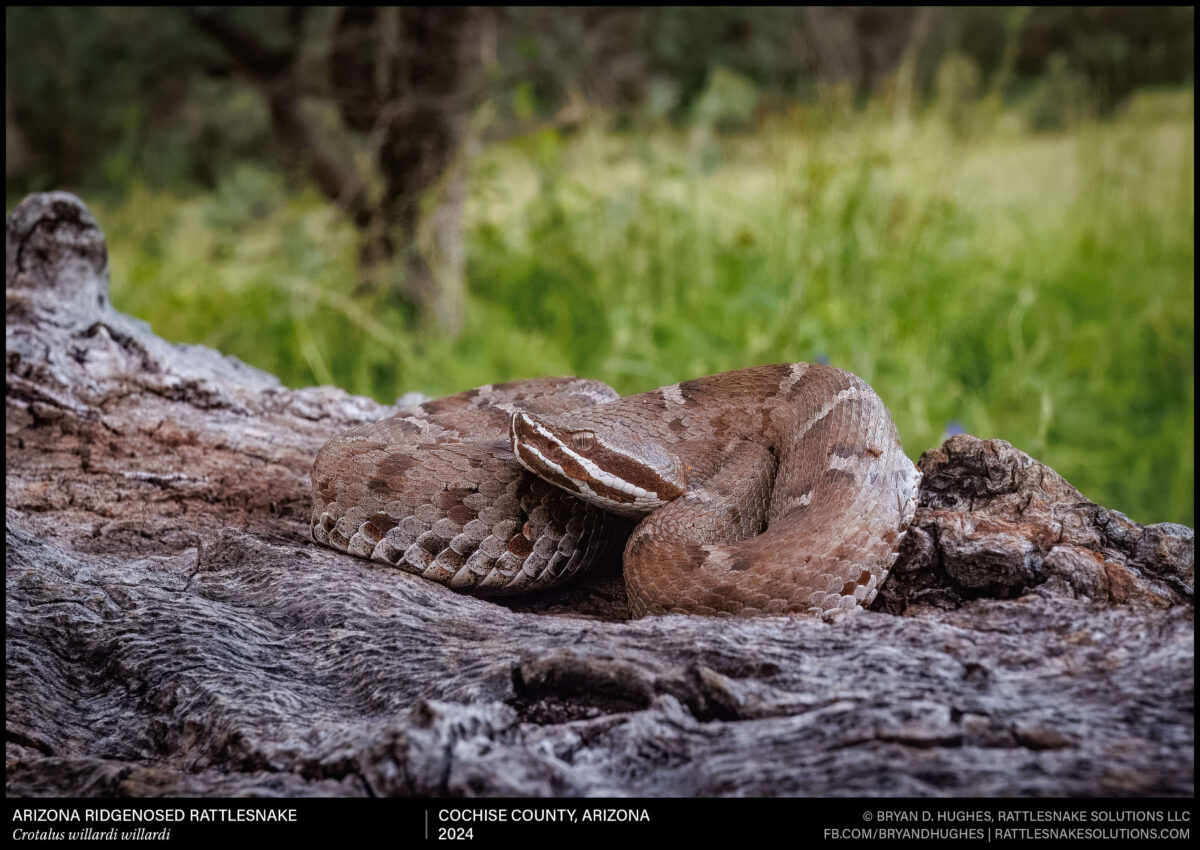
Arizona Ridgnosed Rattlesnakes are common in a few mountain ranges in southeastern Arizona, but not found in the desert environments where most people live. They are usually seen by hikers and wildlife observers in the daytime, but often found moving at night as well.

We found this Twin Spotted Rattlesnake high in the mountains of southeastern Arizona. These tiny rattlesnakes are sometimes seen by hikers visiting the sky islands, finding them scurrying off trails at high elevation. They’re usually only around a foot and a half long as adults and quick to exit if anyone shows up – a person would have to really try to be bitten by one.

A Mojave Rattlesnake from the Phoenix area. This brown and tan color is typical of this species in the area, though some of the more famously greenish ones do pop up as well. This one follows all the rules, with a clearly visible tail with bands of a roughly 2:1 white to black ratio, half yellow proximal rattle segment, and eye stripe extending beyond the corner of the mouth.
But what people who are very experienced use to identify a snake like this is not any of those features in particular. It’s the overall appearance, or gestalt. The “cleaner”, less speckled and chaotic pattern, slighter and more angular head shape, and outward appearance as a whole just hit as “mojave” in the mind upon sight. This isn’t to say, of course, that the features listed aren’t important, but all can be variable and fail an observer from time to time. It’s worthwhile, once a person has learned to identify these animals reliably based on details, to “zoom out” and look at the whole animal. Eventually, a Mojave Rattlesnake would stand out from similar-looking species in the same way you can likely tell the difference between a yellow lab and a retriever.