Cerralvo Island Rattlesnake from Baja California Sur, Mexico several years ago. There are a couple of species of rattlesnakes on this island, both of which can be found even down on the beach, in ambush alongside seashells and dolphin bones.
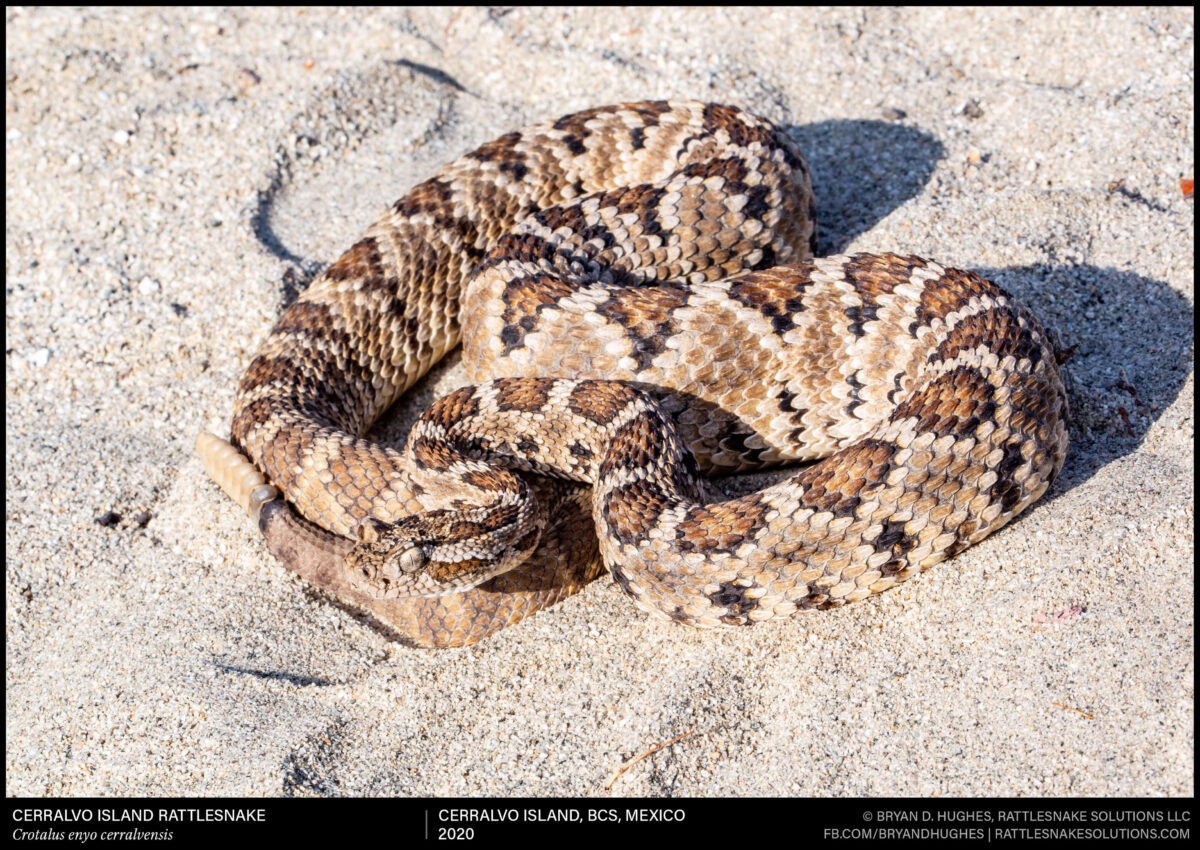

Cerralvo Island Rattlesnake from Baja California Sur, Mexico several years ago. There are a couple of species of rattlesnakes on this island, both of which can be found even down on the beach, in ambush alongside seashells and dolphin bones.
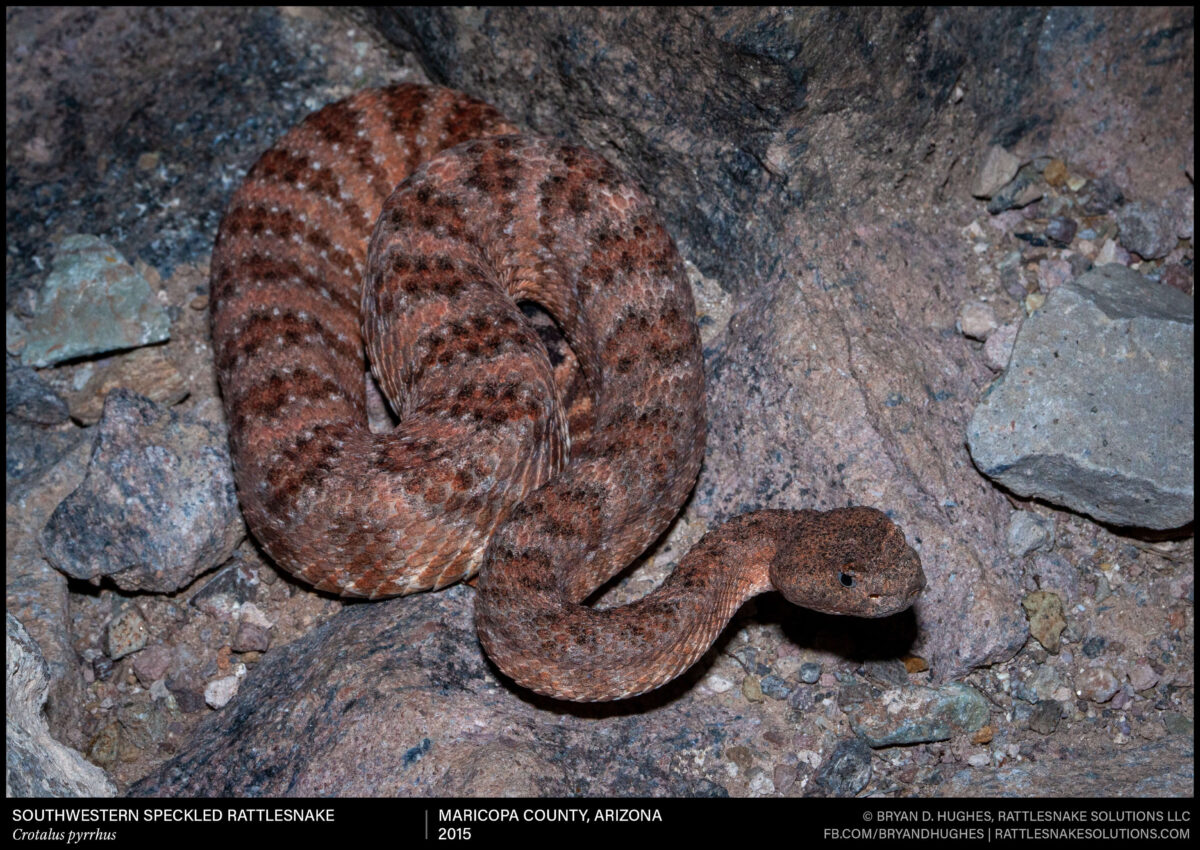
A Southwestern Speckled Rattlesnake from the Phoenix area. In some locations, they can be a pretty brick red like this one. These are the second most commonly encountered rattlesnake by hikers in the central Phoenix parks.
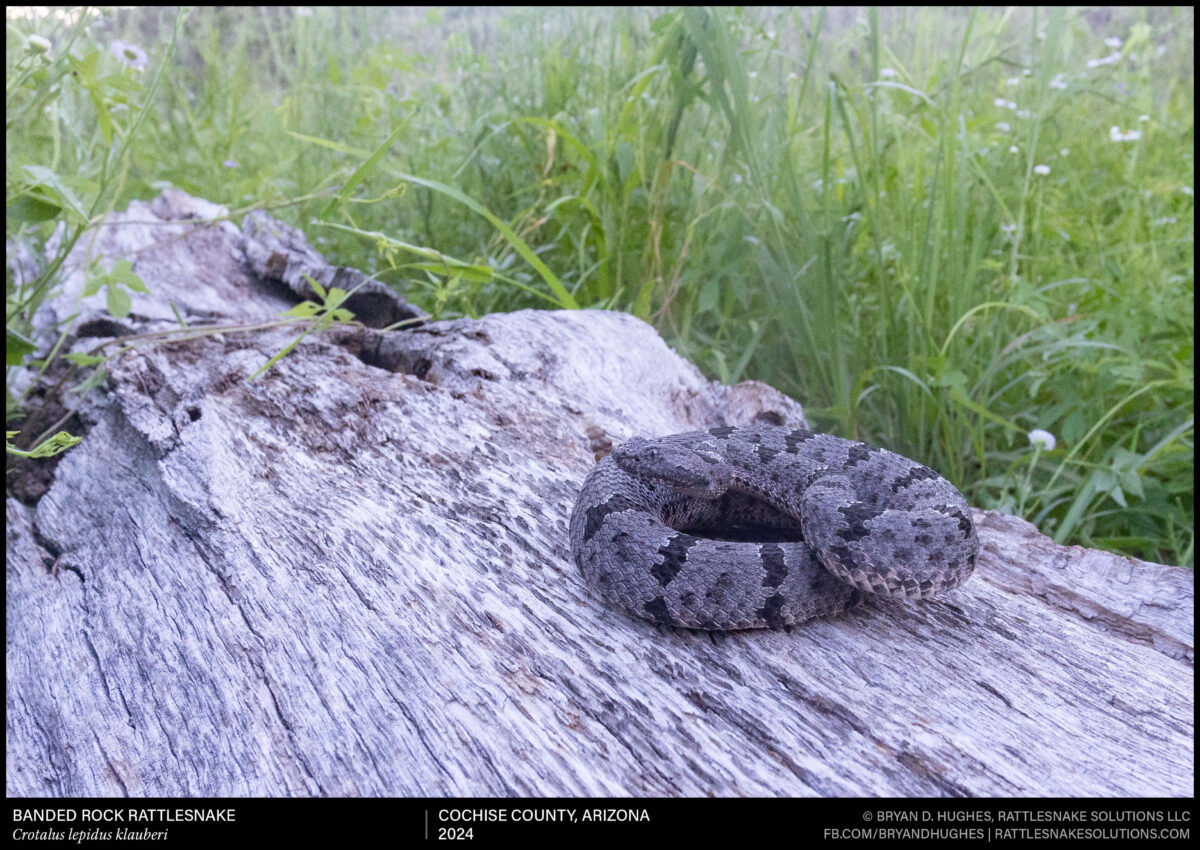
A Banded Rock Rattlesnake from southeastern Arizona. These snakes are typically quick to rattle and flee into cover. But due to their small size, it can sound more like an insect than a rattlesnake. Despite being common and locally abundant, there is little chance of an accidental bite to anyone not purposely trying to capture one.
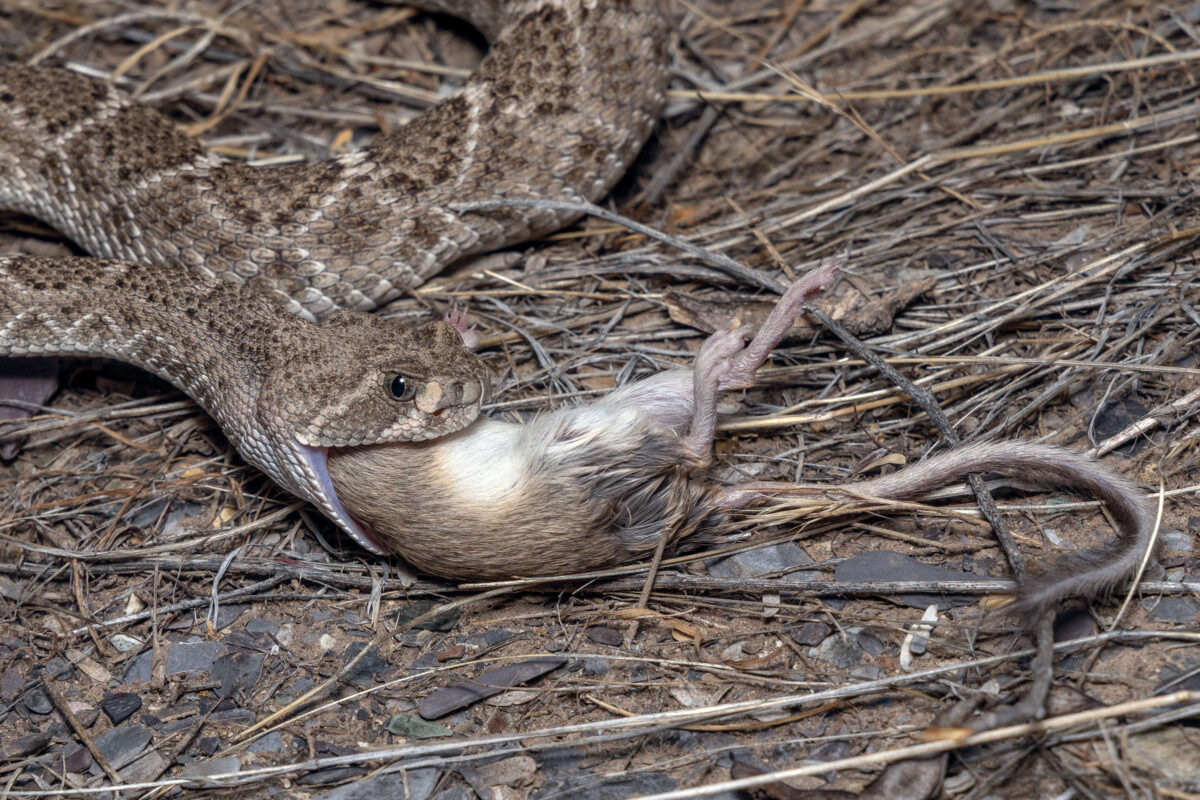
A Western Diamondback Rattlesnake I found eating a rodent. Which order of these animals do you think kills more people in any given year in the US?
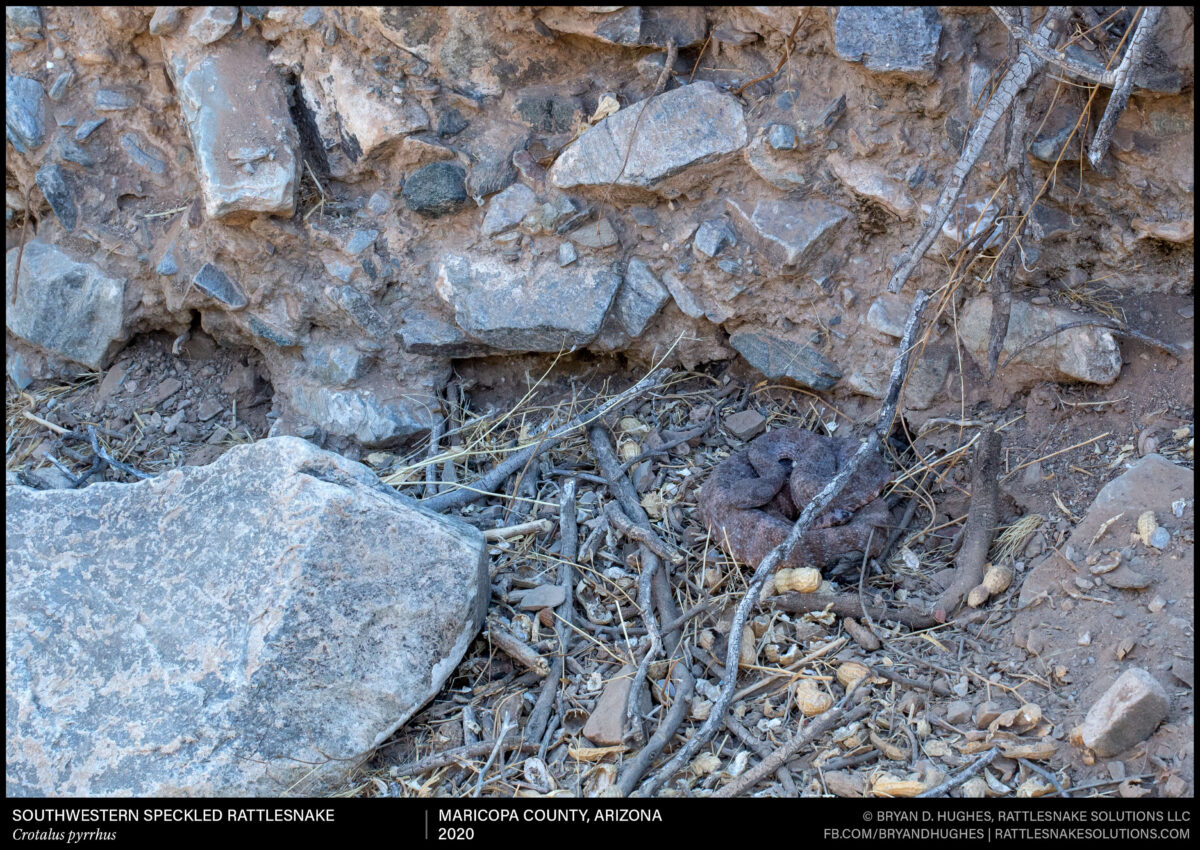
A Southwestern Speckled Rattlesnake hanging out in a drainage, as it does about every morning, during the lethally hot period of Arizona summer. For much of the year, rattlesnakes are largely nocturnal, encountered by hikers and homeowners only just after sunup and again after dark.
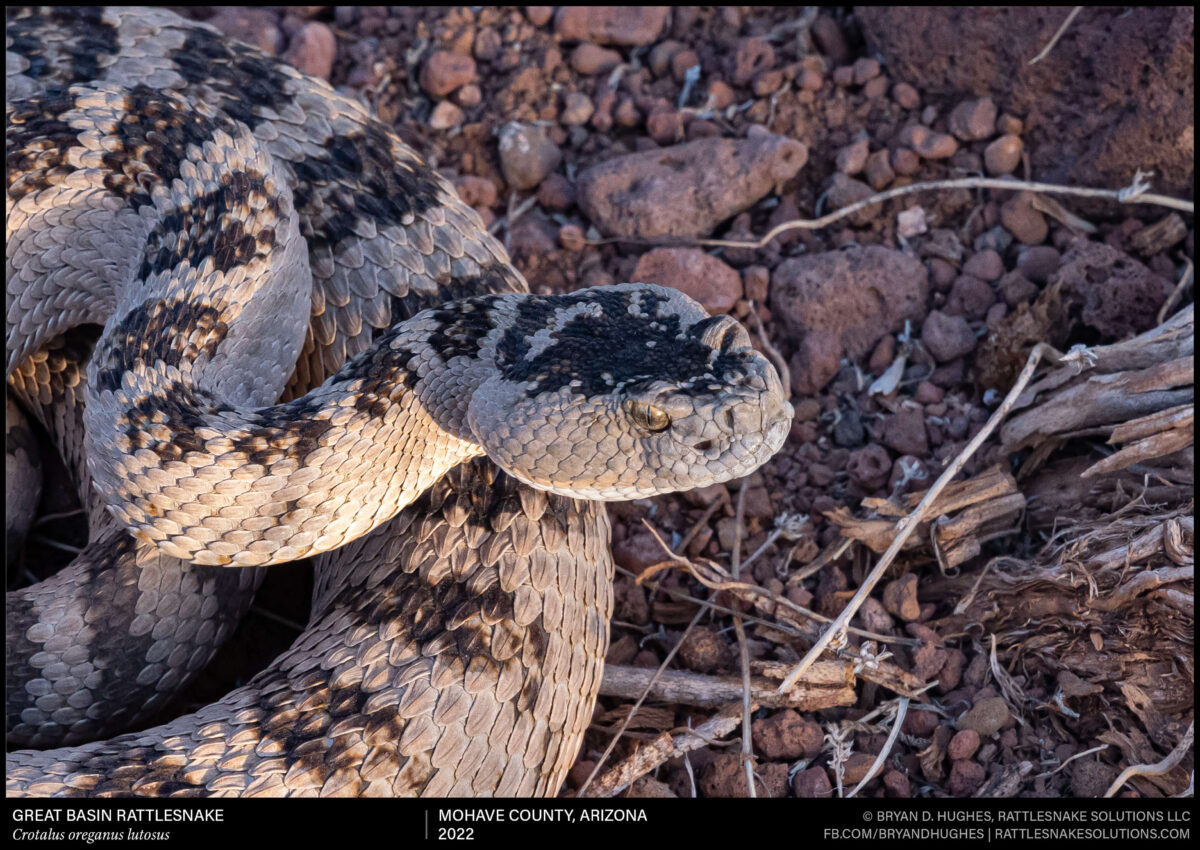
A Great Basin Rattlesnake from one of the most remote areas of northwestern Arizona … the kind of place that sees more low flying helicopters than trucks. These snakes, as juveniles, have crisp lines and blotches that look similar to other rattlesnakes of the Western Rattlesnake complex. As they mature, however, the pattern often disintegrates into these messy blotches.
Out in the complete darkness of the full Amazonian canopy, a South American Bushmaster. It’s the largest and oldest of the New World Pitvipers, and a dream sighting for anyone into snakes. This photo is a flash misfire, but I like how it feels – this is a better idea of how this animal spends most of its time. Coiled in between buttresses and low vegetation, waiting for something to come through that won’t see it. Also a reminder to walk slowly, and be sure of every step.

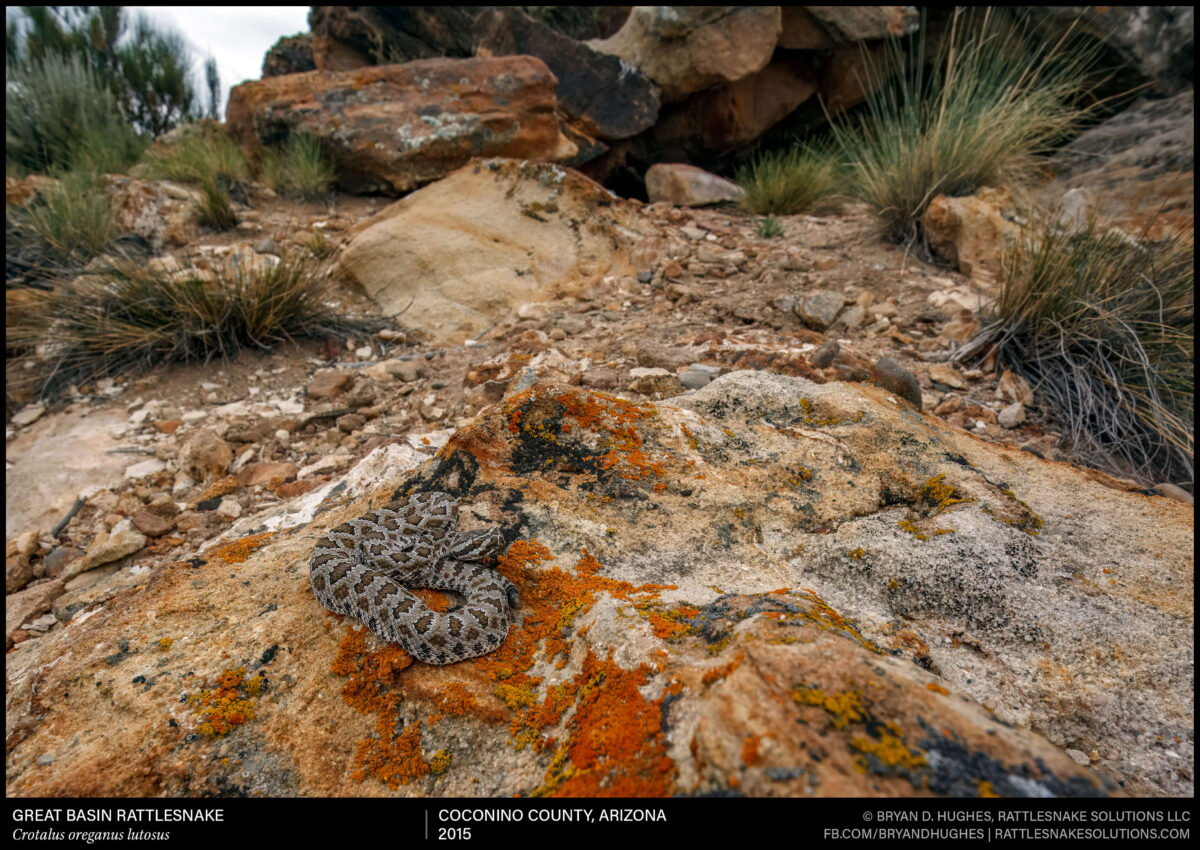
We found this little Great Basin Rattlesnake in extreme northern Arizona. The Great Basin Desert is one of FOUR desert regions that converge in Arizona, each bringing diversity of rattlesnakes and other wildlife to the state. If you’re ever wondering why Arizona has more rattlesnakes than anywhere else, that single fact is a major factor.
A bright white and silver Speckled Rattlesnake from a desert boulder field in Baja California Norte, Mexico. This is among my personal favorite phenotypes of a very diverse species.

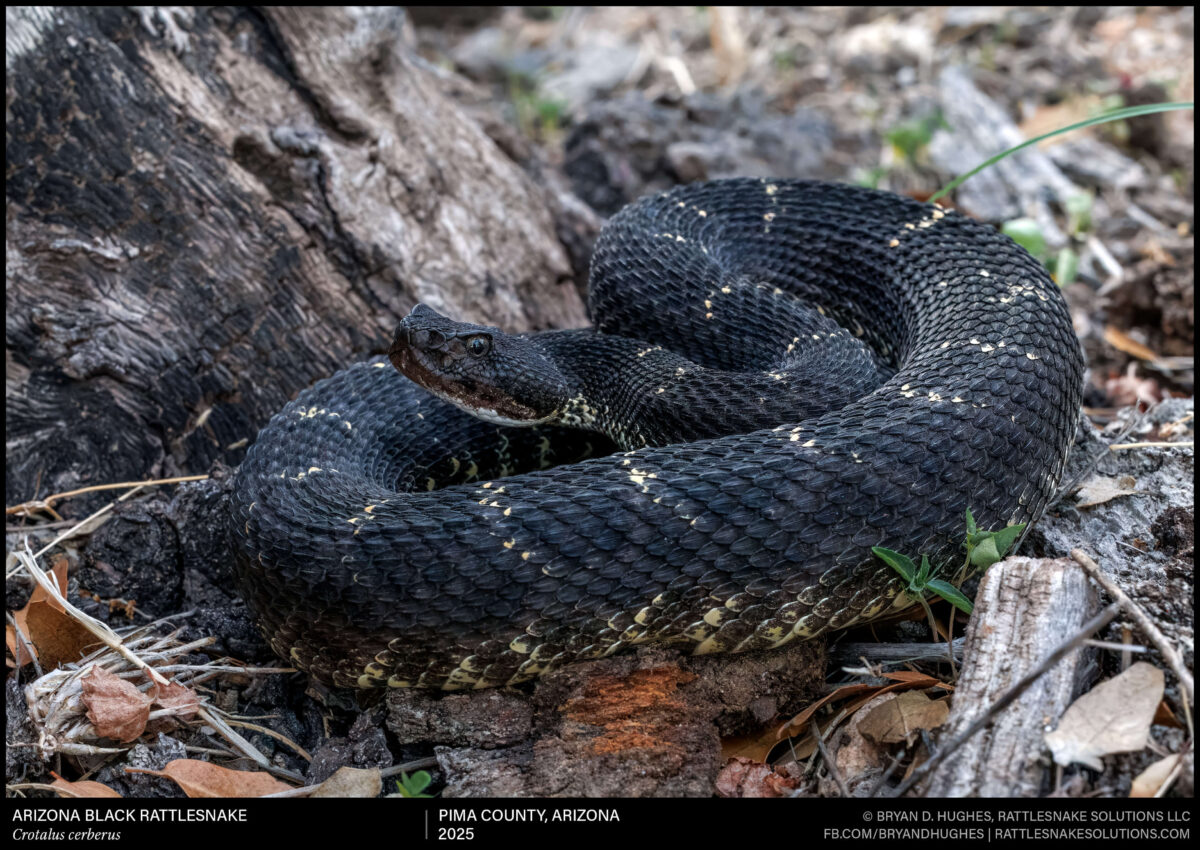
An Arizona Black Rattlesnake found in mid-elevation oak woodland near Tucson. This species of rattlesnake can change color in a relatively short amount of time, often appearing much lighter and heavily patterned at night, and transitioning to this inky black in the light. Other factors, such as social interactions and mood may also affect this shift.
These snakes are highly prized by collectors and quite a few leave this particular area in bags each year, often headed for illegal breeding and sale elsewhere in the US.