A pretty little Arizona Ridgenosed Rattlesnake from a humid week in southeastern Arizona.
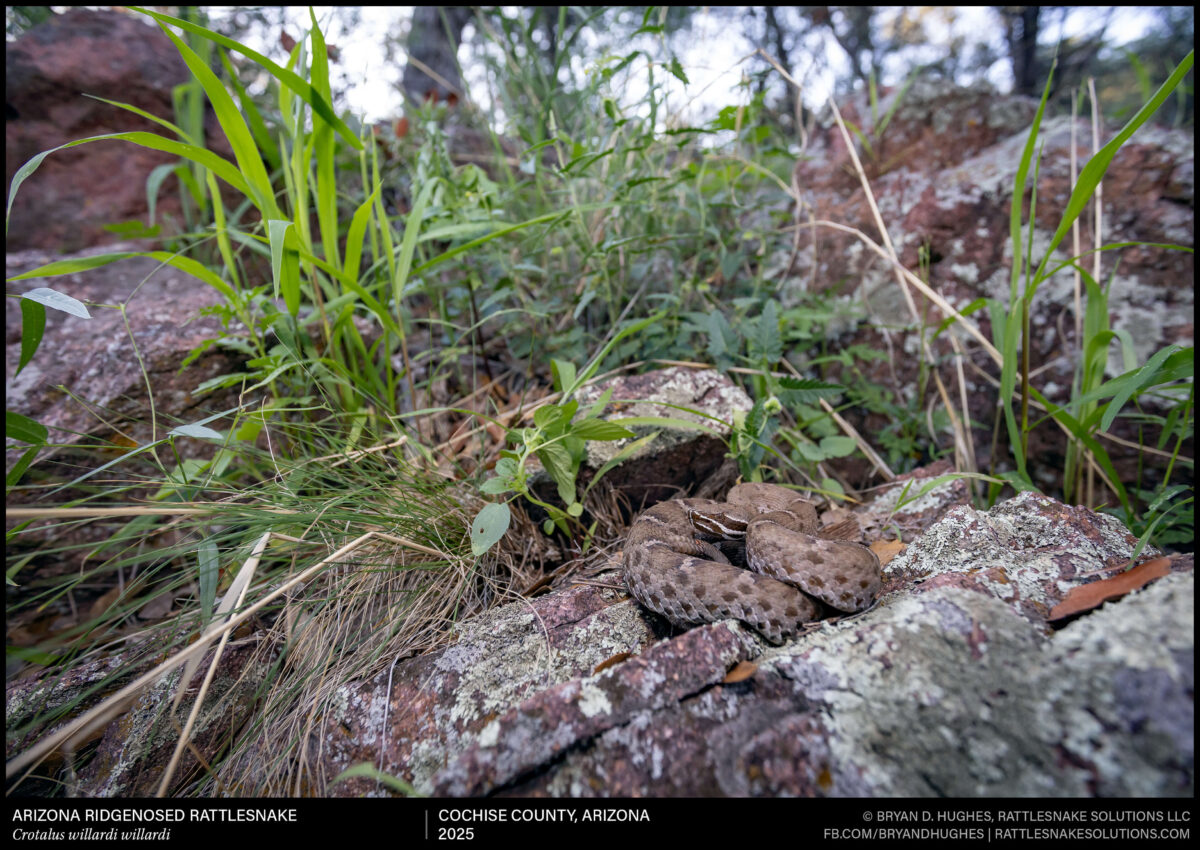

A pretty little Arizona Ridgenosed Rattlesnake from a humid week in southeastern Arizona.
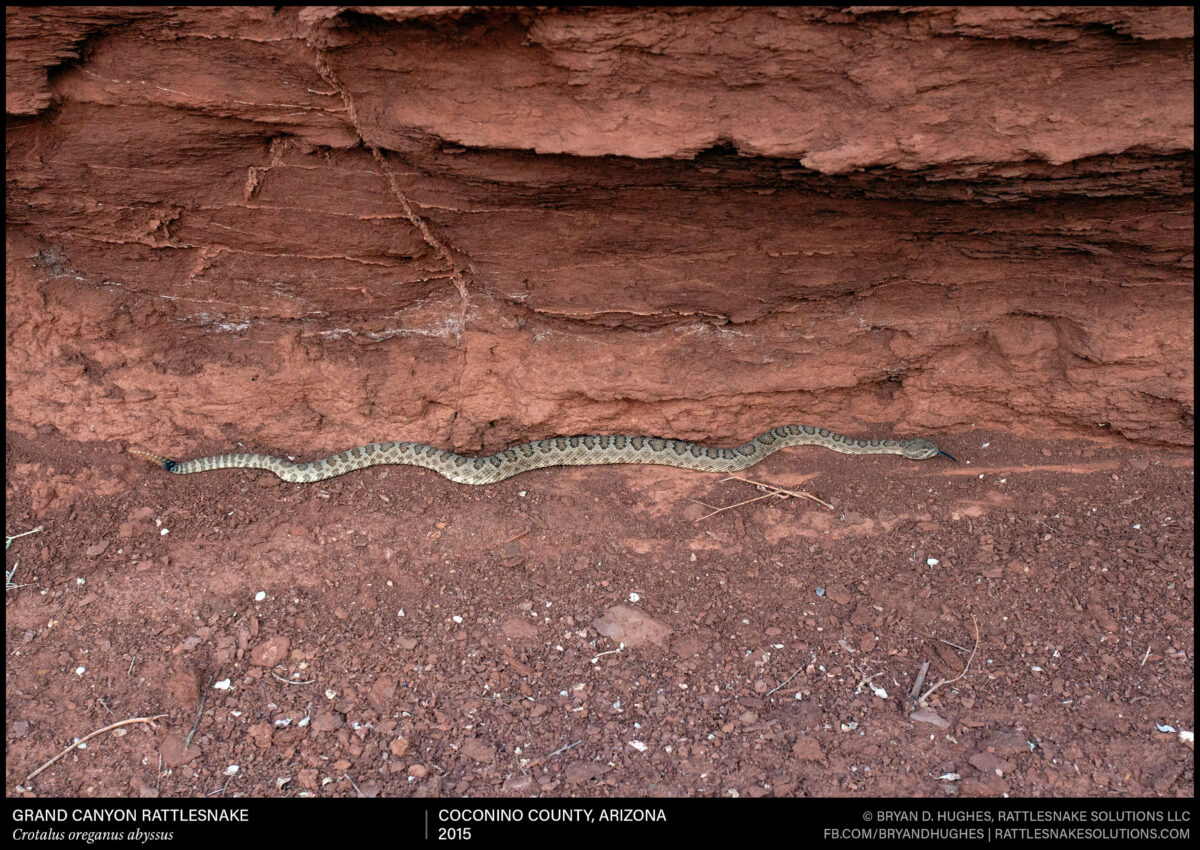
A Grand Canyon Rattlesnake we found near its namesake a while back. This is what many refer to as the “Grand Canyon Pink”, though they are often, or usually, not pink, but this straw color or similar. The pattern here is strong, as is often typical in males and younger snakes, but may fade with time. In parts of the canyon, too, there are Speckled Rattlesnakes which may also be pink, so the “pink rattler” of the canyon can be a misleading concept.
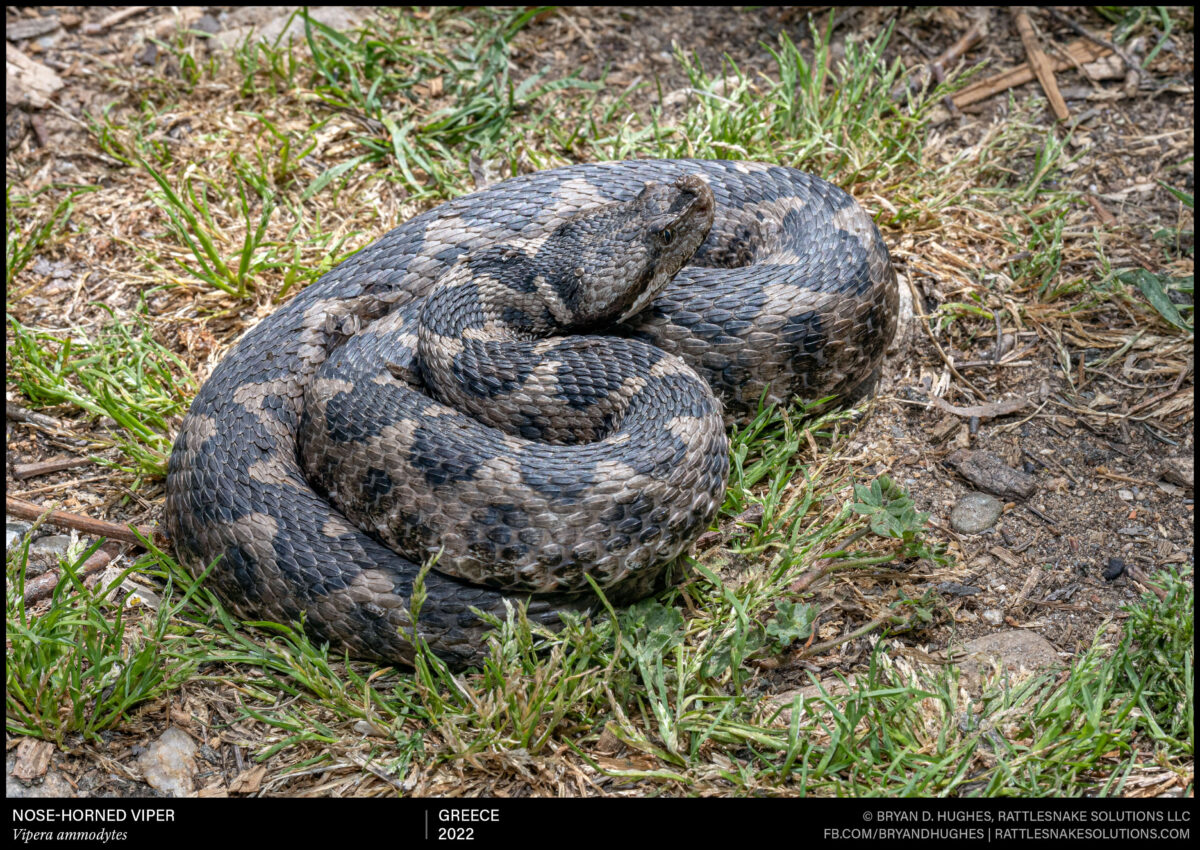
A Nose-horned Viper (Vipera ammodytes) from Greece a few years ago.
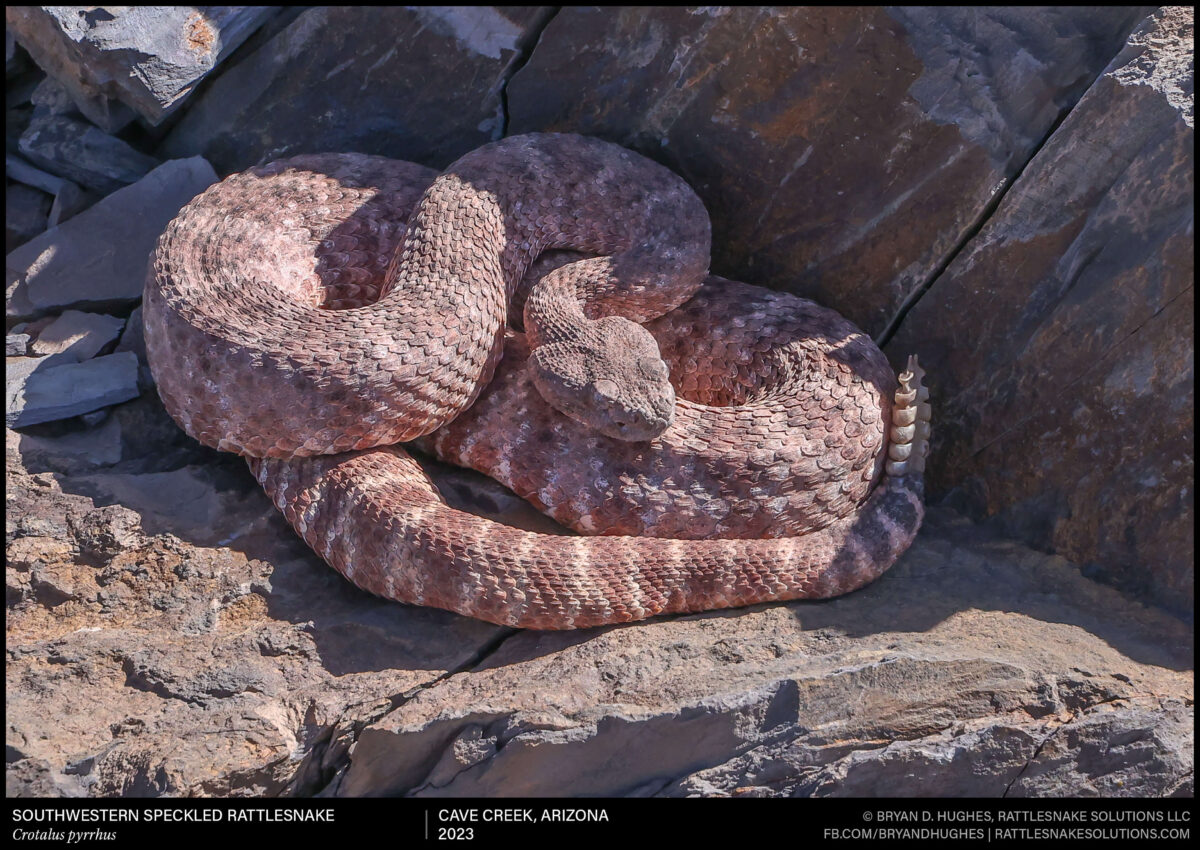
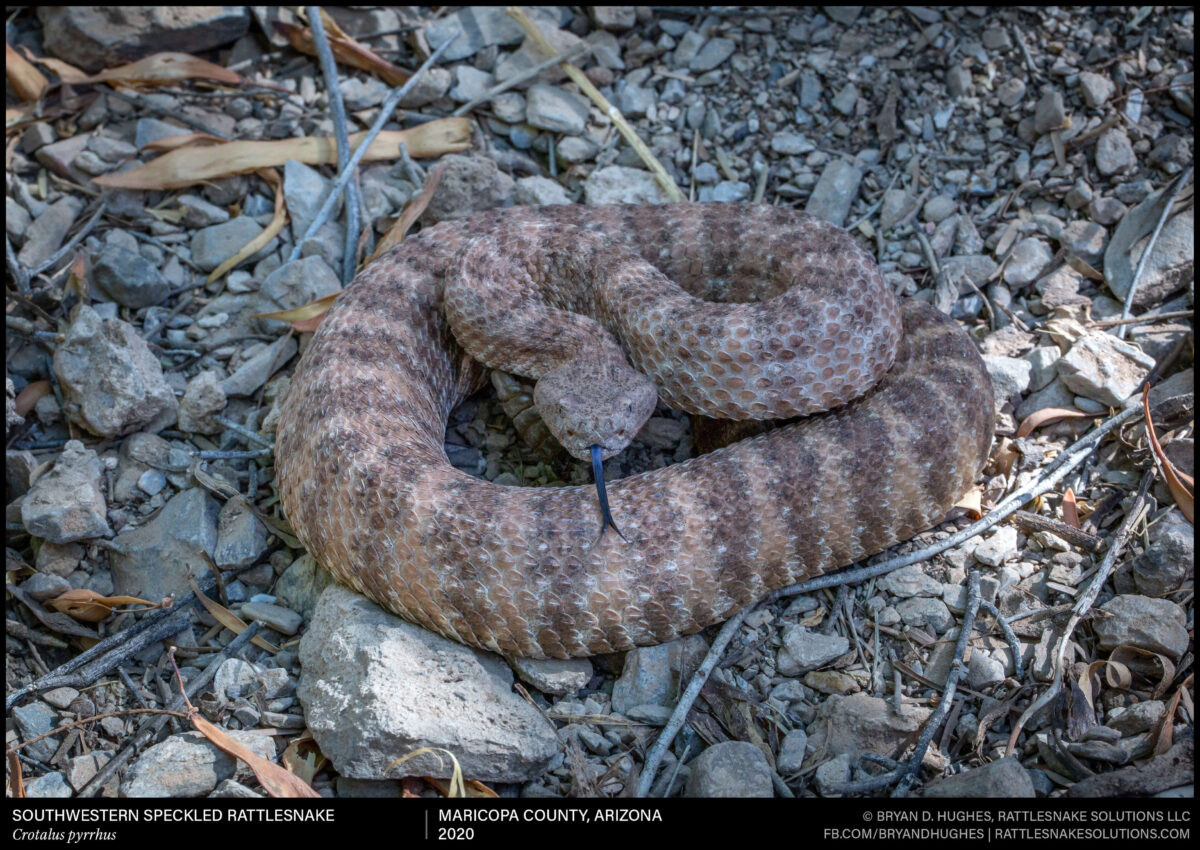
A Southwestern Speckled Rattlesnake I found in Cave Creek, Arizona. These snakes are common in the mountains of the area, where they often appear in this pink color.
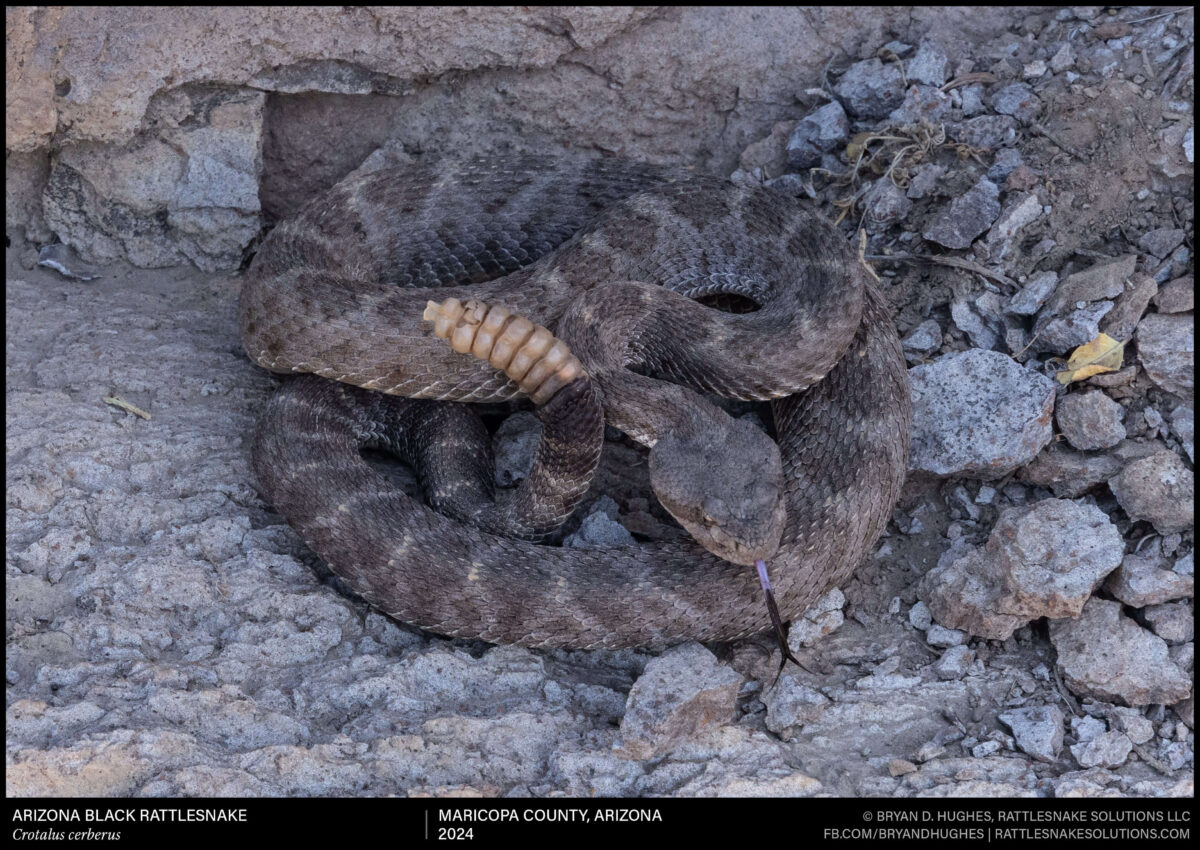
An Arizona Black Rattlesnake from relatively open desert in Maricopa County, Arizona. This species is diverse in appearance and habitat preferences, with this particular population inhabiting generally lower, hotter, and exposed areas.
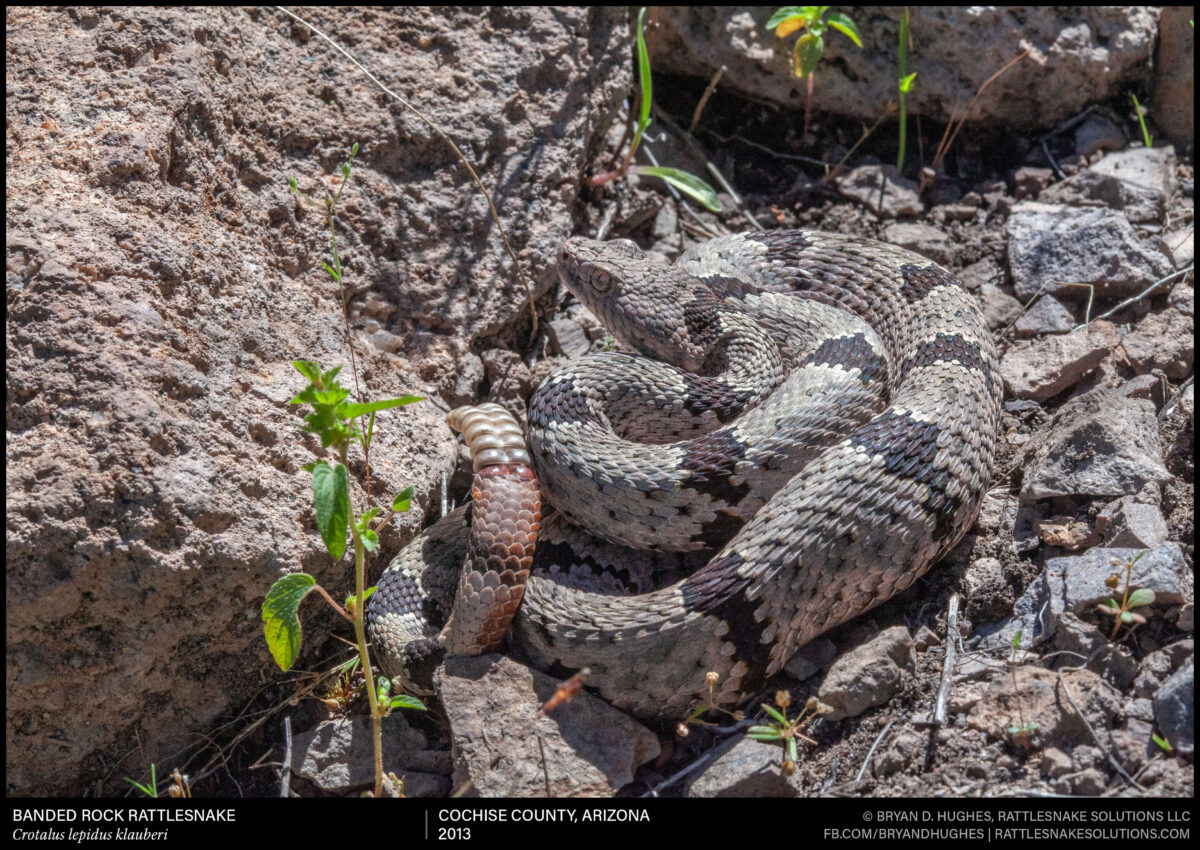
A Banded Rock Rattlesnake found on a sunny day back in 2013 in the sky islands of Arizona. These small rattlesnakes are locally abundant, but would be difficult to be bitten by anyone not actively looking to handle, capture, or kill them. When they see a person, they typically just slip away into the rocks or grass quickly, sometimes with a parting buzz.
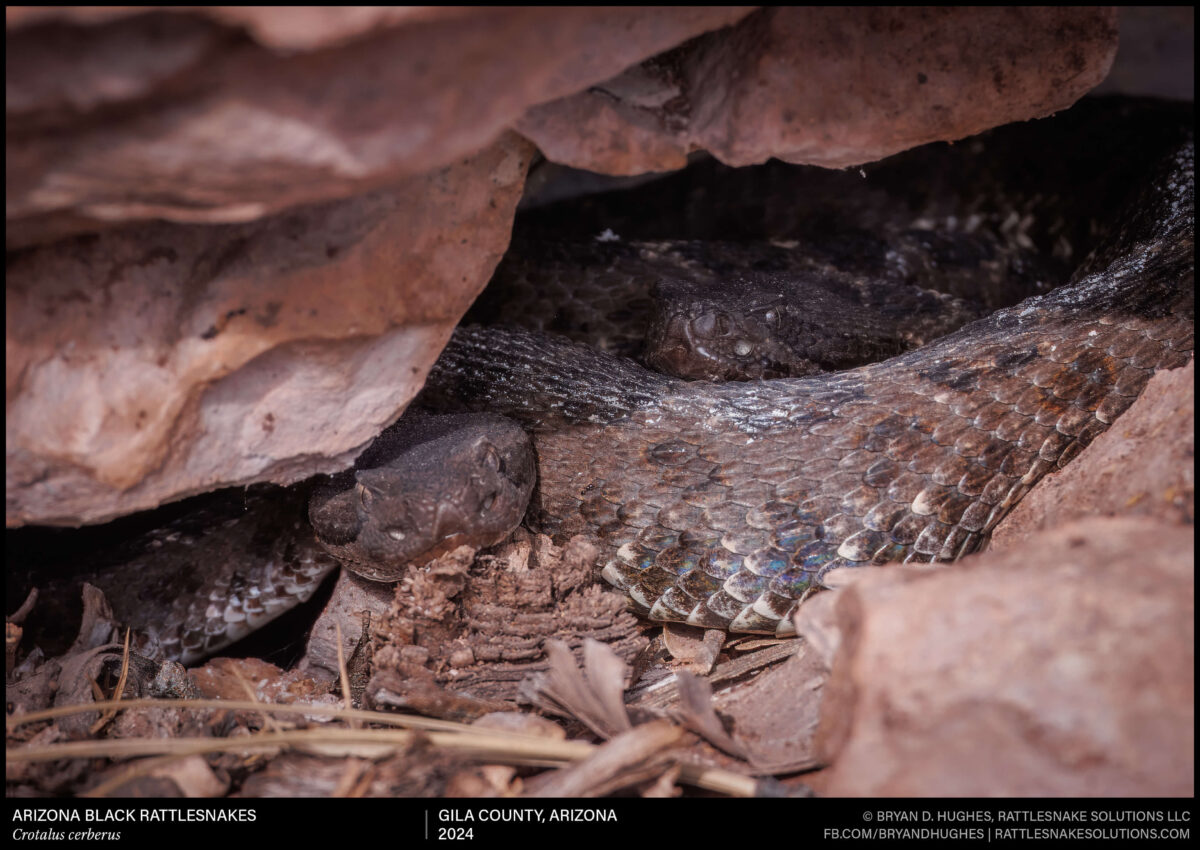
A couple of Arizona Black Rattlesnakes tucked away in a den in central Arizona.
A Southwestern Speckled Rattlesnake (Crotalus pyrrhus) found in Maricopa County several years ago. This species is among the most common snakes encountered at most parks across the Phoenix metro area.
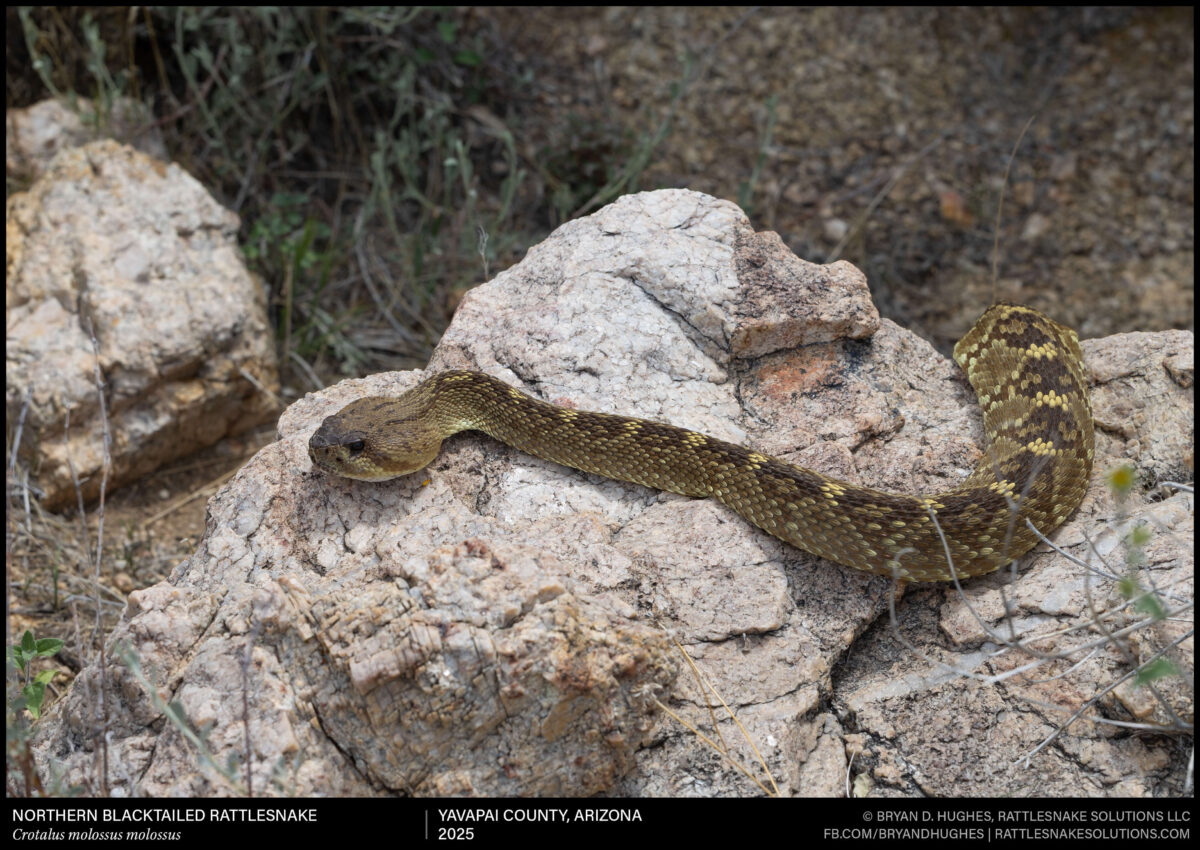
A Blacktailed Rattlesnake from central Arizona. The species also often has black eyes, too, especially in higher elevation individuals. This animal is found in mountainous areas, and often misidentified as a Mojave Rattlesnake due to their bright color, even by (especially by!) long-term locals.
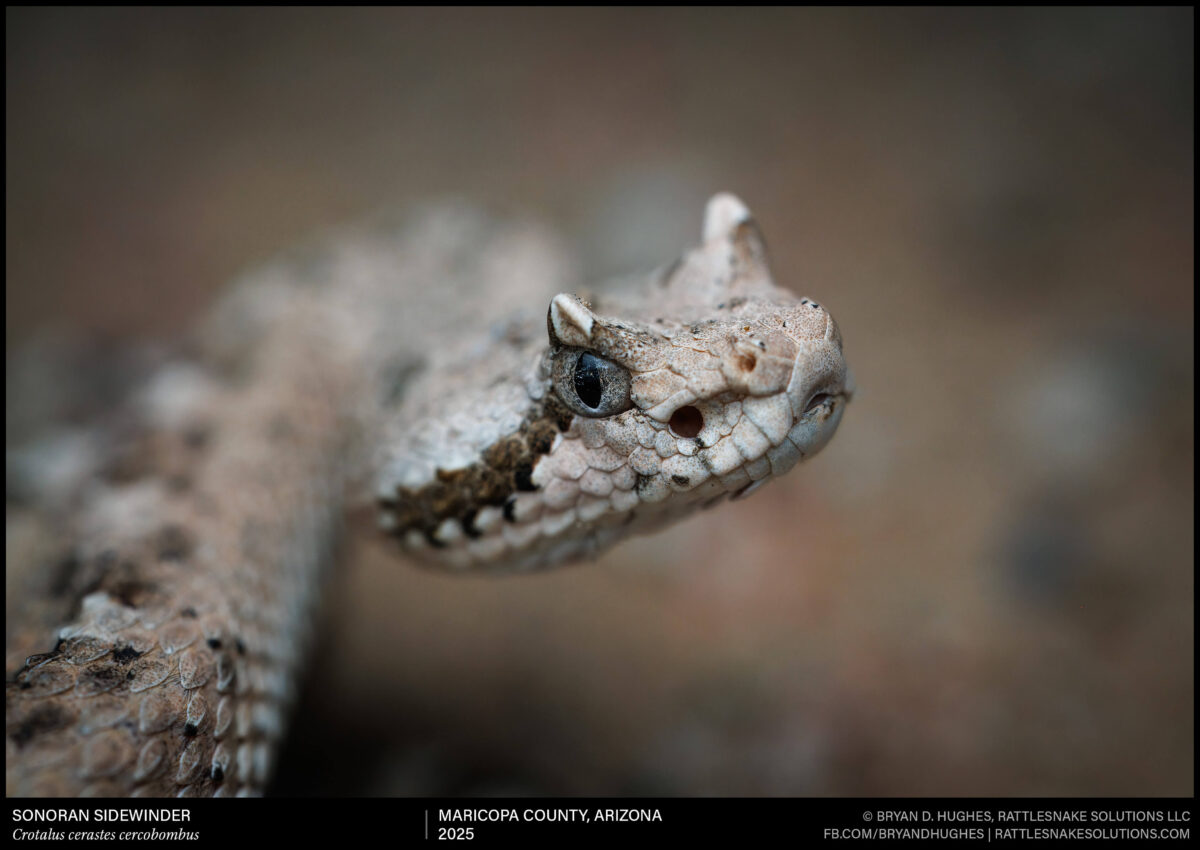
Close up with a Sonoran Sidewinder, showing off its “horns”. They are actually soft scales that rise above the eye, a feature they share convergently with unrelated vipers in deserts on the other side of the world. This is one of several seen on a warm evening last year near Phoenix.