This was a really cool snake to see! A Yellow-Green Cat Snake we found near the end of our time in India a few years ago. The Boiga genus has a relatively mild toxin, which is not likely an emergency but still something to be avoided.
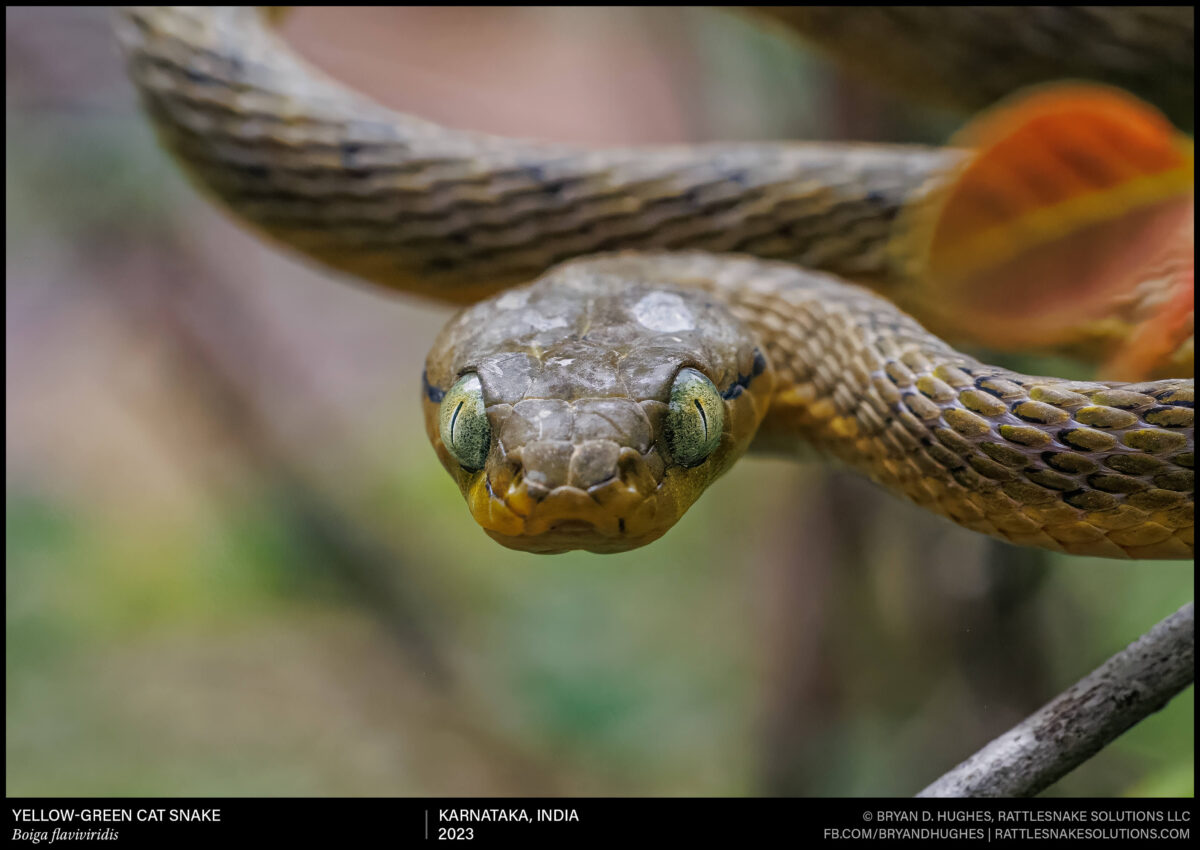

This was a really cool snake to see! A Yellow-Green Cat Snake we found near the end of our time in India a few years ago. The Boiga genus has a relatively mild toxin, which is not likely an emergency but still something to be avoided.
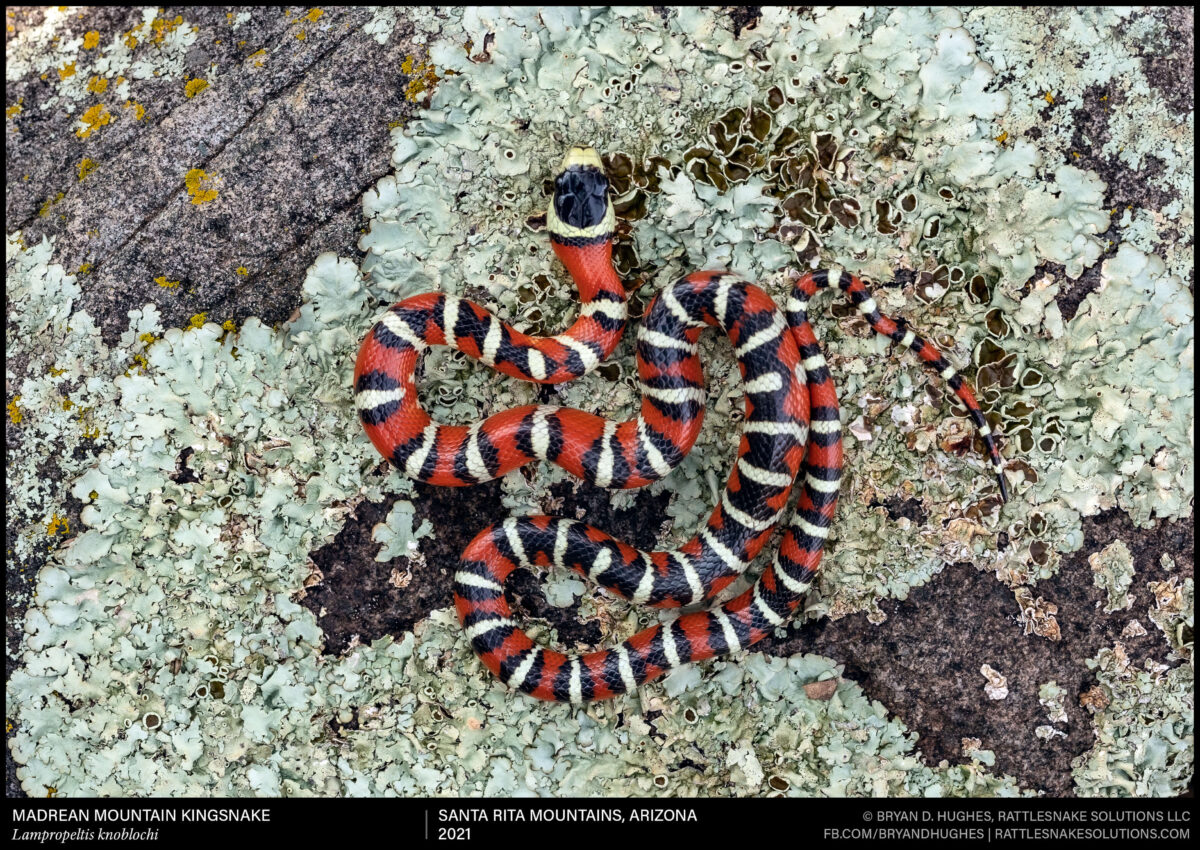
We found this baby Madrean Mountain Kingsnake (Lampropeltis knoblochi) several years ago out on the move in moderate rain. These colorful snakes are common in mid- to upper-elevation mountain woodlands and riparian zones.
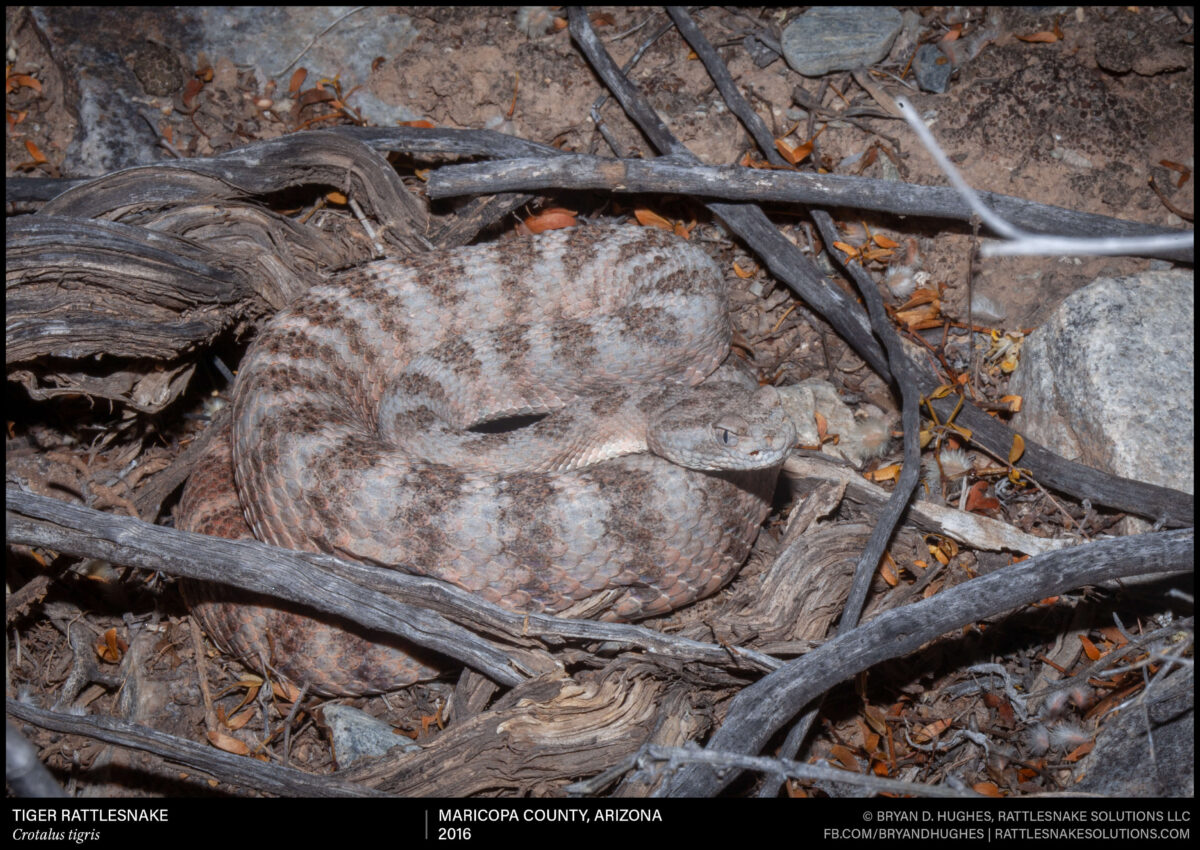
A Tiger Rattlesnake from the Phoenix area. The blue-grey base color fading to pink with dark grey bands is a standard look in the area. These snakes are common in popular hiking areas, yet most people who frequent them for a lifetime will never see one because of their cryptic nature.
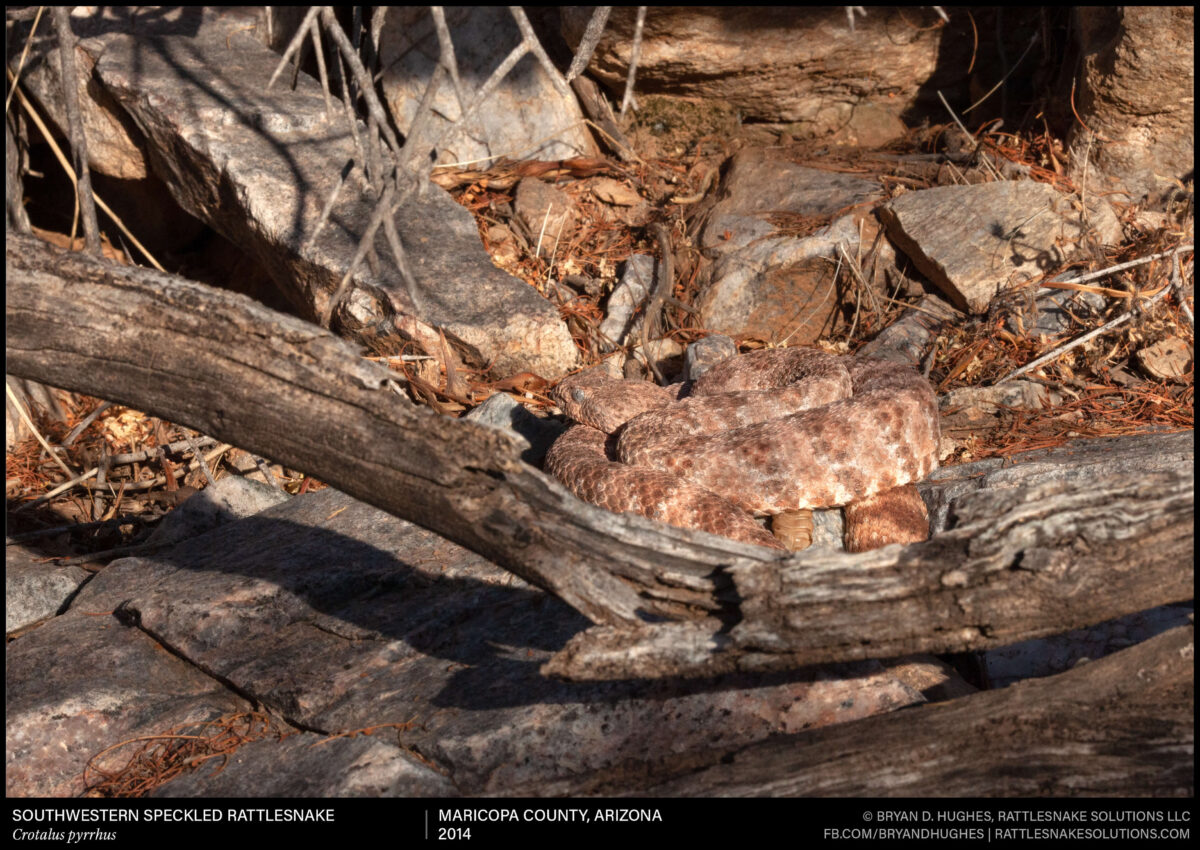
A Southwestern Speckled Rattlesnake found in ambush at sunup on a hot day in Arizona. Nearby, a cave with several more has been used as an aestivation site to avoid death in the summer months.
This photograph was taken in 2014. In recent years, the site has been abandoned, most likely due to increased human activity, based on evidence and observation of similar sites in the region.
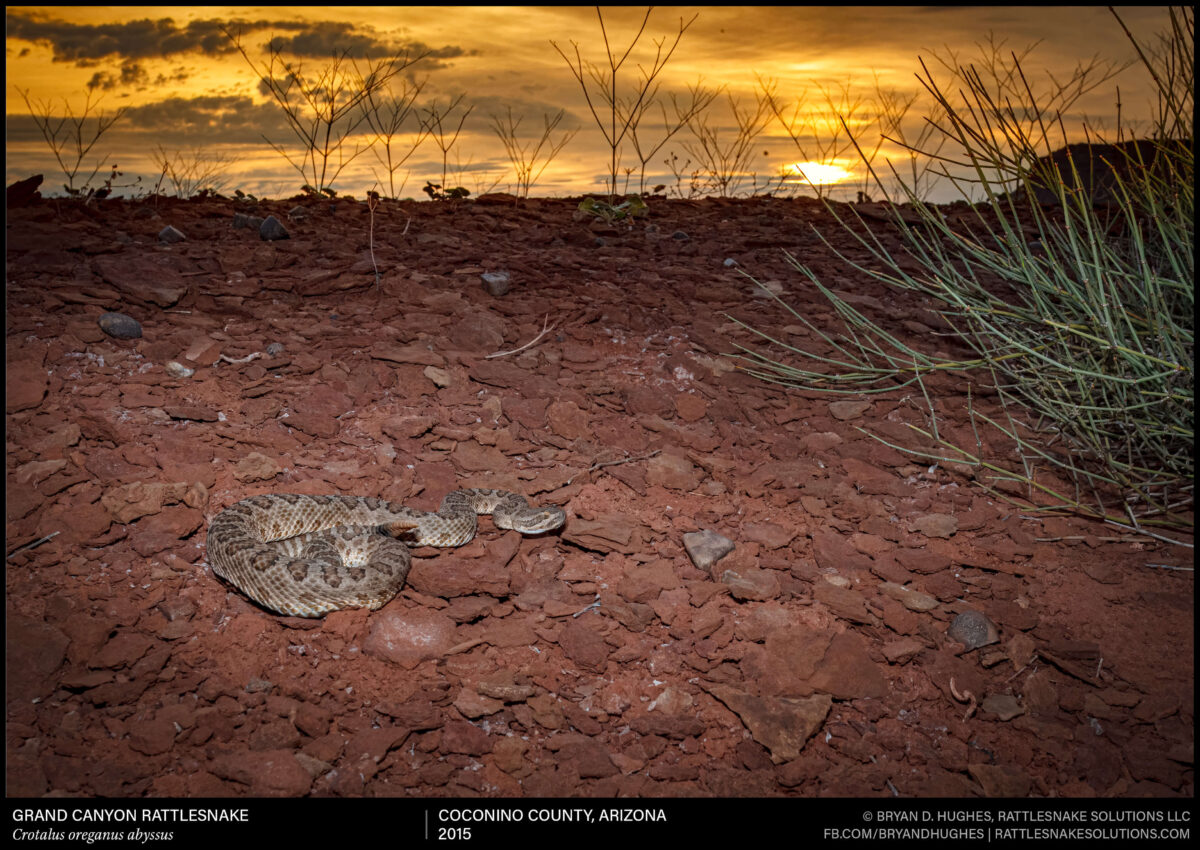
A Grand Canyon Rattlesnake in the last light of the day in northern Arizona.
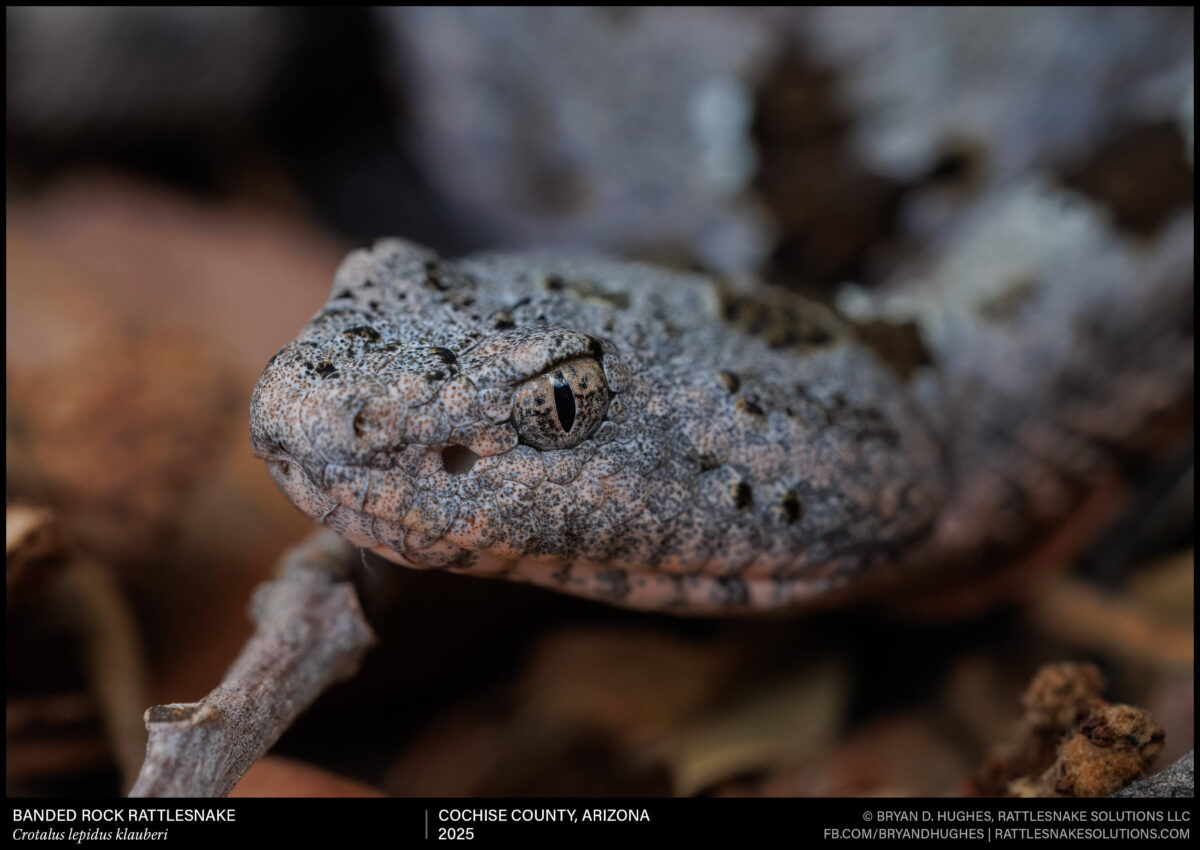
Up close with a Banded Rock Rattlesnake from the sky islands of southeastern Arizona. These small, mountain-dwelling rattlesnakes are quick to flee when found. A typical encounter for a hiker is a short buzz and a glimpse of the last half of its body sliding under a rock.
The tiny black flecks you see in the scales aren’t really visible in real life, or even visible at all. They show up on camera sensors, though, for some reason. Similarly, it’s often difficult to capture the colors of the species on camera … a snake with a bright green stripe down its back may appear to be without it on camera.
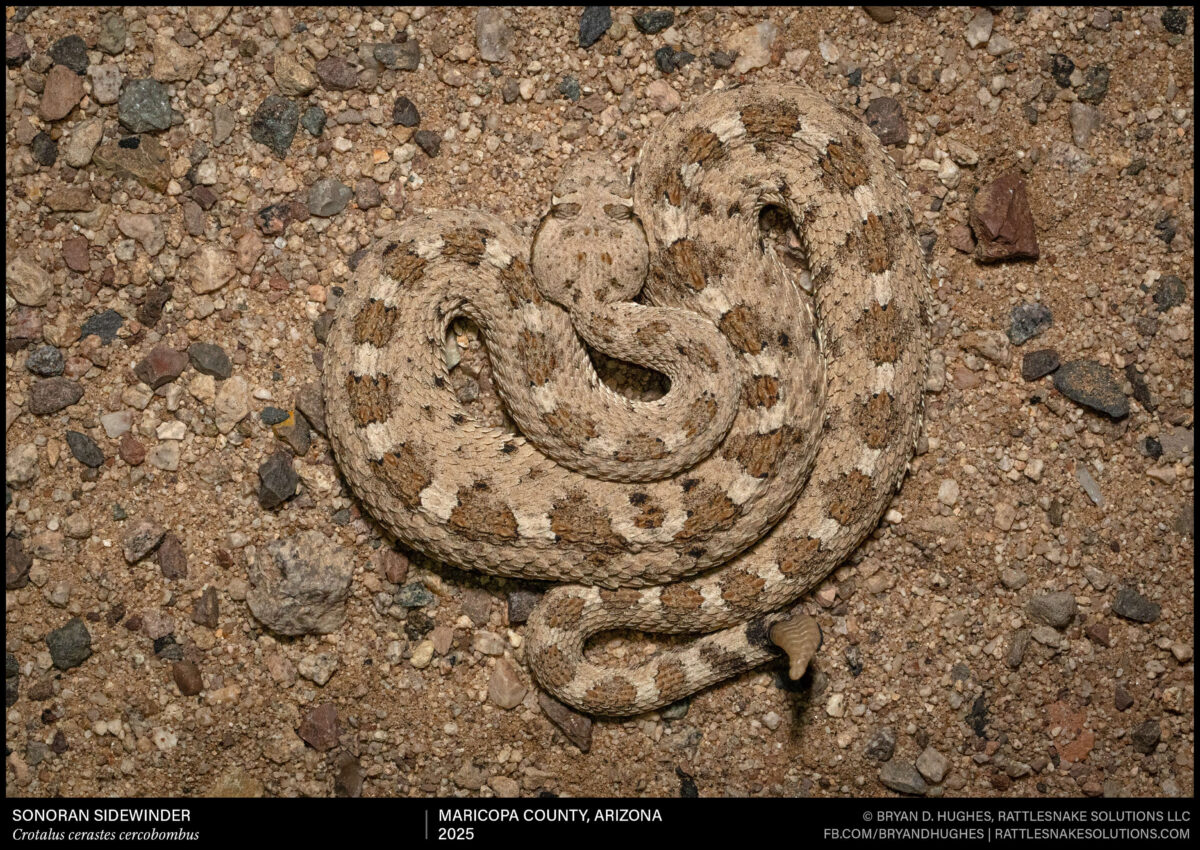
A young Sonoran Sidewinder (Crotalus cerastes cercobombus) with a nice, clean pattern near Phoenix last year. These small rattlesnakes are very common in the right habitat, but rarely seen by hikers because of the nature of that same habitat.
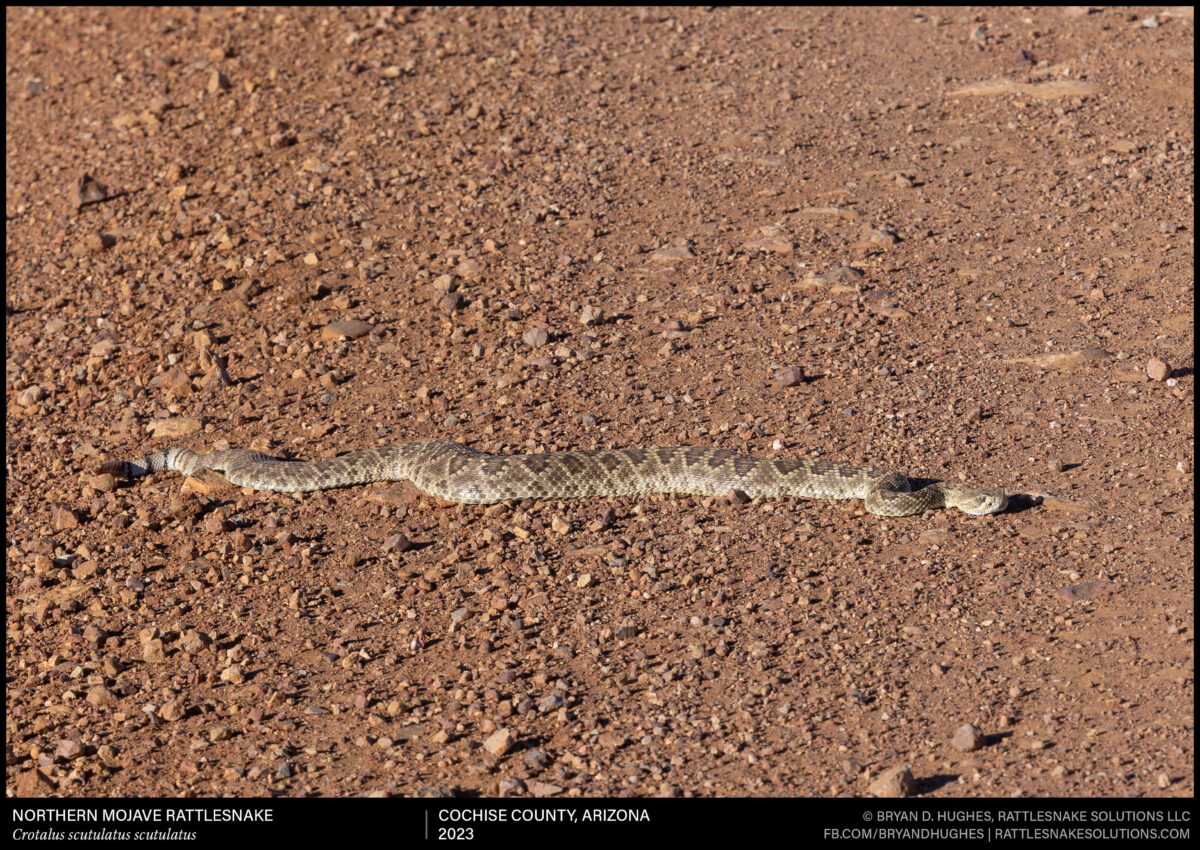
I saw this Mojave Rattlesnake (Crotalus scutulatus) crossing a dirt road near the U.S./Mexican border a few years ago in mid-elevation semi-desert grassland. Several other species can be found in the same band o transitional habitat, including Arizona Ridgenosed Rattlesnakes, Banded Rock Rattlesnakes, Western Diamondback Rattlesnakes, and Blacktailed Rattlesnakes. I escorted it off the road before it was killed by border patrol vehicles.
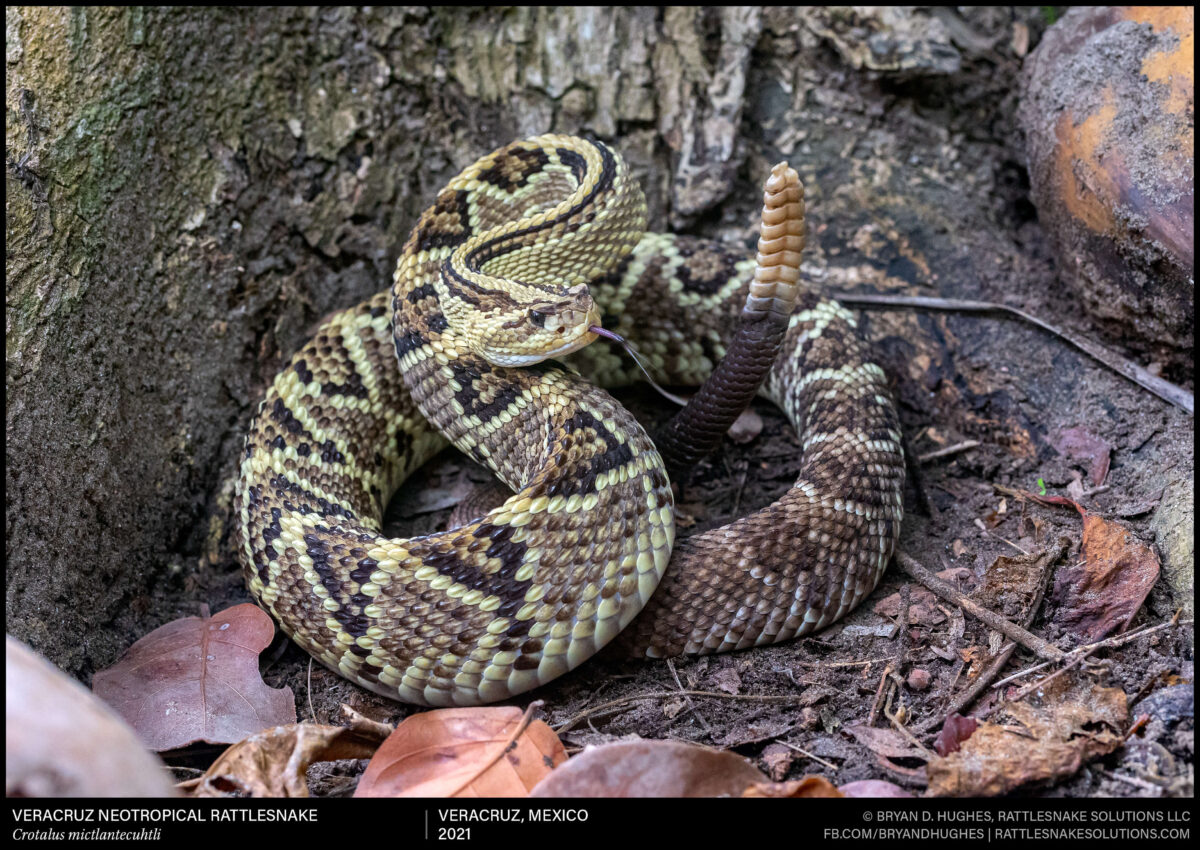
A large Veracruz Neotropical Rattlesnake (Crotalus mictlantecuhtli) from a trip to Mexico a few years ago. This species was recently recognized as a separate lineage of the Neotropical Rattlesnakes, described in 2020, about a year before this photograph was taken.
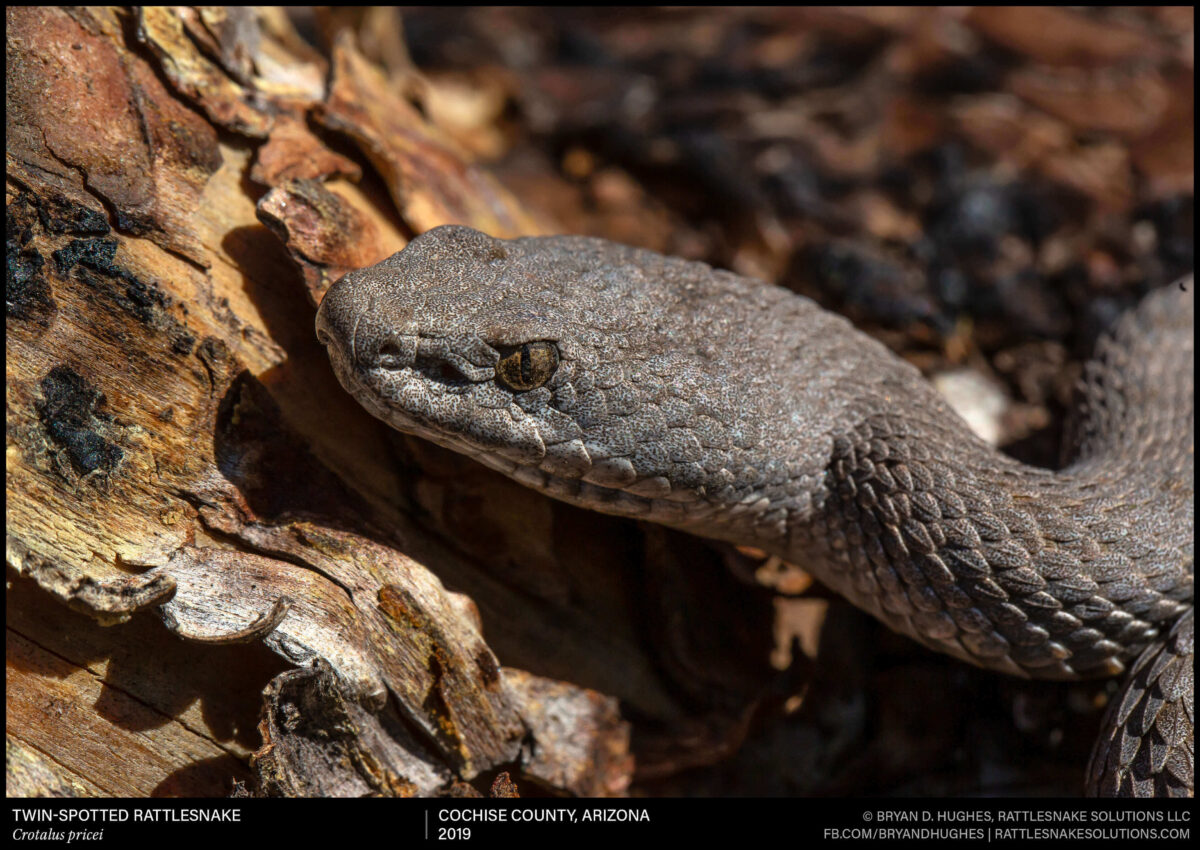
Twin Spotted Rattlesnakes (Crotalus pricei) are small, high-elevation rattlesnakes that are found in a handful of mountain ranges in the Sky Islands region of Arizona and northern Mexico. They are occasionally seen by hikers on high saddles and trails, where they are quick to flee with a departing buzz. A person would really have to pick one up or be hiking barefoot to get bitten by one, if they’re even lucky enough to see one or have it stick around long enough for that to happen.