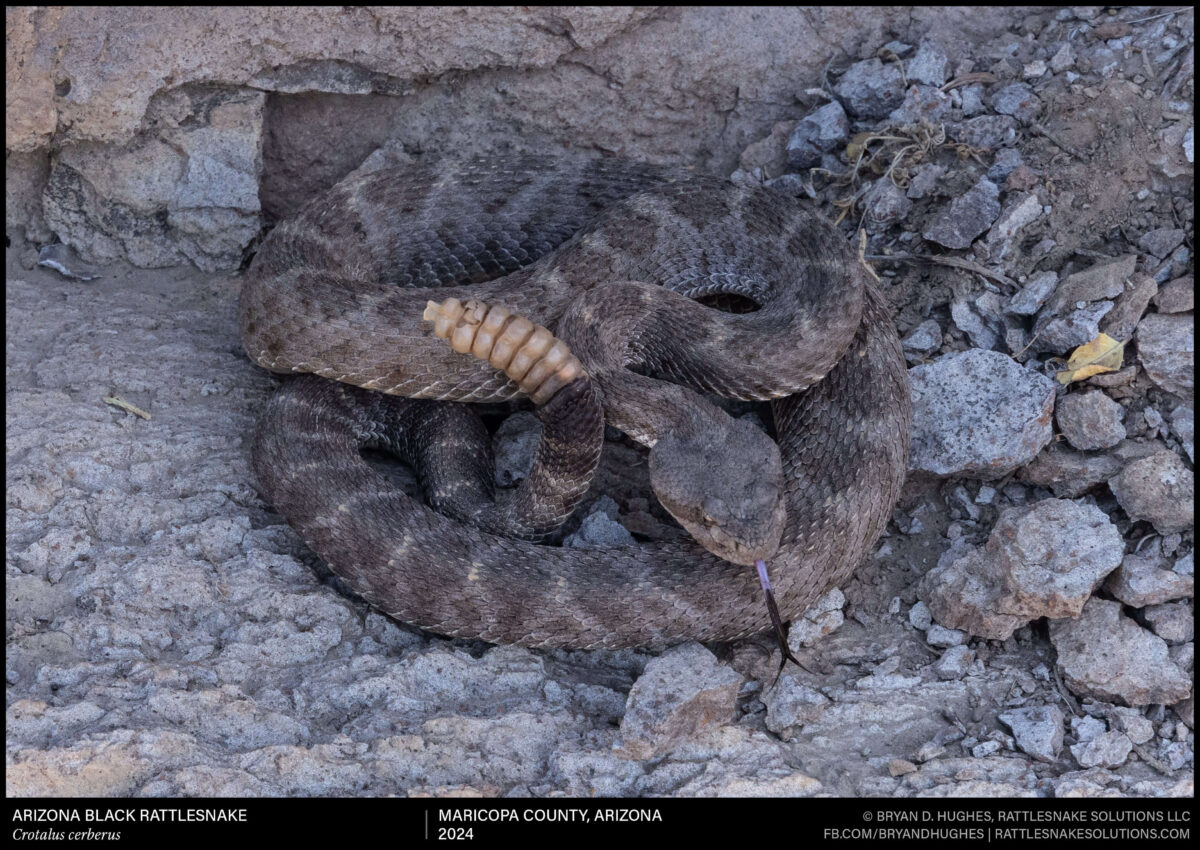
An Arizona Black Rattlesnake (Crotalus cerberus) from the southern extent of their range.
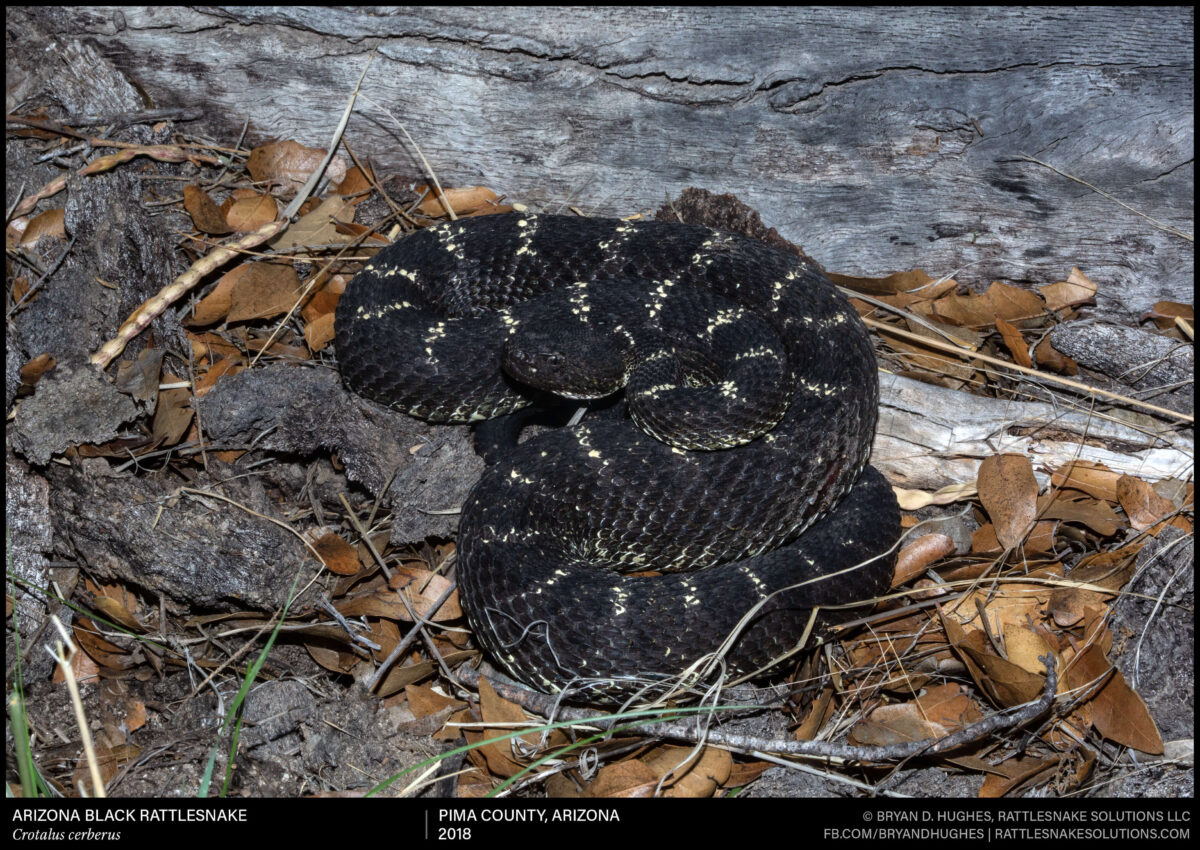

An Arizona Black Rattlesnake (Crotalus cerberus) from the southern extent of their range.
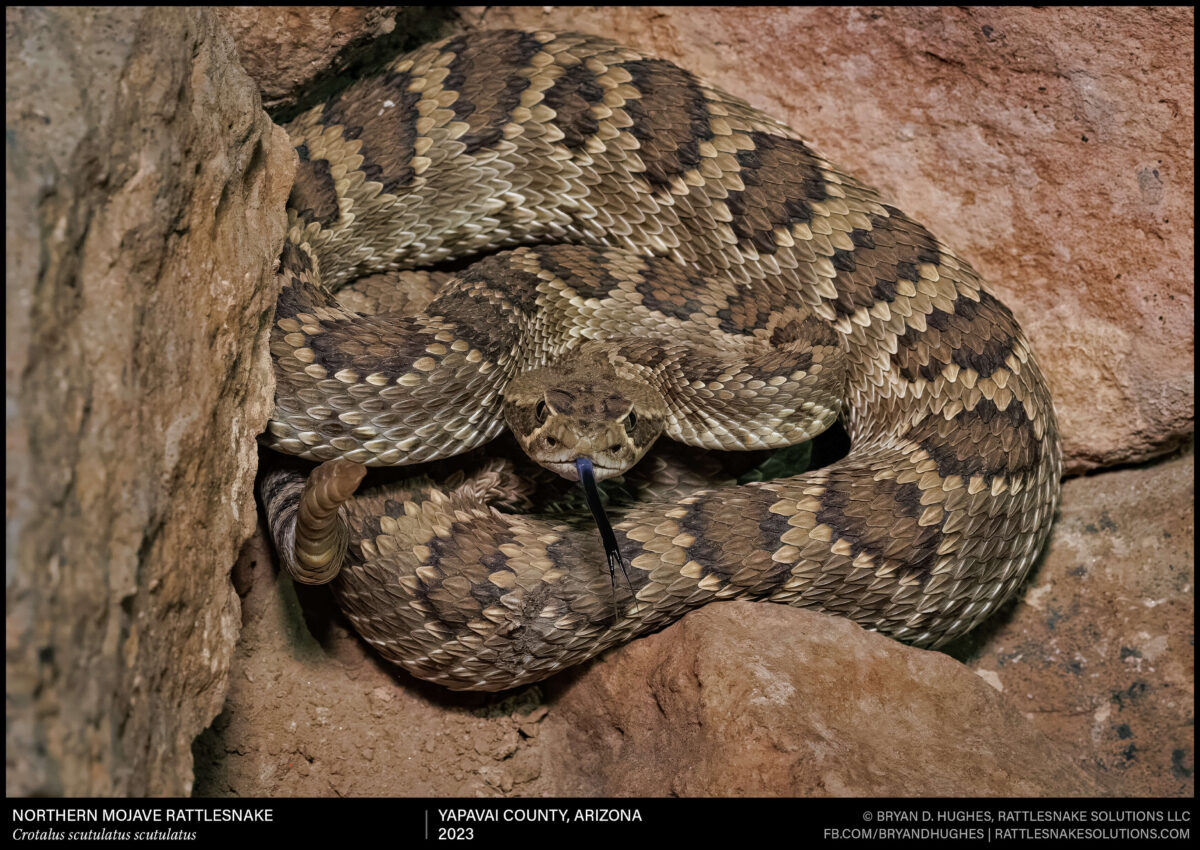
A Mojave Rattlesnake from one of the higher-elevation populations in central Arizona. These snakes are common in grasslands, where they live in relatively flat, sandy areas. This one is from a canyon bottom it shares with several other species of rattlesnakes, including Western Diamondback Rattlesnakes, Arizona Black Rattlesnakes, Blacktailed Rattlesnakes, and Speckled Rattlesnakes.
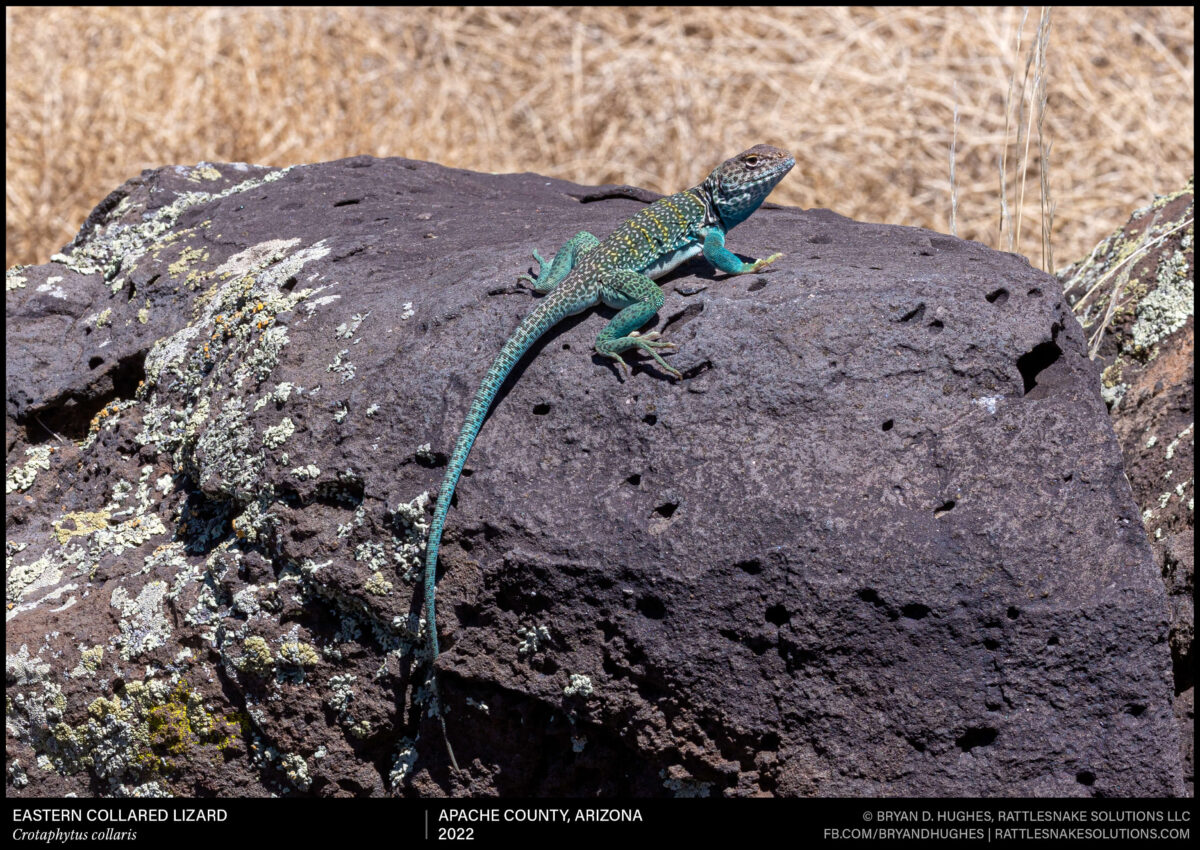
A brilliantly colored Eastern Collared Lizard from the eastern edge of Arizona. This one watched us carefully from atop low boulders along an otherwise flat field, and allowed a single photograph before it disappeared.
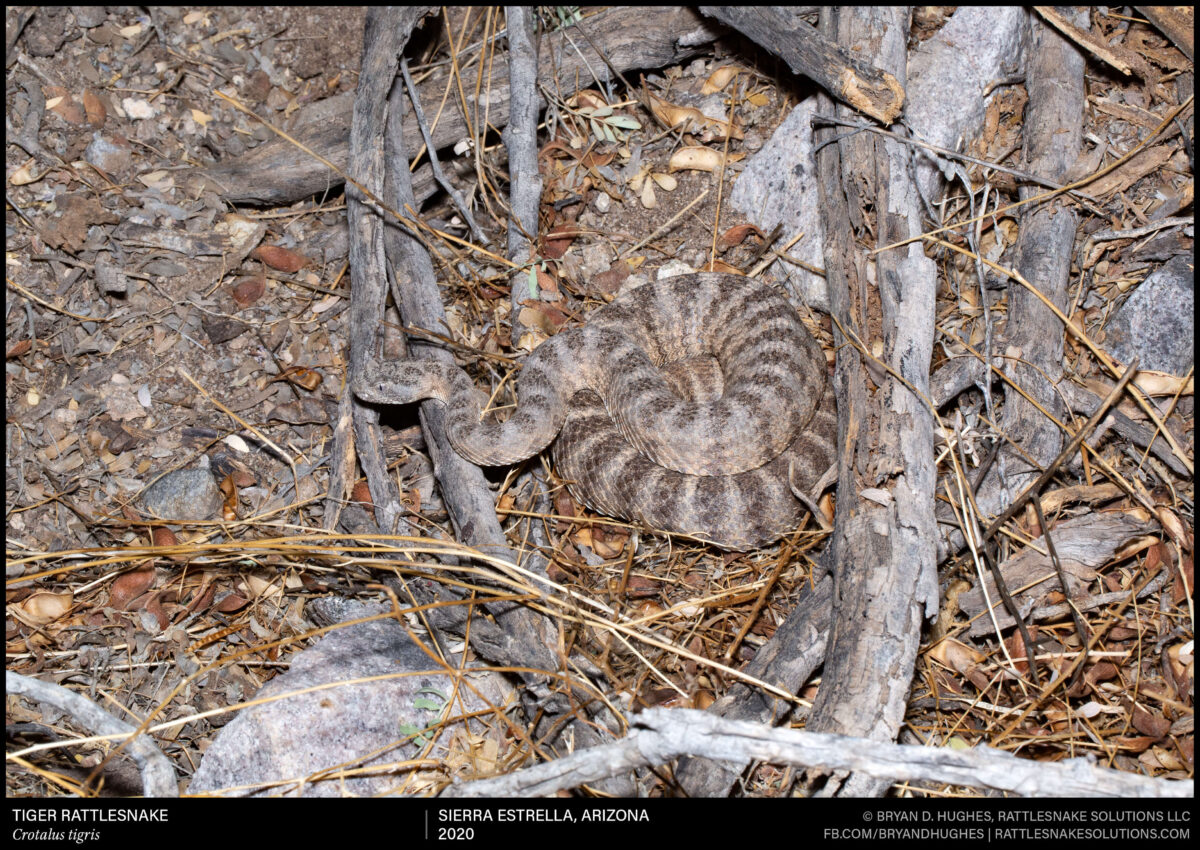
A Tiger Rattlesnake in ambush late on a hot summer night several years ago. Despite being relatively seldom seen, this species is common in most of the mountains that overshadow the Phoenix metro valley.
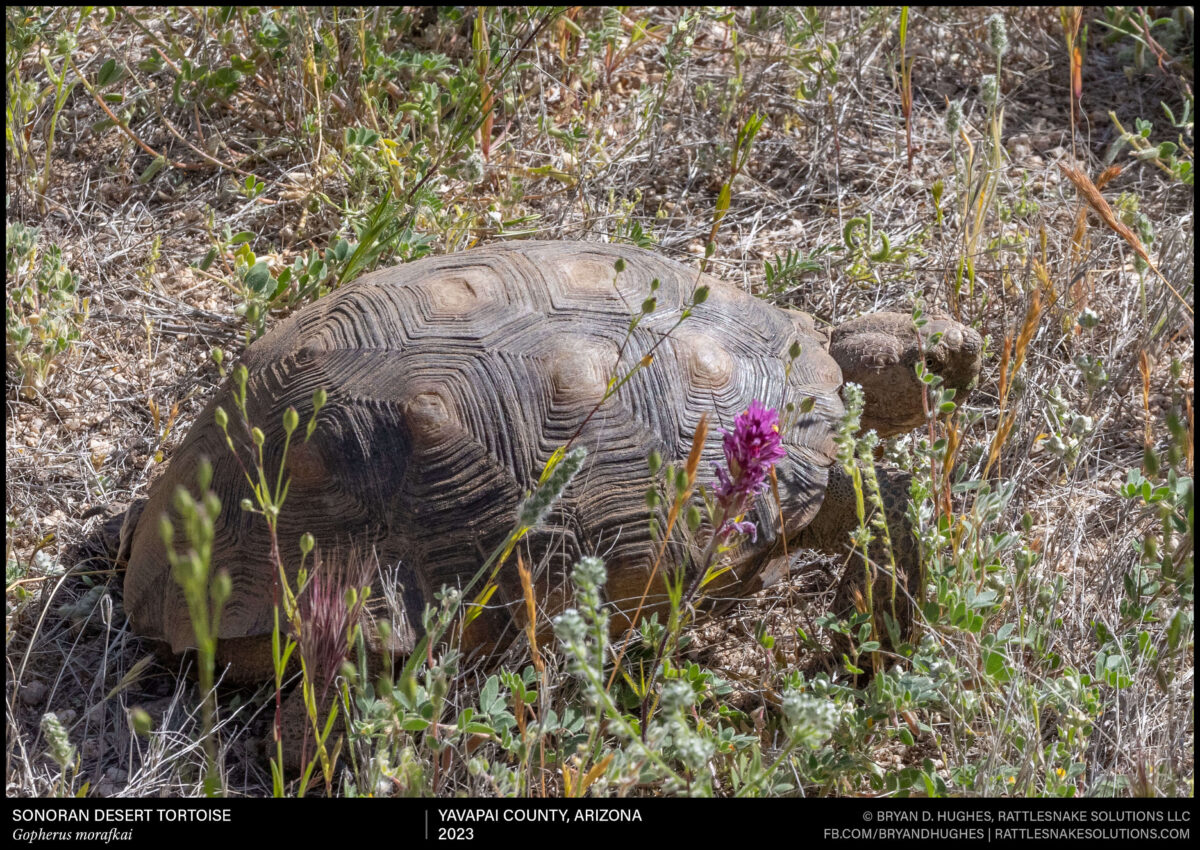
A Sonoran Desert Tortoise making its way around to munch on green grasses and spring blossoms in central Arizona. These animals can live a long time, and can be found year after year using the same locations and burrows.
They don’t do well with development, though. When those important sites disappear, they die out. In places where they were once abundant, even outside of the developed areas, they quickly become extirpated.
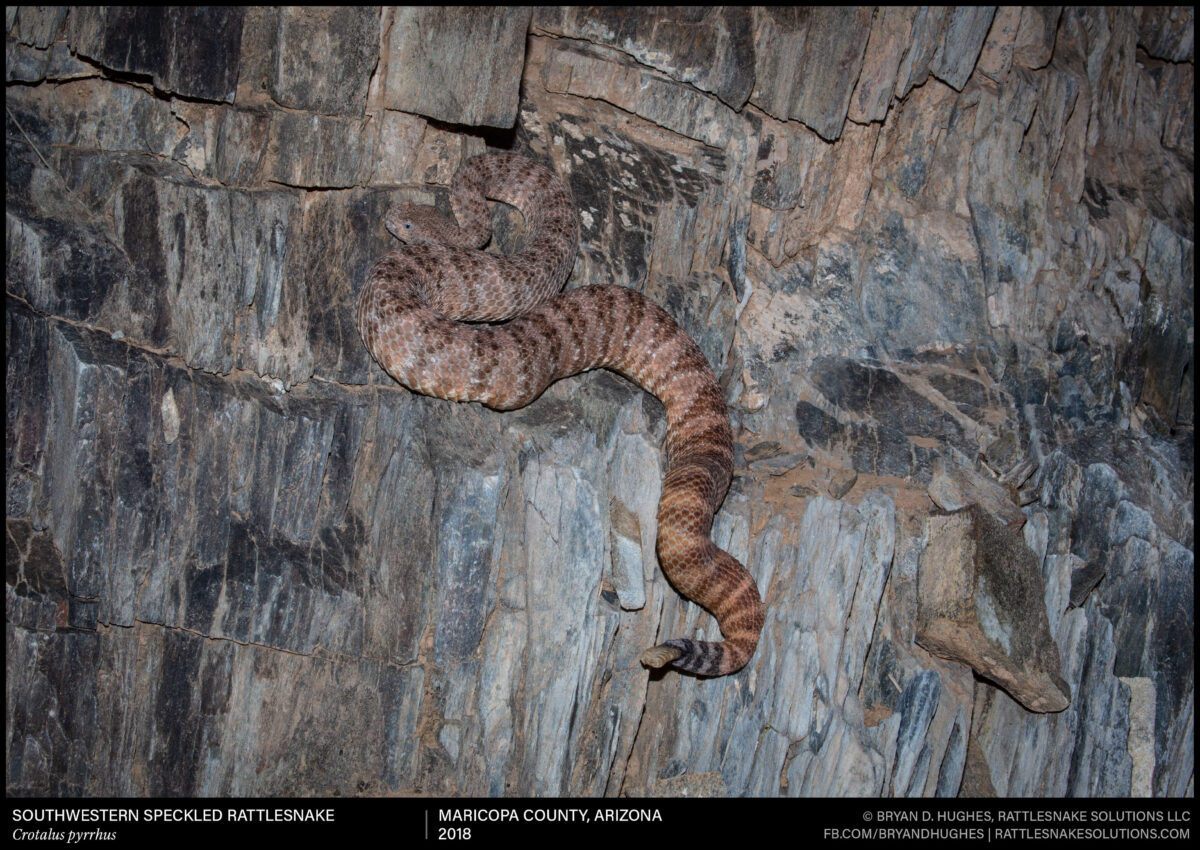
A Southwestern Speckled Rattlesnake making its way up a nearly vertical wall, taking advantage of numerous leverage opportunities. Rattlesnakes can climb, but not with the same skill as some non-venomous snakes, like gophersnakes or kingsnakes. Even from a moderate height, a fall can injure or even kill the animal, so caution is needed.
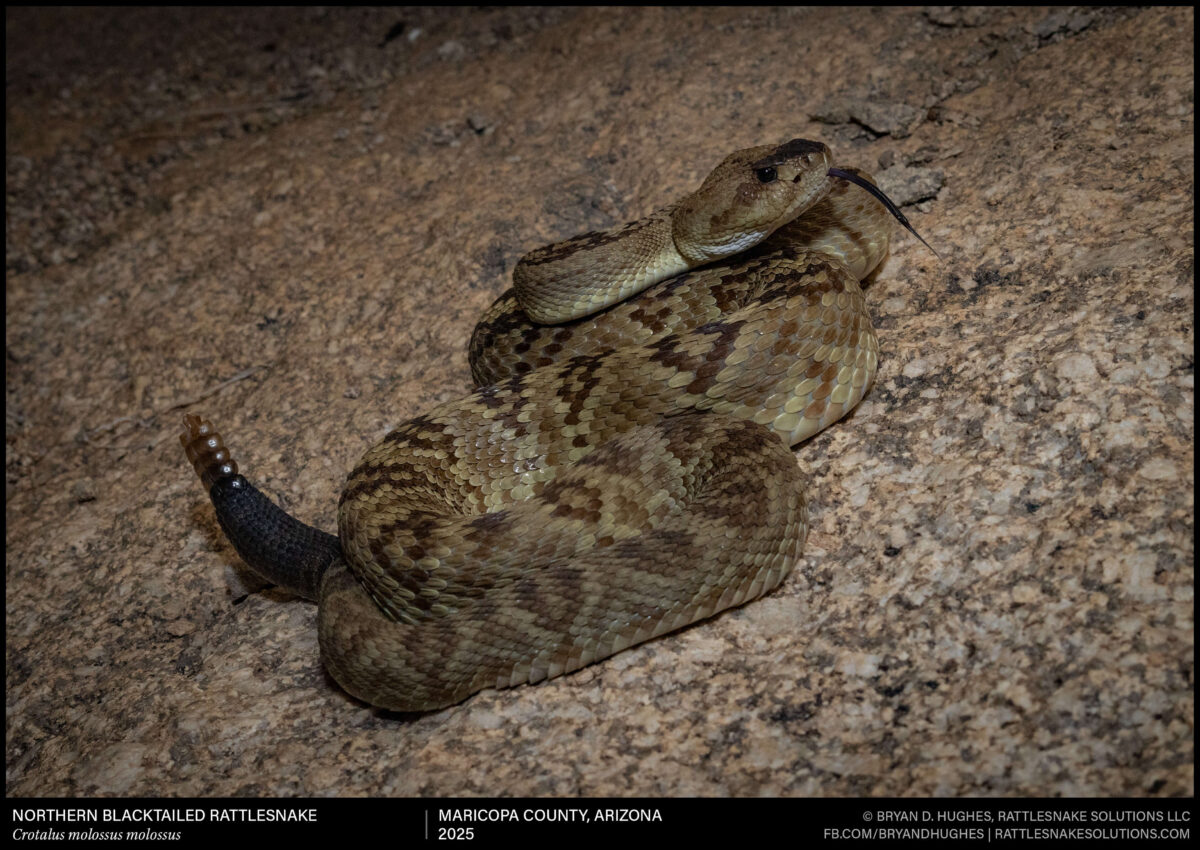
A mature Black-tailed Rattlesnake we found on a late-night hike near Phoenix. These snakes live in mountainous or hilly areas, where they are often confused with a number of other rattlesnake species.
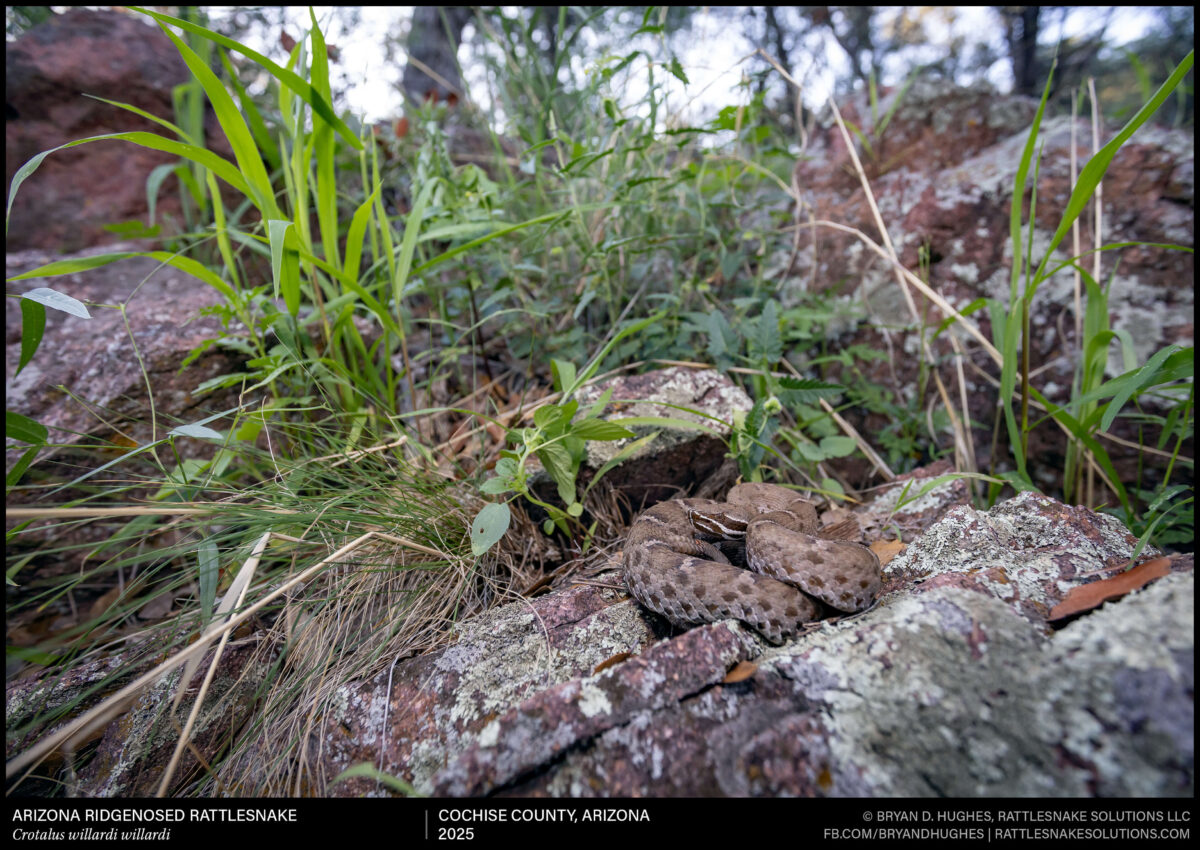
A pretty little Arizona Ridgenosed Rattlesnake from a humid week in southeastern Arizona.
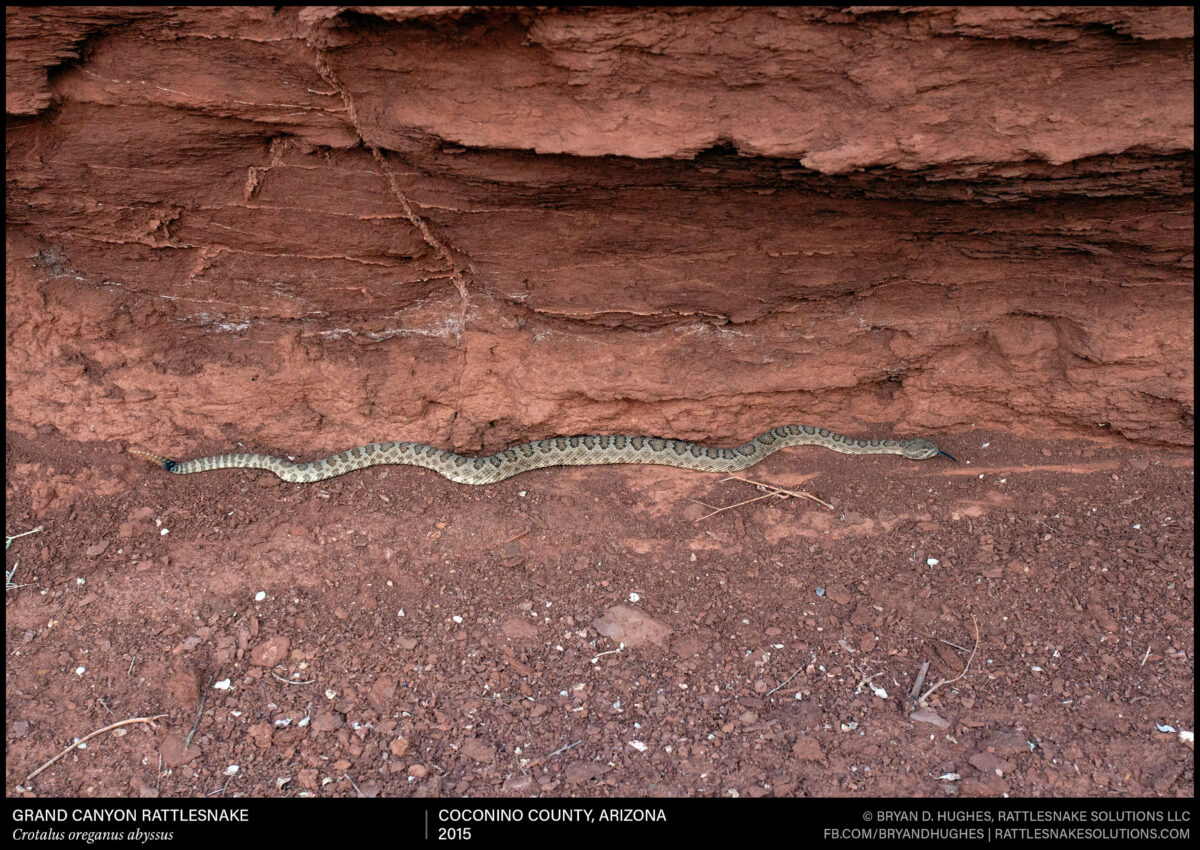
A Grand Canyon Rattlesnake we found near its namesake a while back. This is what many refer to as the “Grand Canyon Pink”, though they are often, or usually, not pink, but this straw color or similar. The pattern here is strong, as is often typical in males and younger snakes, but may fade with time. In parts of the canyon, too, there are Speckled Rattlesnakes which may also be pink, so the “pink rattler” of the canyon can be a misleading concept.
An Arizona Black Rattlesnake from relatively open desert in Maricopa County, Arizona. This species is diverse in appearance and habitat preferences, with this particular population inhabiting generally lower, hotter, and exposed areas.