One of the colorful Banded Calico Snakes found near camp in Peru a few years back.
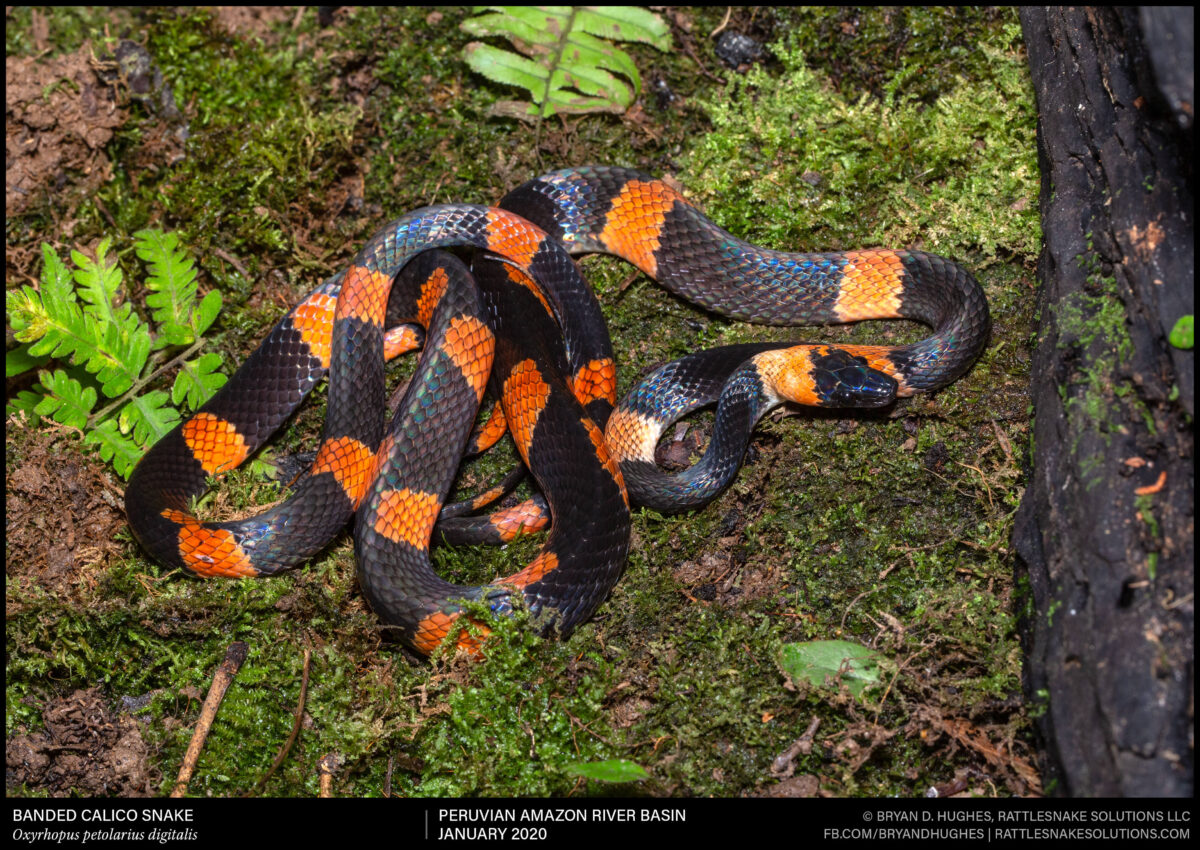

One of the colorful Banded Calico Snakes found near camp in Peru a few years back.
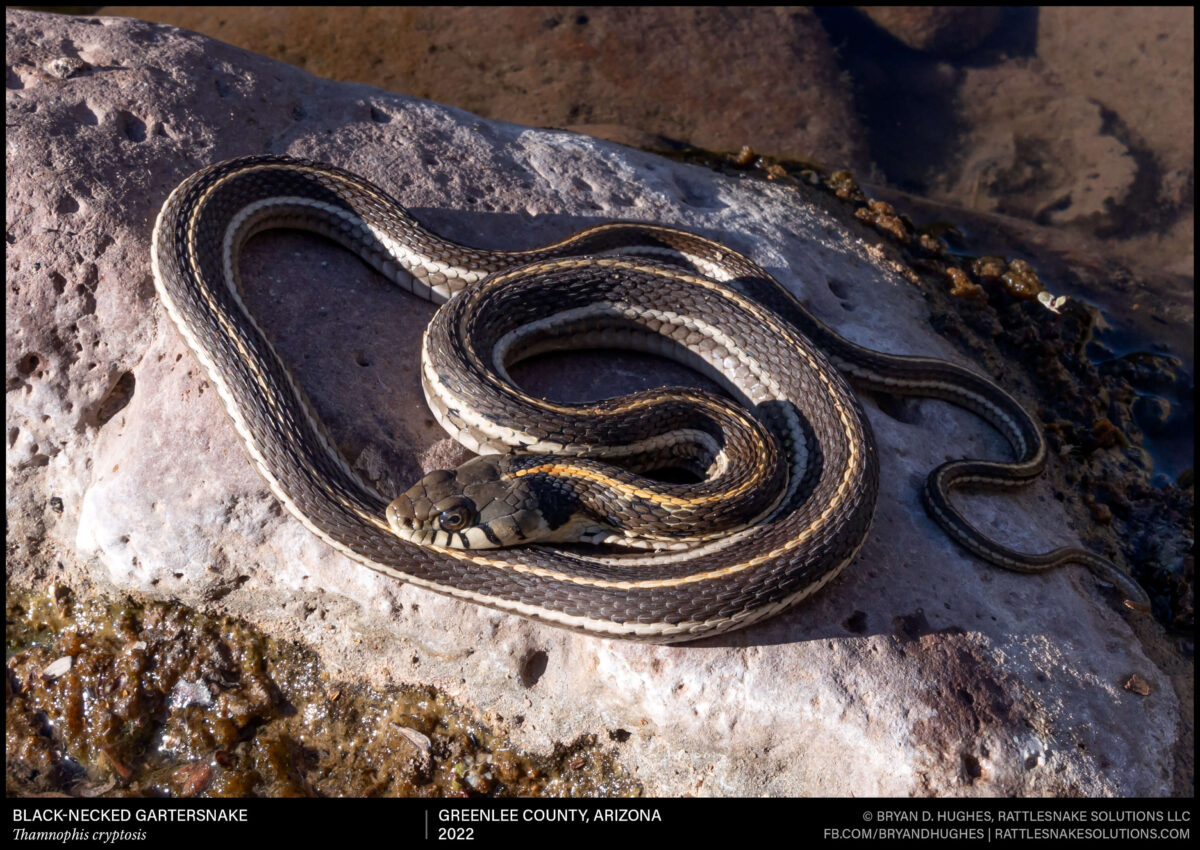
A Black-necked Gartersnake we found while hiking a high-elevation stream in Greenlee County, Arizona. This one had lost its pattern entirely, becoming solid grey animal with stripes and its characteristic black patches behind the head.
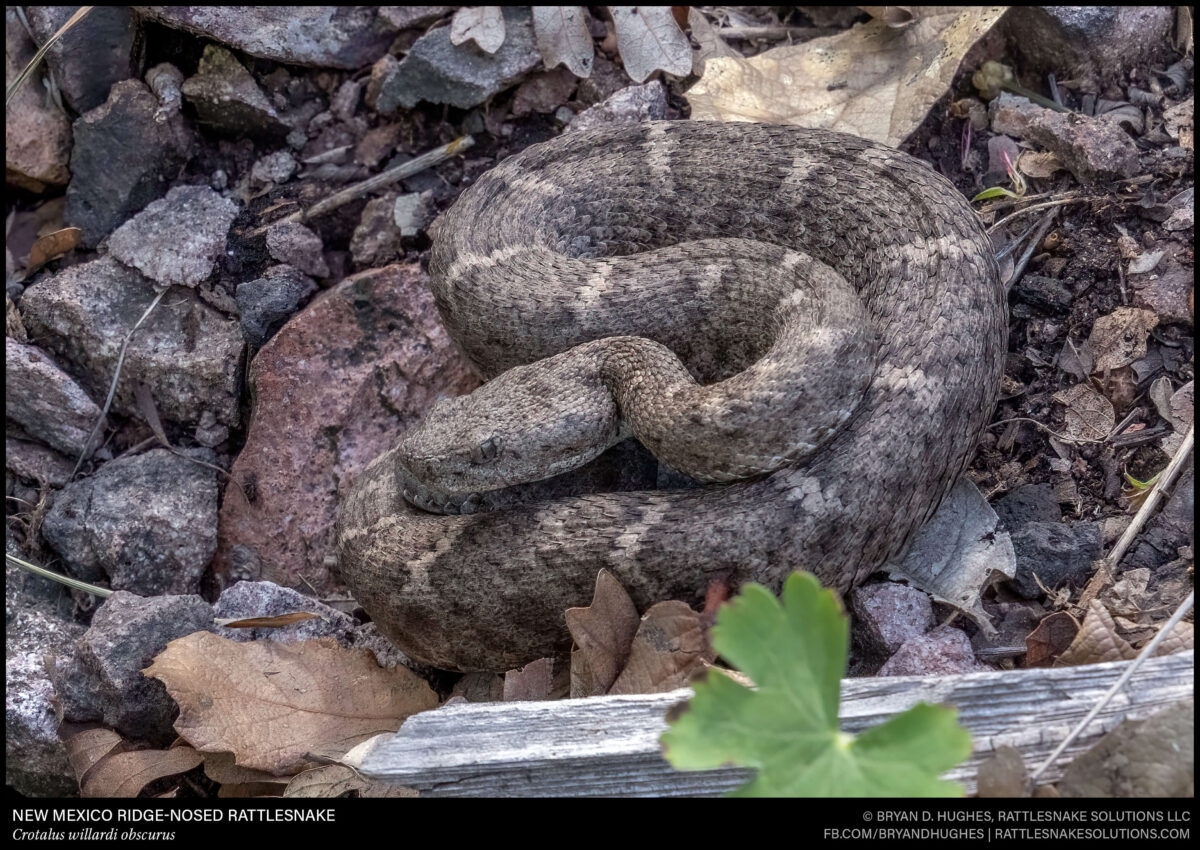
New Mexico Ridgenosed Rattlesnake (Crotalus willardi obscurus) from a survey several years ago.
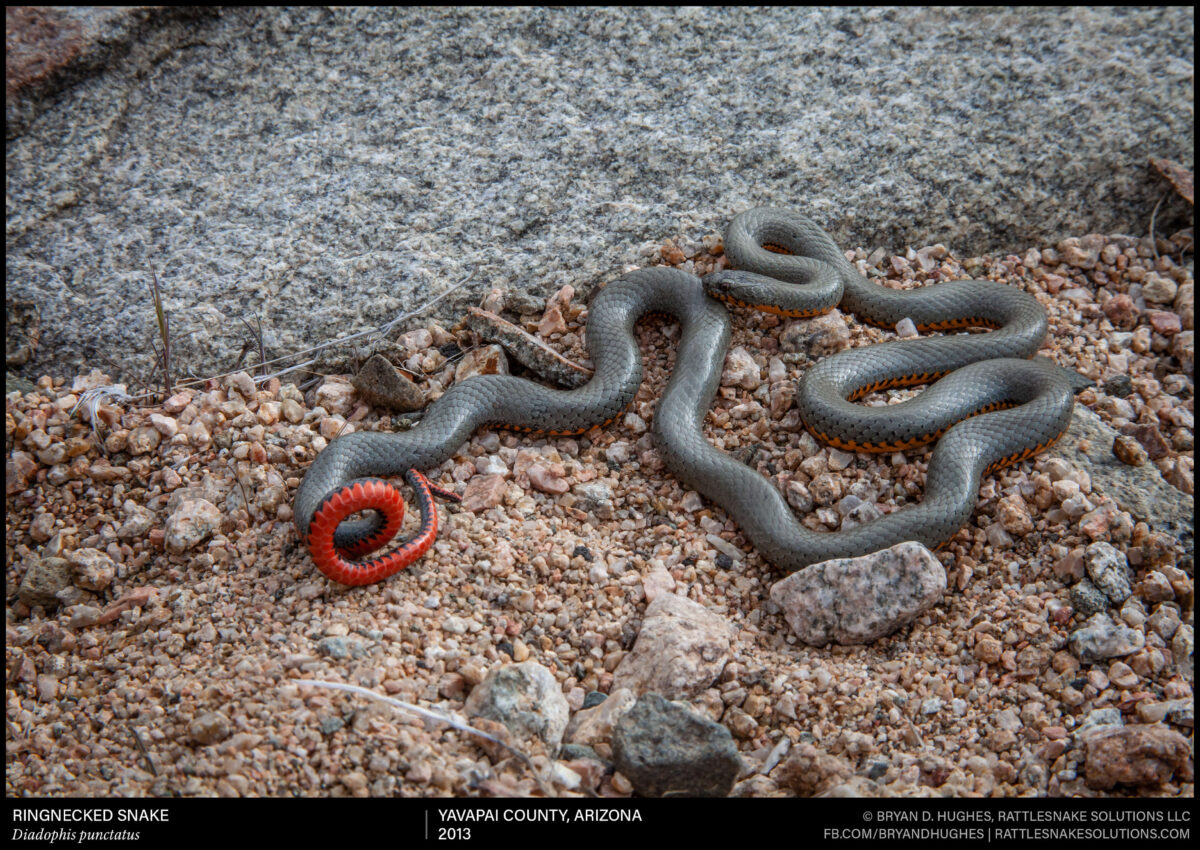
A Regal Ringnecked Snake we found in central Arizona many years ago. These are venomous, but harmless, eating a wide variety of prey from invertebrates to other snakes. The red color under the tail, which is shown here in defensive display, is just a hint at the bright colors that run the length of the belly.
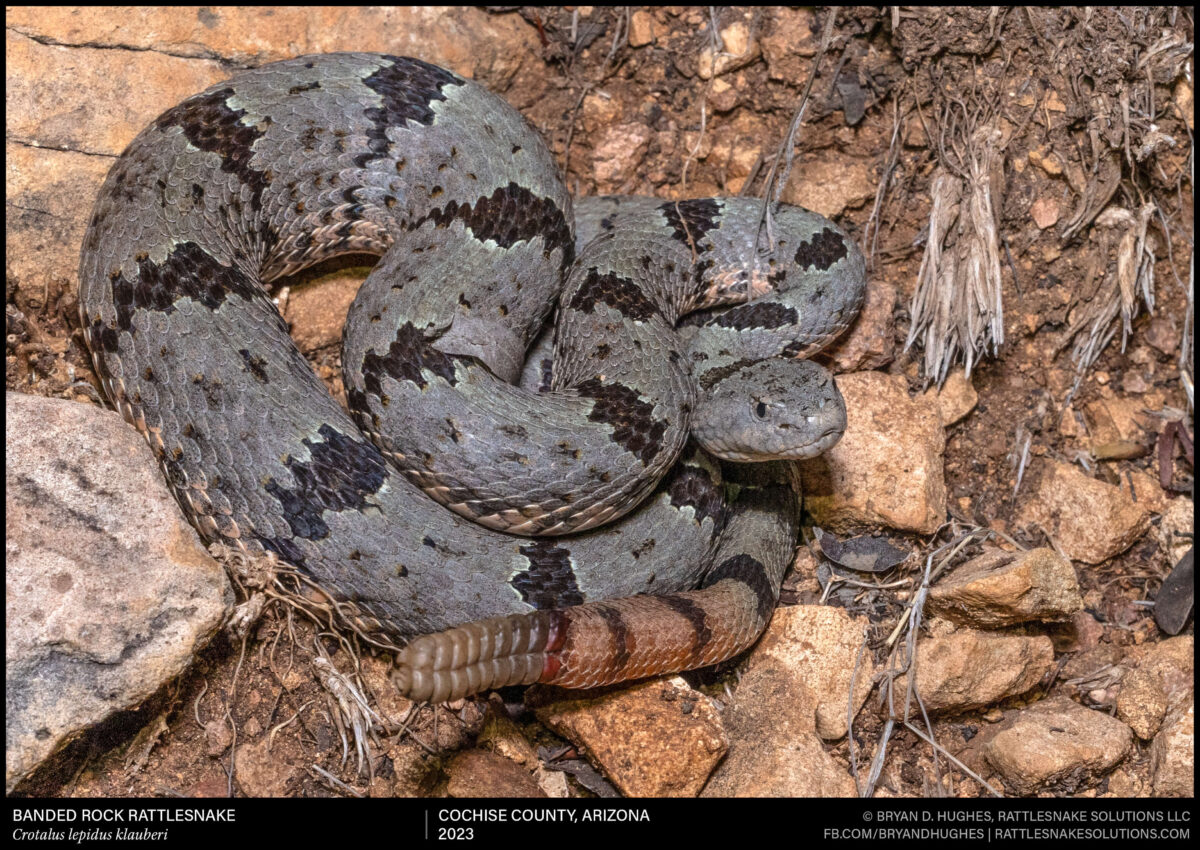
A Banded Rock Rattlesnake in the southeastern corner of Arizona. These are small rattlesnakes that tend to buzz and dive into rocks when seen.
Surprisingly, for as common as they are, discussion with local ranchers is usually met with a “huh?” when describing or showing photos of them.
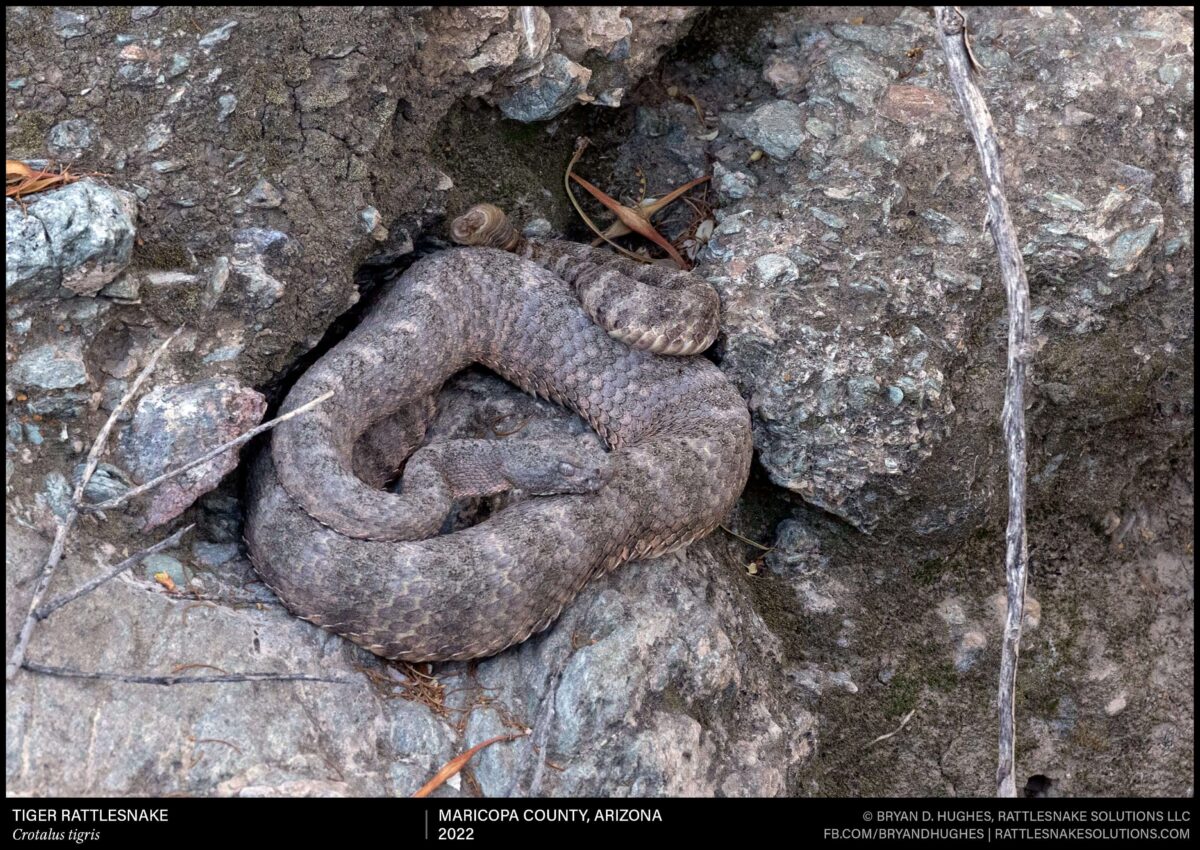
A Tiger Rattlesnake found in a very heavily visited park. This old snake is one of just a handful of Tiger Rattlesnakes that are known to remain in the park, and likely is very good at evading detection by hikers. This deconstructed, purple-ish tone look is typical for the species in the area. It now carries a PIT tag that will confirm its identity on future sightings.
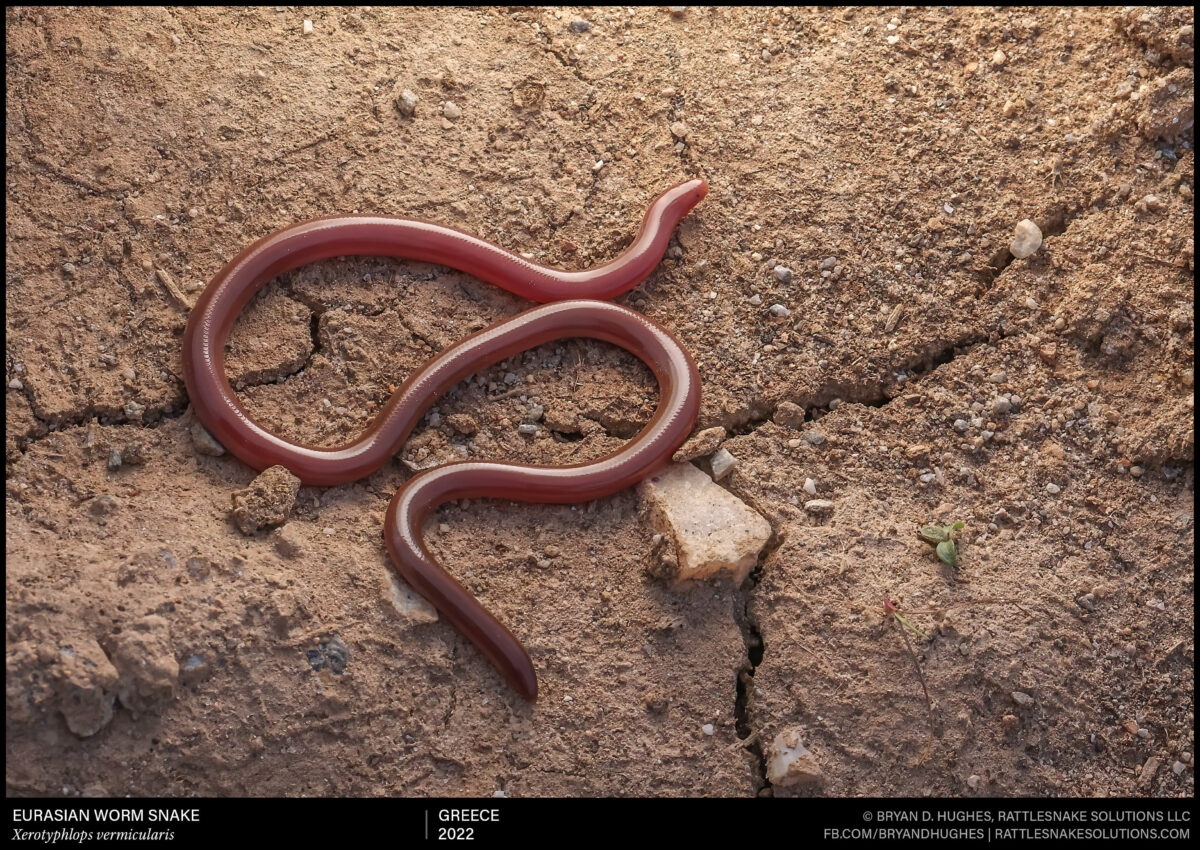
A Eurasian Worm Snake (Xerotyphlops vermicularis) we found in Greece a few years ago. Convergently, they’re very much like our more familiar threadsnakes in the southwestern US, though a bit thicker and easier to find. Just like ours, too, they’re about impossible to get a decent photograph.
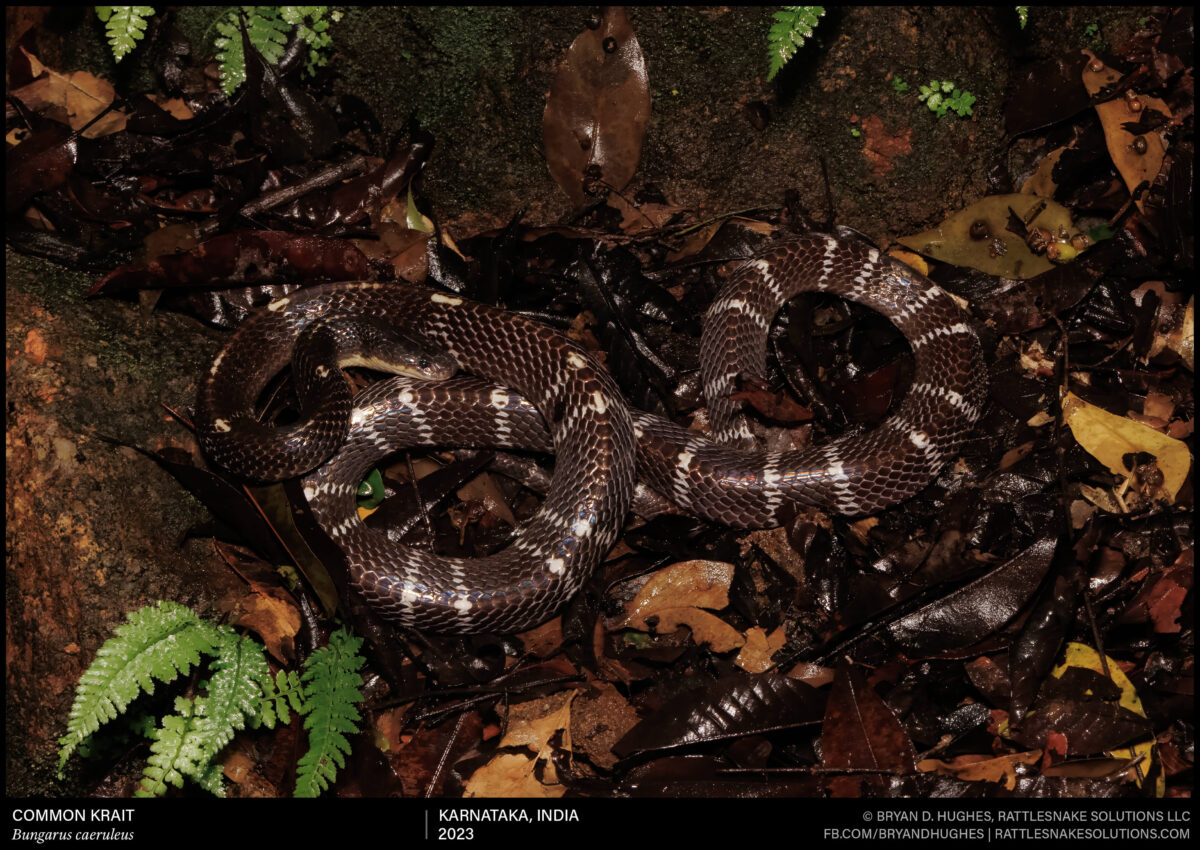
This is a large Common Krait (Bungarus caeruleus) that we found in the Western Ghats of India a few years ago. The photo isn’t great, but we weren’t taking any chances with this animal.
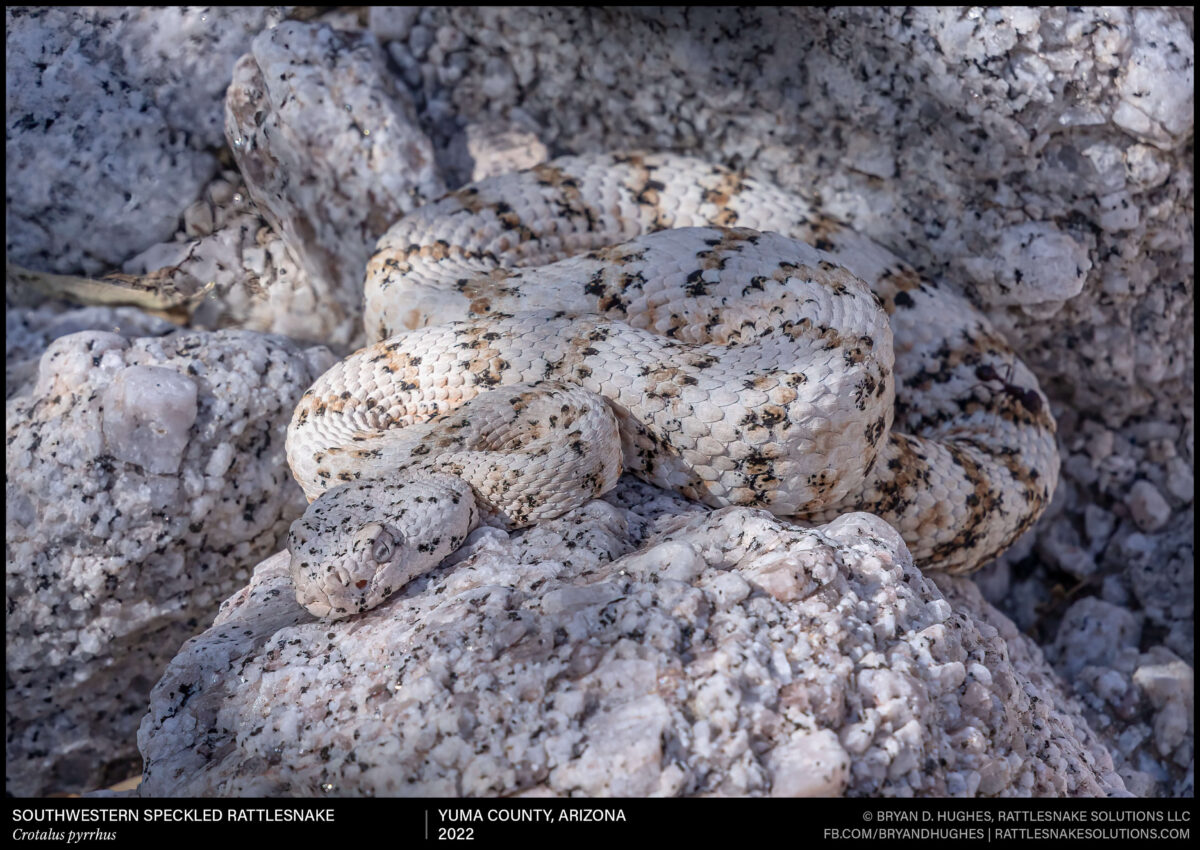
Southwestern Speckled Rattlesnakes (Crotalus pyrrhus) are some of the most cryptic snakes in the country. This white one isn’t an albino, but is showing off its natural color against the white granite in the environment where it lives.
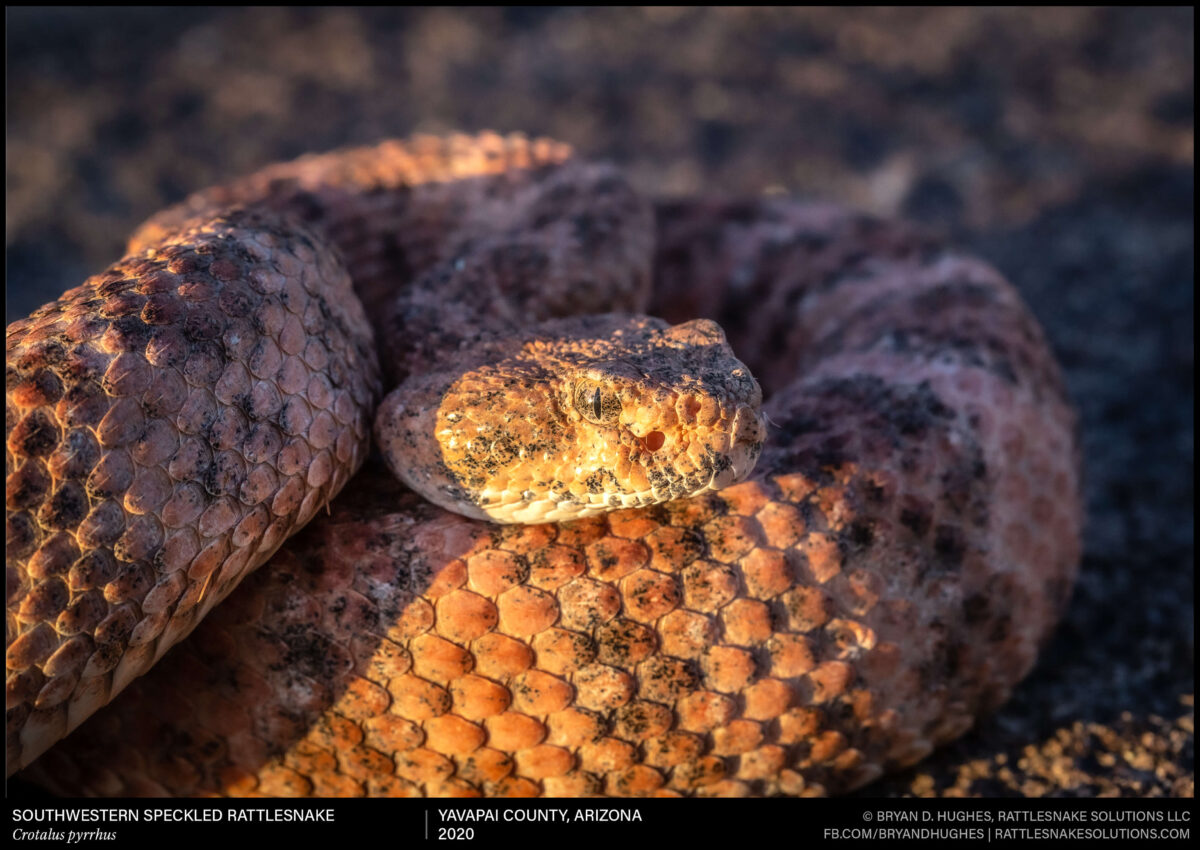
A bright orange and pink Southwestern Speckled Rattlesnake we found in Yavapai County, Arizona several years ago, photographed in the last light of the day. These snakes look just like the rock they’re found near, so the iron-rich boulders where this one is from make for a very pretty animal.