We saw this Western Diamondback Rattlesnake resting high on a ledge, just below a crevice where at least one other was resting.
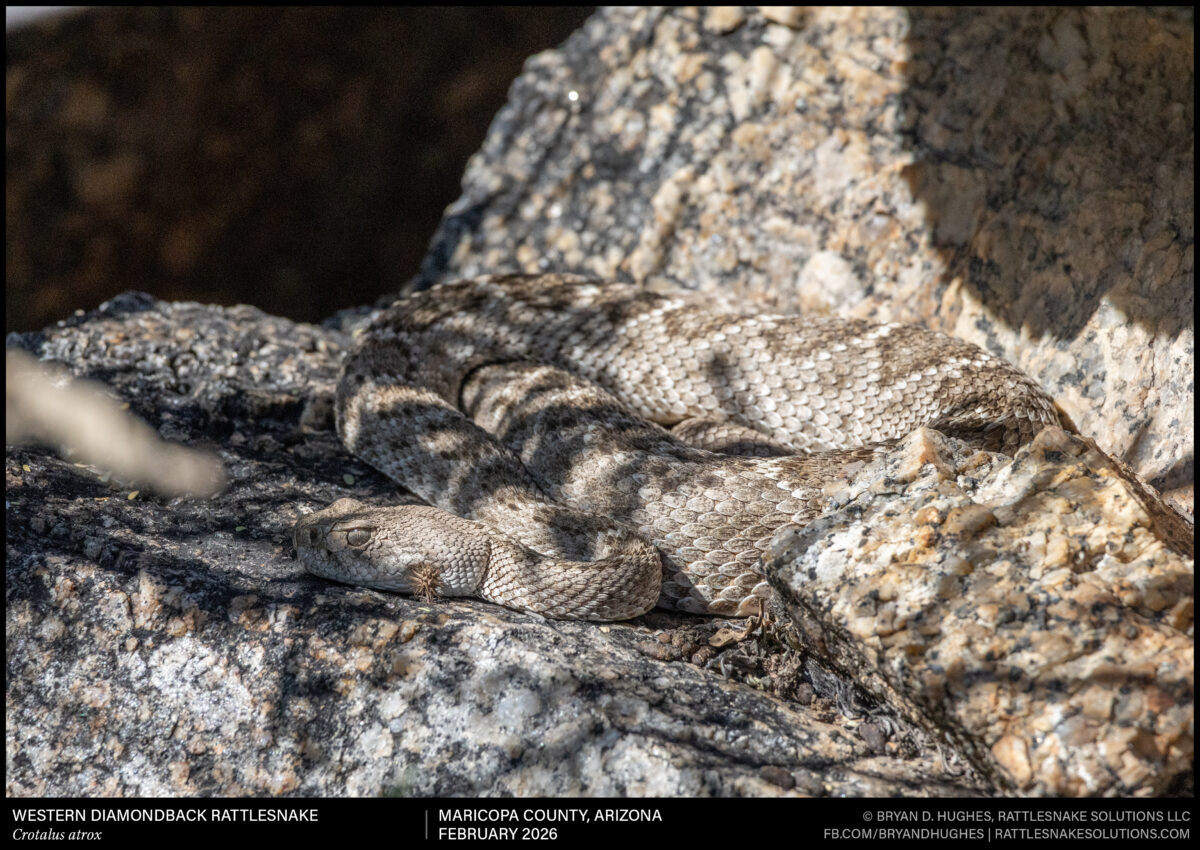

We saw this Western Diamondback Rattlesnake resting high on a ledge, just below a crevice where at least one other was resting.
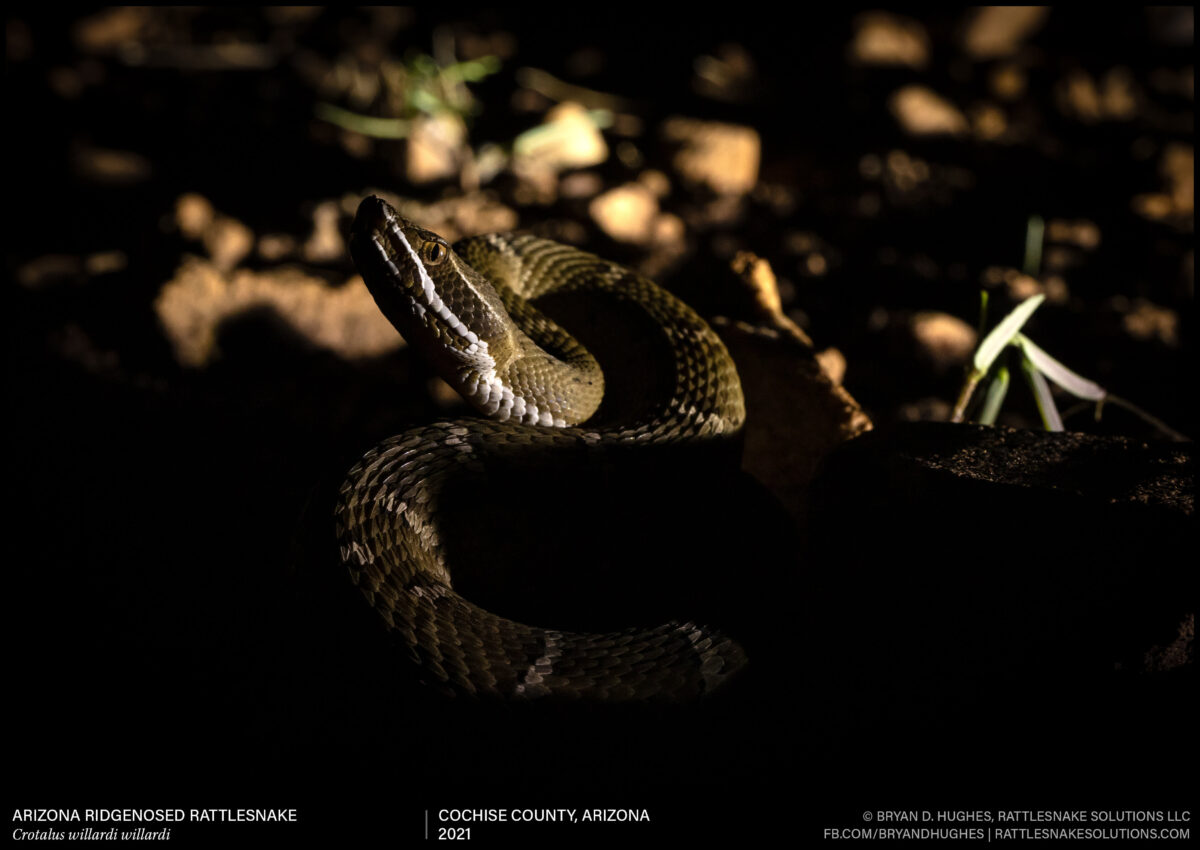
Arizona Ridgnosed Rattlesnakes are common in a few mountain ranges in southeastern Arizona, but not found in the desert environments where most people live. They are usually seen by hikers and wildlife observers in the daytime, but often found moving at night as well.
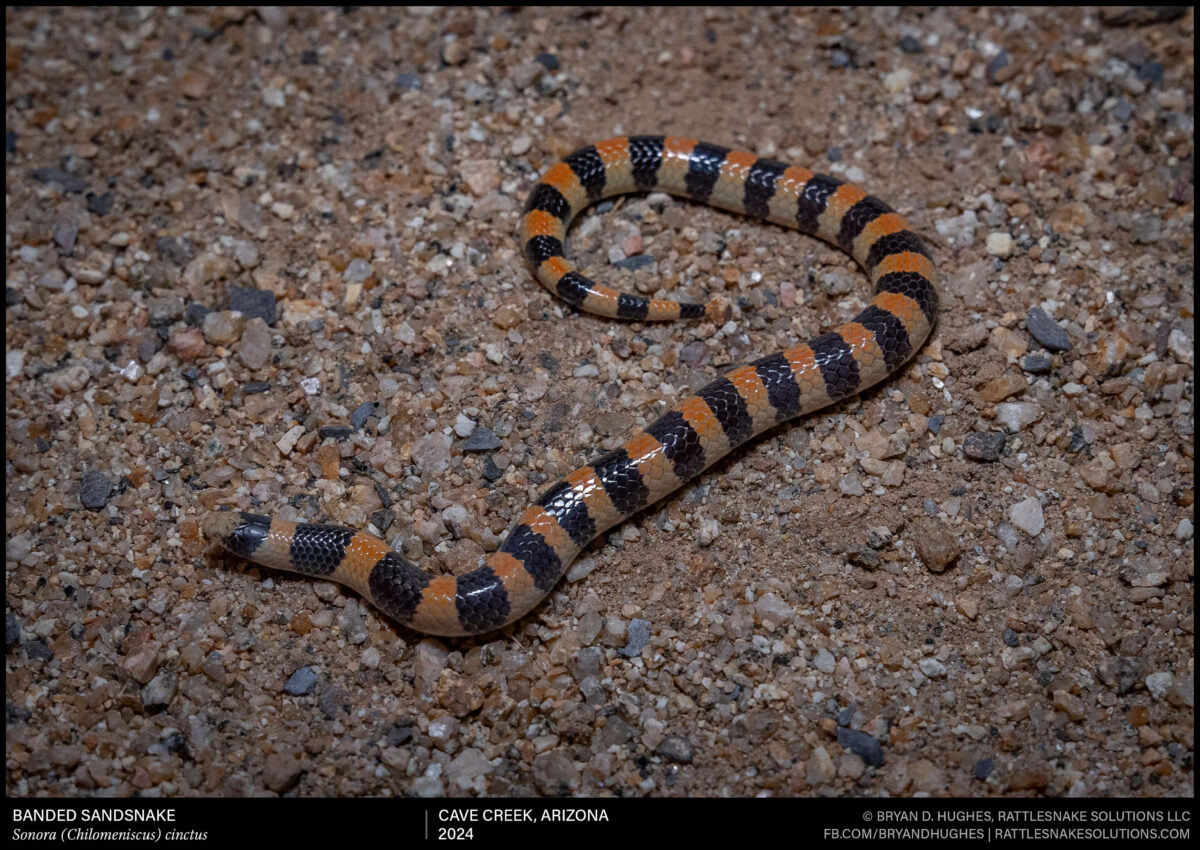
A Banded Sandsnake from my own backyard. These are tiny, even as adults. This one is a bit shorter than a pencil, and likely won’t get any bigger. They eat invertebrates, don’t bite, and are completely harmless to people and pets. They’re also very often mistaken for Western Groundsnakes, which look superficially similar.
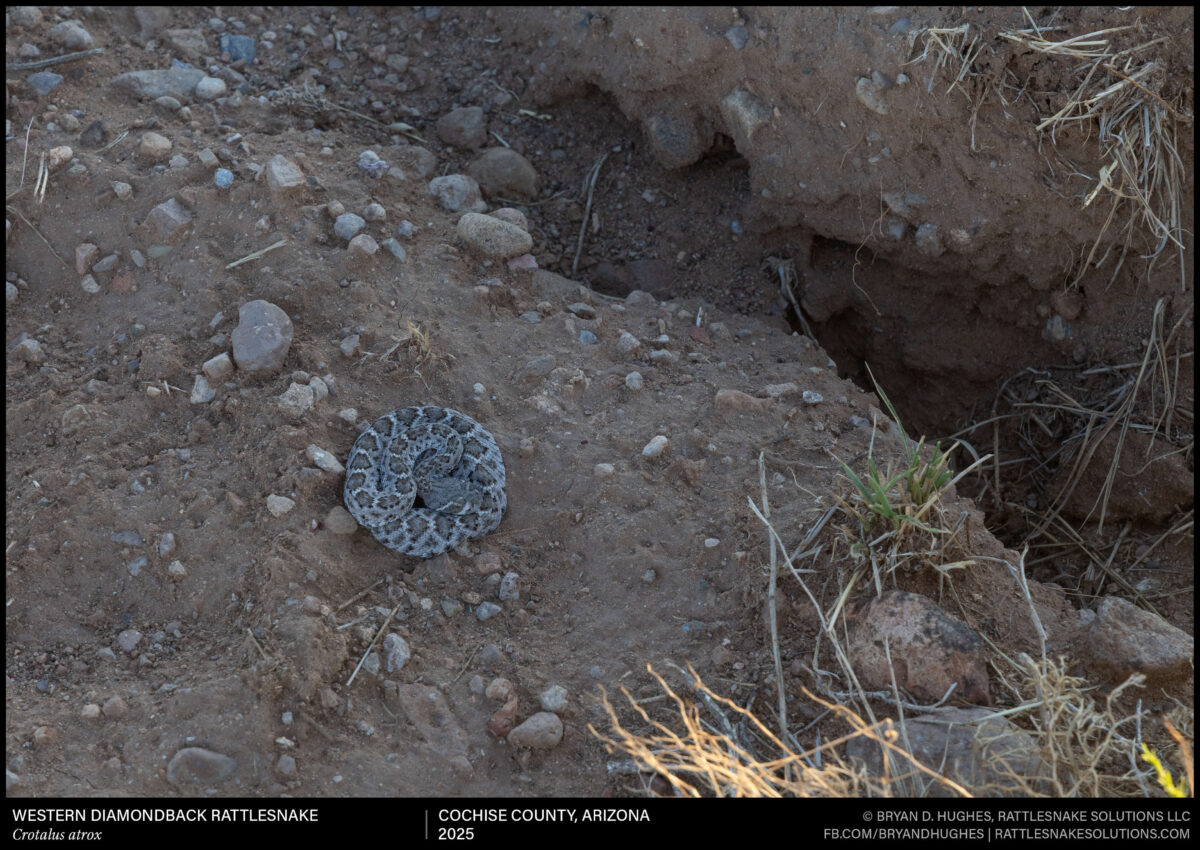
A neonate Western Diamondback Rattlesnake was spotted coiled near the rodent burrow it has been hiding out in during its first weeks of life. This was in July of last year, so it had to have been born pretty early in the season, relatively, to be by itself at that point.
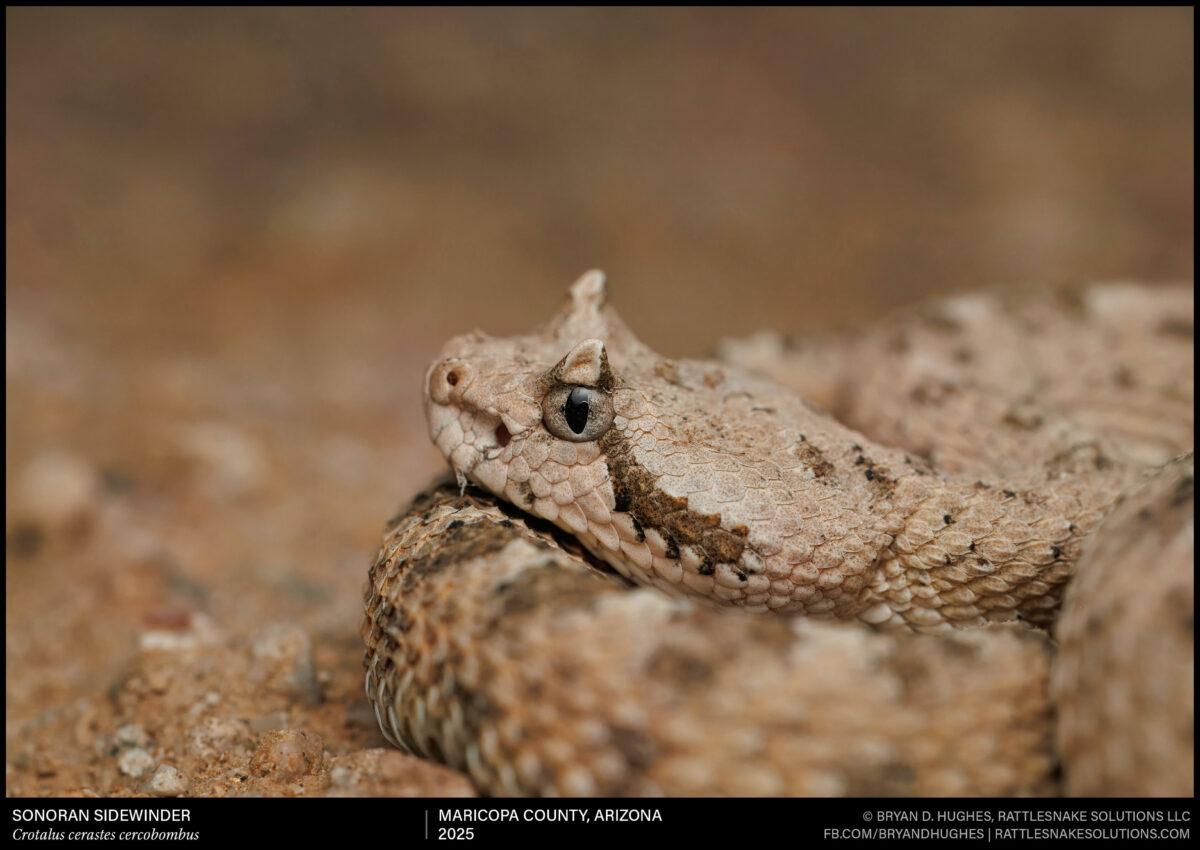
Sonoran Sidewinders are common snakes found in flat, sandy areas of southern Arizona. They used to inhabit nearly the entirety of the Phoenix metro valley, with records below Camelback Mountain and throughout Scottsdale. Of the rattlesnake species in the region, however, they are the first to die out as soon as an area is closed in by roads. This one was found near Phoenix in an area where they are still common, but future development will change that dramatically, soon.
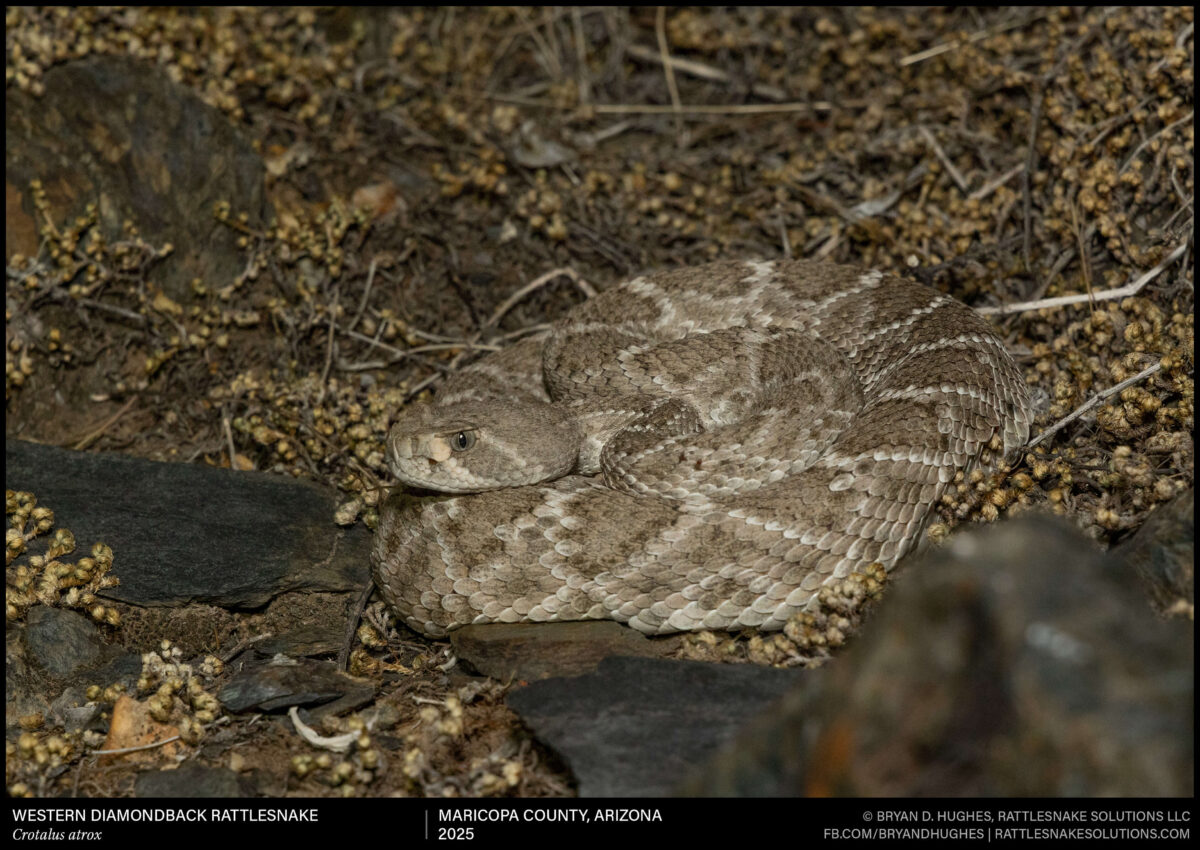
A Western Diamondback Rattlesnake I found in ambush on a late-night hike in a desert canyon. When it’s hot, these snakes are mostly nocturnal, only seeing daylight shortly after sunup for much of the summer.
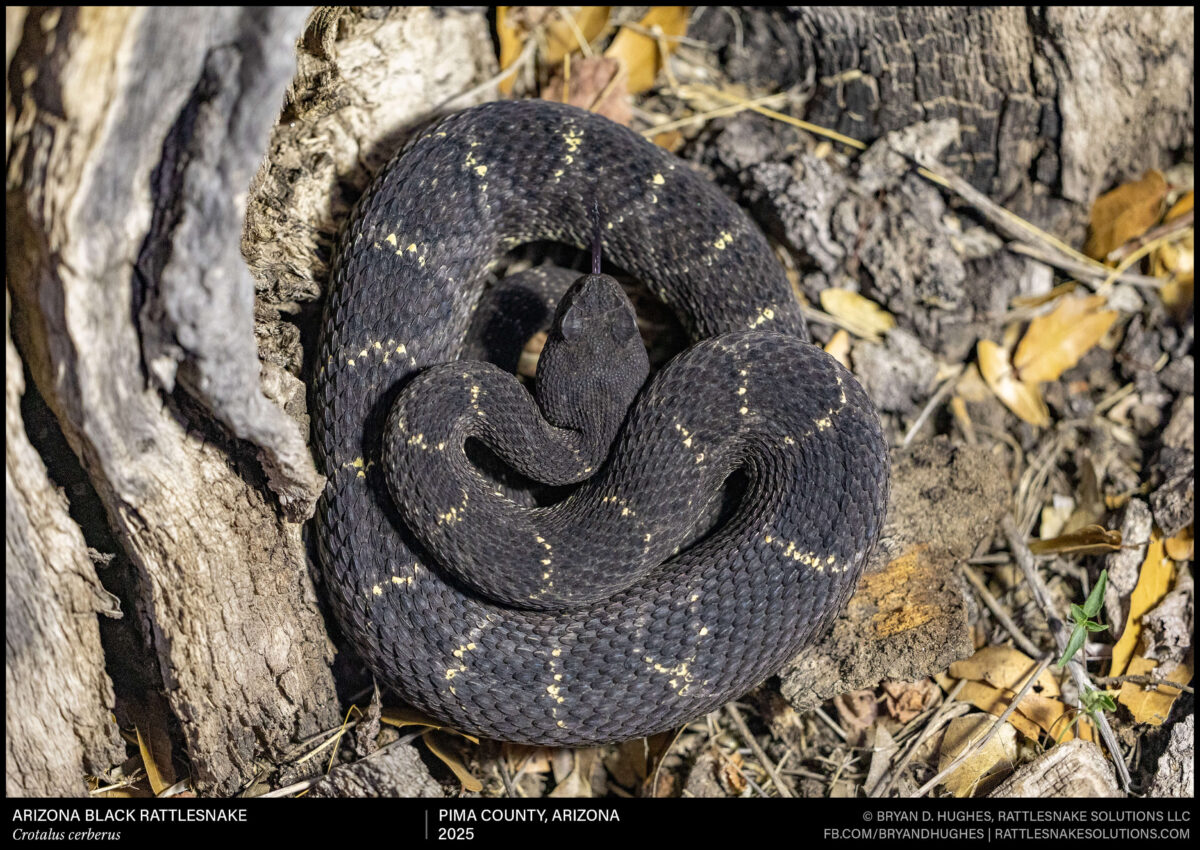
An Arizona Black Rattlesnake from southern Arizona. Even though I’m only in this location once or twice each year, I have seen this one several times over the last decade. There’s a small rock pile next to a log that it spends much of the summer making small movements around, and it was good to see it again as a little bit older, larger version of the last sighting a few years prior.
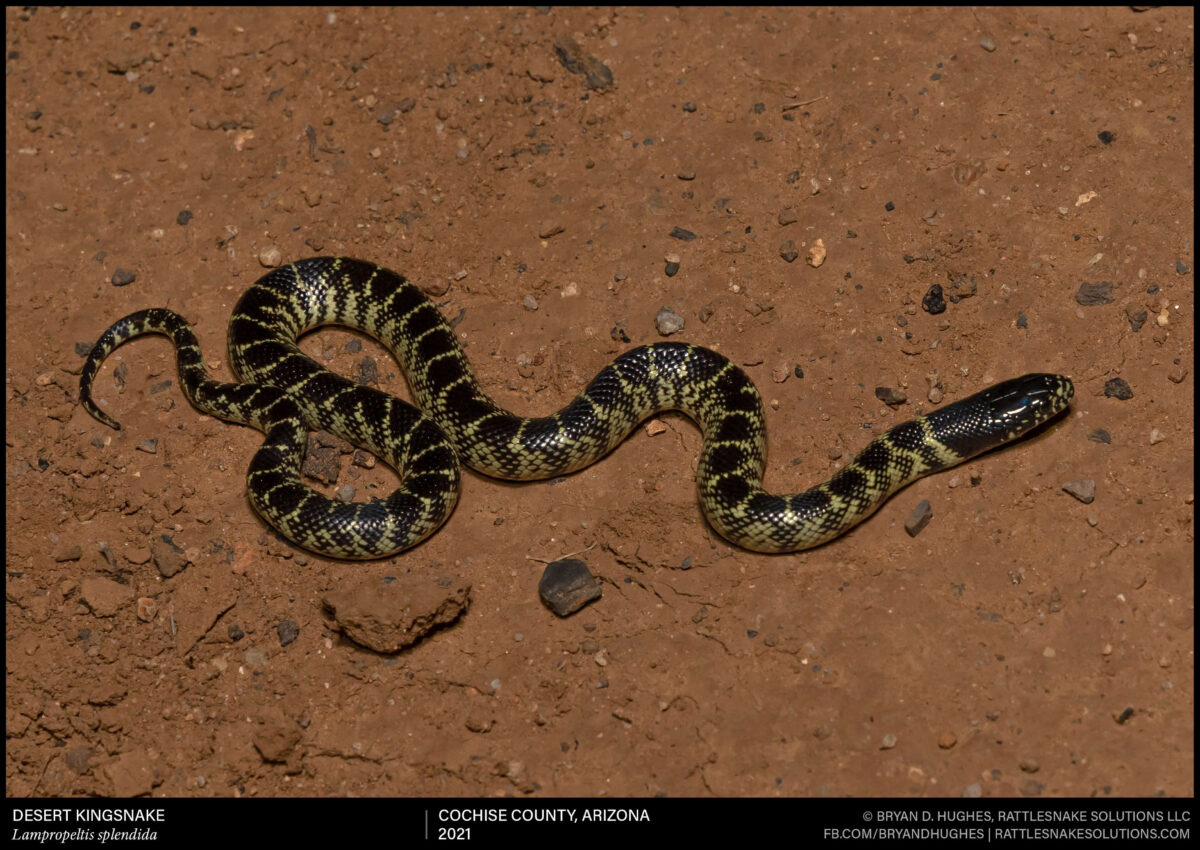
A young Desert Kingsnake (Lampropeltis spendida) from the southeastern corner of Arizona.
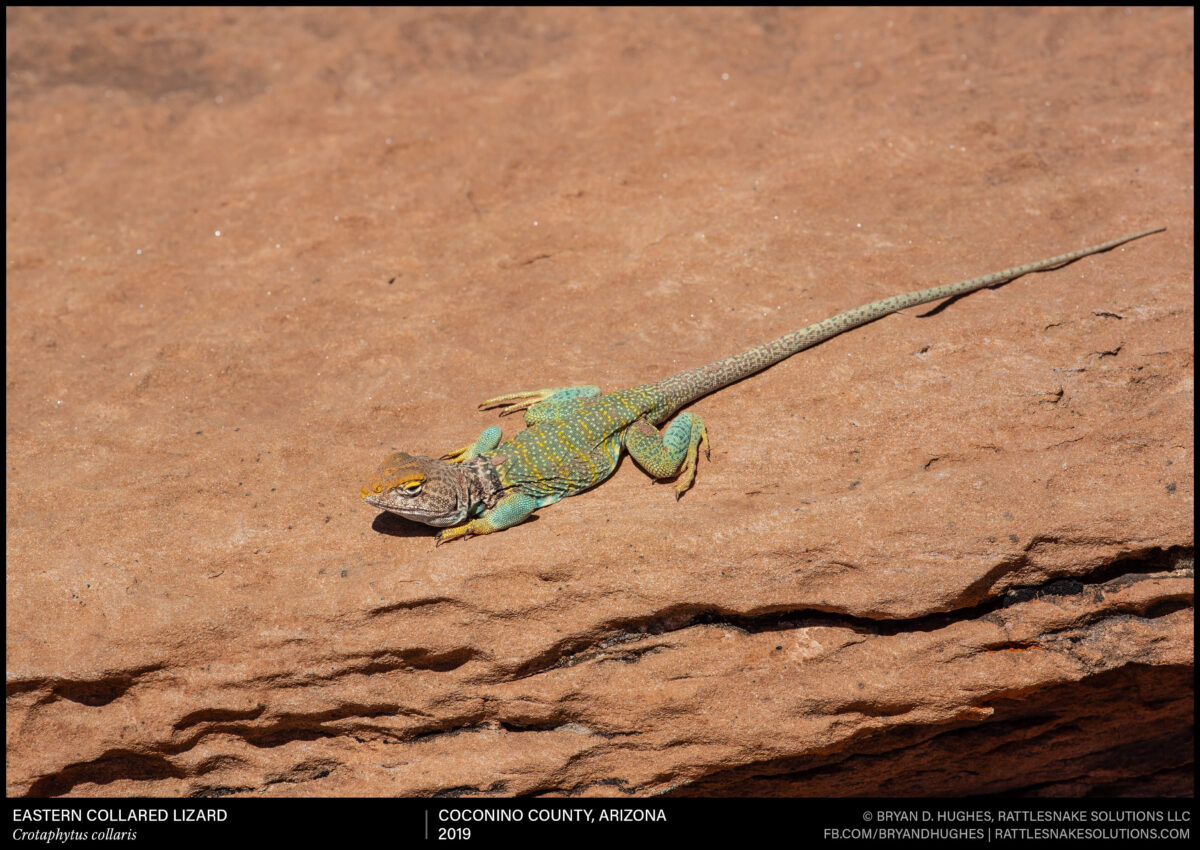
Arizona has some amazing, large lizards. This brightly colored one is an Eastern Collared Lizard. Based on a number of factors, they may be any variation of bright greens, blues, yellows, and oranges. This one was seen at a Prairie Rattlesnake den, carefully considering if we were something it needed to run away from.
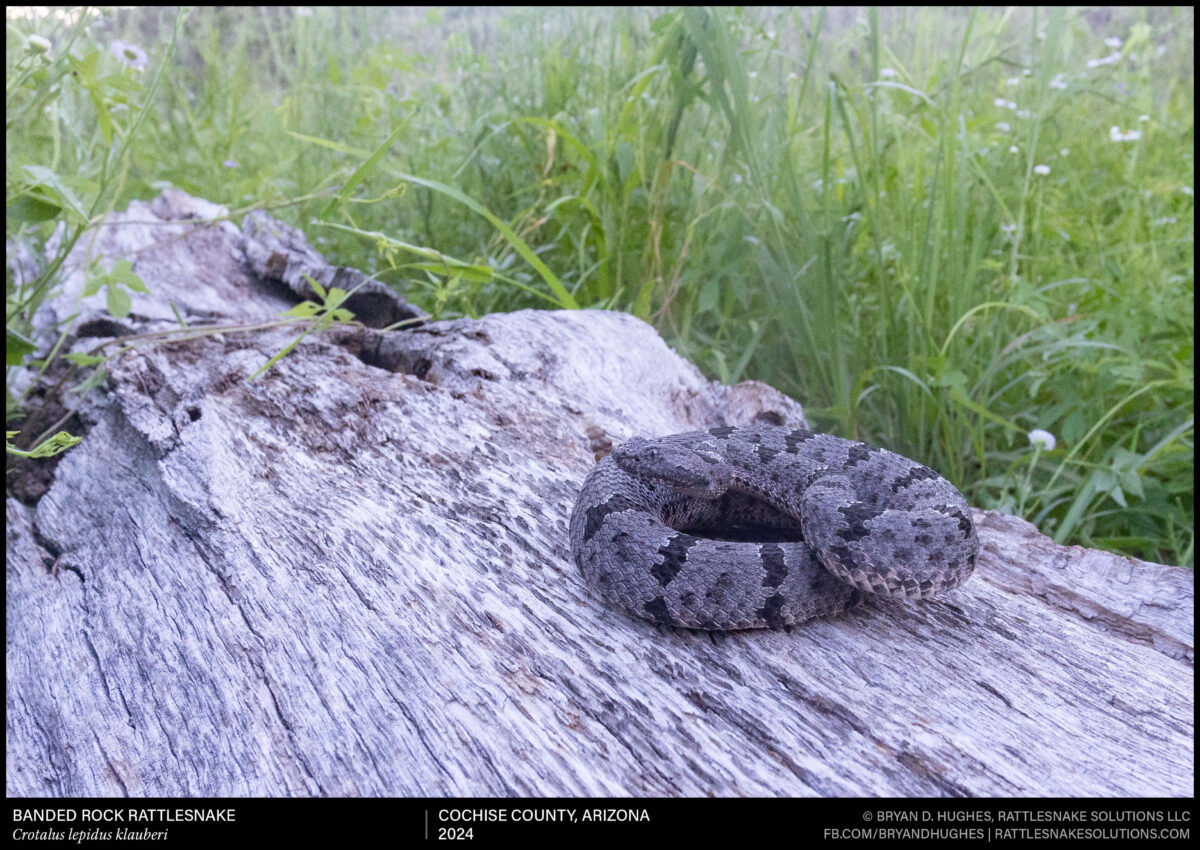
A Banded Rock Rattlesnake from southeastern Arizona. These snakes are typically quick to rattle and flee into cover. But due to their small size, it can sound more like an insect than a rattlesnake. Despite being common and locally abundant, there is little chance of an accidental bite to anyone not purposely trying to capture one.