Blacktailed Rattlesnake Den

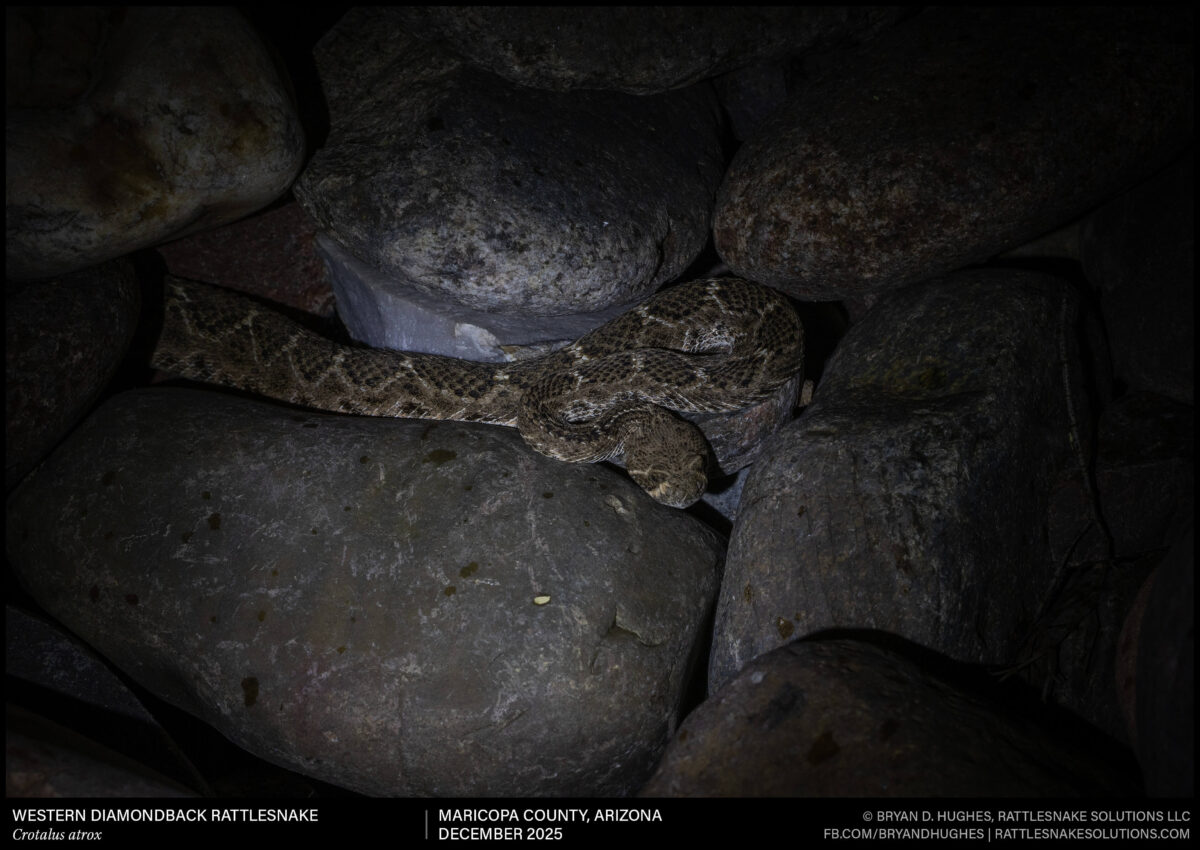
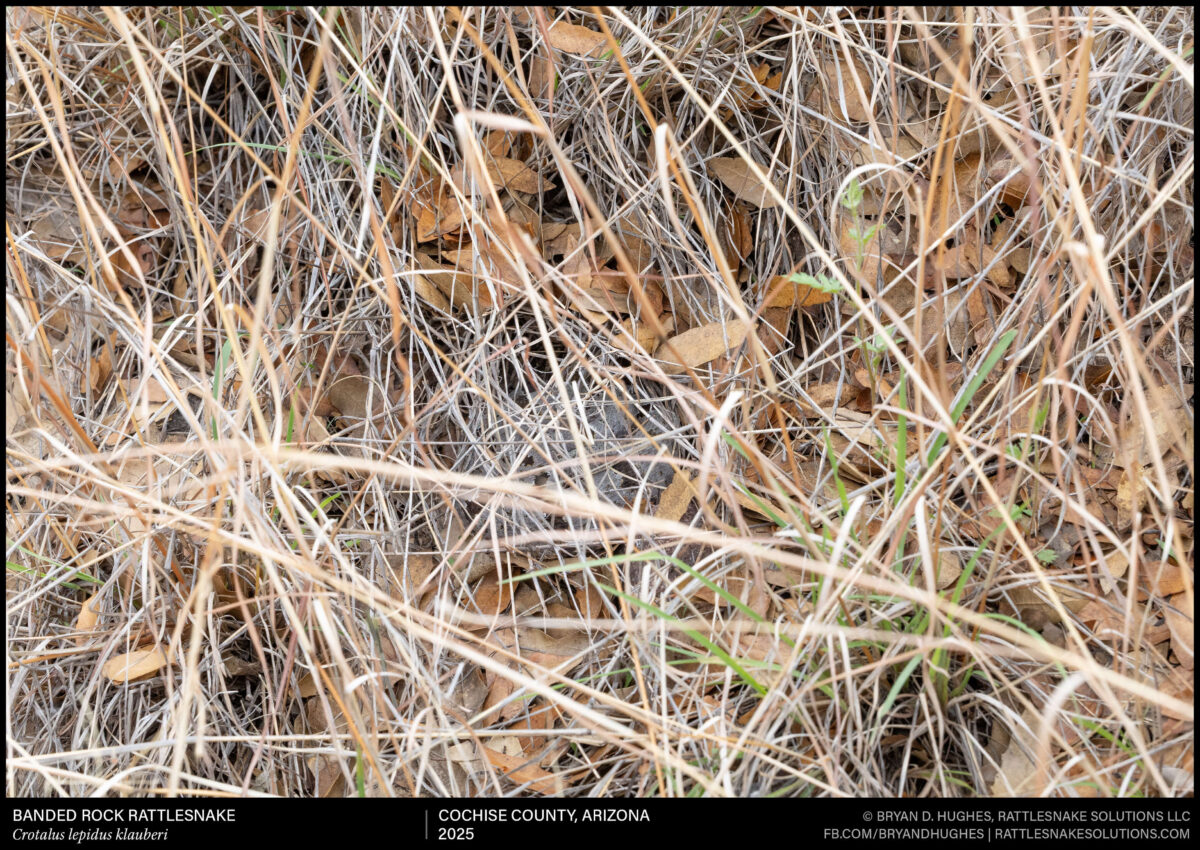
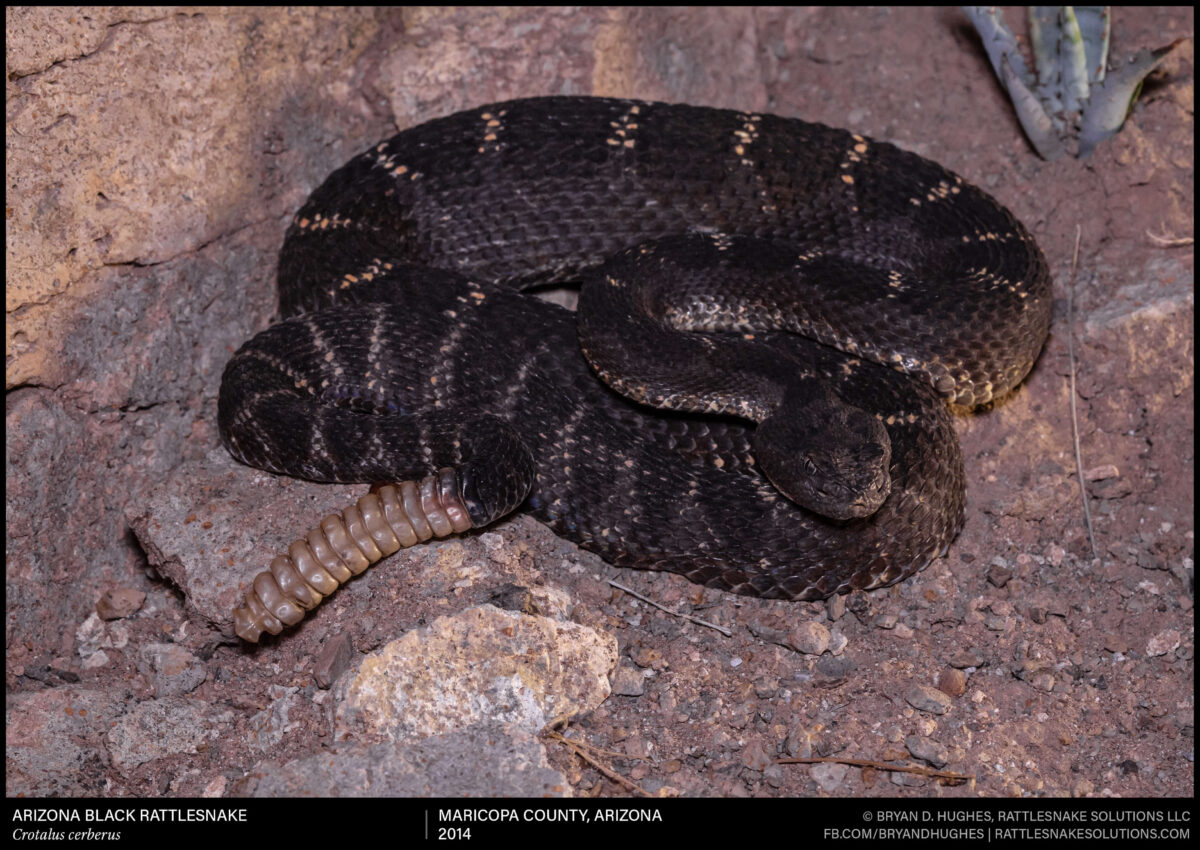
After a relatively unproductive weekend in the early Spring at higher elevation, I made a quick stop by a large rocky outcrop on the way home on a whim. I have been driving past this particular rock for more than a decade, always in a hurry somewhere or dead tired, always thinking “one nof these days, I’ll check that out; it has to be a den“. Well that day was the day, and of course, it was a winter den. This large blacktailed rattlesnake was laid out over a boulder getting some sun, with others another in the crevices behind it. I’ll check it out again next year in more prime conditions.

Western Diamondback Rattlesnake Ready To Fight

A male Western Diamondback Rattlesnake raises up to challenge another to a fight. The only problem: rocks getting in the way. Both males discovered one another in a narrow gap, which caused a lot of awkward shuffling before they managed to get some room to wrestle. Eventually, the other came out as well, and after a brief wrestling match, both went tumbling down the hill with no clear victor.

Western Diamondback Rattlesnake Warning

A Western Diamondback Rattlesnake communicating with me in the same way it does with any of the many predators that it fears. He stands up as tall as he can, hissing, rattling, and making the idea of coming any closer a decidedly bad idea.

What it isn’t doing: showing aggression. This behavior, even though it may seem scary (as it is intended to), is not a sign of “attack”, but a small animal’s best attempt at preserving its own life. For some reason, humans have a very hard time understanding this, and the incredibly simple way for everyone to leave safely: walk away. After a few photos, that’s what I did. Thanks for the heads up, snake.

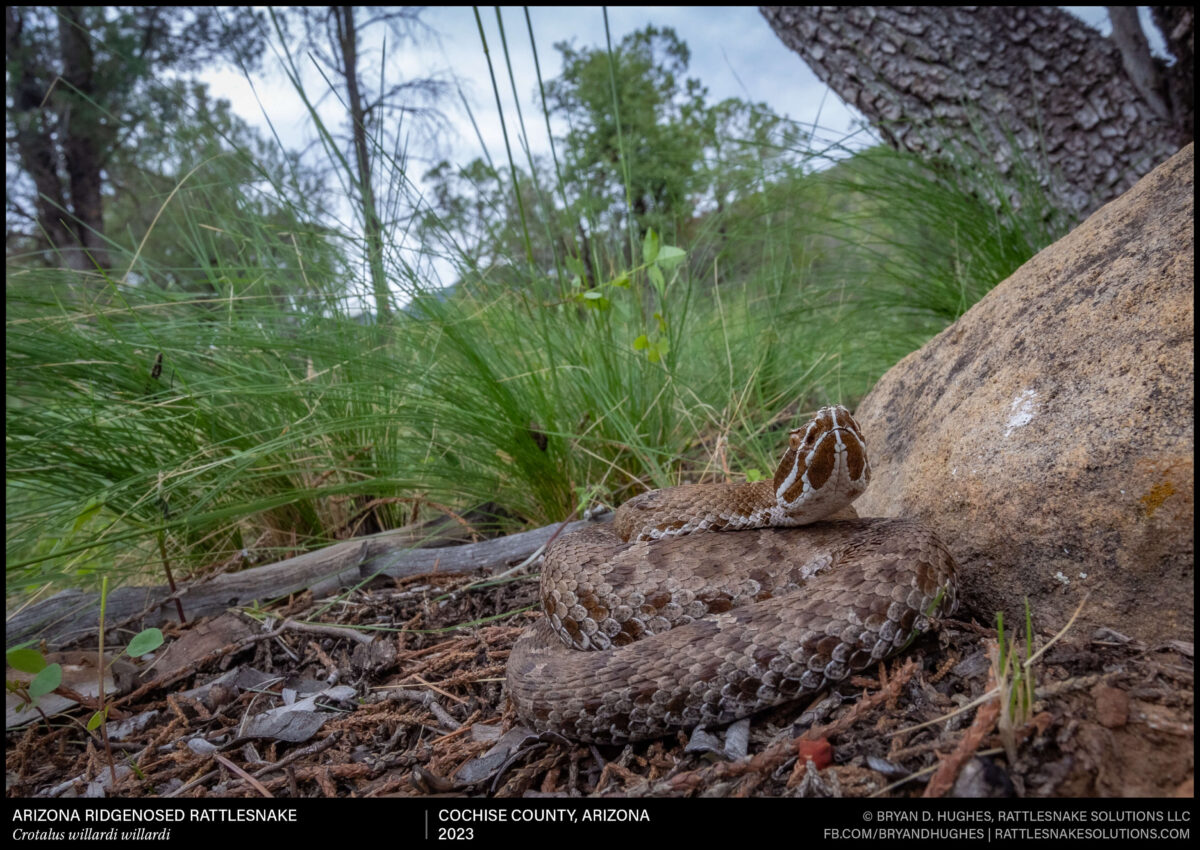
Arizona Ridgenosed Rattlesnake

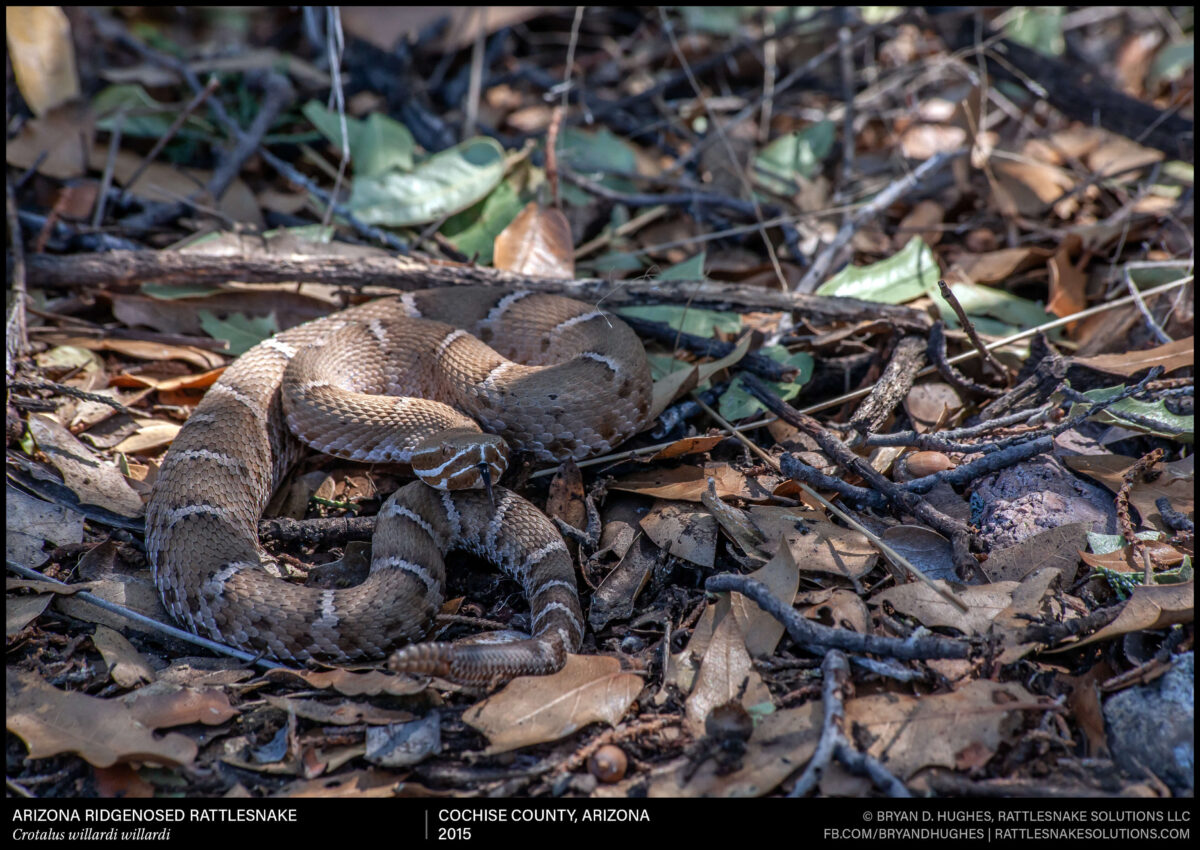
An Arizona Ridgenosed Rattlesnake from the southeastern corner of Arizona. I photographed this young snake back in 2014 (that’s how behind I am in photos).

At this point, assuming she hasn’t met an end by fire, drought, bear, poacher, or any of the other ways a small snake can enter the carbon cycle, she is an older adult. She may have given birth every couple or few years, and still has a lot of life to live. Rattlesnakes can live for decades, continually learning to make better use of their environment and home range.