A Southwestern Speckled Rattlesnake from central Arizona. In this region, the rocks are often brightly colored with oxidized metals and tinted crystals. This makes for some really amazing snakes.

A Southwestern Speckled Rattlesnake from central Arizona. In this region, the rocks are often brightly colored with oxidized metals and tinted crystals. This makes for some really amazing snakes.
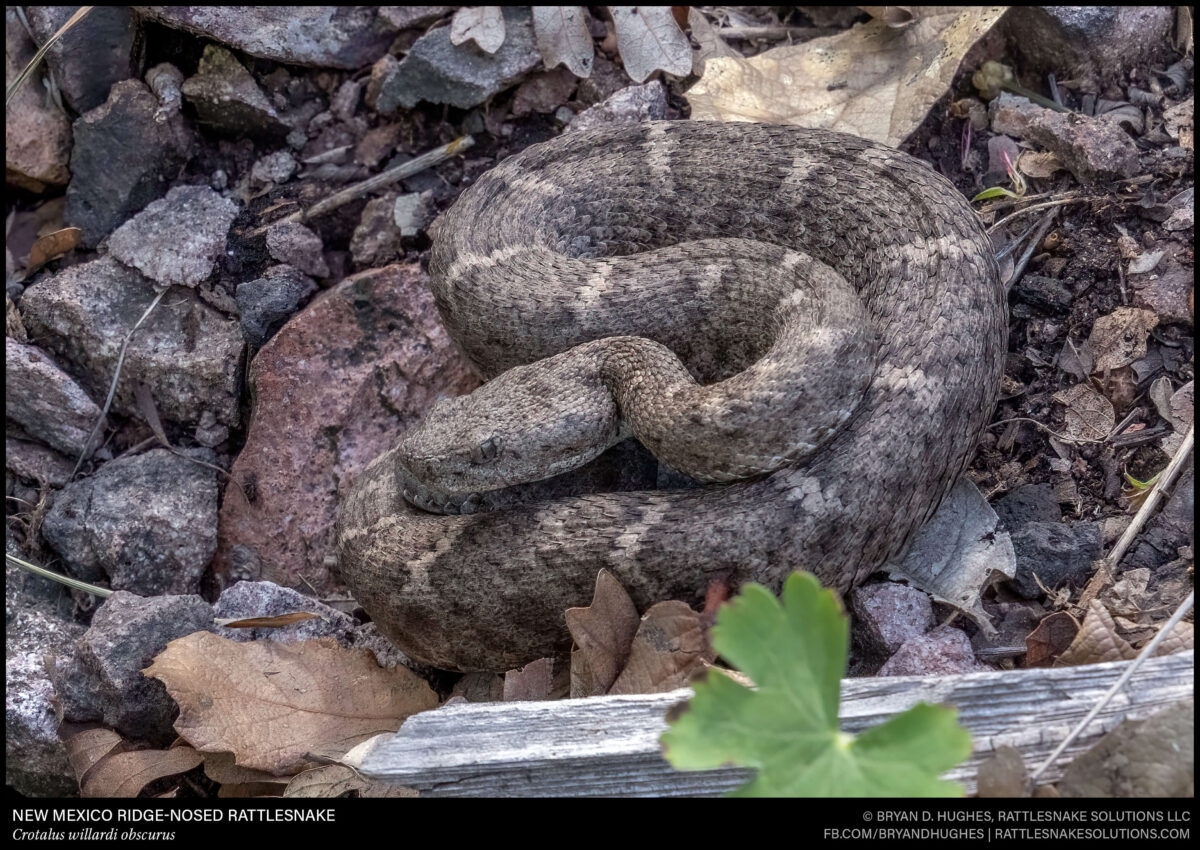
New Mexico Ridgenosed Rattlesnake (Crotalus willardi obscurus) from a survey several years ago.
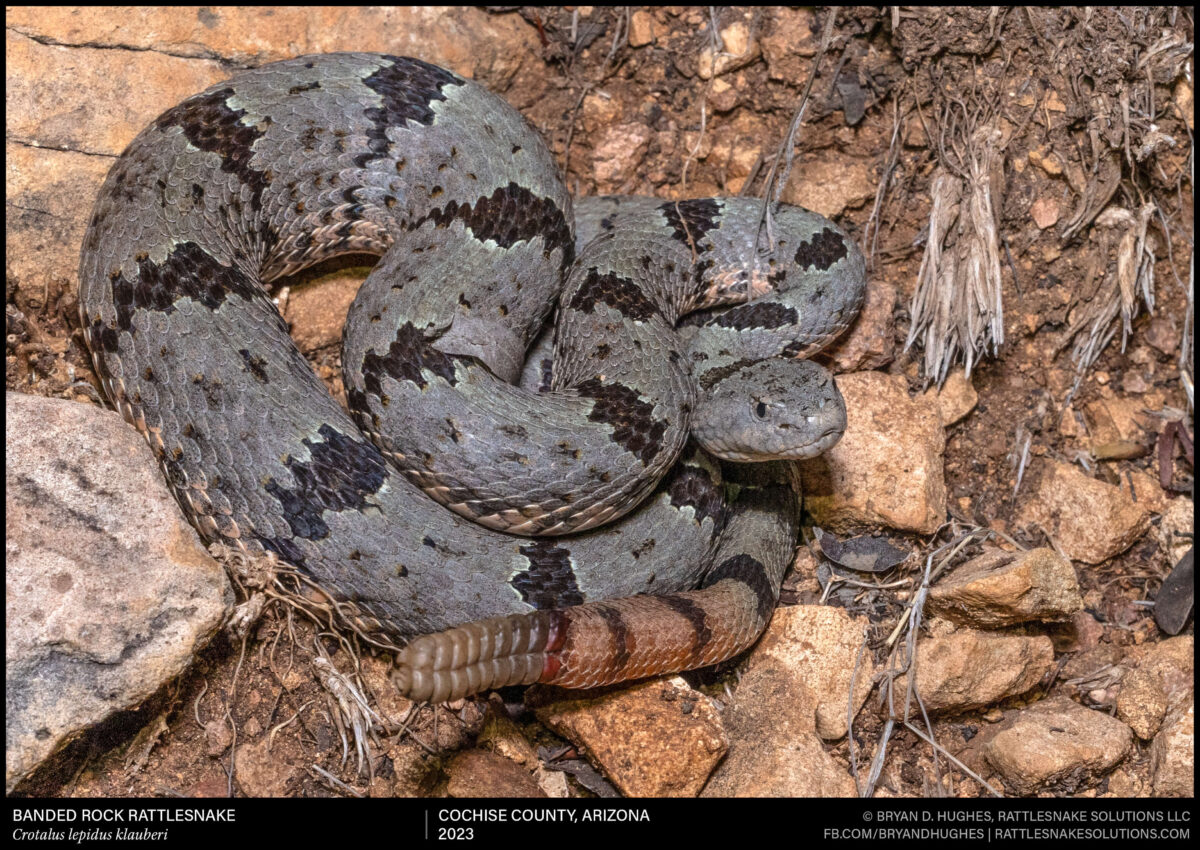
A Banded Rock Rattlesnake in the southeastern corner of Arizona. These are small rattlesnakes that tend to buzz and dive into rocks when seen.
Surprisingly, for as common as they are, discussion with local ranchers is usually met with a “huh?” when describing or showing photos of them.
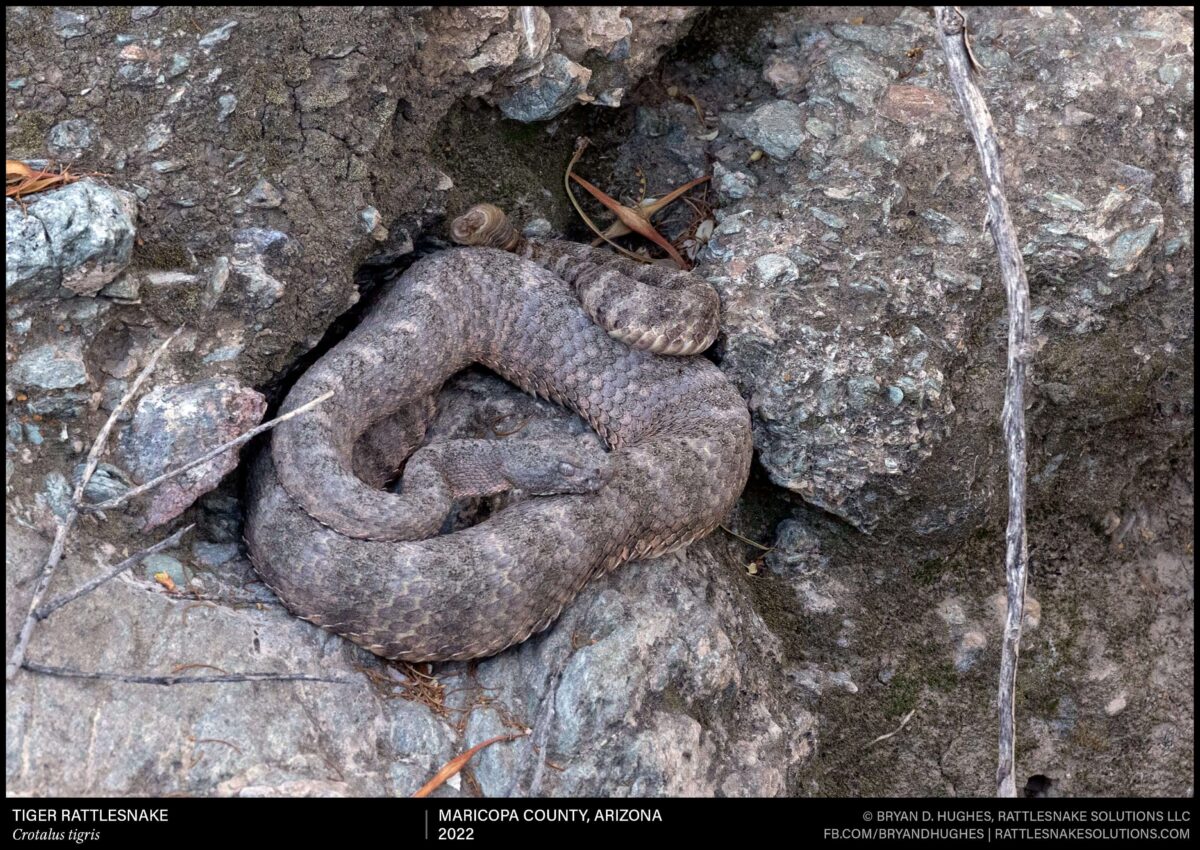
A Tiger Rattlesnake found in a very heavily visited park. This old snake is one of just a handful of Tiger Rattlesnakes that are known to remain in the park, and likely is very good at evading detection by hikers. This deconstructed, purple-ish tone look is typical for the species in the area. It now carries a PIT tag that will confirm its identity on future sightings.
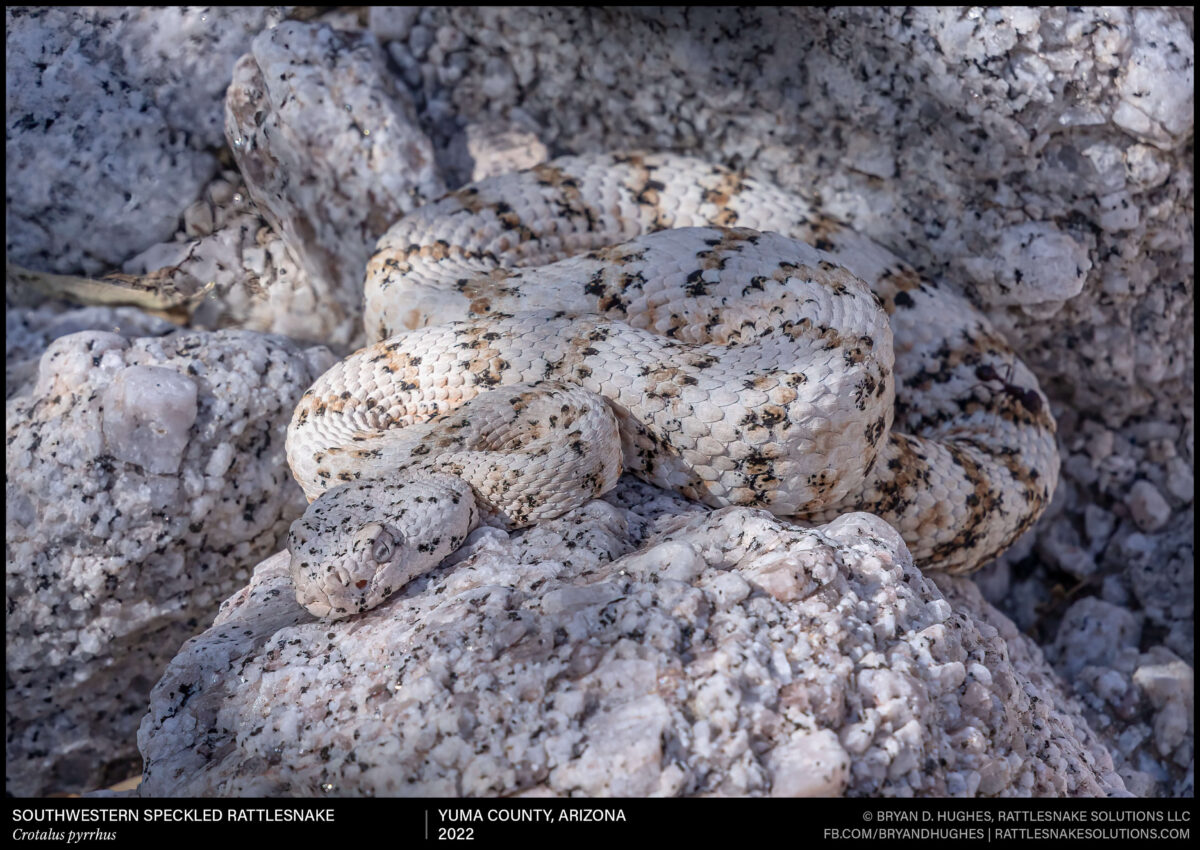
Southwestern Speckled Rattlesnakes (Crotalus pyrrhus) are some of the most cryptic snakes in the country. This white one isn’t an albino, but is showing off its natural color against the white granite in the environment where it lives.
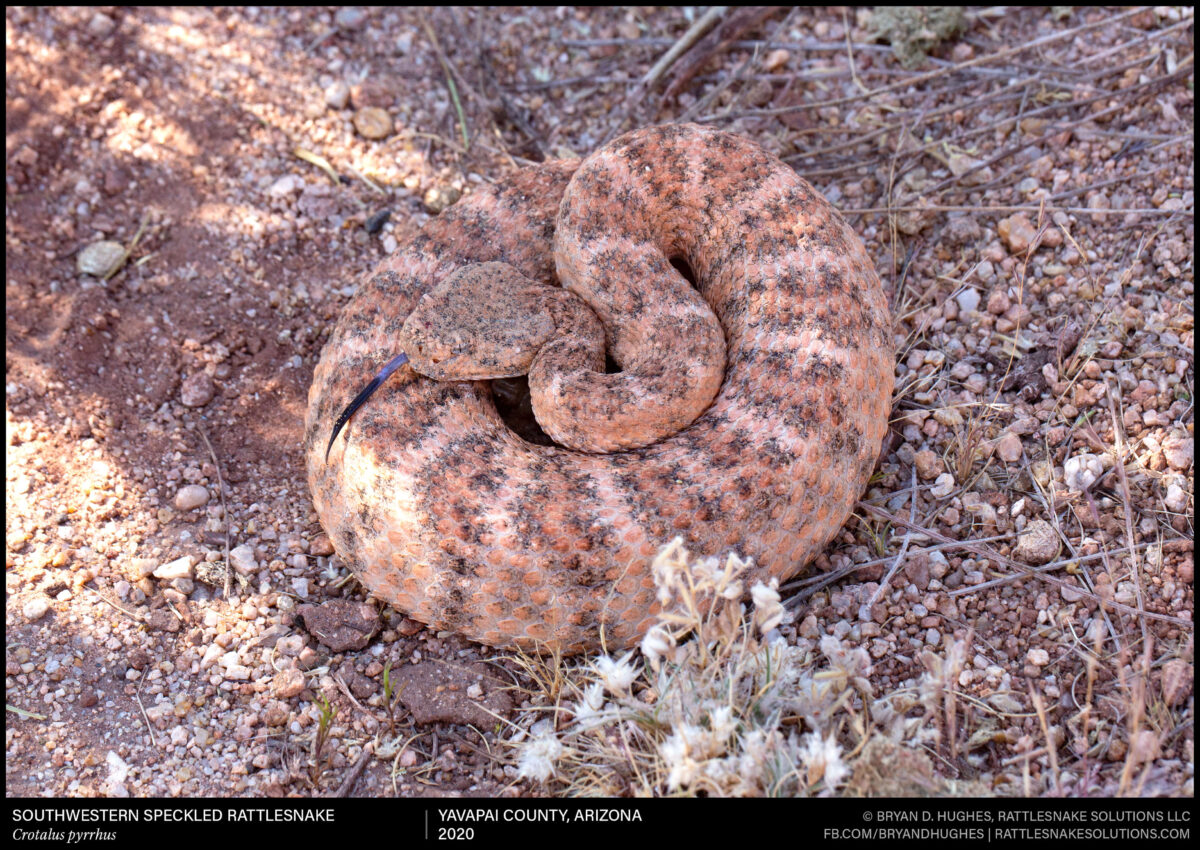
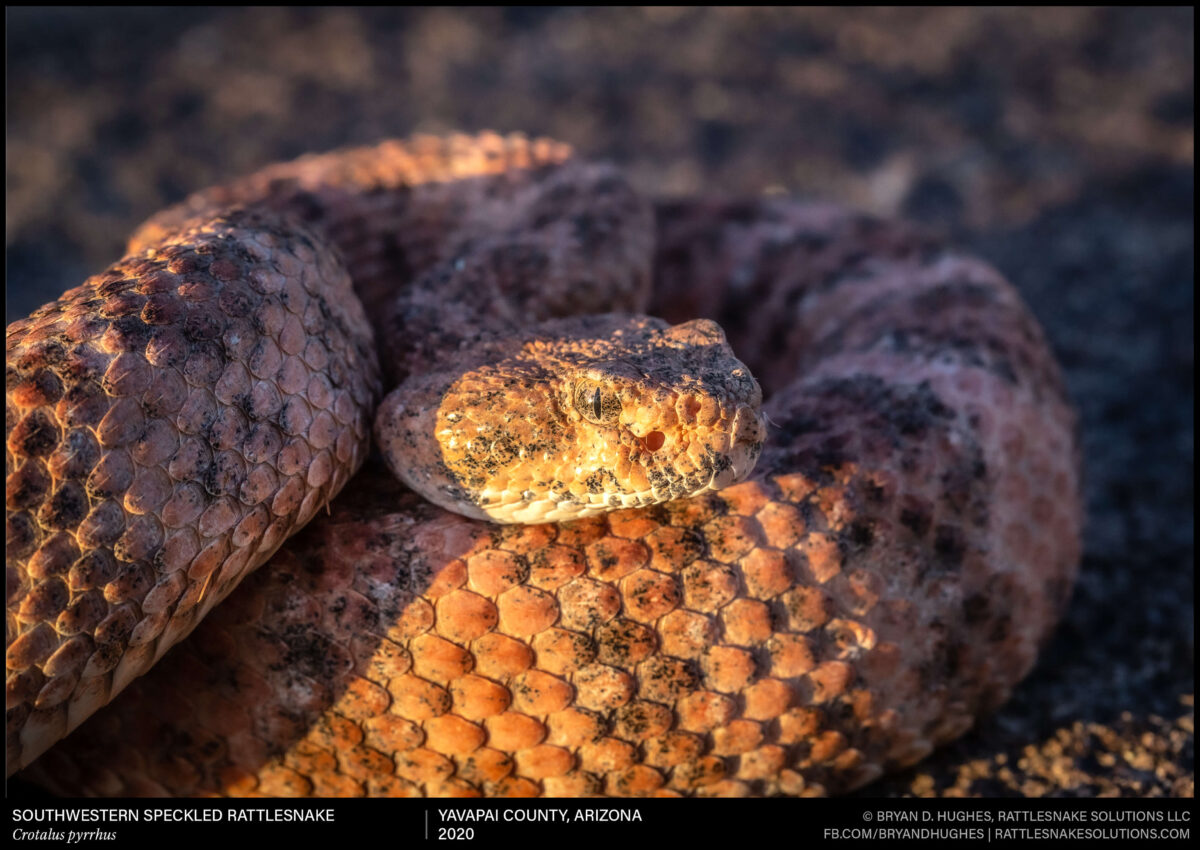
A bright orange and pink Southwestern Speckled Rattlesnake we found in Yavapai County, Arizona several years ago, photographed in the last light of the day. These snakes look just like the rock they’re found near, so the iron-rich boulders where this one is from make for a very pretty animal.
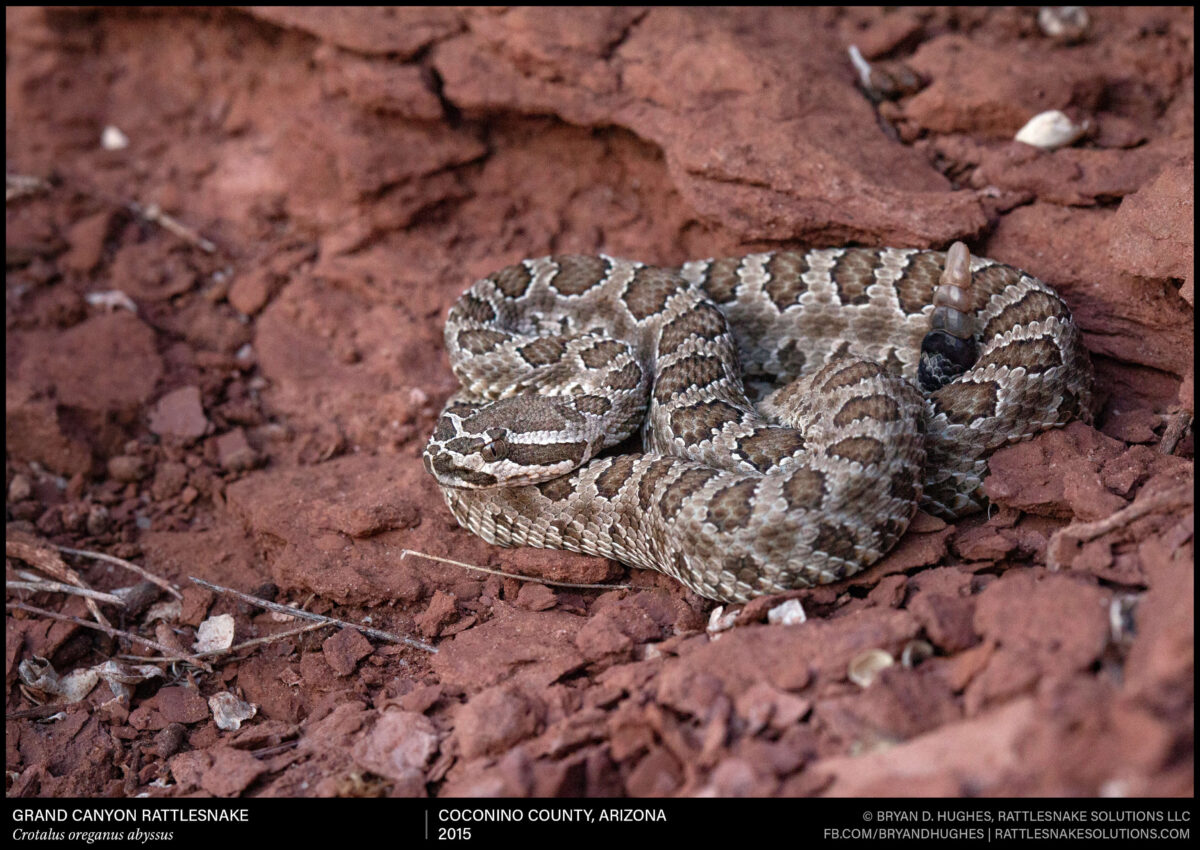
A young Grand Canyon Rattlesnake I found near its namesake a little over a decade ago. As this snake matures, the clean pattern of its head and body will fade and degrade to a series of dark splotches and smudges against a simple background.
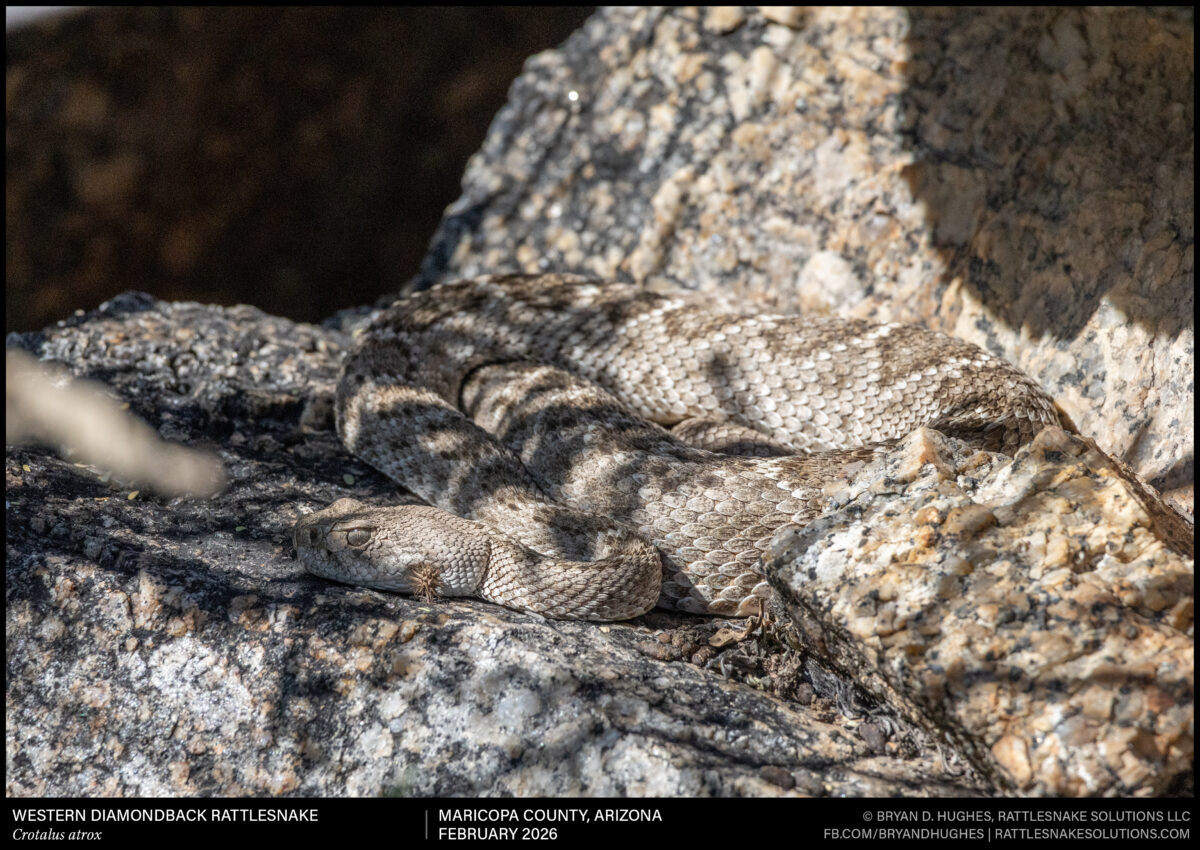
We saw this Western Diamondback Rattlesnake resting high on a ledge, just below a crevice where at least one other was resting.
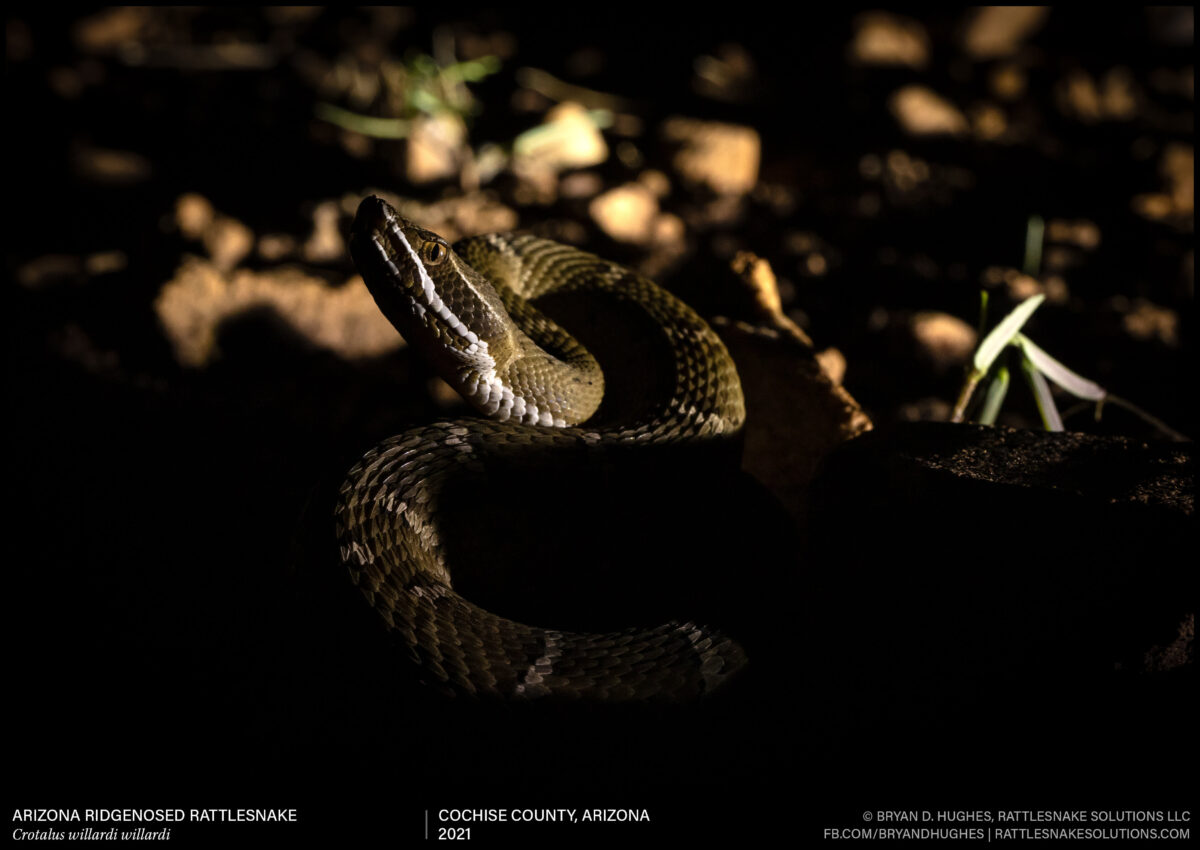
Arizona Ridgnosed Rattlesnakes are common in a few mountain ranges in southeastern Arizona, but not found in the desert environments where most people live. They are usually seen by hikers and wildlife observers in the daytime, but often found moving at night as well.
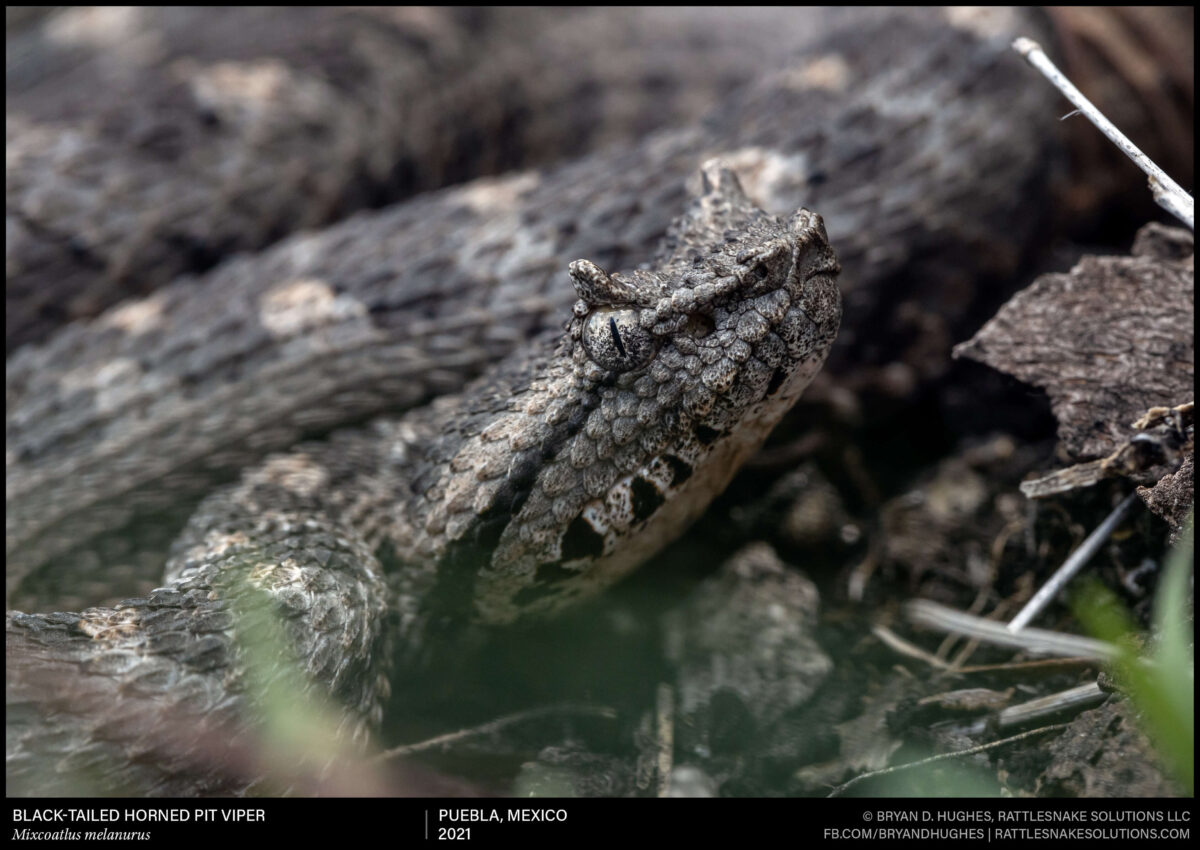
A cool little viper with horn-like scales above the eyes. That’s a common thing with arboreal vipers in Central and South America, but vipers with “horns” are relatively few in comparison. They’re closely related to other montane vipers in the area that have similar structures, but live more familiar lives in steep, heavily vegetated forests.
A few hours of careful scouring of perfect habitat turned up none of these. Then after having more or less given up, I decided to flip some rocks near the cars while we waited for the crew to reassemble … and poof: the target. It’s fun when that happens.