A Central American Eyelash Viper I found on a family vacation about a year ago to Costa Rica. I found none of the golden yellow version, but this minty green zipper patterned one was a welcome sight.
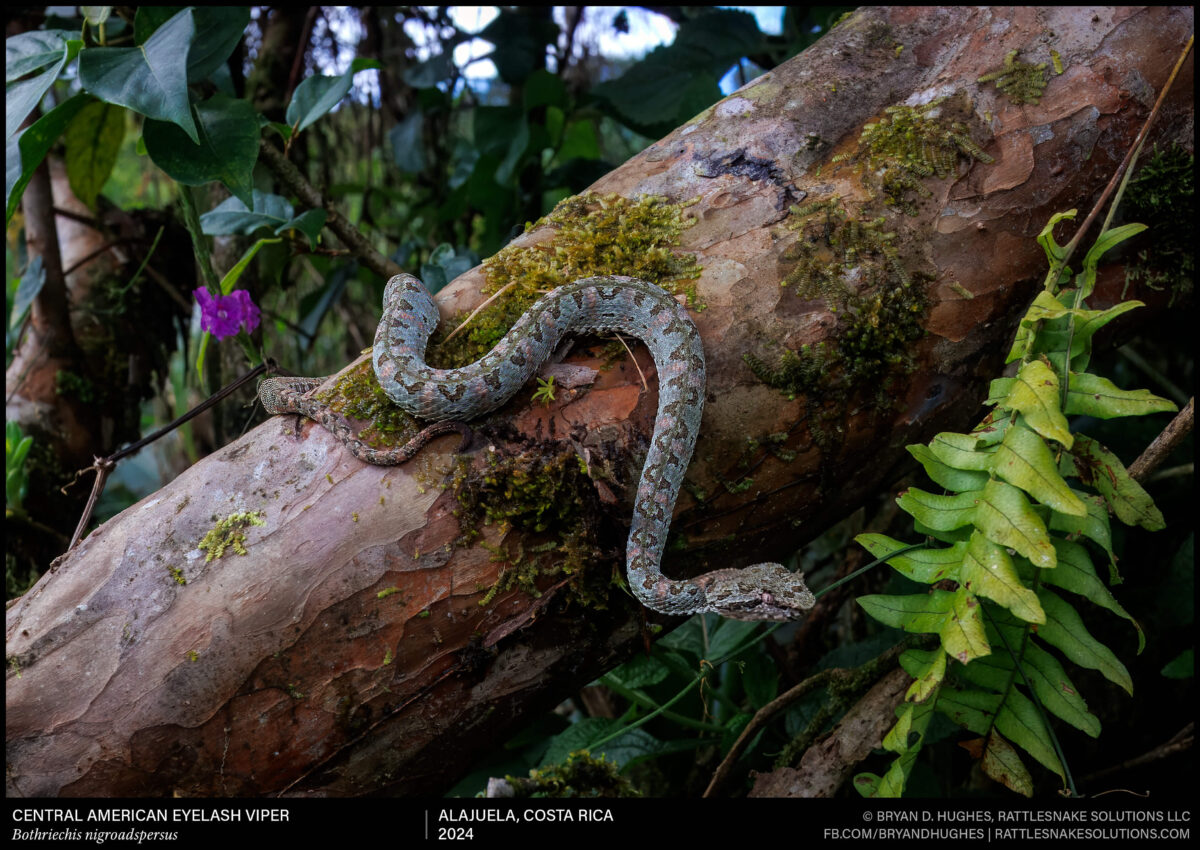

A Central American Eyelash Viper I found on a family vacation about a year ago to Costa Rica. I found none of the golden yellow version, but this minty green zipper patterned one was a welcome sight.
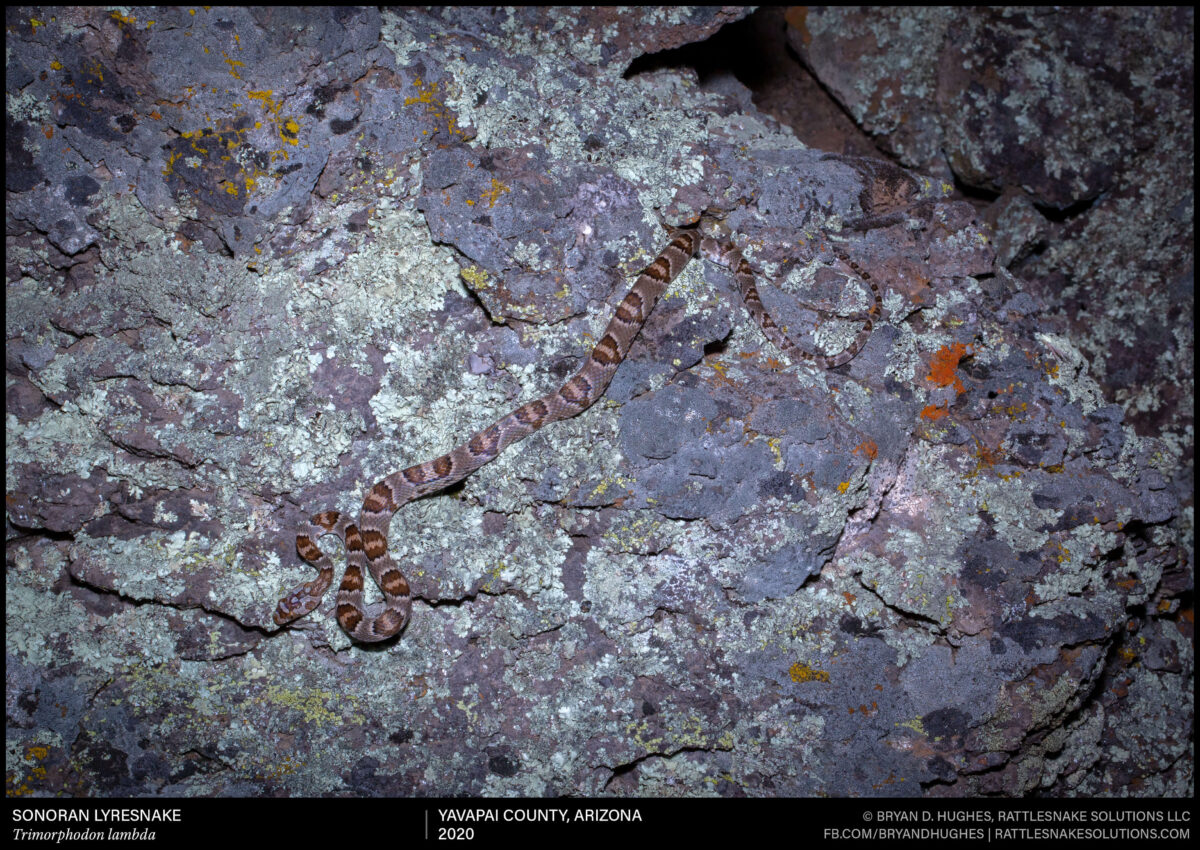
A Sonoran Lyresnake found in central Arizona on a night hike.
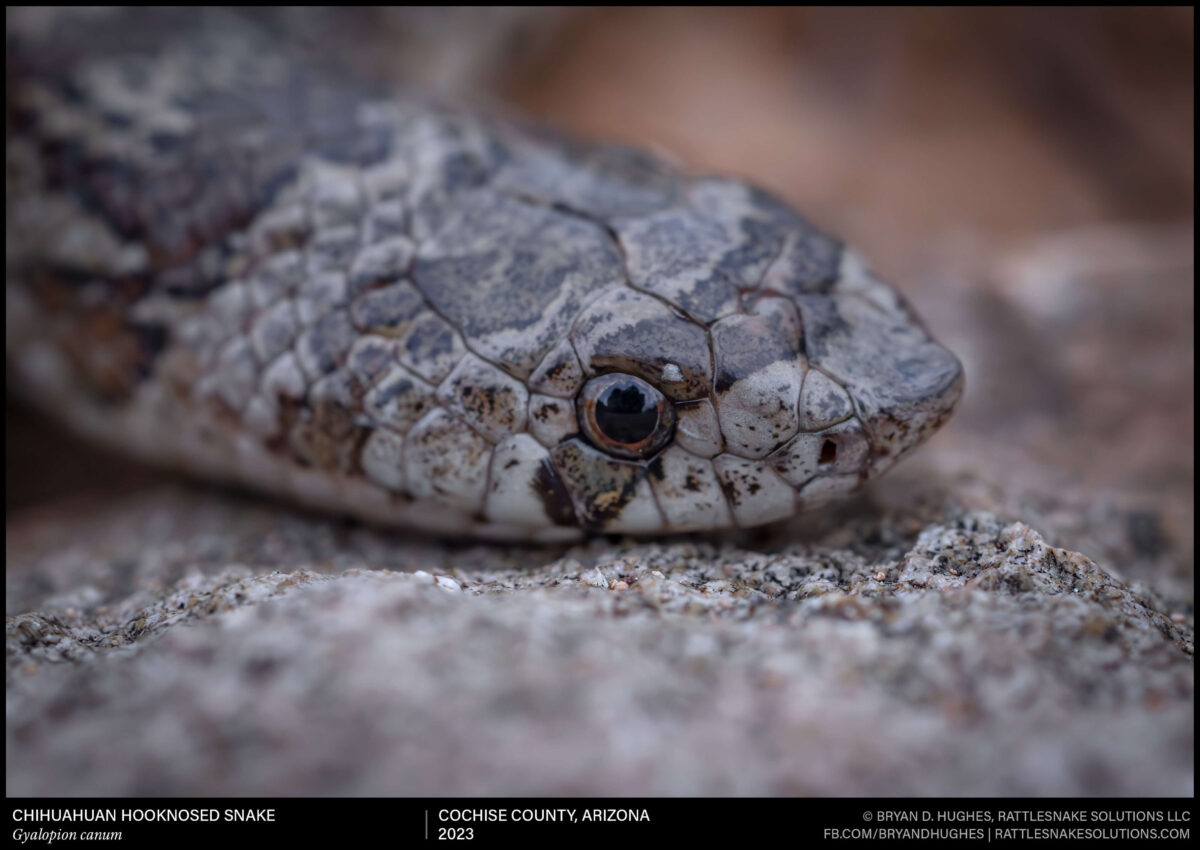
The face of a Chihuahuan Hook-nosed Snake. These are small eaters of invertebrates. The subtle scoop on the end of the nose is helpful for finding prey in the sandy, grassland soil where they live.
Hardy, L. M. (1976). Gyalopion, G. canum, G. quadrangularis (Unpublished manuscript). University of Texas. Retrieved from https://repositories.lib.utexas.edu/bitstreams/7425e5d2-4c40-4129-b736-a067e0a8d23b/download
Parga, V. M. (2018). Arthropod diets in Chihuahuan Desert snakes (Unpublished master’s thesis). University of Texas at El Paso.
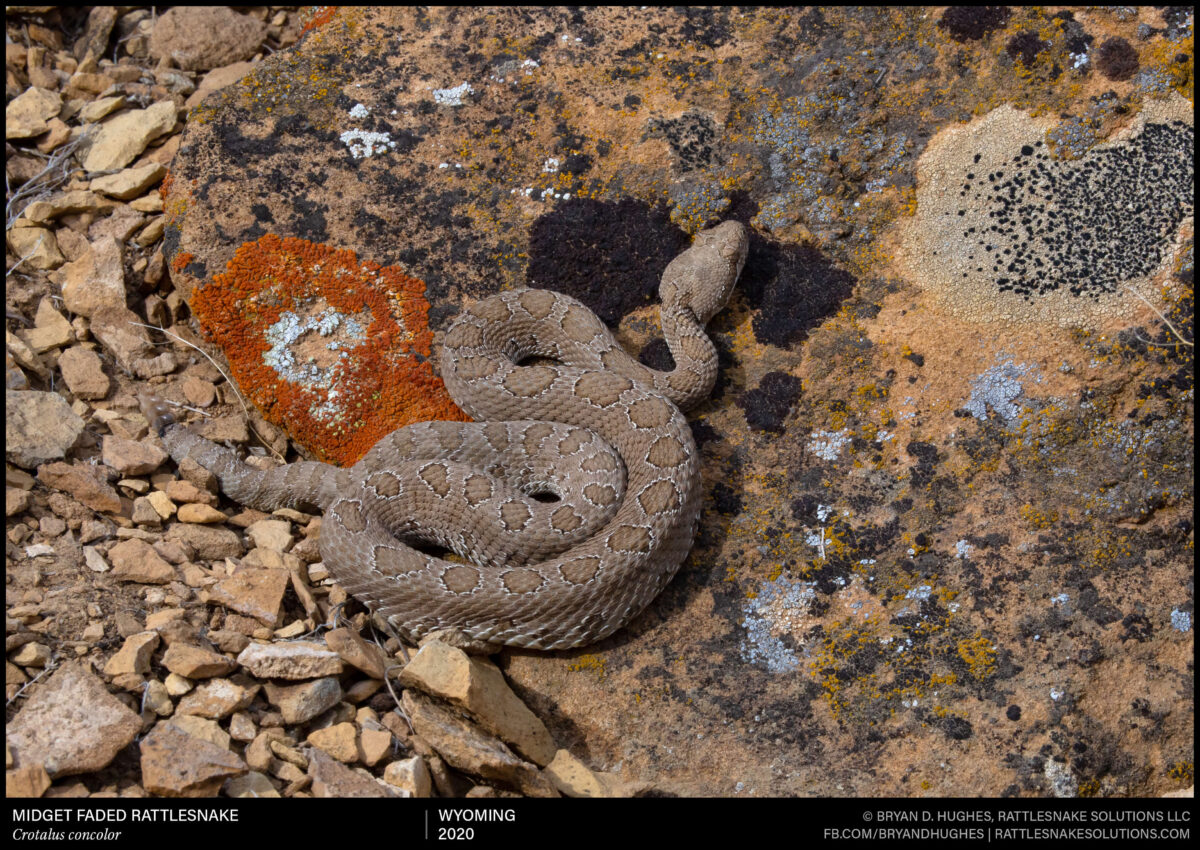
Of the Midget Faded Rattlesnakes (Crotalus concolor) I’ve seen, which is a smaller number than I’d prefer, I think this is the best looking. Found in Wyoming on a snow-flurried June day.
A Sonoran Gophersnake out moving across a roadway in the last sun of the day. Pinal County, AZ.
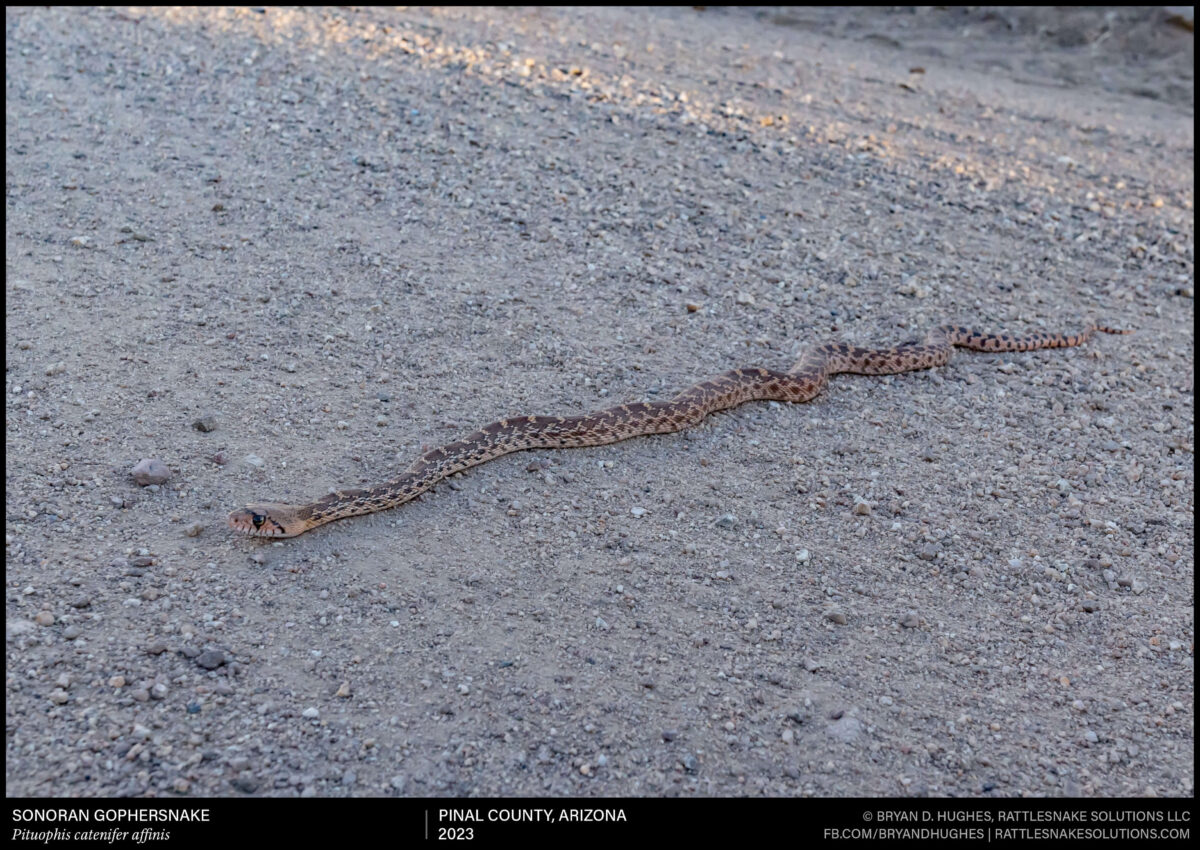
More about the Sonoran Gophersnake (Pituophis catenifer affinis.) https://rattlesnakesolutions.com/Gophersnake
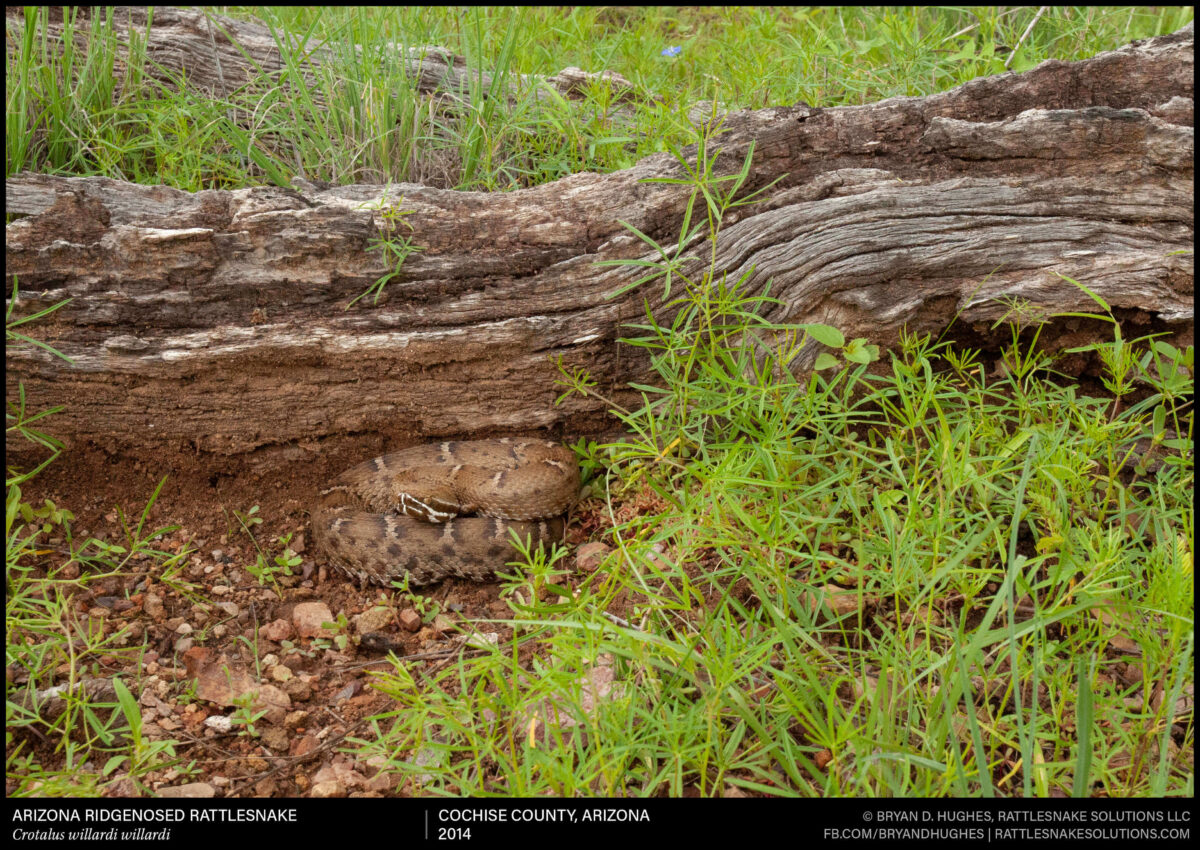
An Arizona Ridgenosed Rattlesnake in habitat on a humid monsoon morning in southeastern Arizona.
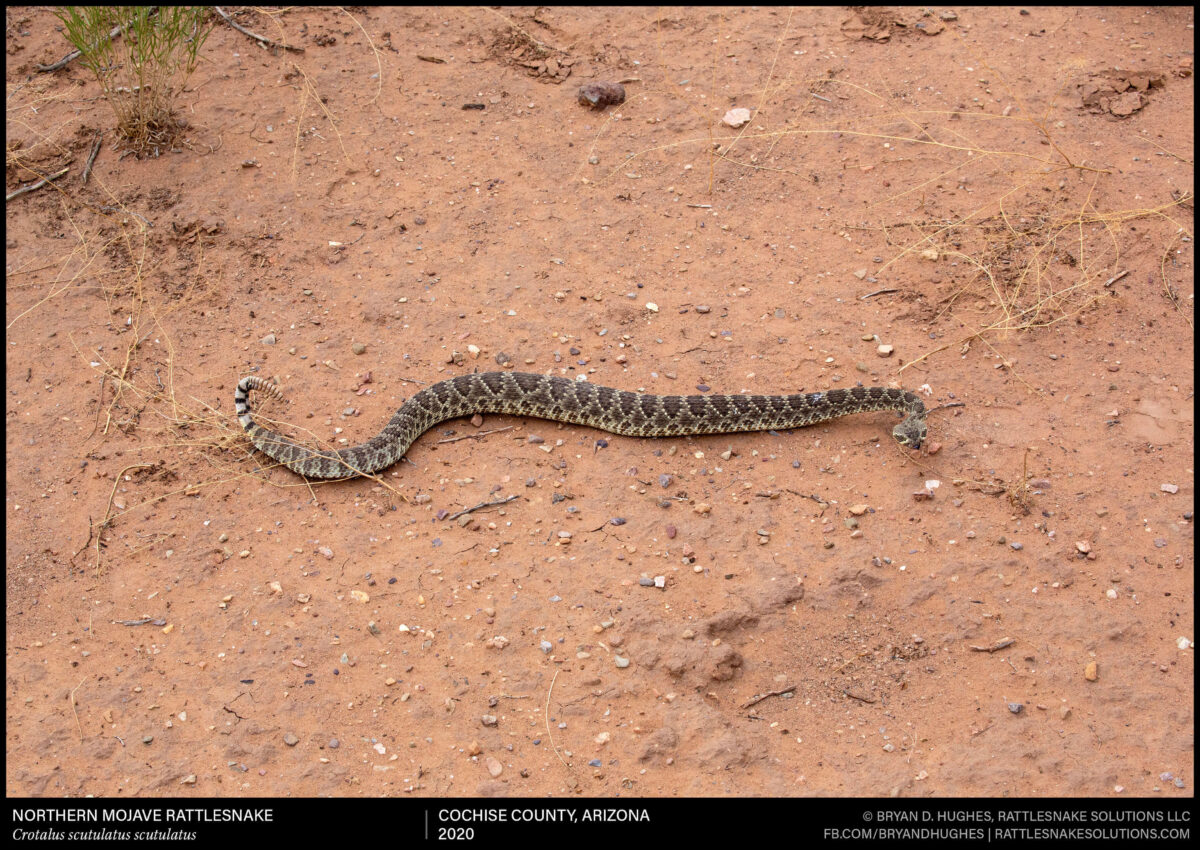
A Mojave Rattlesnake on the crawl after a wet night in southeastern Arizona. It’s moving laterally, hissing and watching the perceived predator with the camera, but not rattling. As this species often does, instead, it curls its tail and “wags” it slowly as a display. Prairie Rattlesnakes, notably, will often do this tail-curling behavior instead of rattling.
This guided retreat, where the snake moves laterally to cover while keeping the business end pointed forward, causes a lot of confusion with observers. For one, it’s not always a straight line away, but to cover. That cover can be a vehicle, bushes, or a cast shadow … including from the person watching it. This, and confirmation bias from decades of beloved folklore, contribute to the many tall tales about Mojave Rattlesnakes.
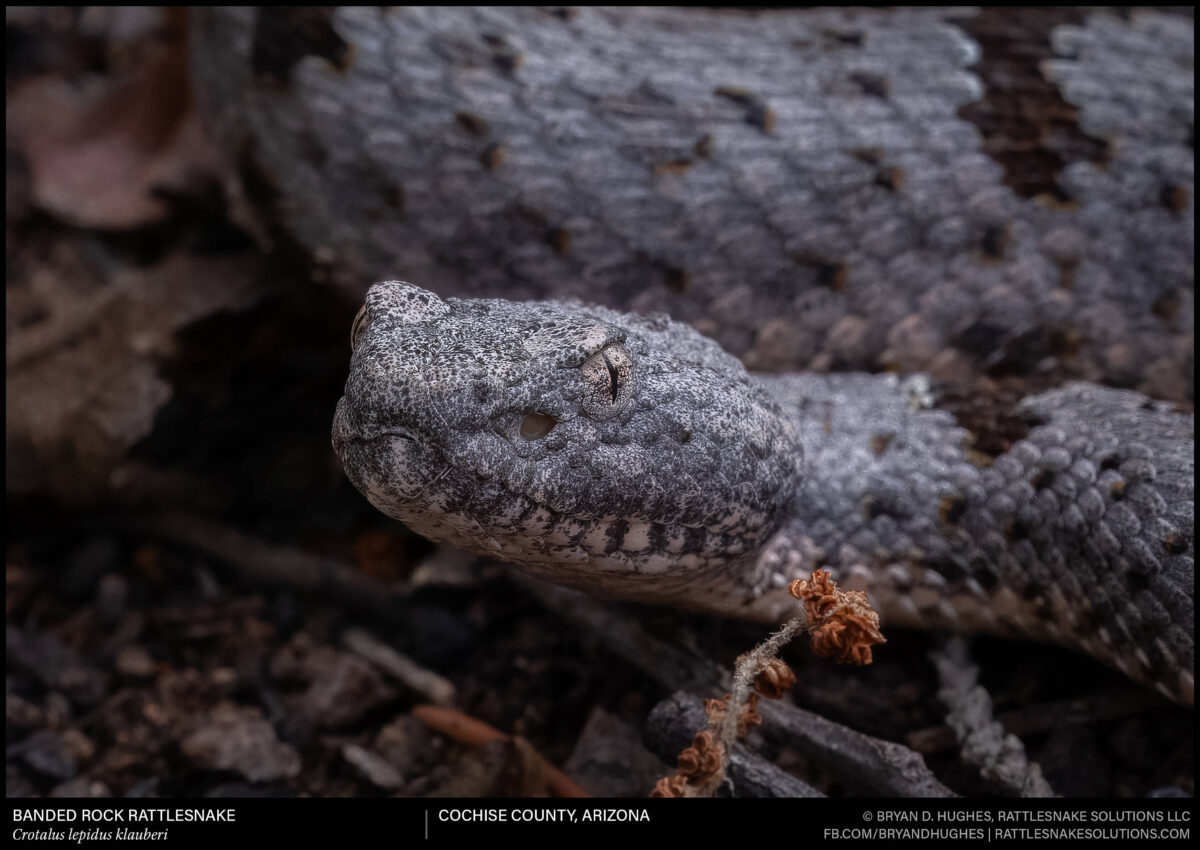
Close up with a Banded Rock Rattlesnake’s tiny face. These are small rattlesnakes that live in the madrean oak and grasslands of the southeastern corner of the state. This one may have been all of 14 inches long, as a small adult.
Interestingly, the noisy, speckled pattern shown here isn’t present in real life – it tends to appear on camera sensors, even when it’s not visible to the eye.
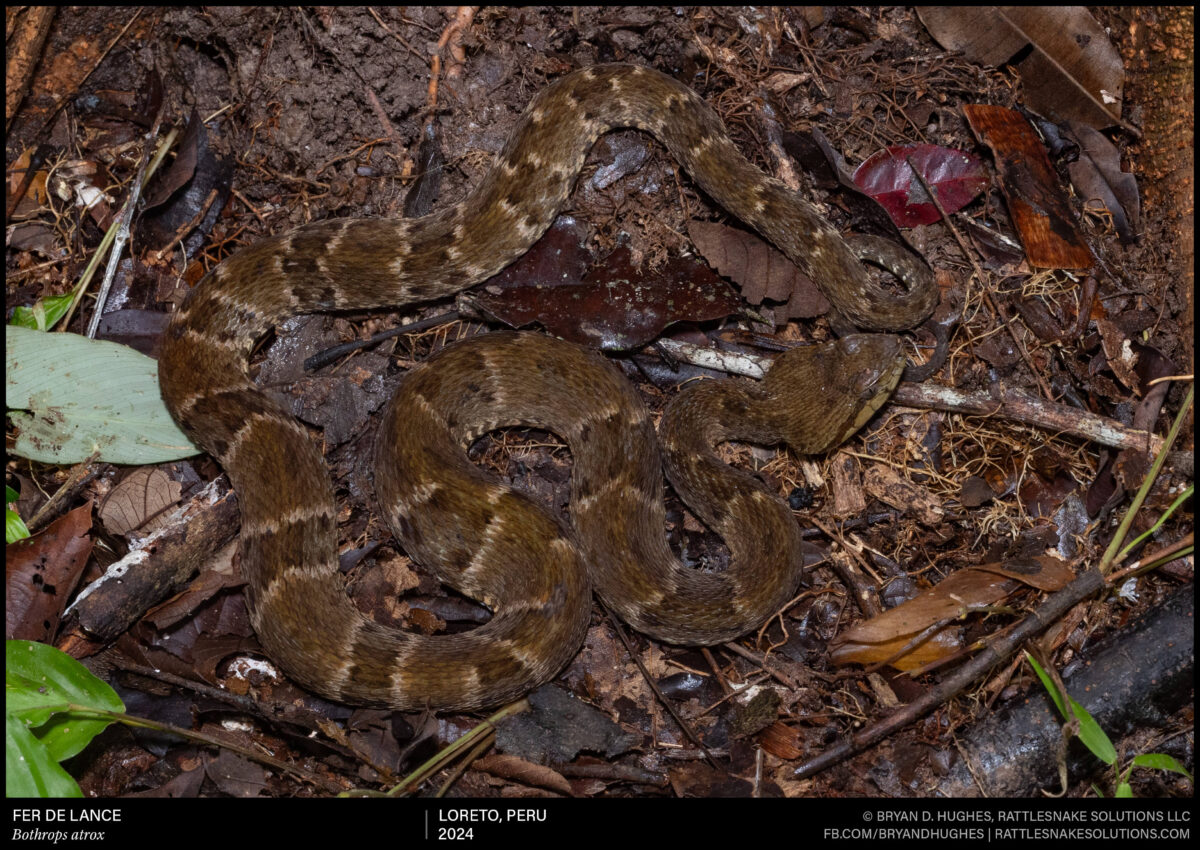
A small Lancehead (Fer De Lance) I came across on a trail as I set off on a long solo hike in the Peruvian Amazon a couple of years ago. These snakes can be anywhere and everywhere, from the ground to trees, and quite easy to miss.
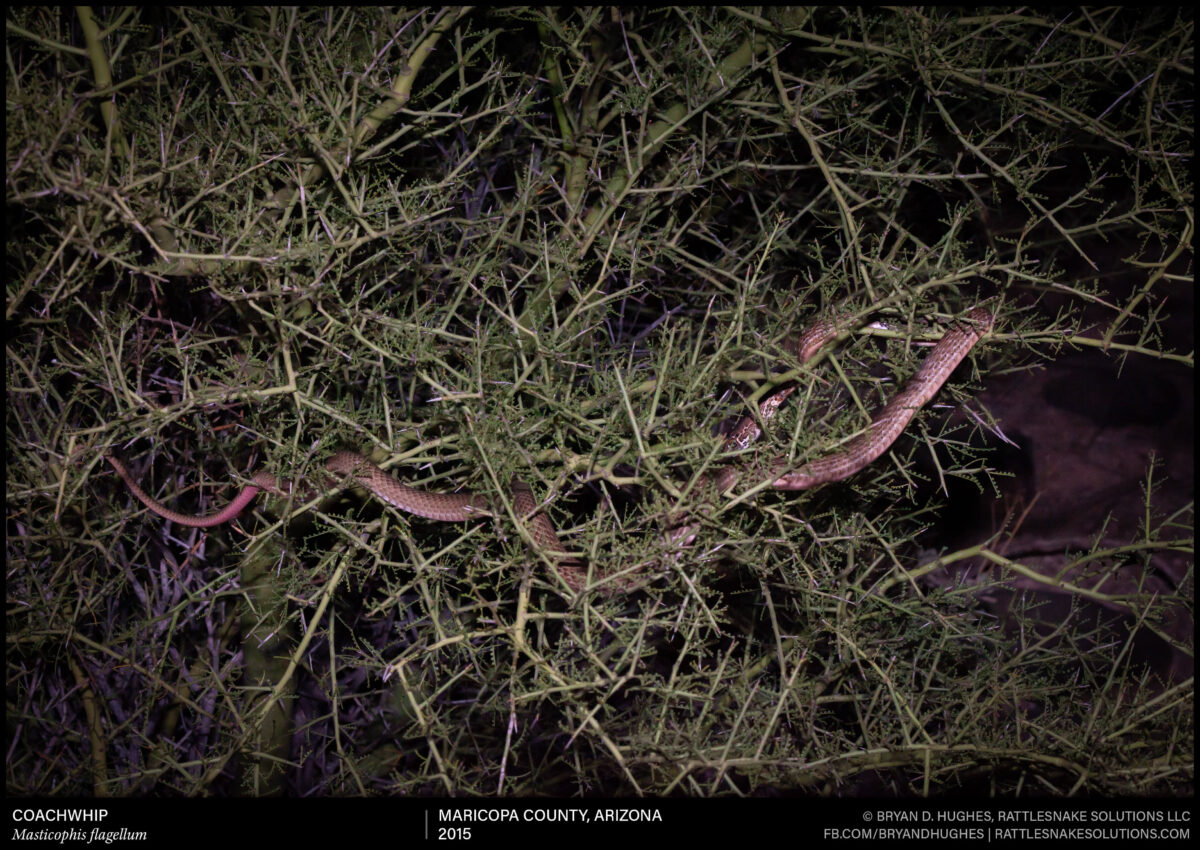
Coachwhips are out and about on even the hottest days, rarely active at night. But they can still be found where they sleep, which is often up in trees high off the ground. We spotted this one doing just that just above eye level on a late night hike. These long, slender snakes are great climbers, and this is a reasonably safe spot for such an animal to evade predators and get off the hot ground.