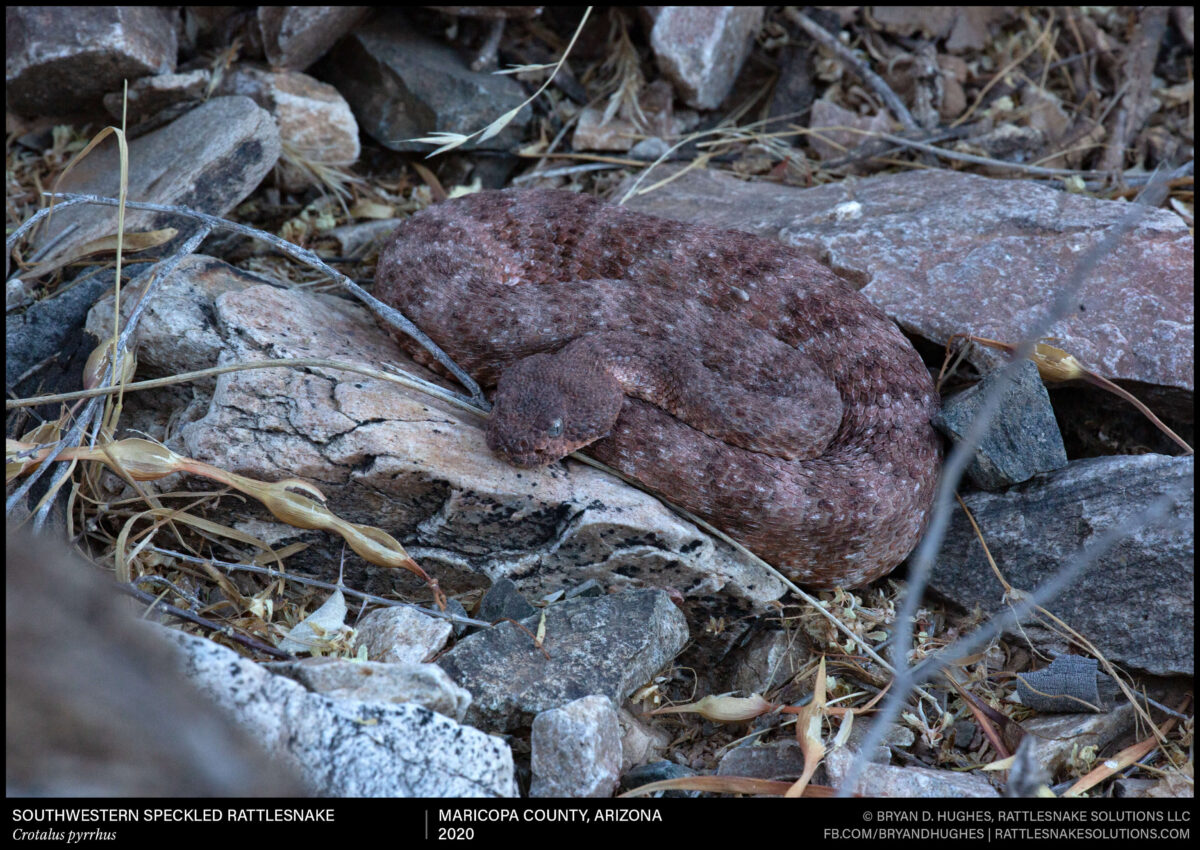
A Southwestern Speckled Rattlesnake (Crotalus pyrrhus) found in Maricopa County several years ago. This species is among the most common snakes encountered at most parks across the Phoenix metro area.
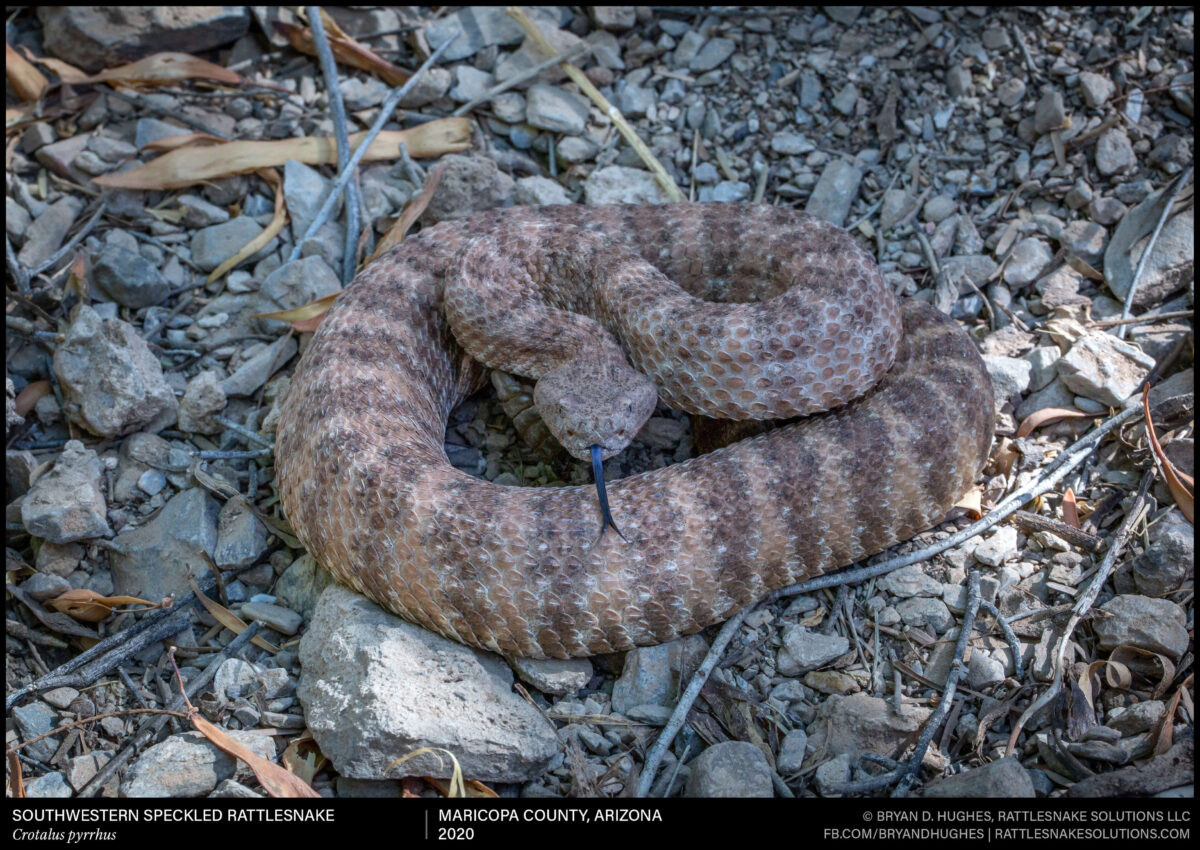

A Southwestern Speckled Rattlesnake (Crotalus pyrrhus) found in Maricopa County several years ago. This species is among the most common snakes encountered at most parks across the Phoenix metro area.
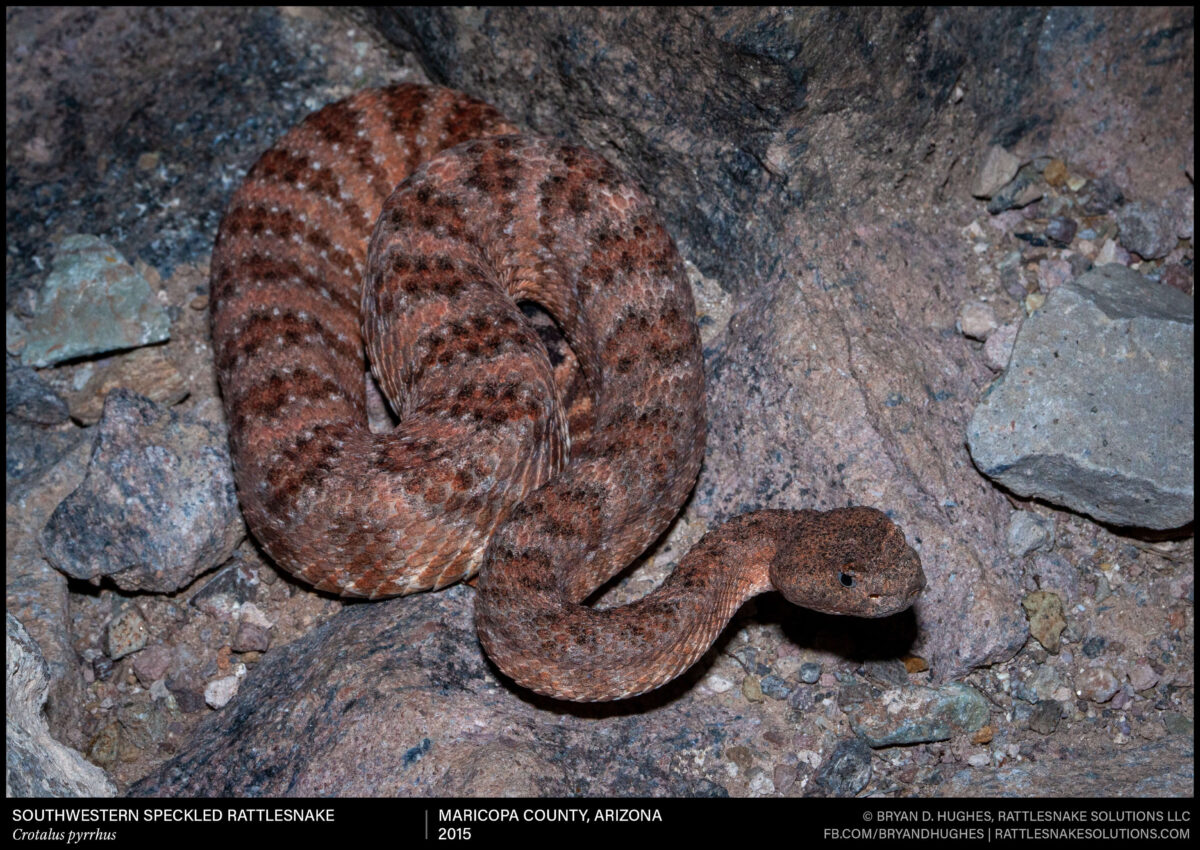
A Southwestern Speckled Rattlesnake from central Arizona. In this region, the rocks are often brightly colored with oxidized metals and tinted crystals. This makes for some really amazing snakes.
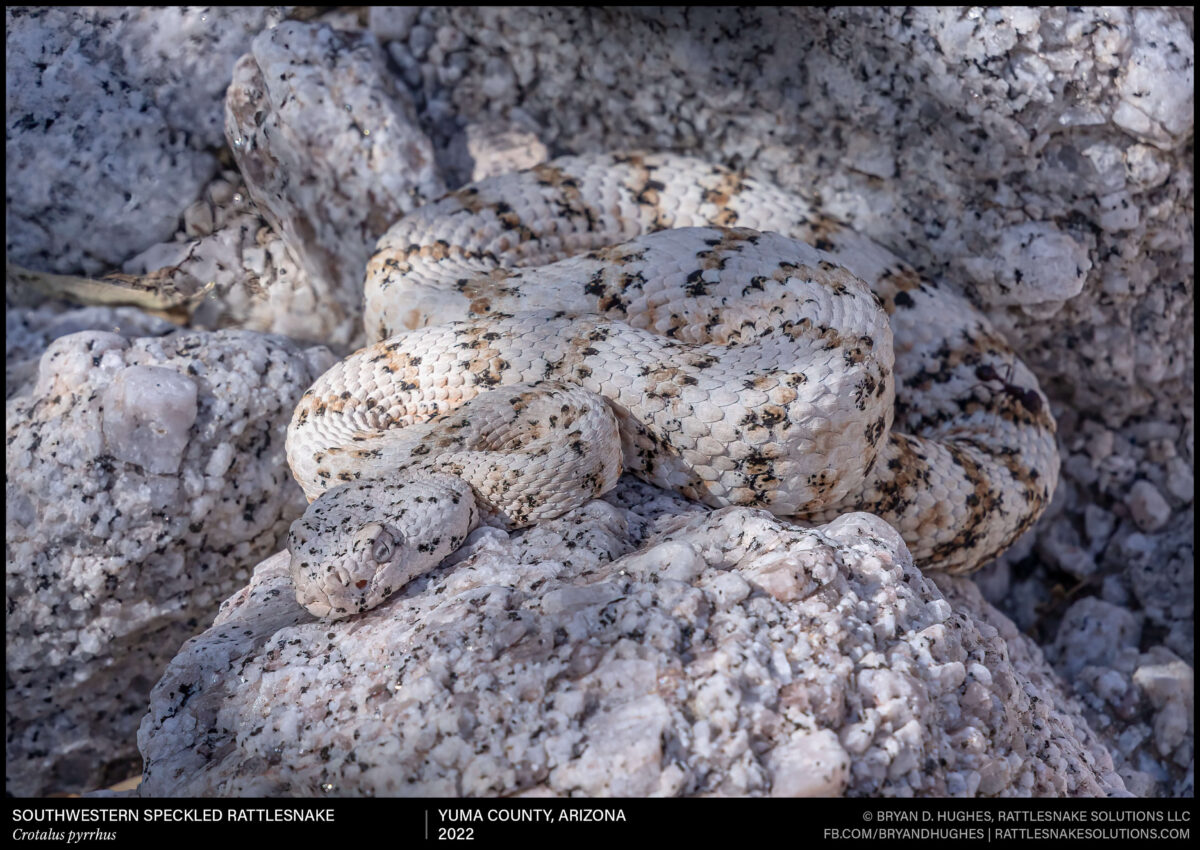
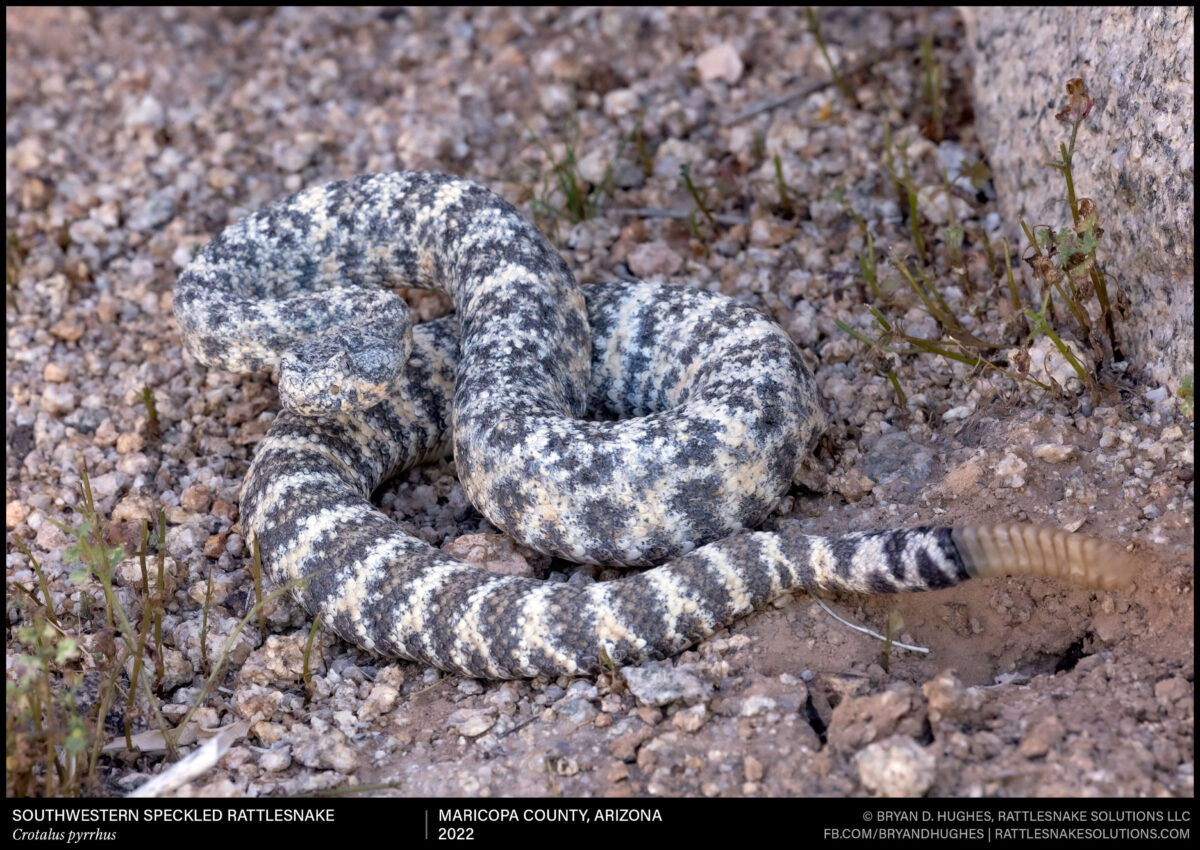
Southwestern Speckled Rattlesnakes (Crotalus pyrrhus) are some of the most cryptic snakes in the country. This white one isn’t an albino, but is showing off its natural color against the white granite in the environment where it lives.
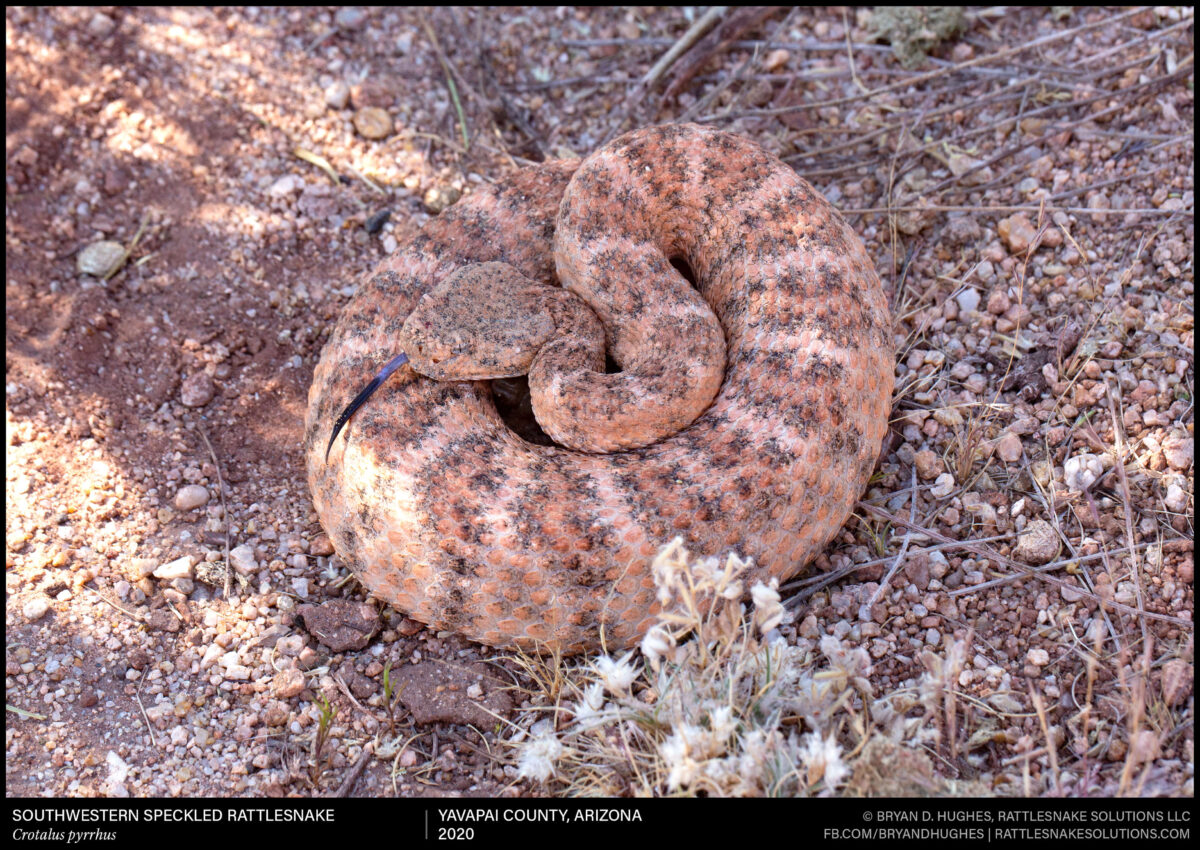
A bright orange and pink Southwestern Speckled Rattlesnake we found in Yavapai County, Arizona several years ago, photographed in the last light of the day. These snakes look just like the rock they’re found near, so the iron-rich boulders where this one is from make for a very pretty animal.
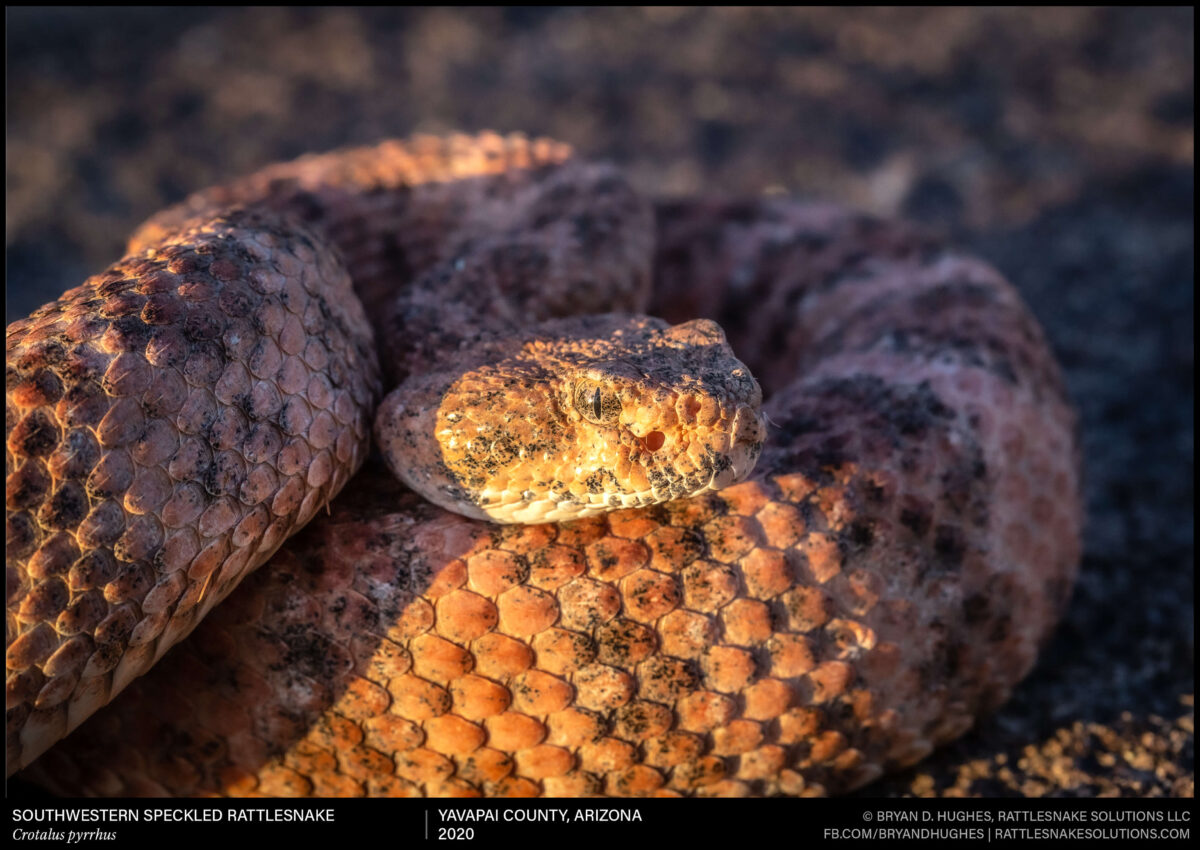
A Southwestern Speckled Rattlesnake from the Phoenix area. This species of snake has a huge gamut of colors and patterns possible throughout its range. Even within relatively nearby locales, it can be extreme. Just about ten miles from where this snake lives, they are red or orange.
A Southwestern Speckled Rattlesnake from the Phoenix area. In some locations, they can be a pretty brick red like this one. These are the second most commonly encountered rattlesnake by hikers in the central Phoenix parks.
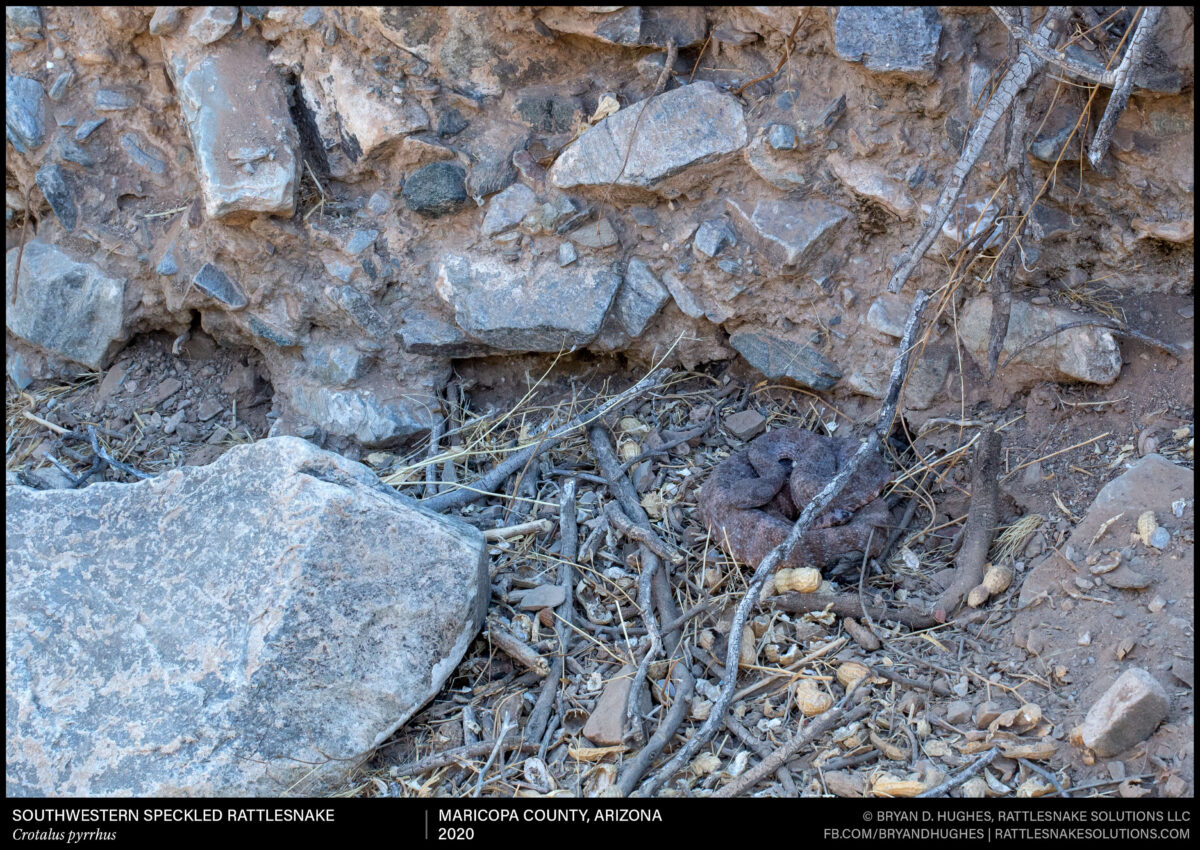
A Southwestern Speckled Rattlesnake hanging out in a drainage, as it does about every morning, during the lethally hot period of Arizona summer. For much of the year, rattlesnakes are largely nocturnal, encountered by hikers and homeowners only just after sunup and again after dark.
A bright white and silver Speckled Rattlesnake from a desert boulder field in Baja California Norte, Mexico. This is among my personal favorite phenotypes of a very diverse species.

A Southwestern Speckled Rattlesnake from a mountain range near Phoenix. In this area, this species is usually this orange-cream or brown. This one was found on a rocky hillside earlier in 2025.

Cochran, C. (2019). Variation in morphology, diet, and venom composition in Crotalus pyrrhus (Cope 1867). Doctoral dissertation, Loma Linda University. https://scholarsrepository.llu.edu/cgi/viewcontent.cgi?article=3590&context=etd
Speckled Rattlesnakes are often seen by hikers in Phoenix, who can be surprised that wildlife can be found even on hiking trails in the middle of the city. If you’ve ever hiked Camelback, you’ve likely walked right past at least one of these beautiful pink animals. They’re very cryptic though, so not many people will ever know.