Common Whipsnake, Chironius exoletus. Peru, 2020


Common Whipsnake, Chironius exoletus. Peru, 2020
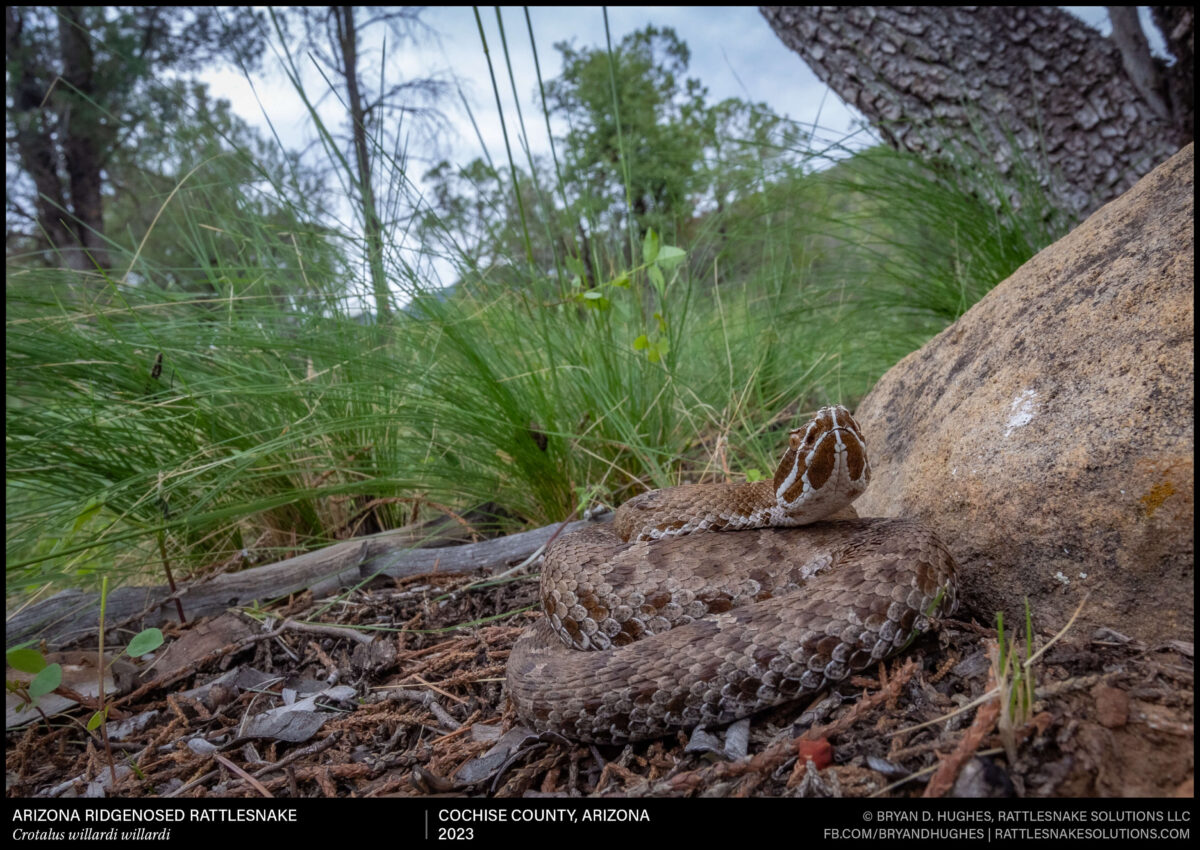
An Arizona Ridgenosed Rattlesnake found in bunchgrass on a perfect, overcast day in the Arizona sky islands.
An Amazon Tree Boa, spotted by flashlight on a boat in Peru. Unlike most snakes, their eyes shine orange-red in the light, and can be seen even high in trees. Birds and amphibians’ eyes also glow a similar color, though, so there are a lot of false calls of “snake!”.

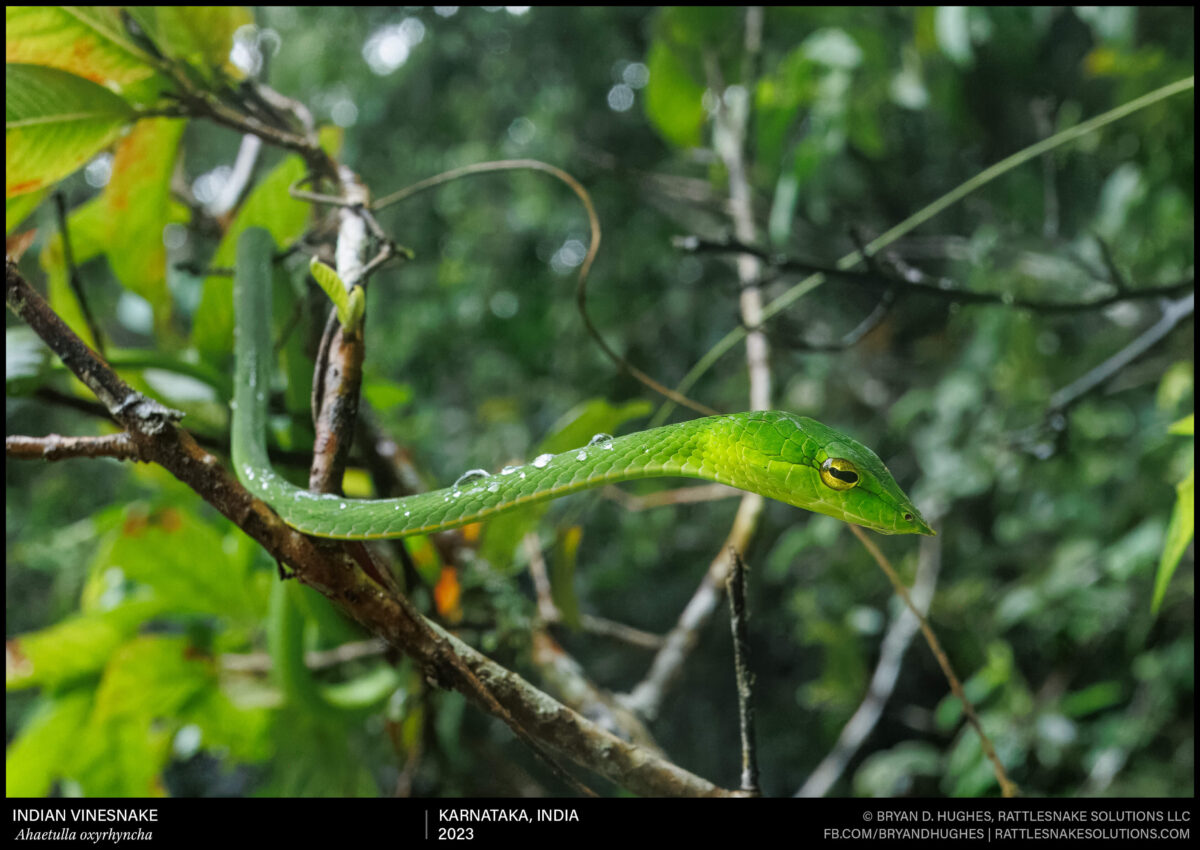
One of several Indian Vinesnakes spotted out after heavy rain in the Western Ghats a few years back.
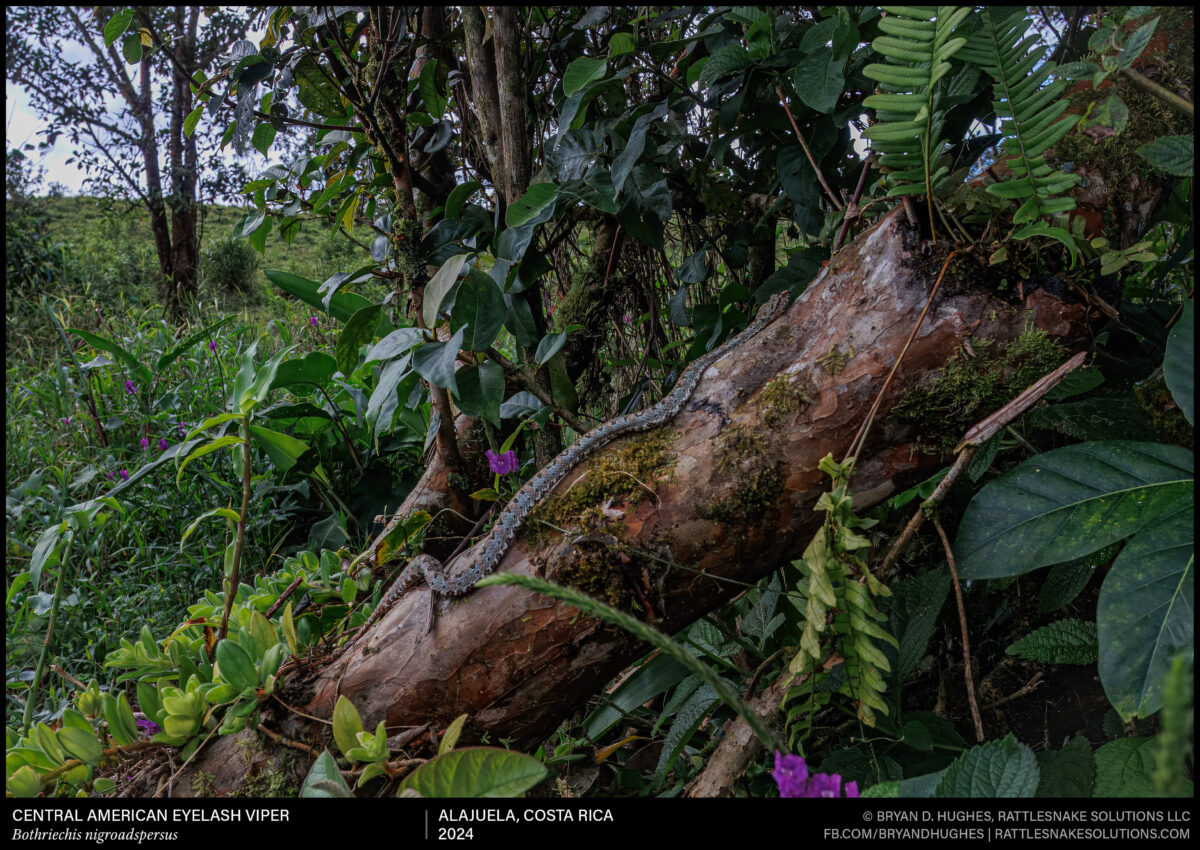
An especially beautiful Central American Eyelash Viper that I found in Costa Rica last year on a family vacation.
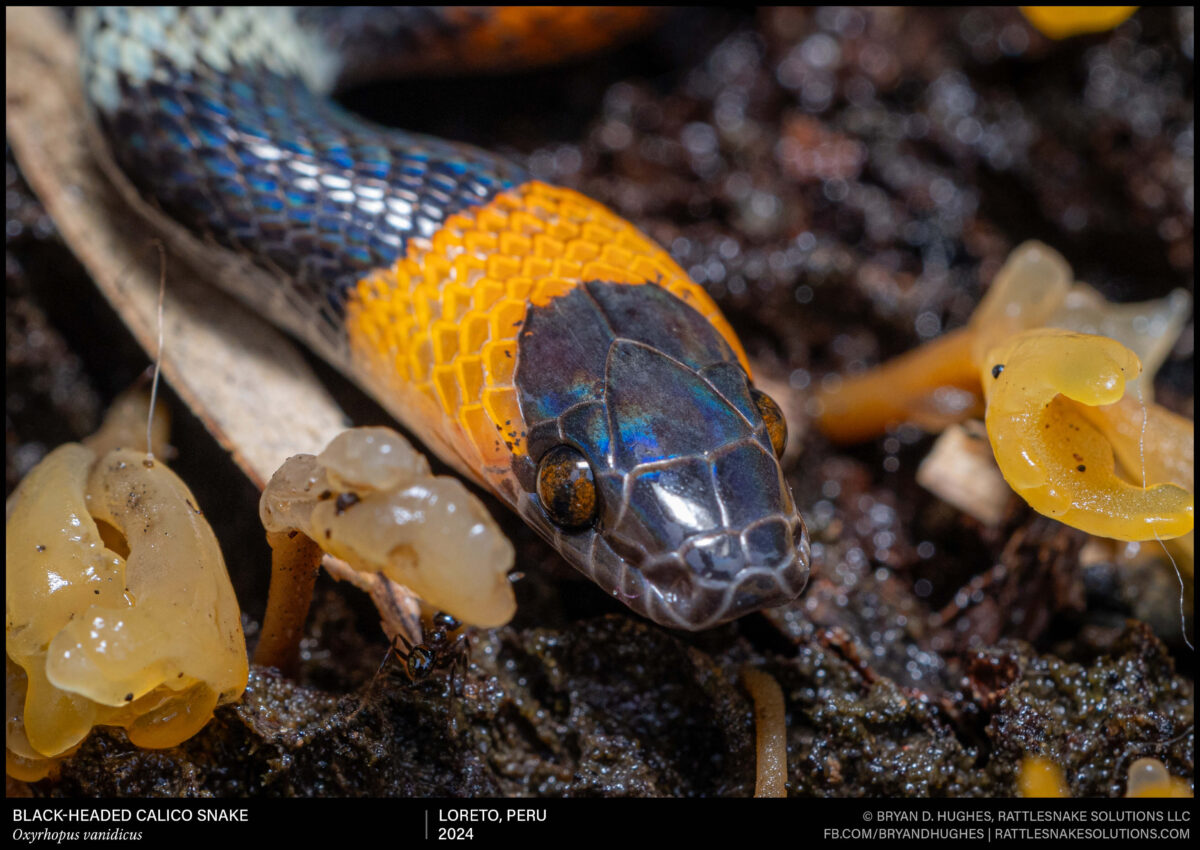
Close up with a Black Headed Calico Snake, a harmless mimic of the Hemphrich’s Coralsnake which also lives in the area. Found a couple of years ago in Peru.
An orange Southwestern Speckled Rattlesnake making good on its name. While its bands are still visible, the chaotic distribution of colors can make this animal very difficult to see in context. This one lives near quite a few people with hundreds hiking right past it every weekend, but bites nobody.
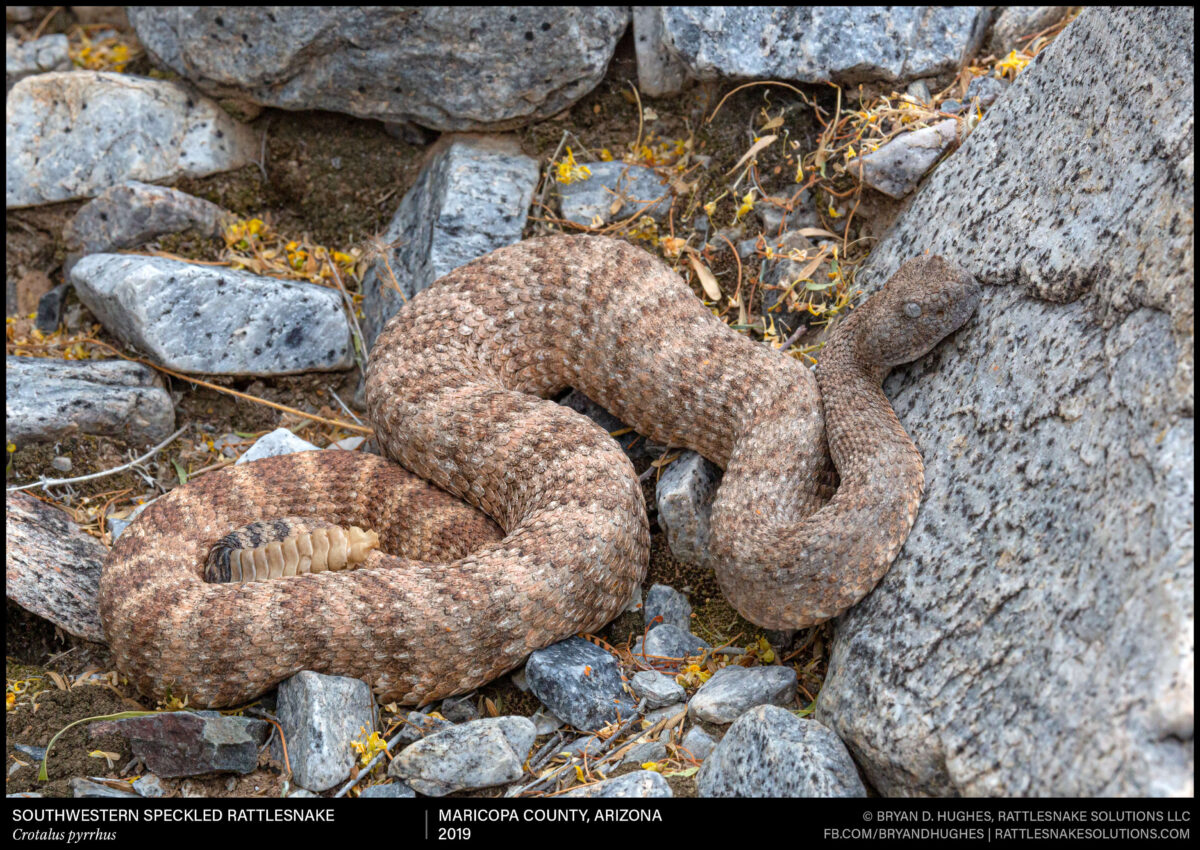
Southwestern Speckled Rattlesnake
(Crotalus pyrrhus)https://rattlesnakesolutions.com/SpeckledRattlesnake
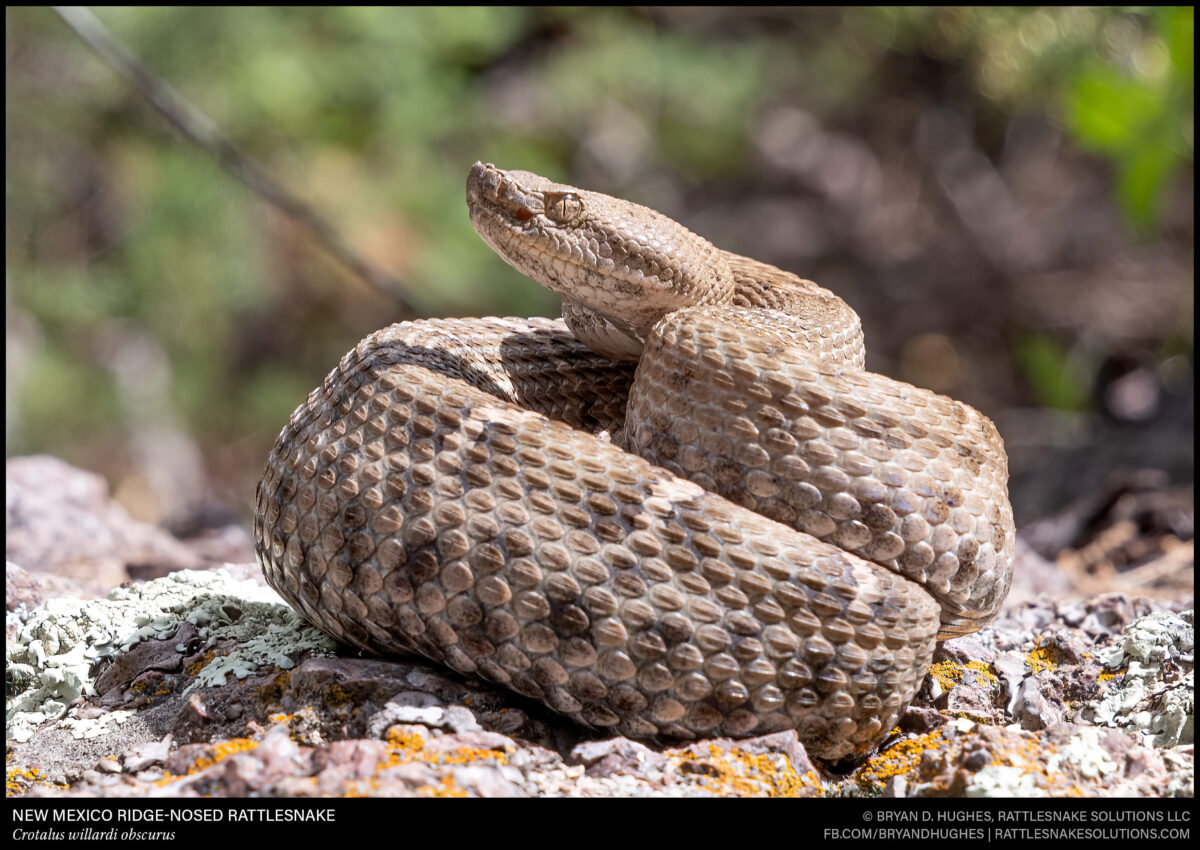
New Mexico Ridge-nosed Rattlesnake, Crotalus willardi obscurus
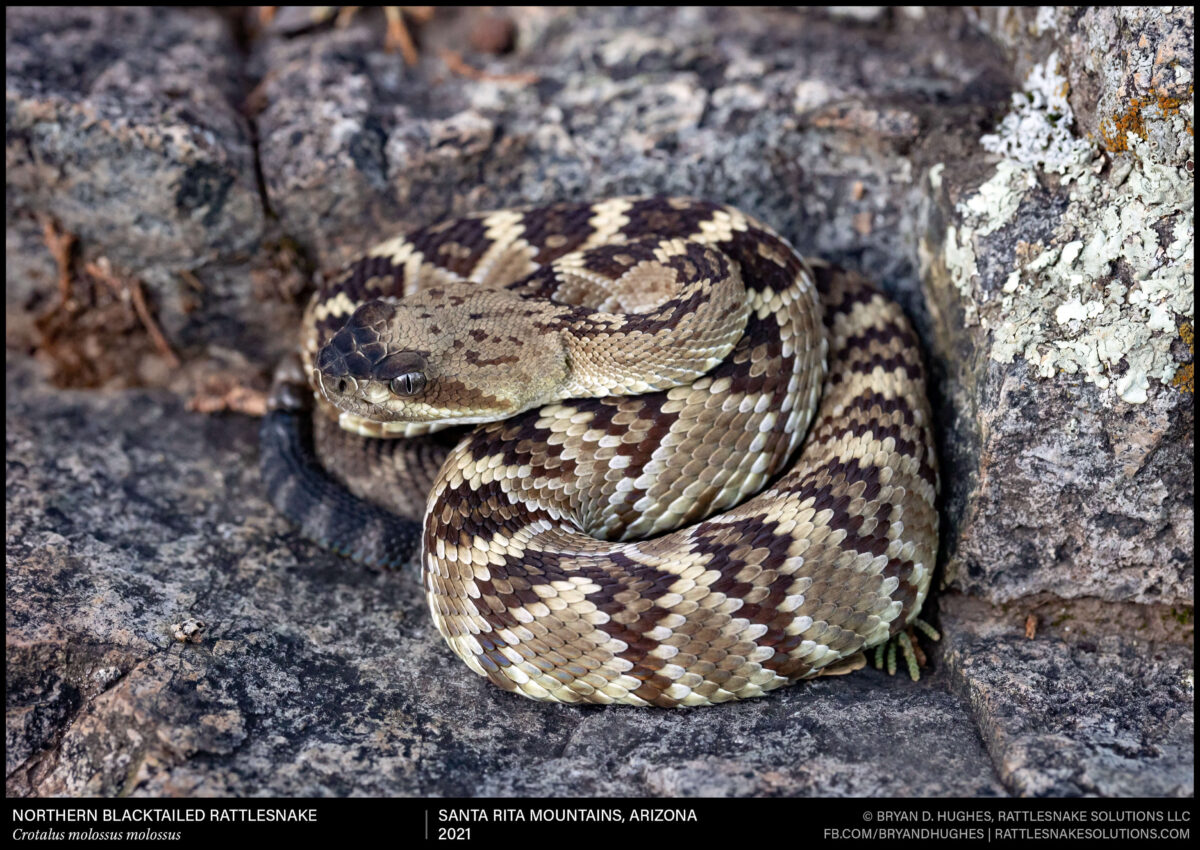
A young Blacktailed Rattlesnake from the southeastern mountains of Arizona. When they are this age, they’ll often have subtle grey and black banding in the tail. This usually darkens to a solid black with age, but not always. Of the species of rattlesnakes in the state, coming across babies of this species out and about may be the least frequent for me.
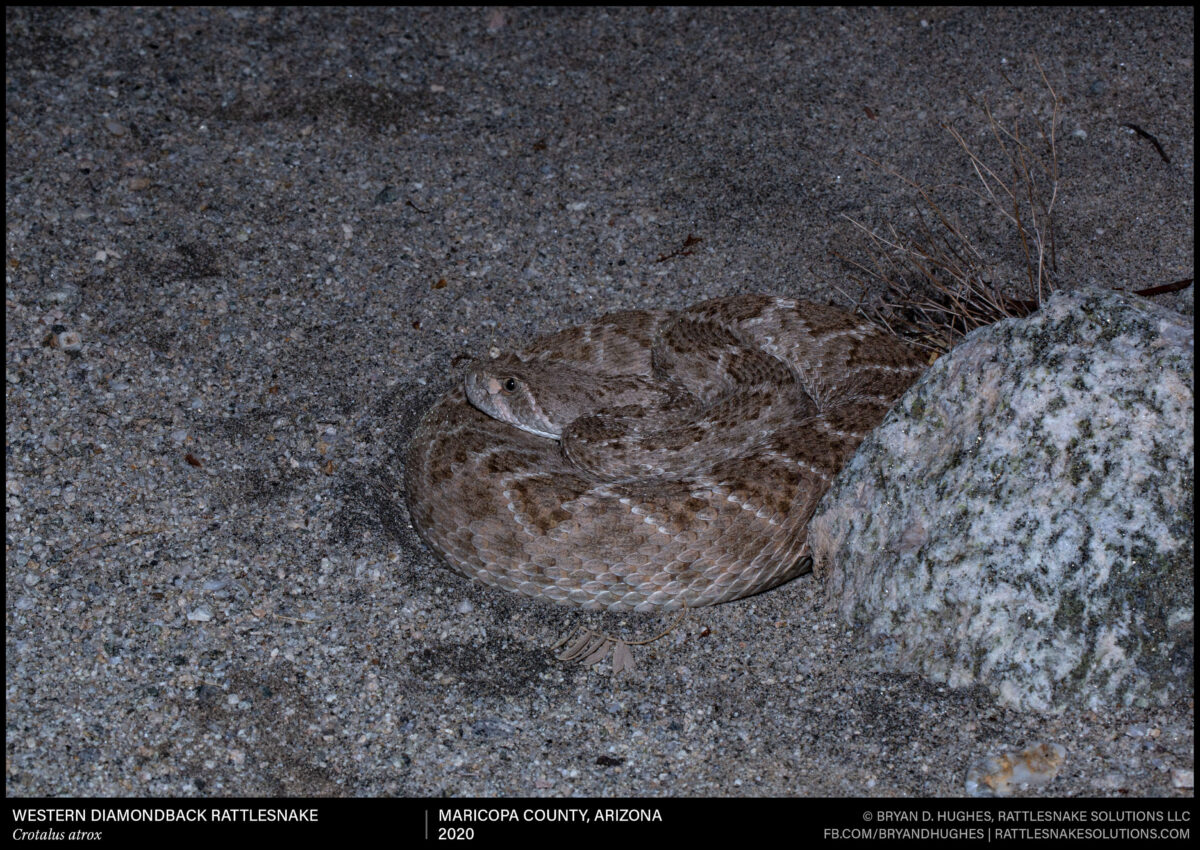
A Western Diamondback Rattlesnake in ambush in a sandy wash on a very hot night.
This sand is much cooler than the surrounding rock, with smaller particles that lose energy more quickly. While it’s easy to think of reptiles as ectotherms always looking for sources of heat, they’re just as often looking for ways to lose it. Thermoregulating is more like a behavioral thermostat, and areas like this help.