Western Diamondback Mom and Babies

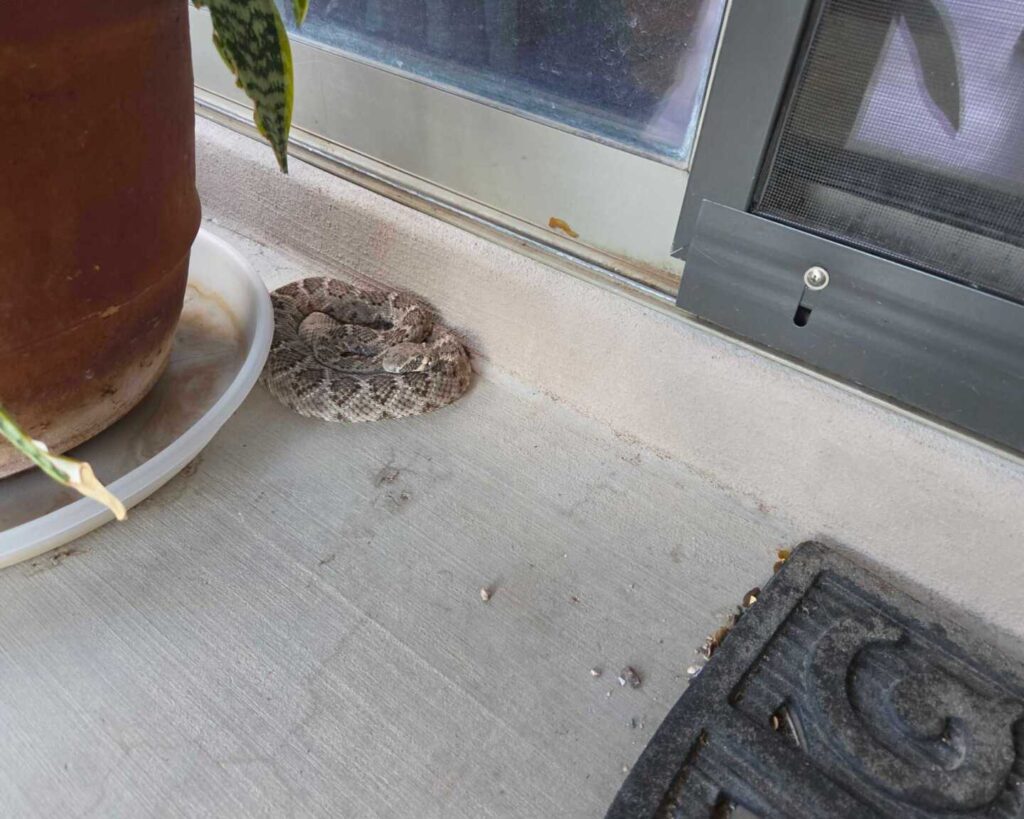
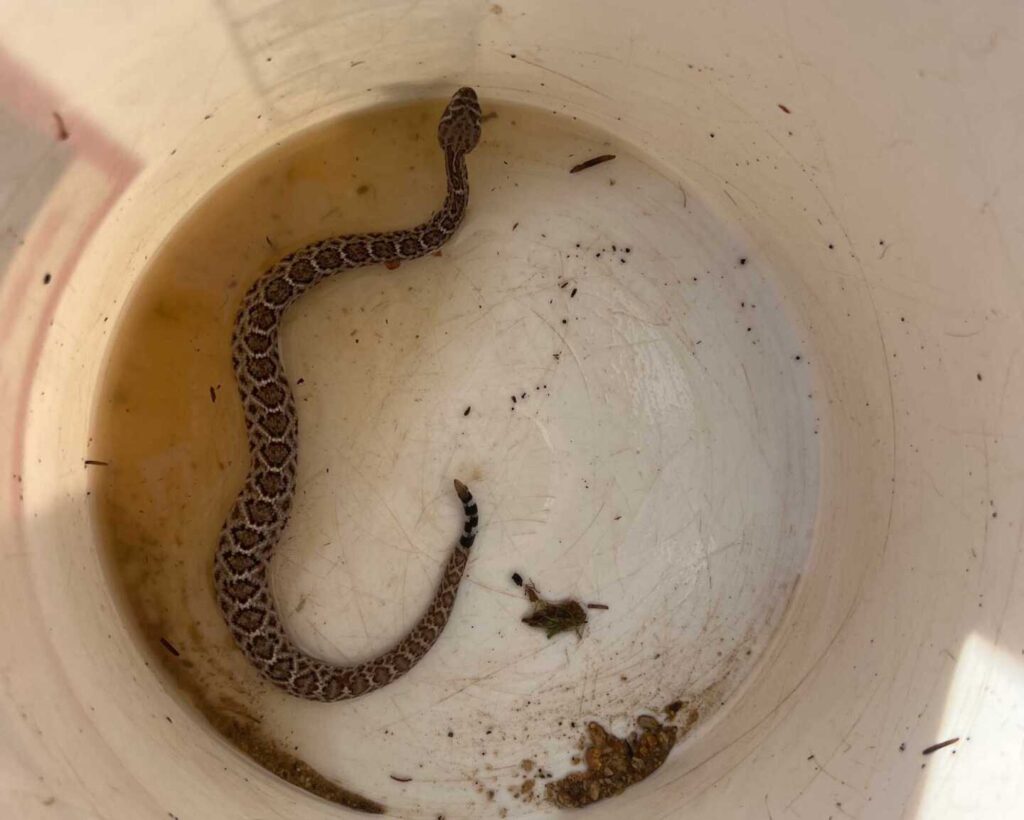
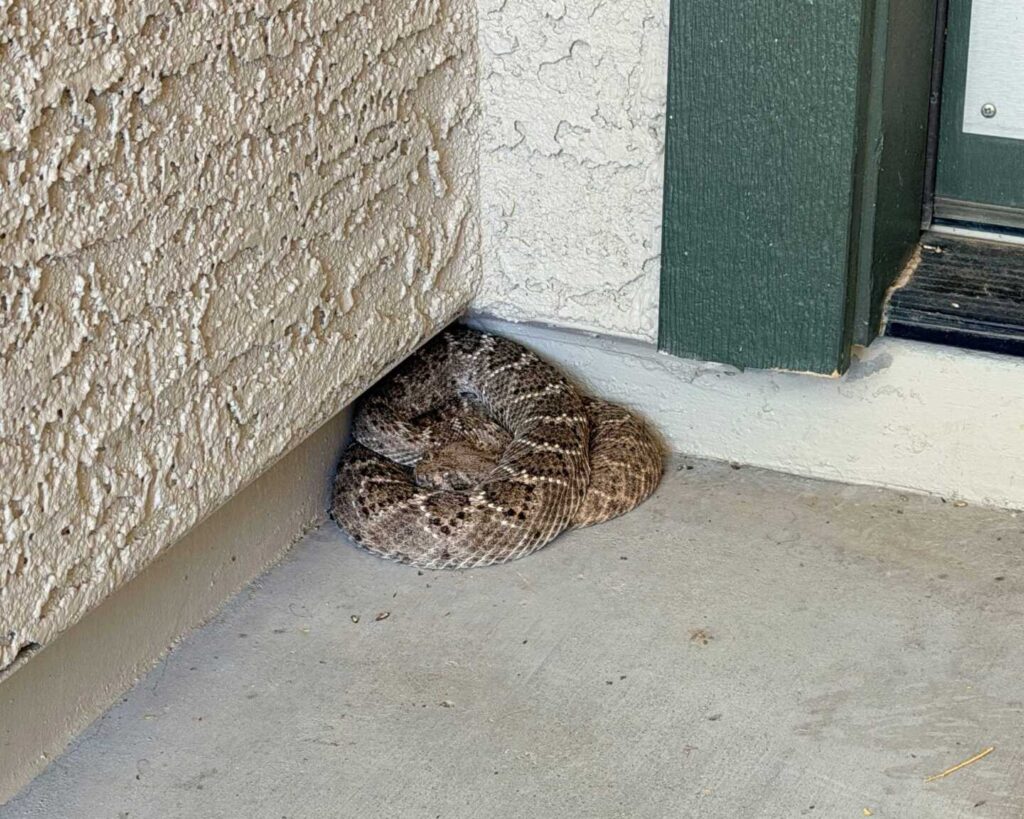
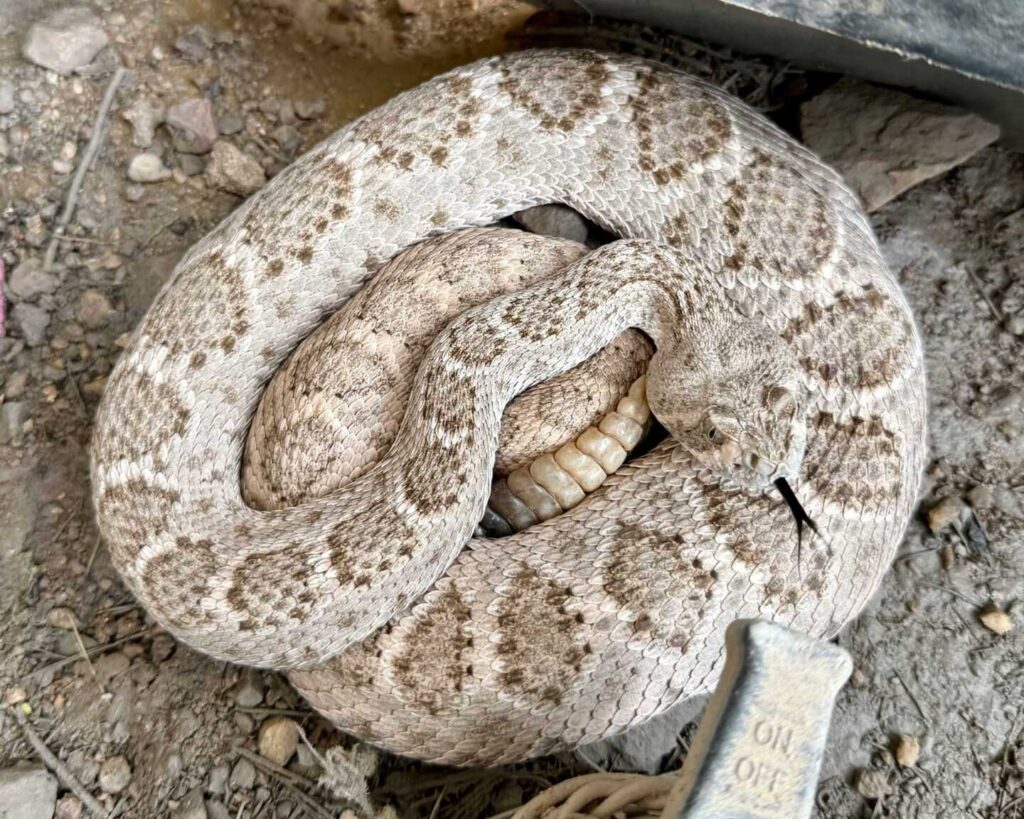
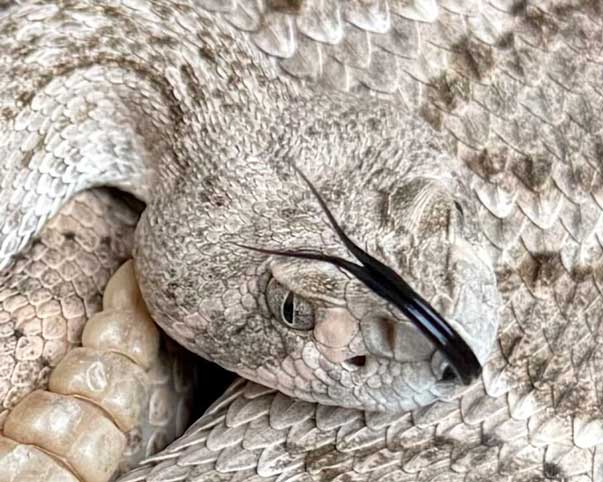
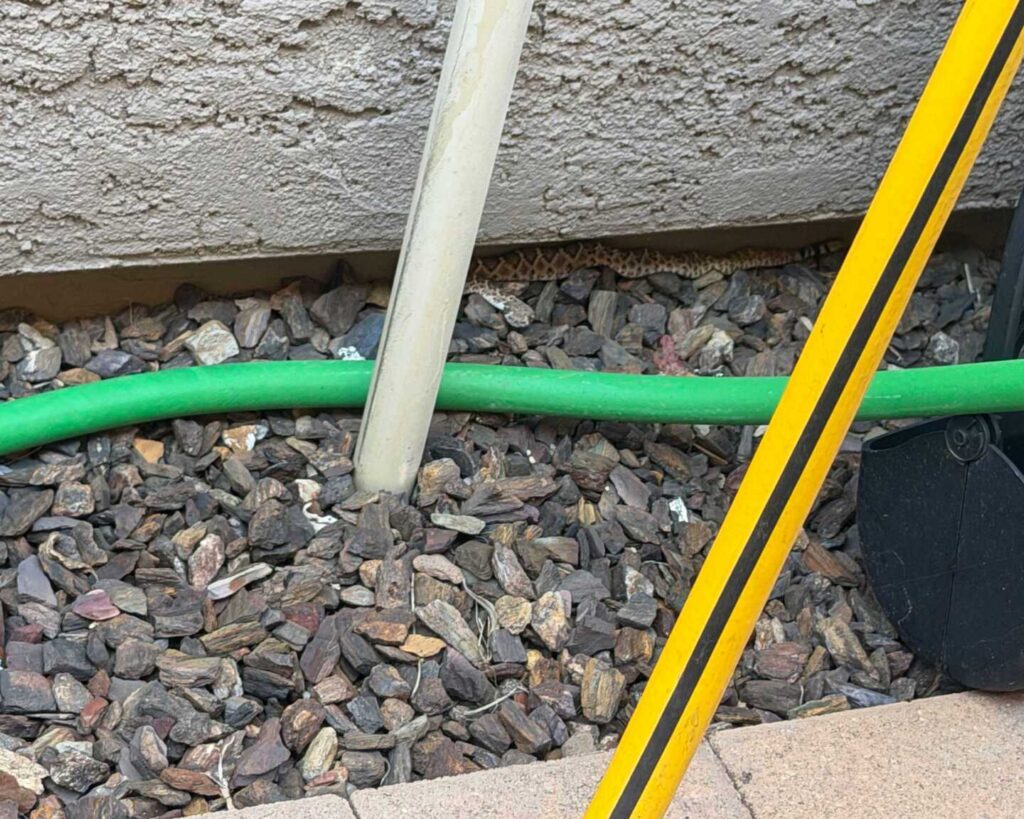
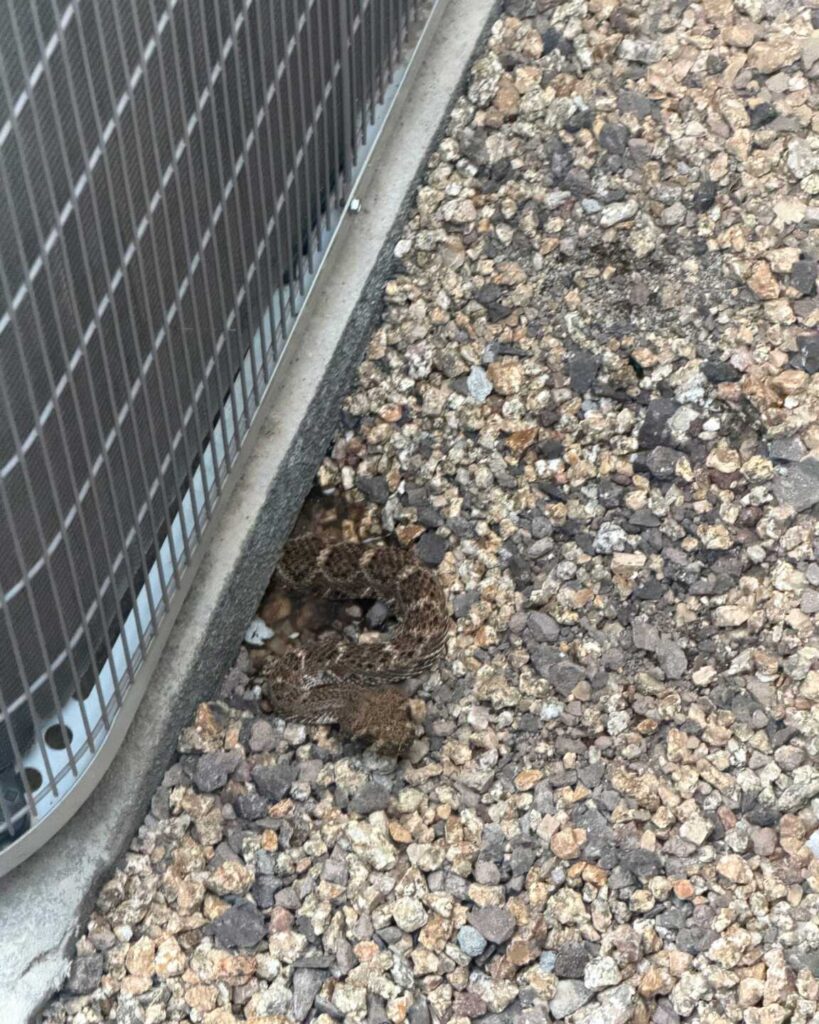
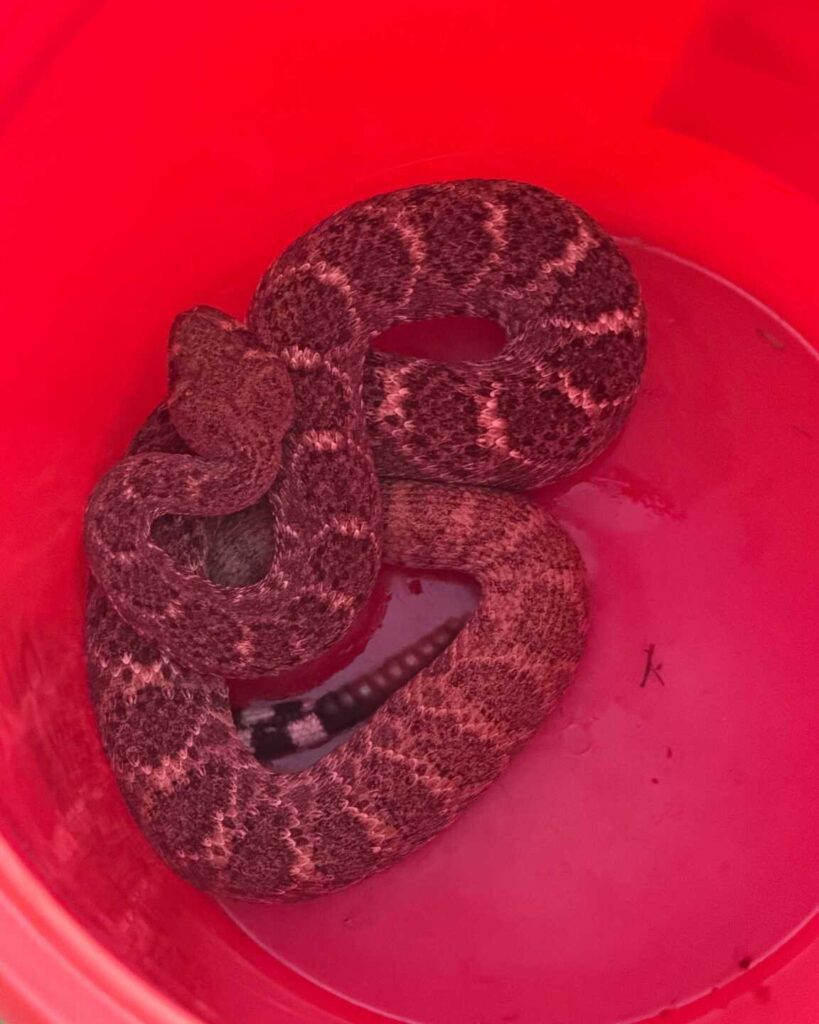
This homeowner had been out of town, and when she returned her landscaper let her know there was a Western Diamondback Rattlesnake coiled in the corner of her home near the front door. Apparently, he had seen her in the same spot two weeks earlier and then again today. When the homeowner took a closer look, she noticed several little babies with mom.

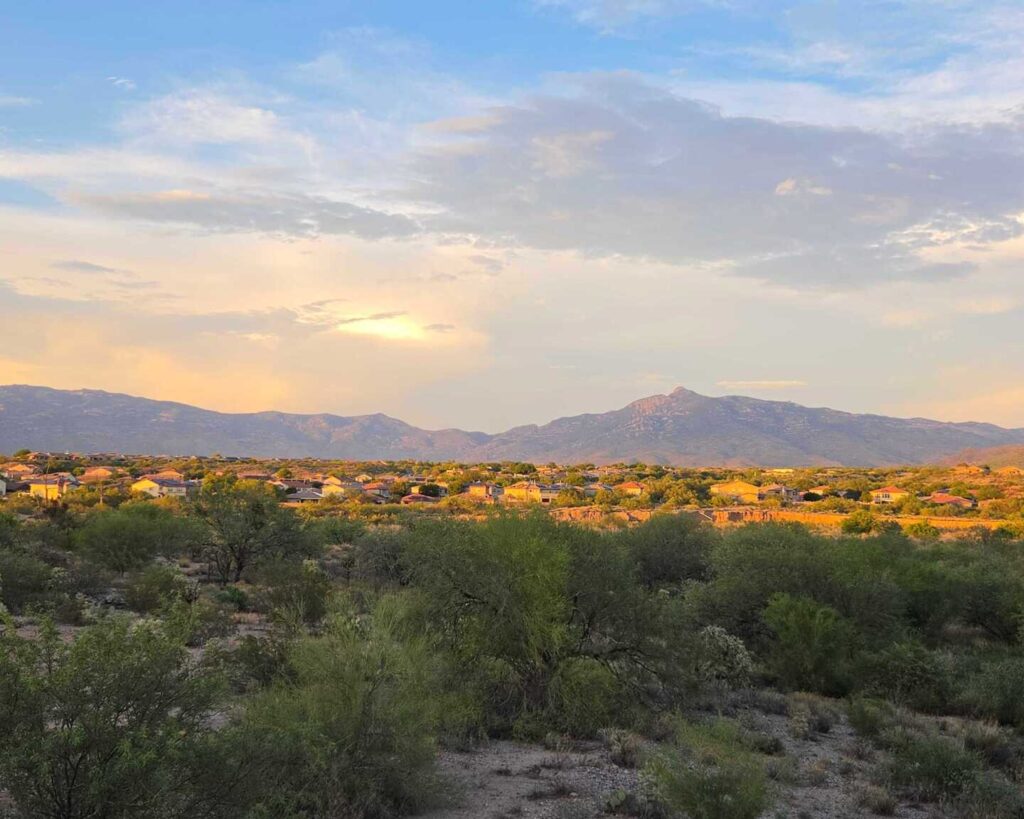
Marissa arrived and found that mom had actually picked a pretty good spot. The corner was shady and tucked away, with a drip system keeping the ground damp during the summer heat. The home also backed right up to South Mountain, providing plenty of suitable habitat just beyond the property.

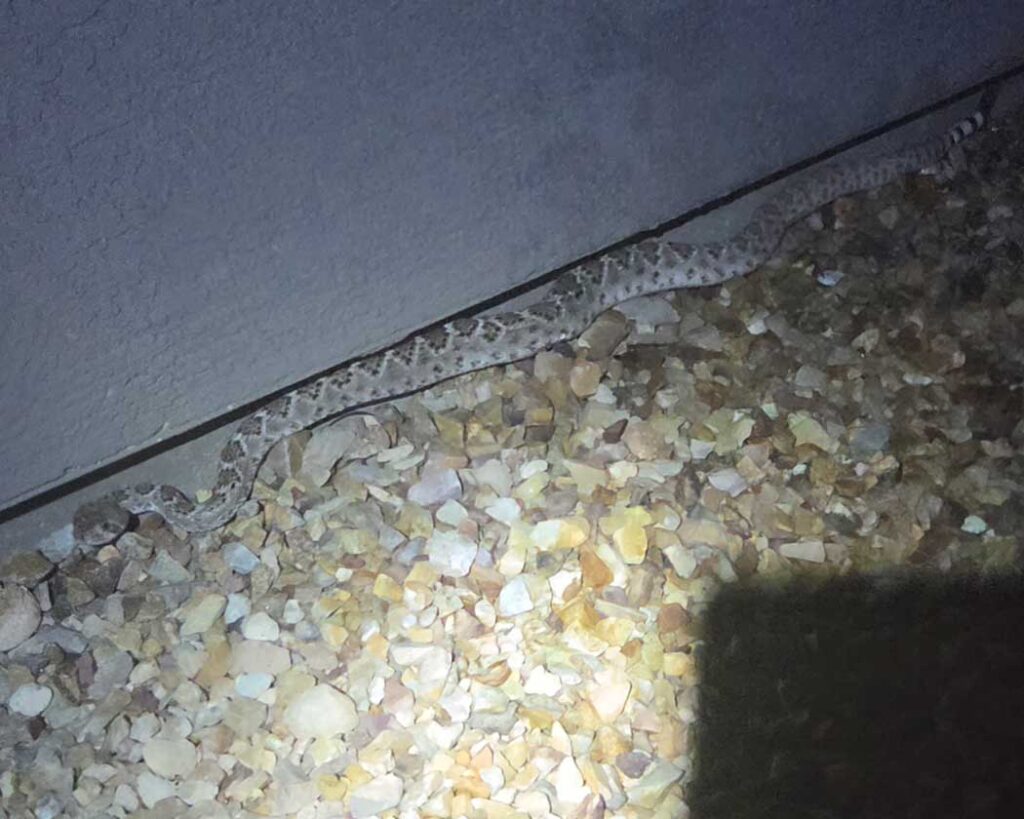
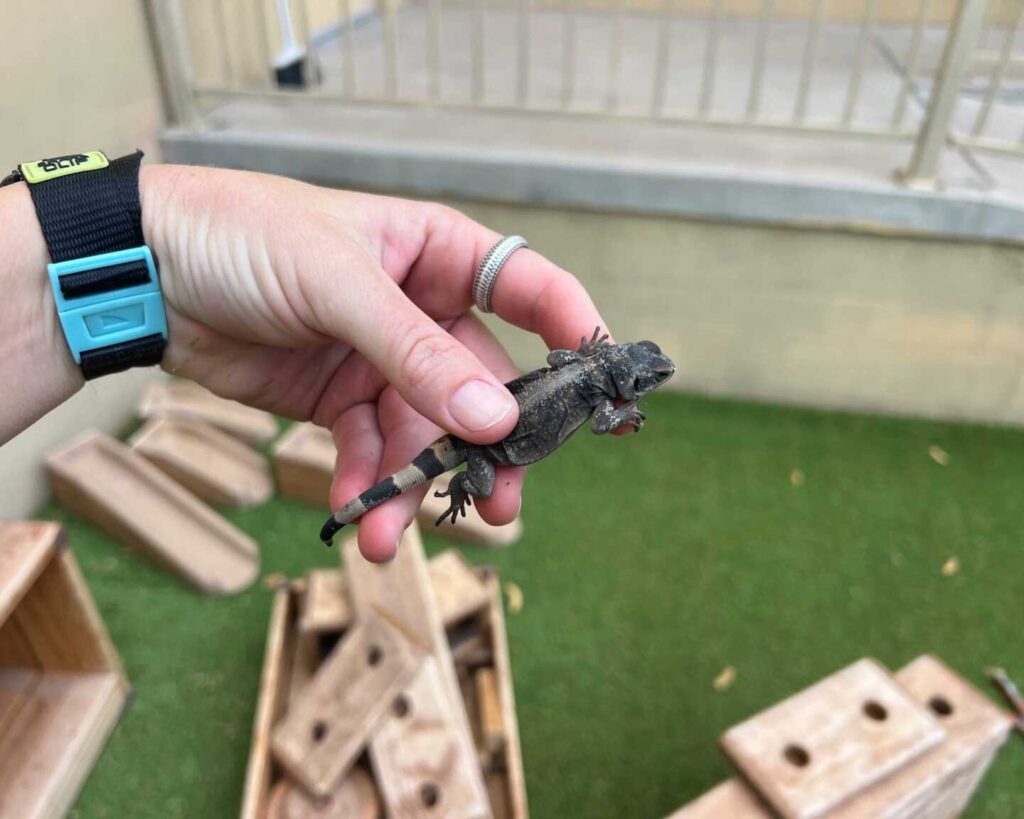
Three Baby Western Diamondbacks in a Drain

The homeowner had security come out first after finding baby Western Diamondback Rattlesnakes at the mouth of this drain pipe. They removed two, but she was understandably concerned there could be more hiding farther inside.

Michael came out to check the pipe and was able to find one more baby Western Diamondback Rattlesnake. He safely removed it and relocated it to a packrat nest in suitable habitat.

A Rattlesnake Without a Rattle in a North Phoenix Garage

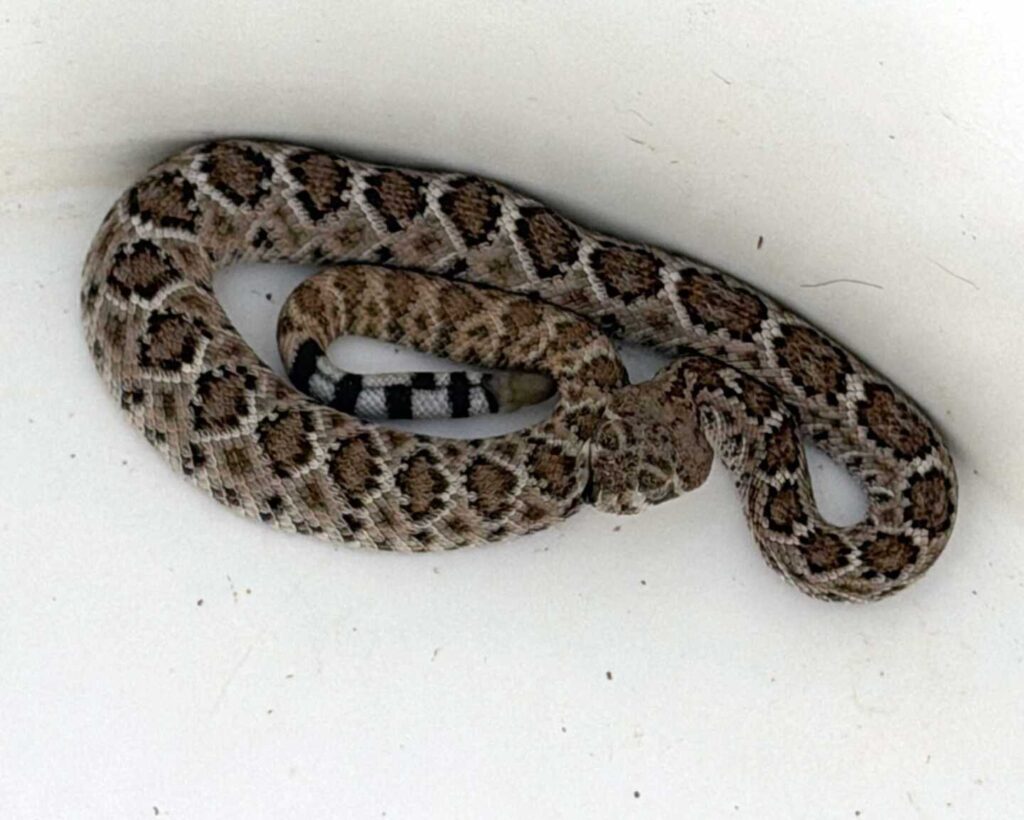
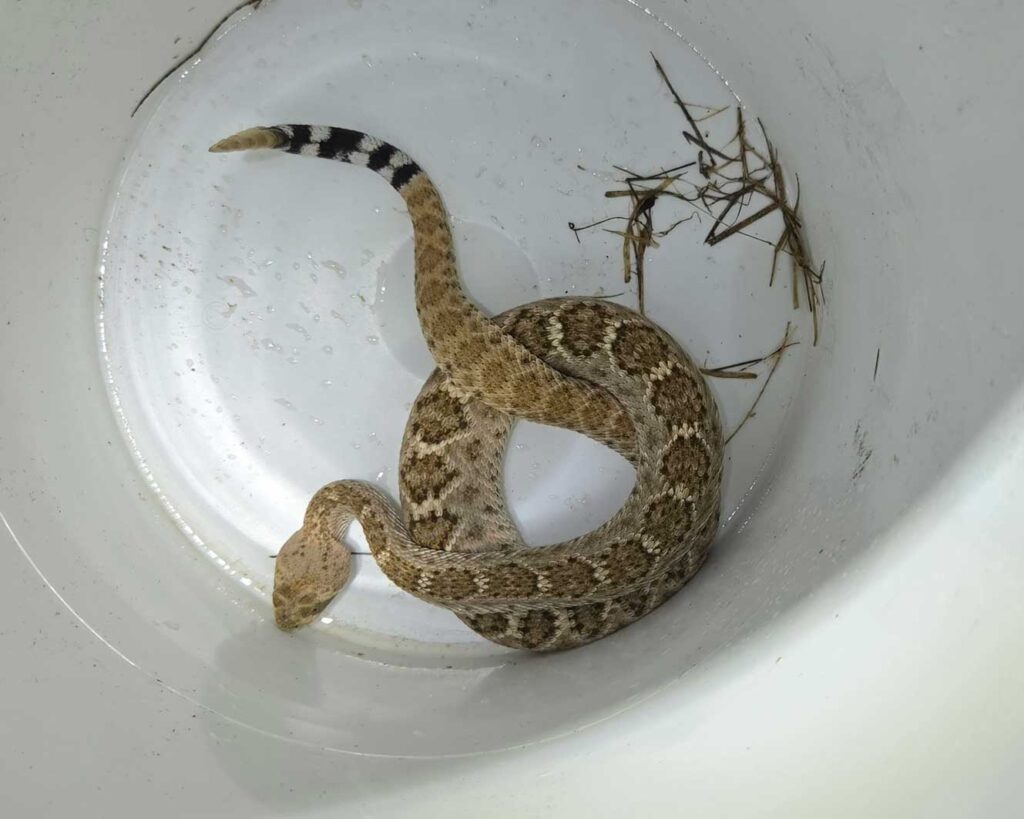
A rattlesnake without a rattle!

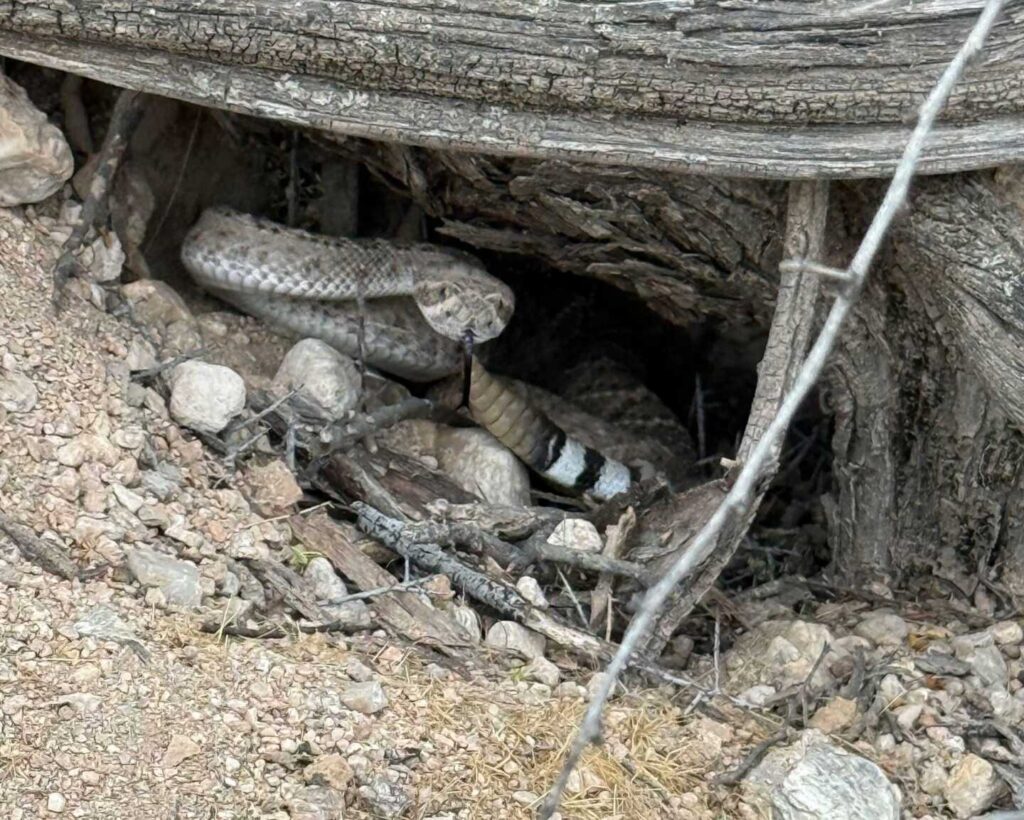
The homeowner was backing his car into the garage when he noticed a rattlesnake coiled beside the water heater in the back corner. The garage itself was sealed very well, but the homeowner said the door is sometimes left open, providing a likely opportunity for the snake to wander inside.

The North Phoenix home backs up to a large drainage that connects to State Trust Land, providing a natural travel corridor for wildlife through the area.

What made this rattlesnake especially interesting was what it didn’t have. The end of its tail and the entire rattle were missing. Everything was completely healed, so it may have been the result of an old injury or possibly something the snake had lived with since birth.

Marissa safely removed the rattlesnake from the garage and got it back out of the home.

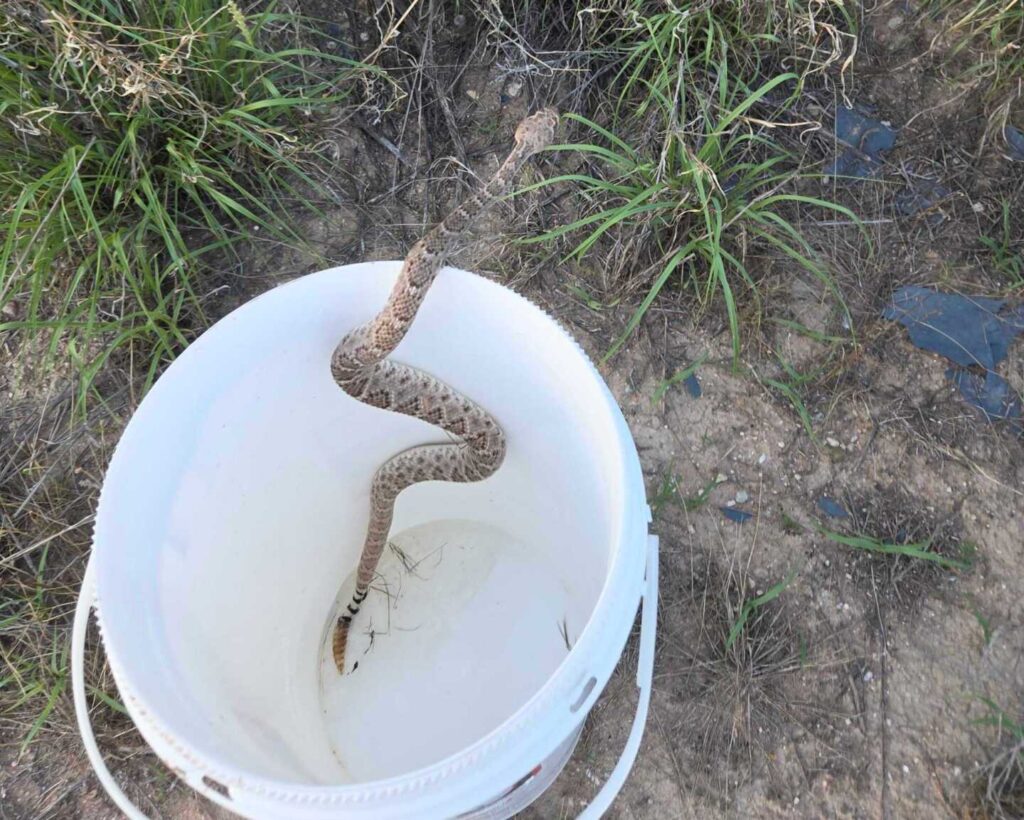
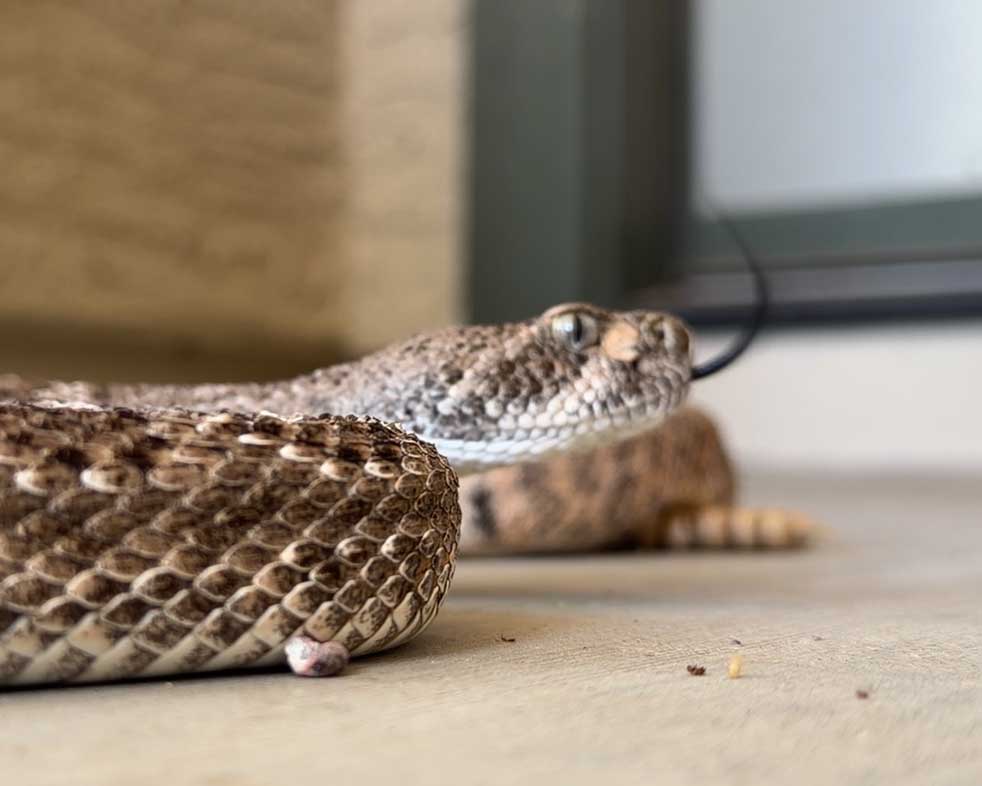
Tiny Western Diamondback Rattlesnake Already Out on Its Own

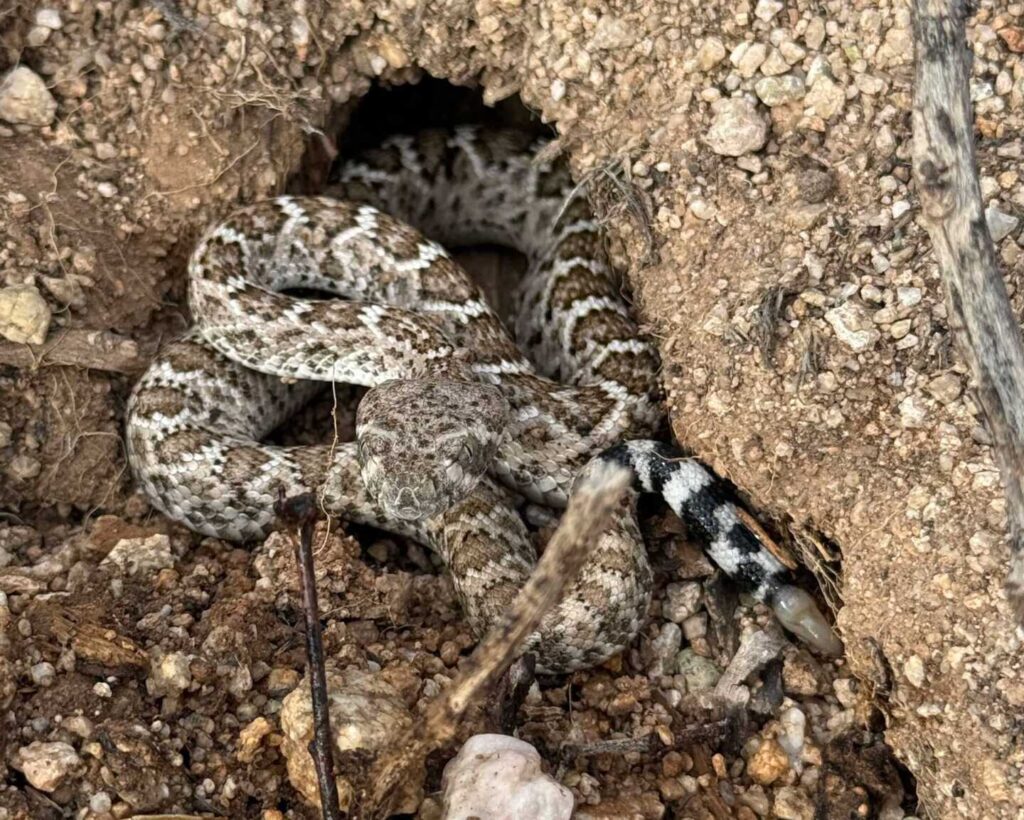
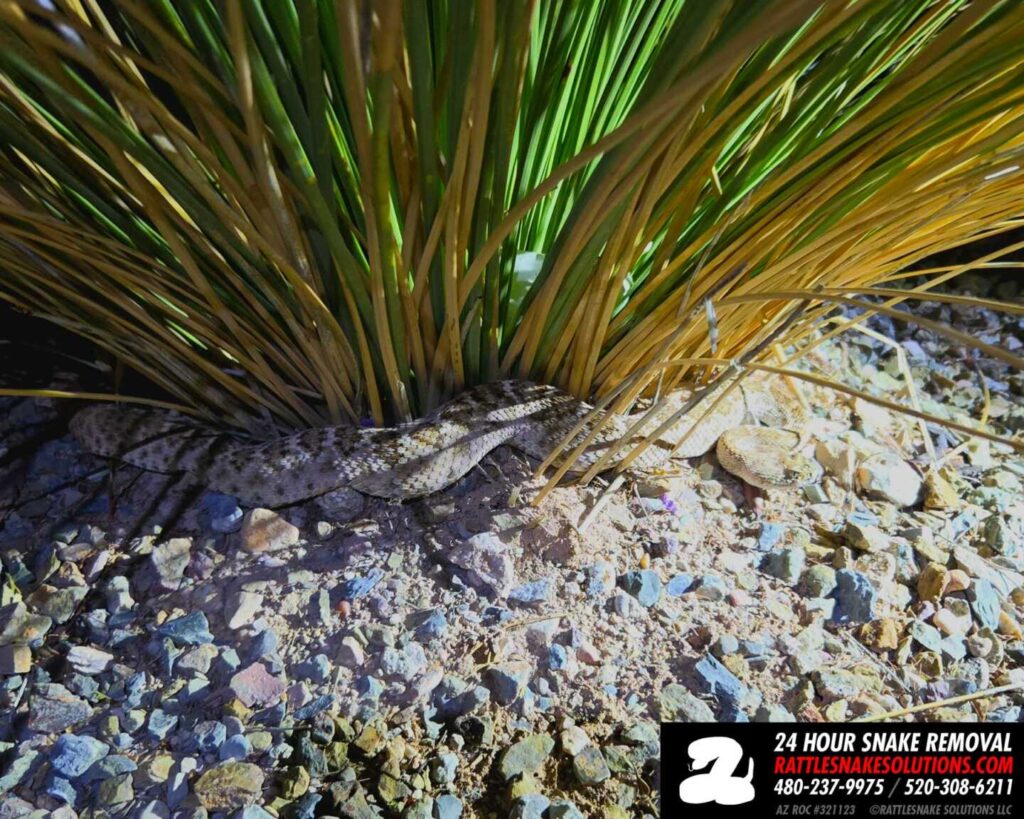
This tiny Western Diamondback Rattlesnake was found hanging out in the landscaping of a Cave Creek home. Given its size, Jason spent quite a while searching the surrounding area for its mother or any siblings that might still be nearby.

After a thorough search turned up nothing, it appeared this little rattlesnake was already out on its own.

Fortunately, Jason found it some pretty impressive accommodations nearby: a very large packrat nest with plenty of protected space underground. It’s the kind of place its brothers and sisters might be a little envious of, wherever they ended up.

Western Diamondback Rattlesnake Disappears Beneath a Patio

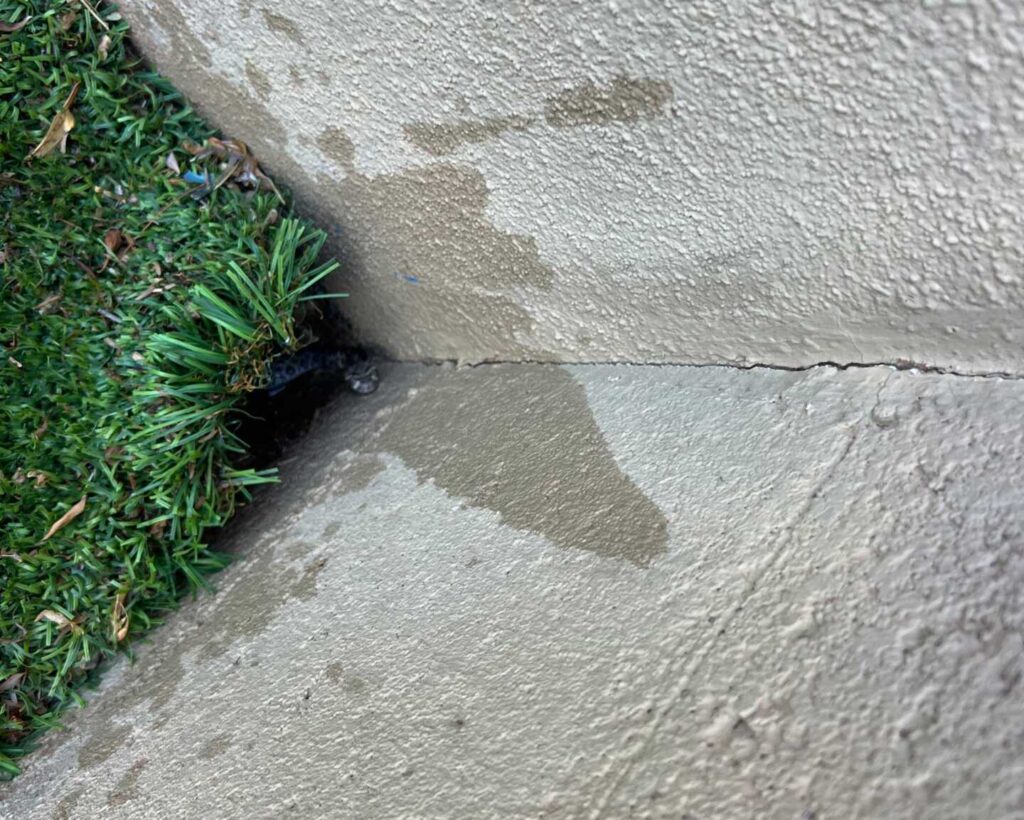
The homeowner was on his back patio when he caught a glimpse of a Western Diamondback Rattlesnake’s tail disappearing into a hole beneath the concrete. By the time Marissa arrived, the snake was completely out of sight.

Marissa used a hose to slowly water the hole, and after about five minutes, the Western Diamondback Rattlesnake finally came slithering back out where it could be safely captured.

There was plenty to attract a snake to this North Phoenix property. The large yard had a big garden, plenty of shady patio space, and lots of natural desert surrounding the property. The hole beneath the concrete just happened to provide another excellent place to escape the heat and disappear from view.

Finding Better Habitat for a Mesa Western Diamondback Rattlesnake

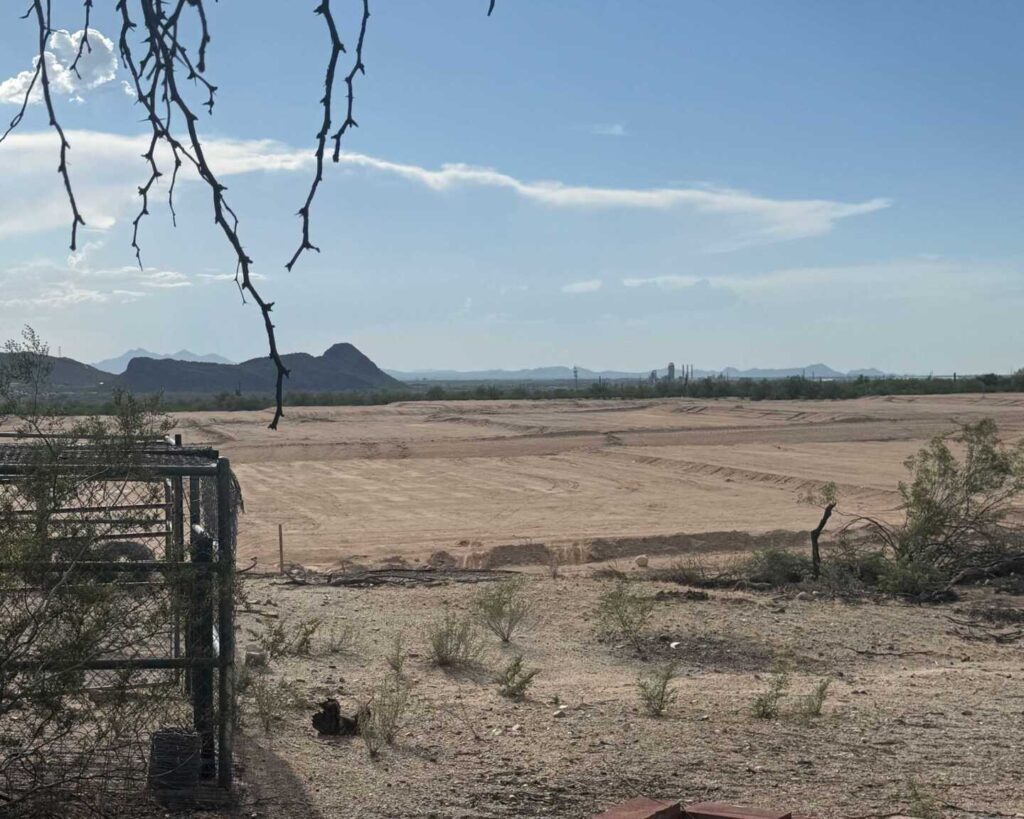
This late-night Western Diamondback Rattlesnake was found at an RV park in Mesa, where finding appropriate habitat for a release presented a challenge. Very little desert remains around the property, and the small patch that does exist is surrounded by roughly seven-foot fencing.

With few good options nearby, Austin took the rattlesnake farther east to an area where we have released snakes in the past and know there is suitable habitat. There, he found a large rodent burrow complex beneath creosote that offered a much better situation.

These burrow systems can contain extensive networks of tunnels underground, providing rattlesnakes with places to escape extreme surface temperatures, find shelter, and move between protected spaces. For a snake coming out of an increasingly developed part of Mesa, this one had much better options underground.

Two Western Diamondback Rattlesnakes Share a Backyard Burrow

A homeowner in Rio Verde noticed a large burrow beneath a boulder in her backyard and planned to fill it in. Wanting to make sure nothing was living inside first, she placed a hose into the opening. Almost immediately, two Western Diamondback Rattlesnakes emerged from the burrow. By the time Marissa arrived, only one snake was still visible.

Marissa safely captured the first rattlesnake, then spent nearly an hour flooding the extensive burrow system in an attempt to encourage the second snake to emerge. Along the way, a toad came out of the burrow, which Marissa also relocated because the homeowners have a dog. Despite the effort, the second rattlesnake never reappeared, and the homeowner will continue monitoring the area before filling the burrow. The property borders extensive desert habitat and includes a well-watered garden and several cactus patches with active packrat nests, creating excellent habitat for wildlife.

Rattlesnake Still Waiting in Ambush at Sunrise

A homeowner was heading out to water her garden early in the morning when she spotted a rattlesnake still coiled in ambush from the night before. The home backed up to a small patch of desert, with a larger preserve not far beyond it, making it easy for native wildlife to move through the area. Marissa safely secured the snake and relocated it within its estimated home range to suitable habitat away from homes.

Western Diamondback Rattlesnake Hidden Beneath a Scottsdale Door Threshold

A homeowner in Scottsdale had unknowingly stepped over this Western Diamondback Rattlesnake several times before finally spotting it wedged beneath the backyard door threshold. The yard featured view fencing along most of the perimeter and plenty of low shrubs that provided excellent cover for the snake. Jeff carefully used a snake hook to coax it out from beneath the threshold before safely securing it. The rattlesnake was then relocated within its estimated home range to suitable desert habitat, where a large, human-made rock pile had naturally become an extensive packrat nest, providing ideal shelter.