Cerralvo Island Rattlesnake from Baja California Sur, Mexico several years ago. There are a couple of species of rattlesnakes on this island, both of which can be found even down on the beach, in ambush alongside seashells and dolphin bones.
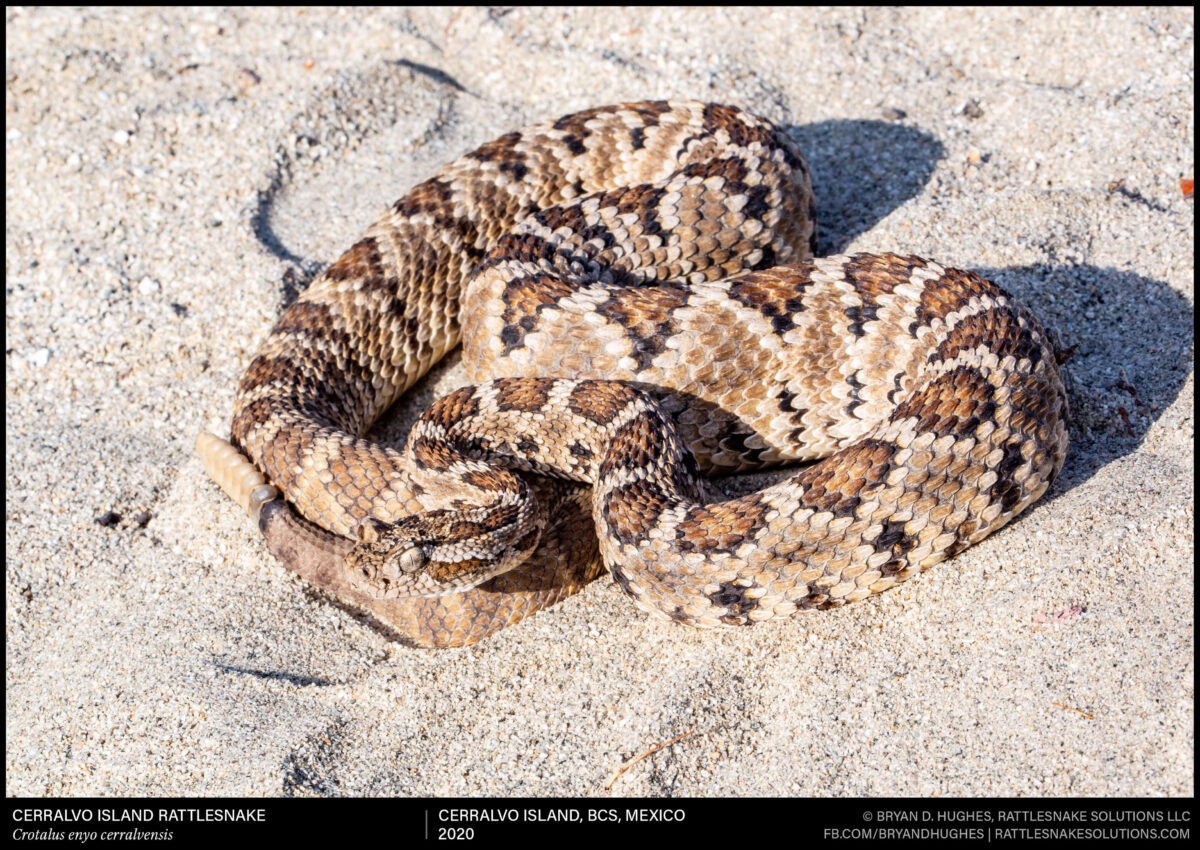

Cerralvo Island Rattlesnake from Baja California Sur, Mexico several years ago. There are a couple of species of rattlesnakes on this island, both of which can be found even down on the beach, in ambush alongside seashells and dolphin bones.
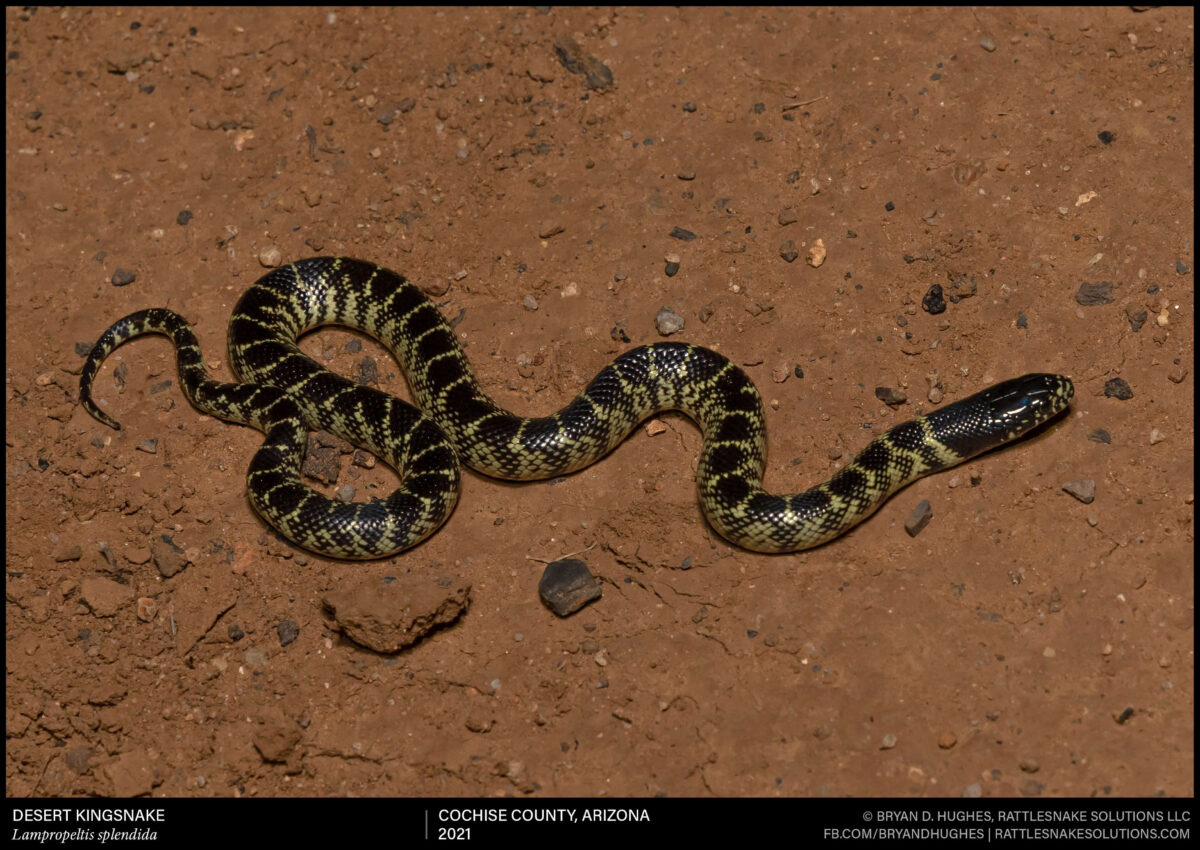
A young Desert Kingsnake (Lampropeltis spendida) from the southeastern corner of Arizona.
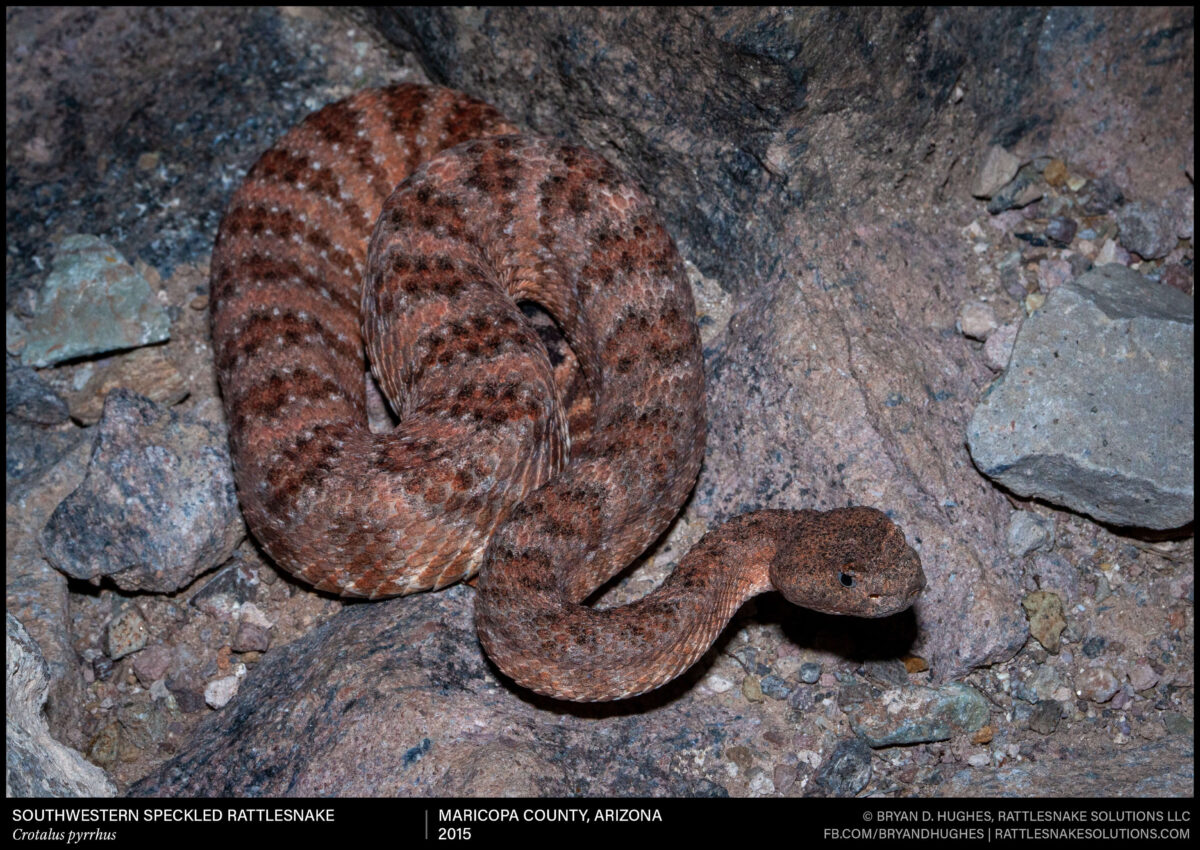
A Southwestern Speckled Rattlesnake from the Phoenix area. In some locations, they can be a pretty brick red like this one. These are the second most commonly encountered rattlesnake by hikers in the central Phoenix parks.
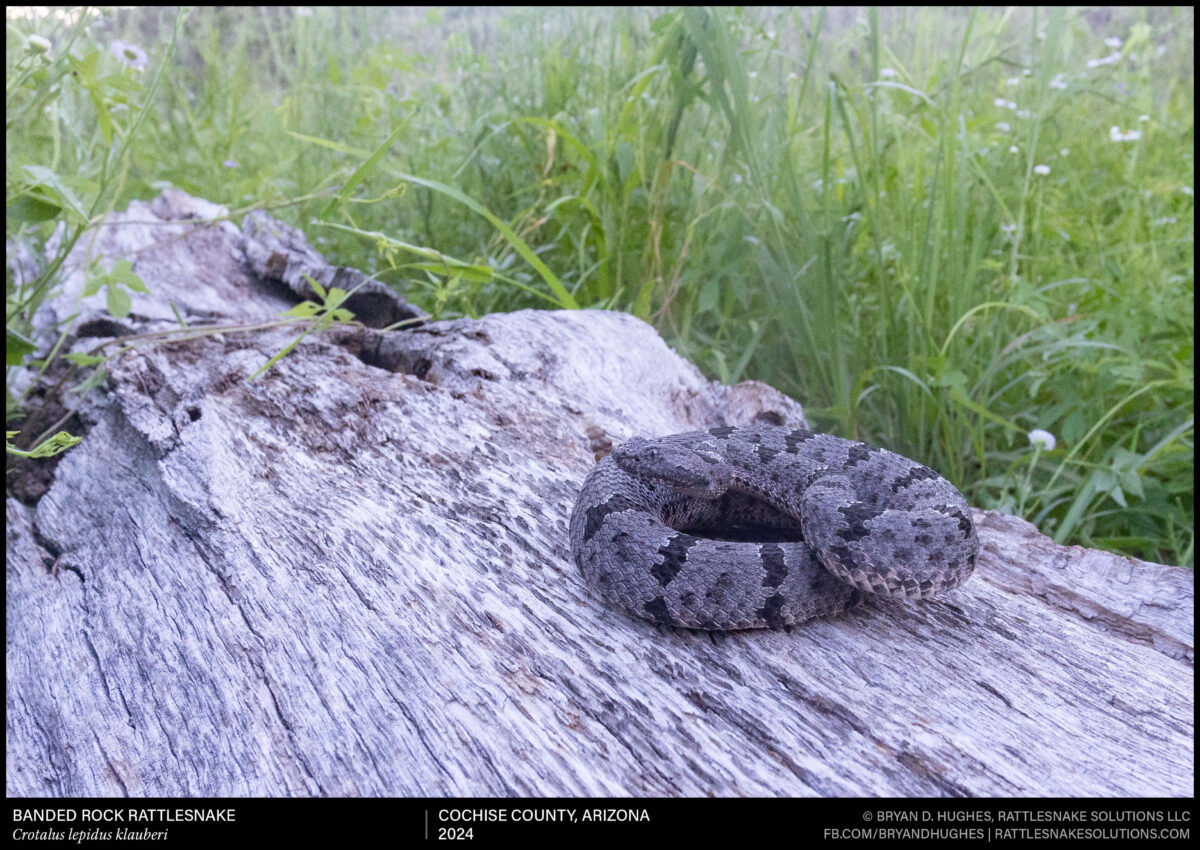
A Banded Rock Rattlesnake from southeastern Arizona. These snakes are typically quick to rattle and flee into cover. But due to their small size, it can sound more like an insect than a rattlesnake. Despite being common and locally abundant, there is little chance of an accidental bite to anyone not purposely trying to capture one.
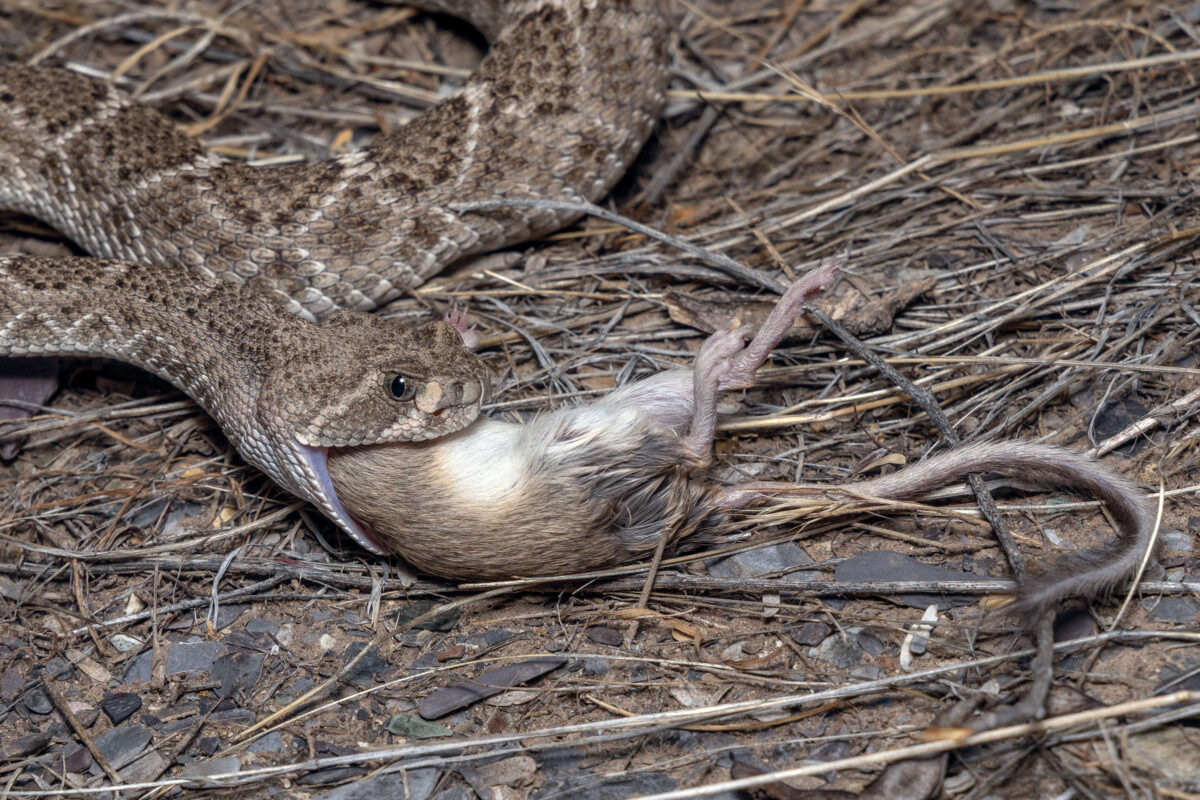
A Western Diamondback Rattlesnake I found eating a rodent. Which order of these animals do you think kills more people in any given year in the US?
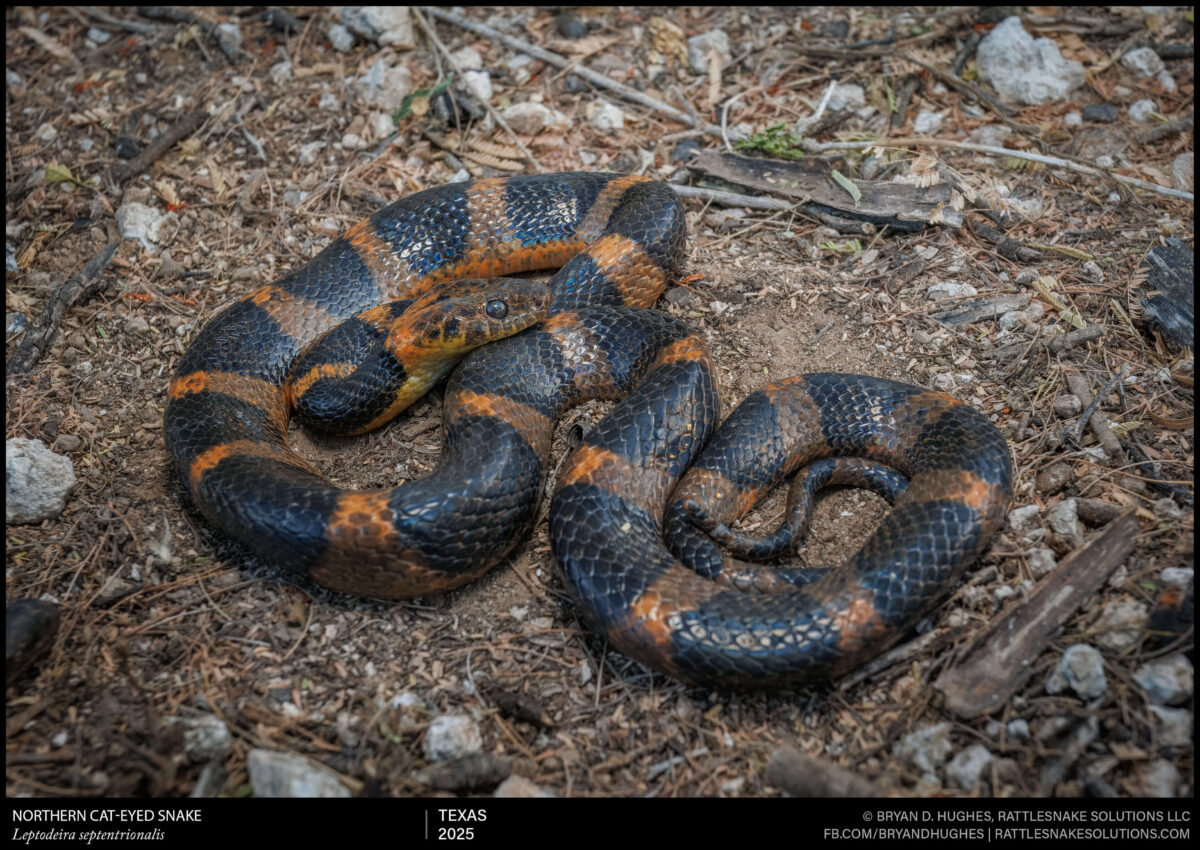
Northern Cat-eyed Snake from late last year. This animal is found in thornscrub and tropical forest habitat throughout much of Central America, and just barely makes it into the United States, in south Texas.
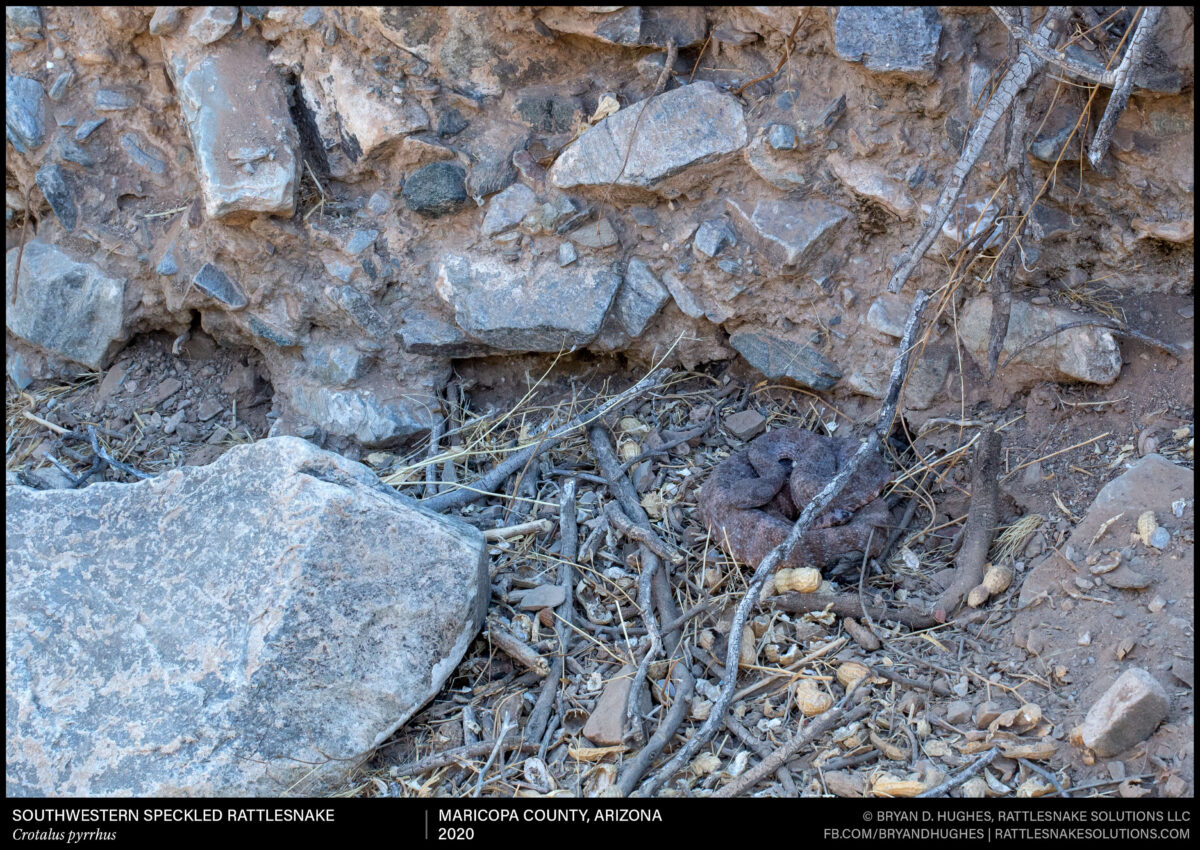
A Southwestern Speckled Rattlesnake hanging out in a drainage, as it does about every morning, during the lethally hot period of Arizona summer. For much of the year, rattlesnakes are largely nocturnal, encountered by hikers and homeowners only just after sunup and again after dark.
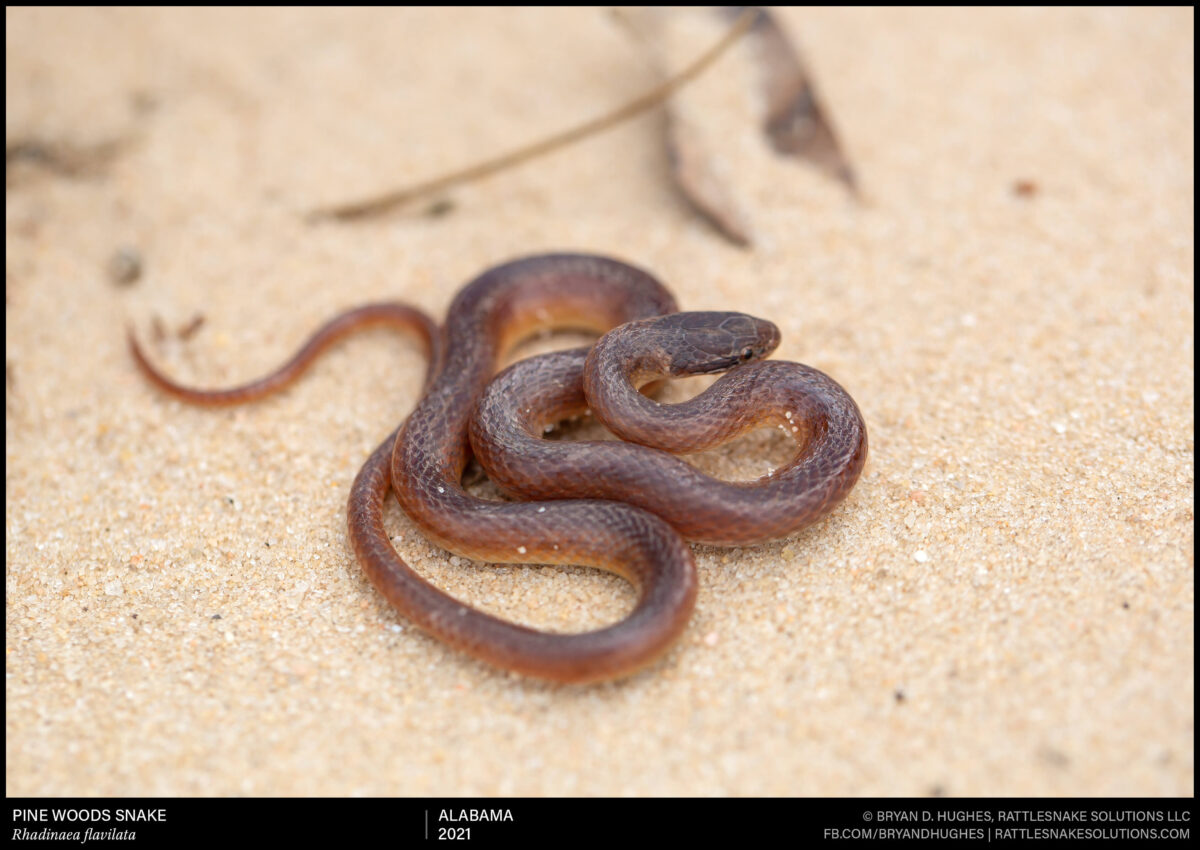
A tiny Pine Woods Snake from Alabama a few years back.
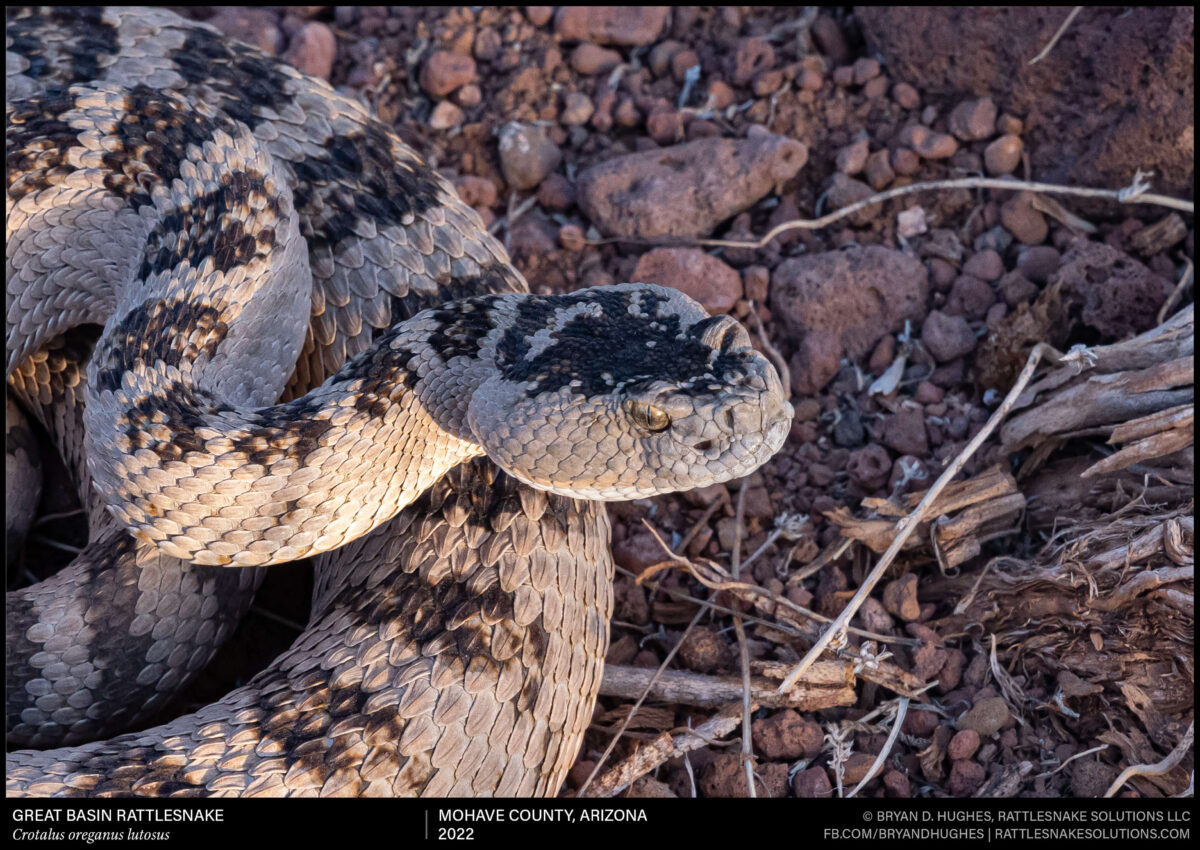
A Great Basin Rattlesnake from one of the most remote areas of northwestern Arizona … the kind of place that sees more low flying helicopters than trucks. These snakes, as juveniles, have crisp lines and blotches that look similar to other rattlesnakes of the Western Rattlesnake complex. As they mature, however, the pattern often disintegrates into these messy blotches.
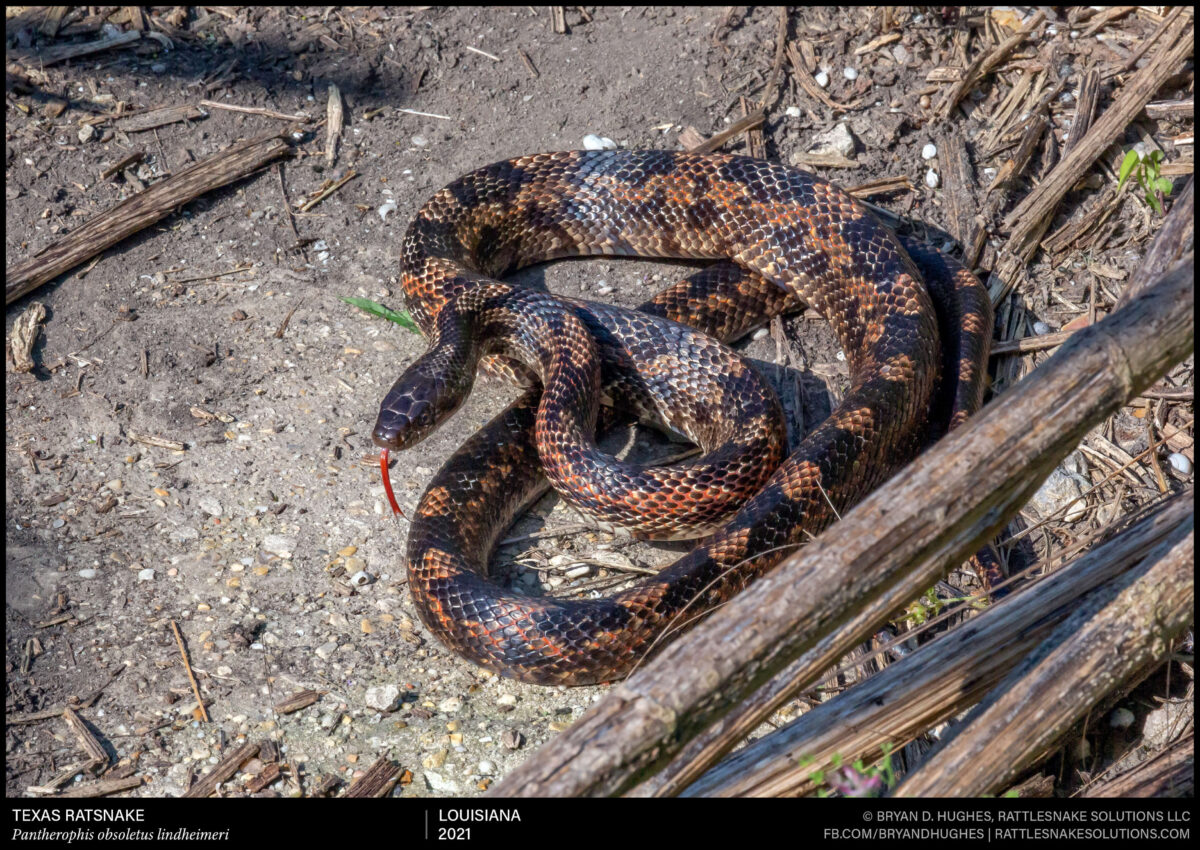
A really pretty instance of a Texas Ratsnake from a trip to the southeastern US a couple of years ago.