A really pretty instance of a Texas Ratsnake from a trip to the southeastern US a couple of years ago.
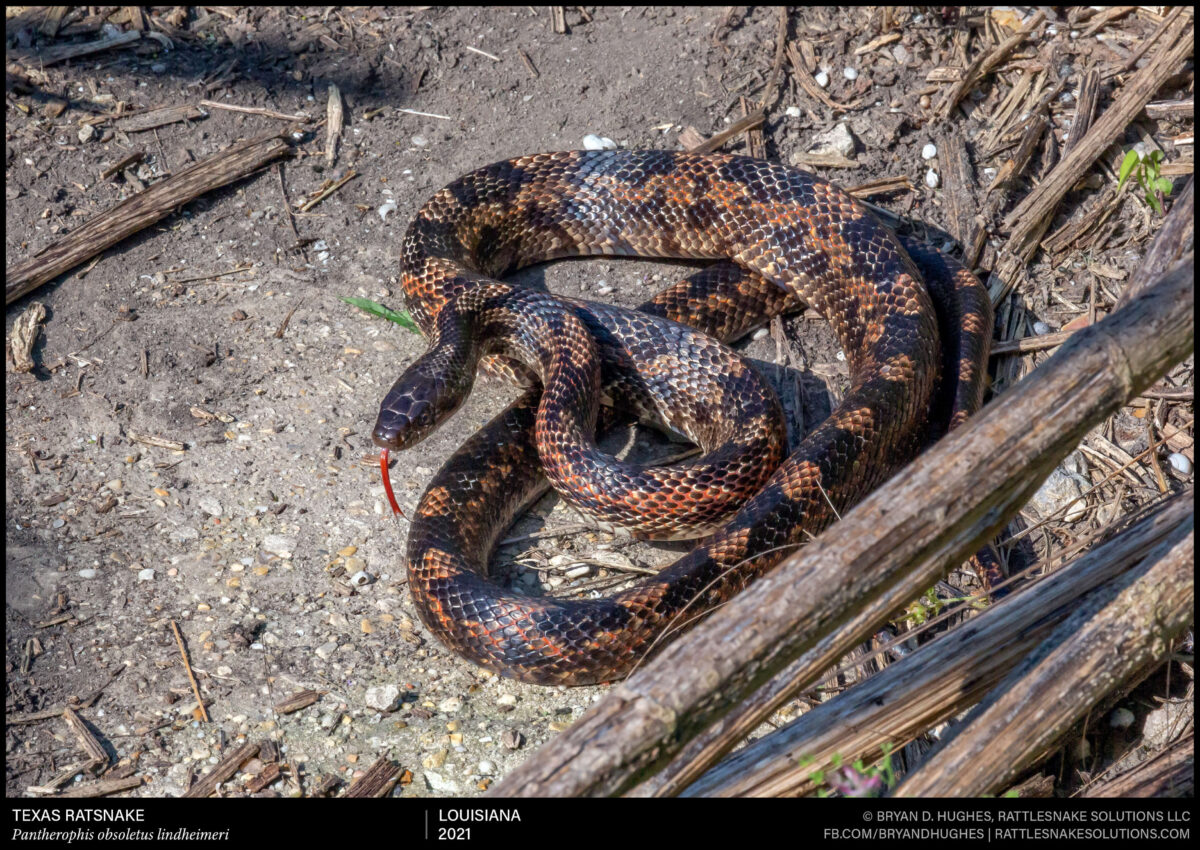

A really pretty instance of a Texas Ratsnake from a trip to the southeastern US a couple of years ago.
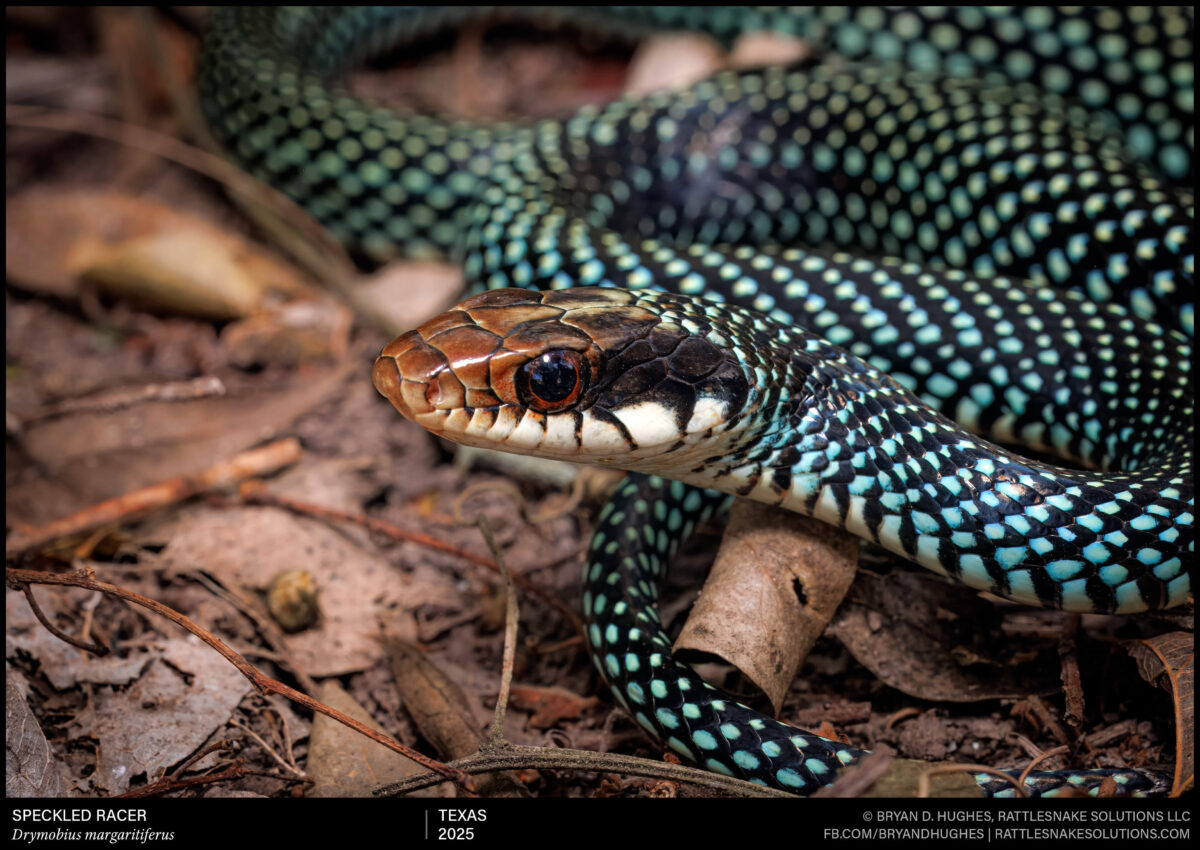
A Speckled Racer (Drymobius margaritiferus) from a visit to South Texas last year. This species is found throughout Central America and just a bit into South America, ranging north to just barely enter the United States.
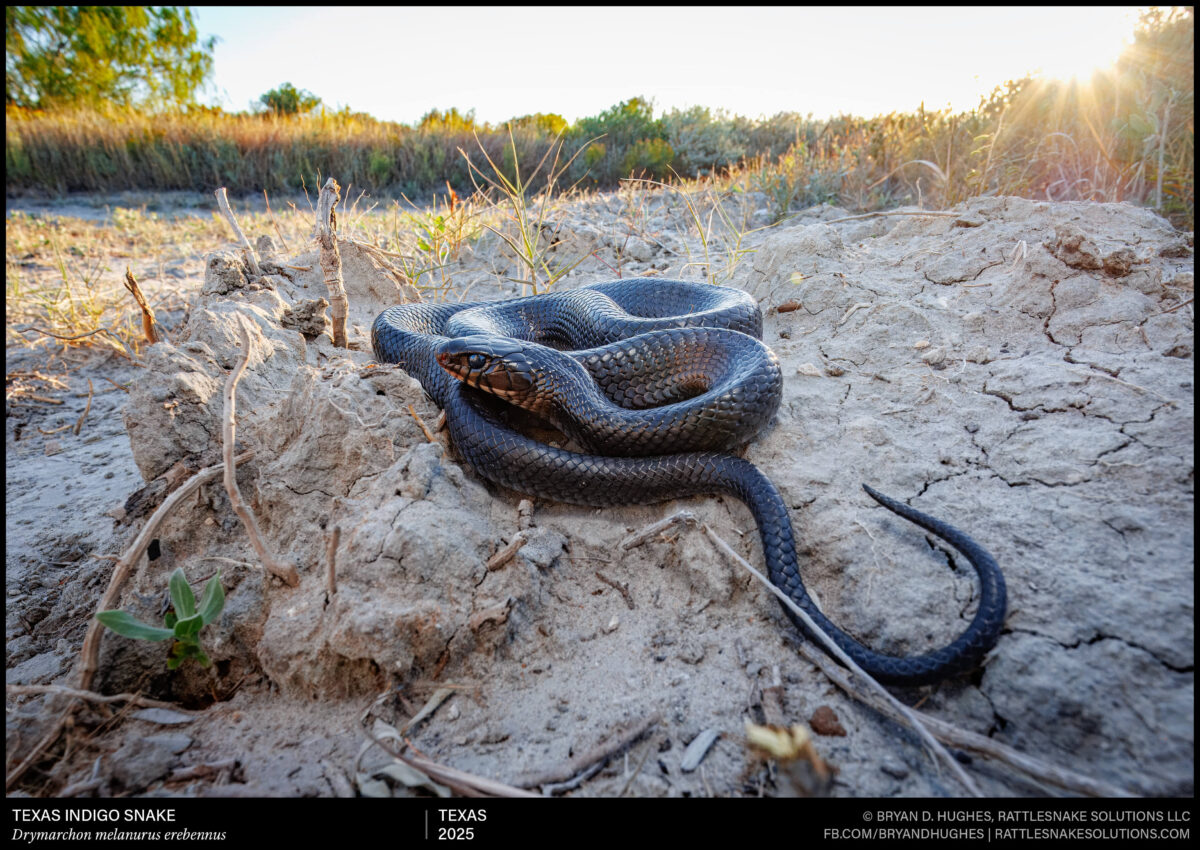
A pretty young Texas Indigo Snake we found on a visit to friends in South Texas last year.
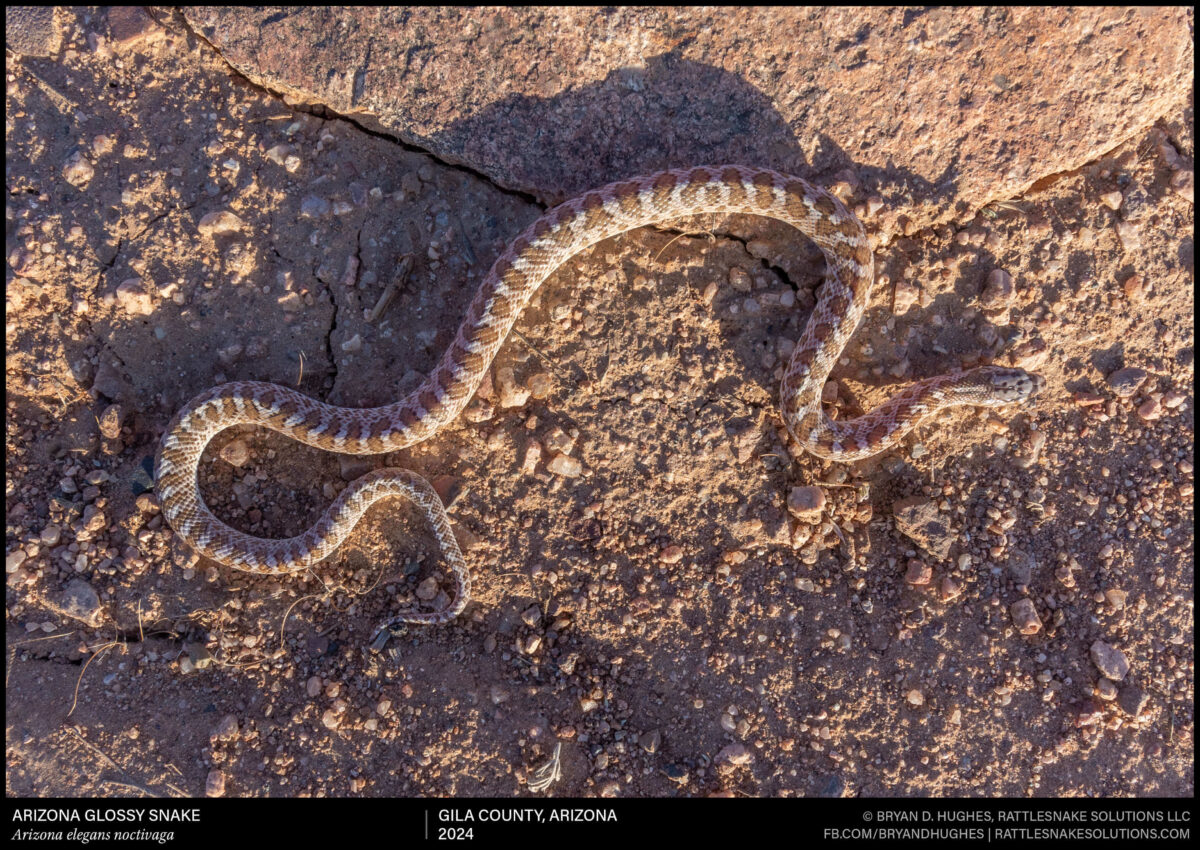
We found this young glossysnake in Gila County on a warm evening. Often, Sonoran Gophersnakes are misidentified as this species. One notable trait to differentiate if up close is in its name. Sonoran Gophersnakes have a ridge (keel) in each scale that gives them a rough texture and appearance, and the Glossysnakes have no such keel, and look smooth and shiny in comparison.
They’re not uncommon, but most people who spend time outdoors are still unlikely to ever see one. Of the snake species we are called to capture at homes, too, this is among the least likely to be there. On that list, it falls behind non-native animals like the Ball Python and Green Iguana in total instances over the years.
A common and beautiful sight on night time walks in the Amazon, the Crowned False Boa. These are relatively small, usually around two feet in length, and aren’t biters. They eat lizards and other snakes, and the occasional frog, rodent, and bird. Usually when they’re seen, it’s moving through leaf litter on the ground as a flash of red half in and out of debris.

Common Whipsnake, Chironius exoletus. Peru, 2020

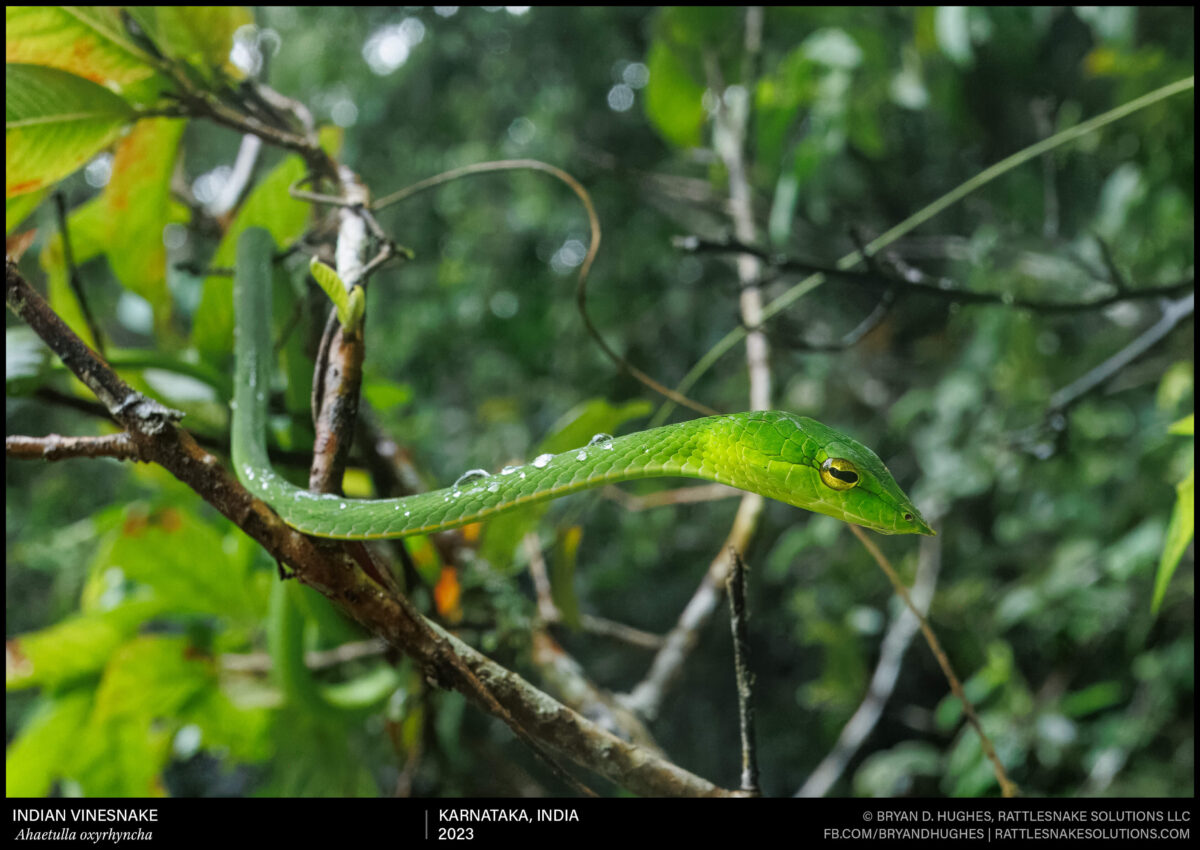
One of several Indian Vinesnakes spotted out after heavy rain in the Western Ghats a few years back.
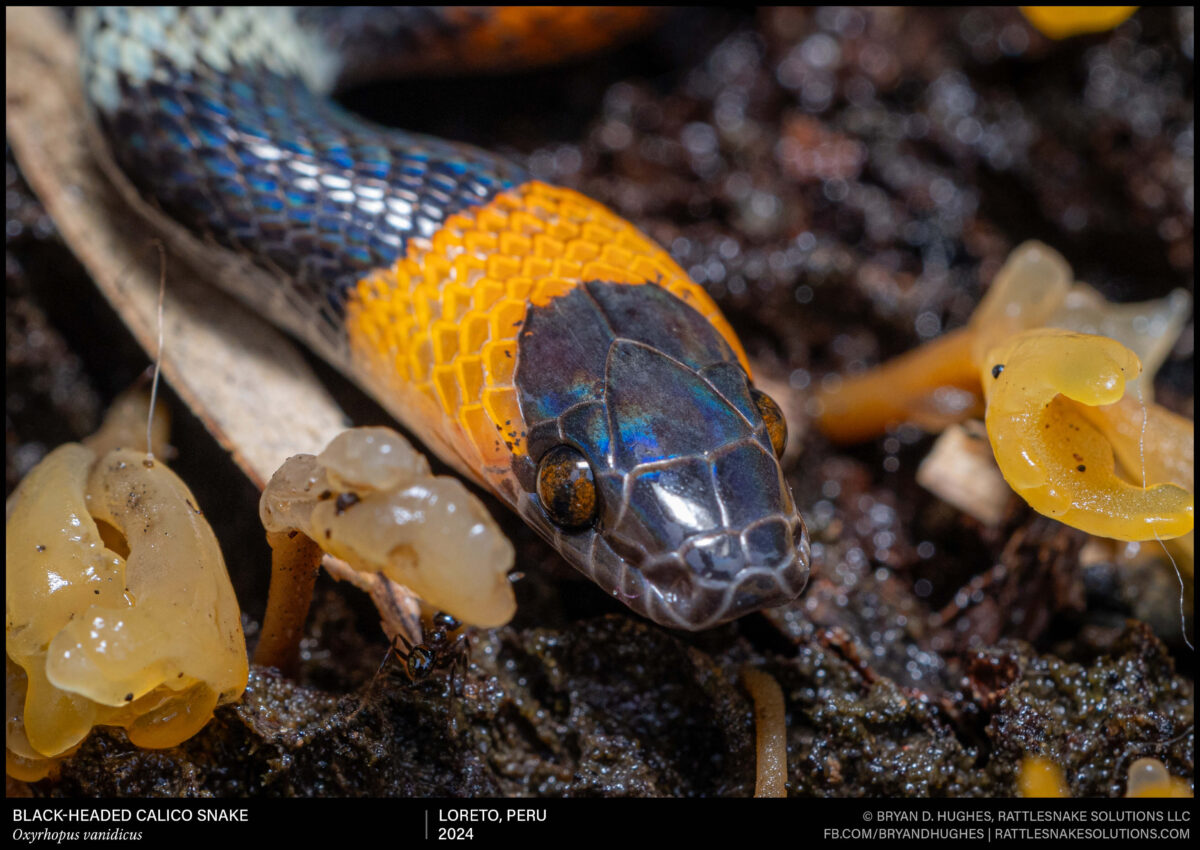
Close up with a Black Headed Calico Snake, a harmless mimic of the Hemphrich’s Coralsnake which also lives in the area. Found a couple of years ago in Peru.
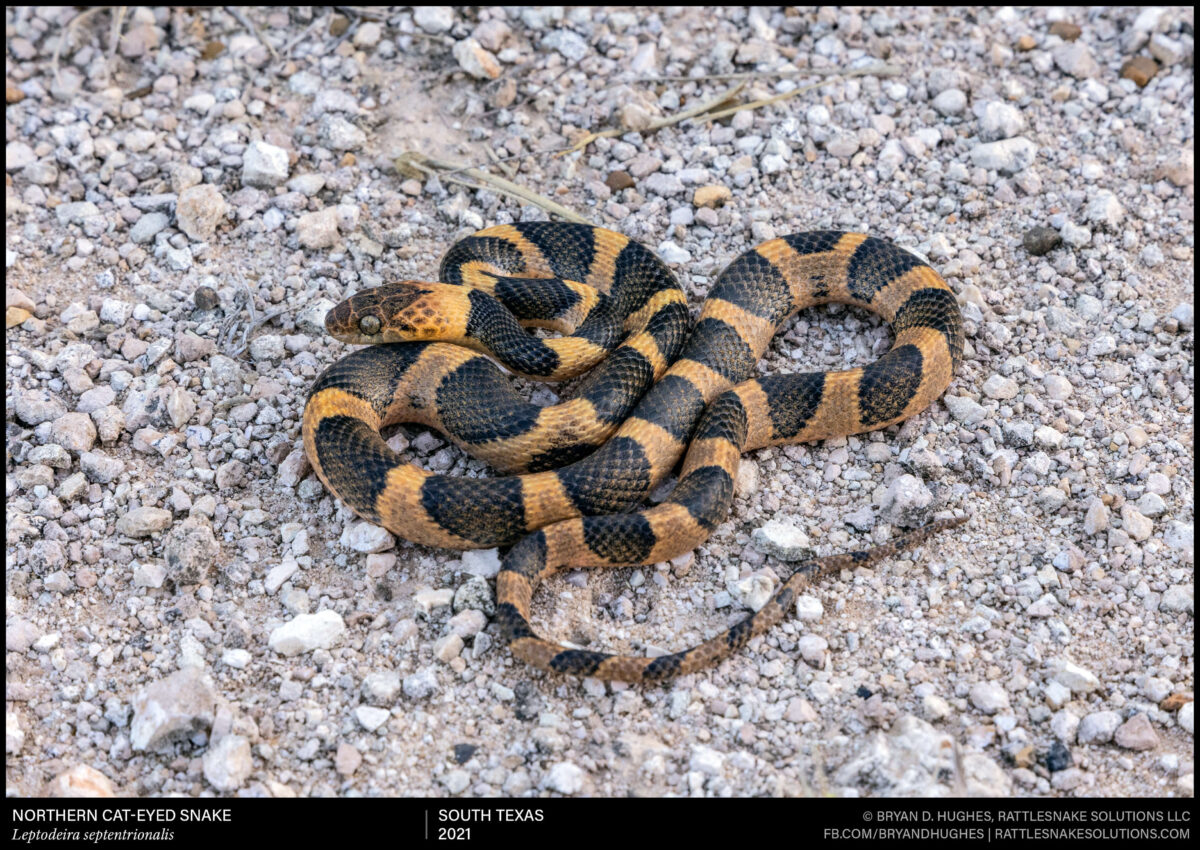
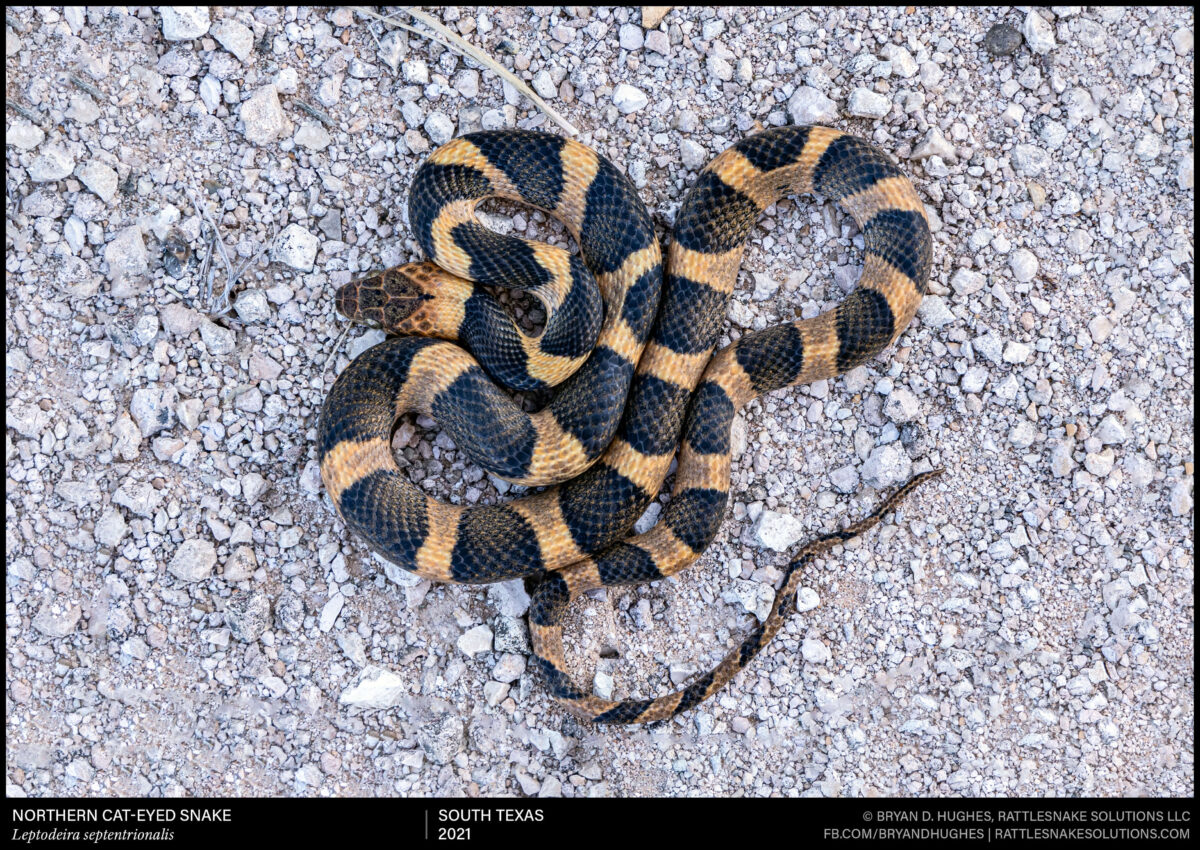
A common sight around waterways south of the US are the cat-eyed snakes; mildly venomous, cat-eyed snakes (Leptodeira sp.). However, they do make it into the country in one small area of extreme south Texas. We found this Northern Cat-eyed Snake (Leptodeira septentrionalis) there several years ago. For friends in Arizona, these are most closely related to the nightsnakes (Hypsiglena sp.), both in form and lineage.
Vidal, N., Dewynter, M., & Gower, D. J. (2010). Dissecting the major American snake radiation: A molecular phylogeny of the Dipsadidae Bonaparte (Serpentes, Caenophidia). Comptes Rendus Biologies, 333(1), 48–55. https://doi.org/10.1016/j.crvi.2009.11.003
A young Sonoran Whipsnake near Phoenix. These snakes are extremely fast, daytime hunters that go after everything from lizards to other snakes. Most encounters people will have with them are as a blue-grey blur disappearing into the bushes, where it will seem to just teleport to another dimension if you try and find it.
