We found this baby Madrean Mountain Kingsnake (Lampropeltis knoblochi) several years ago out on the move in moderate rain. These colorful snakes are common in mid- to upper-elevation mountain woodlands and riparian zones.
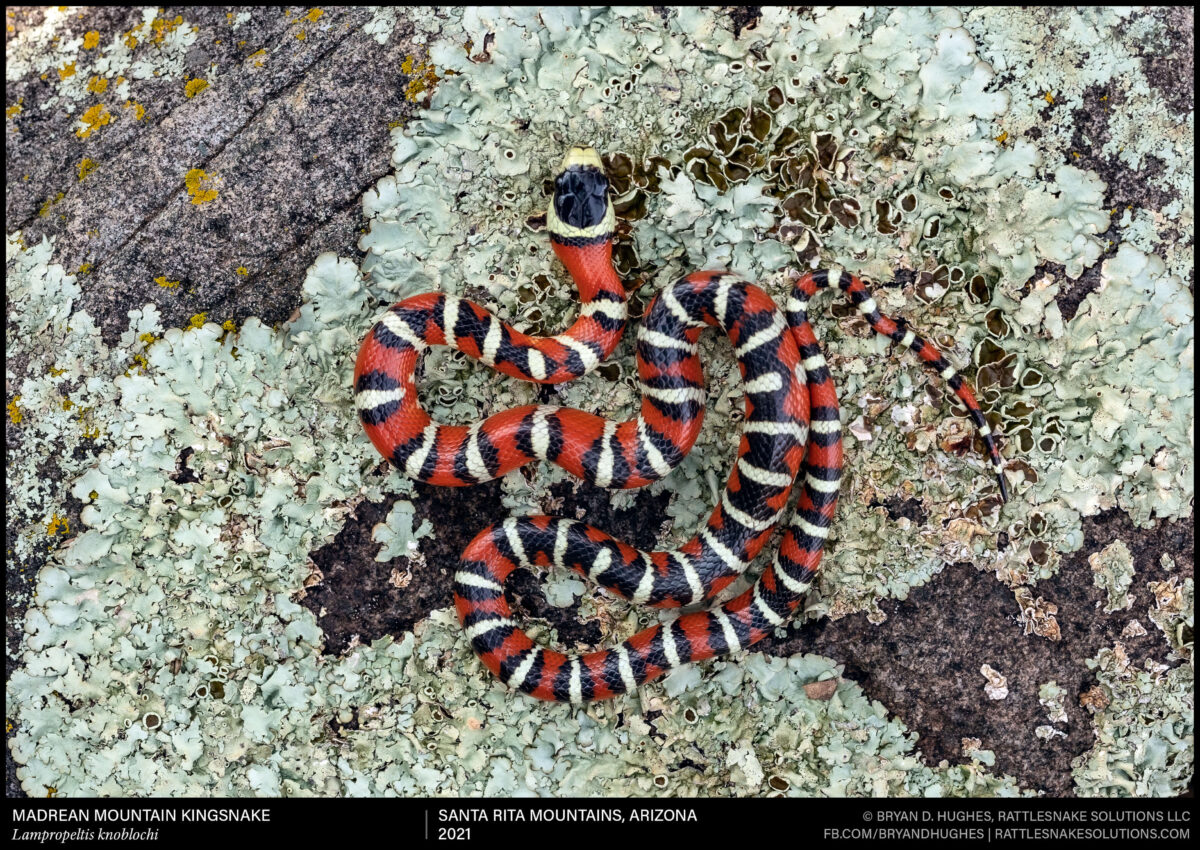

We found this baby Madrean Mountain Kingsnake (Lampropeltis knoblochi) several years ago out on the move in moderate rain. These colorful snakes are common in mid- to upper-elevation mountain woodlands and riparian zones.
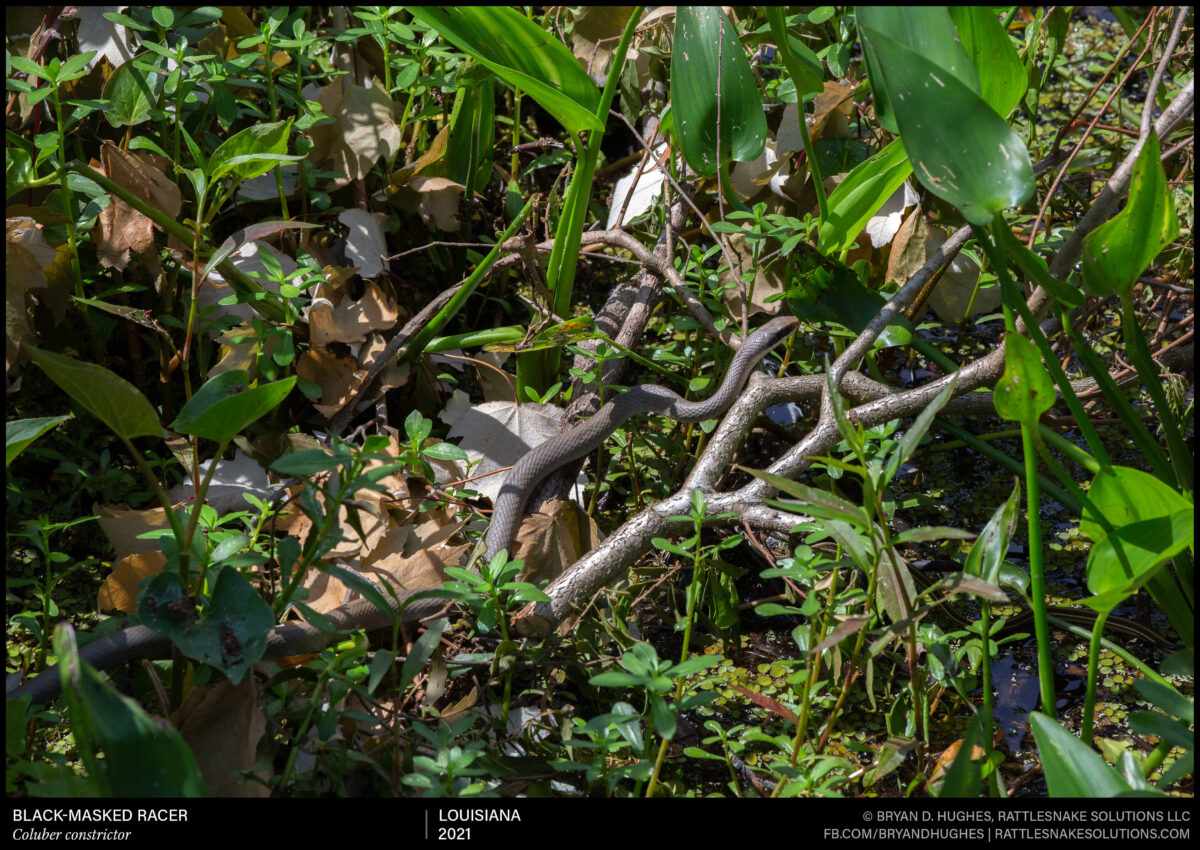
Black-masked Racer from Louisiana a few years back.
A Trans-Pecos Ratsnake (Bogertophis subocularis) from the border region of Texas.
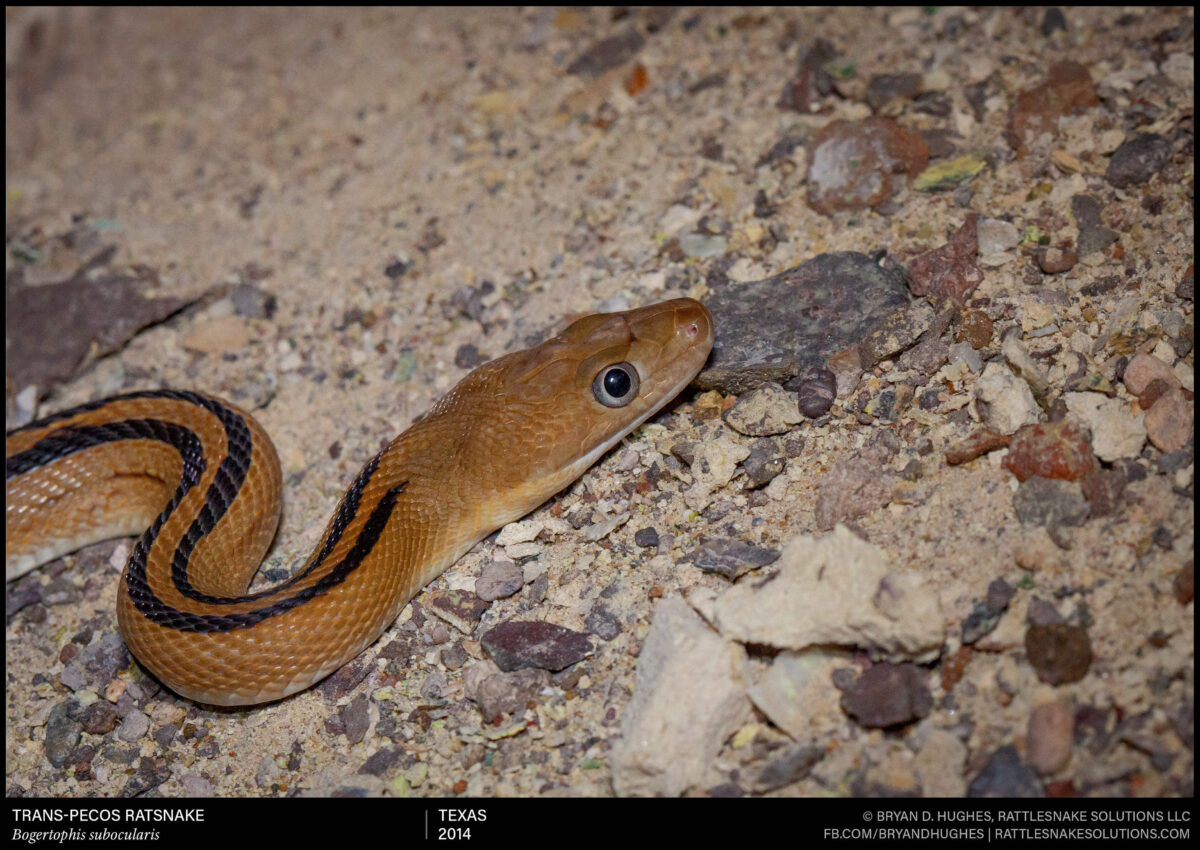
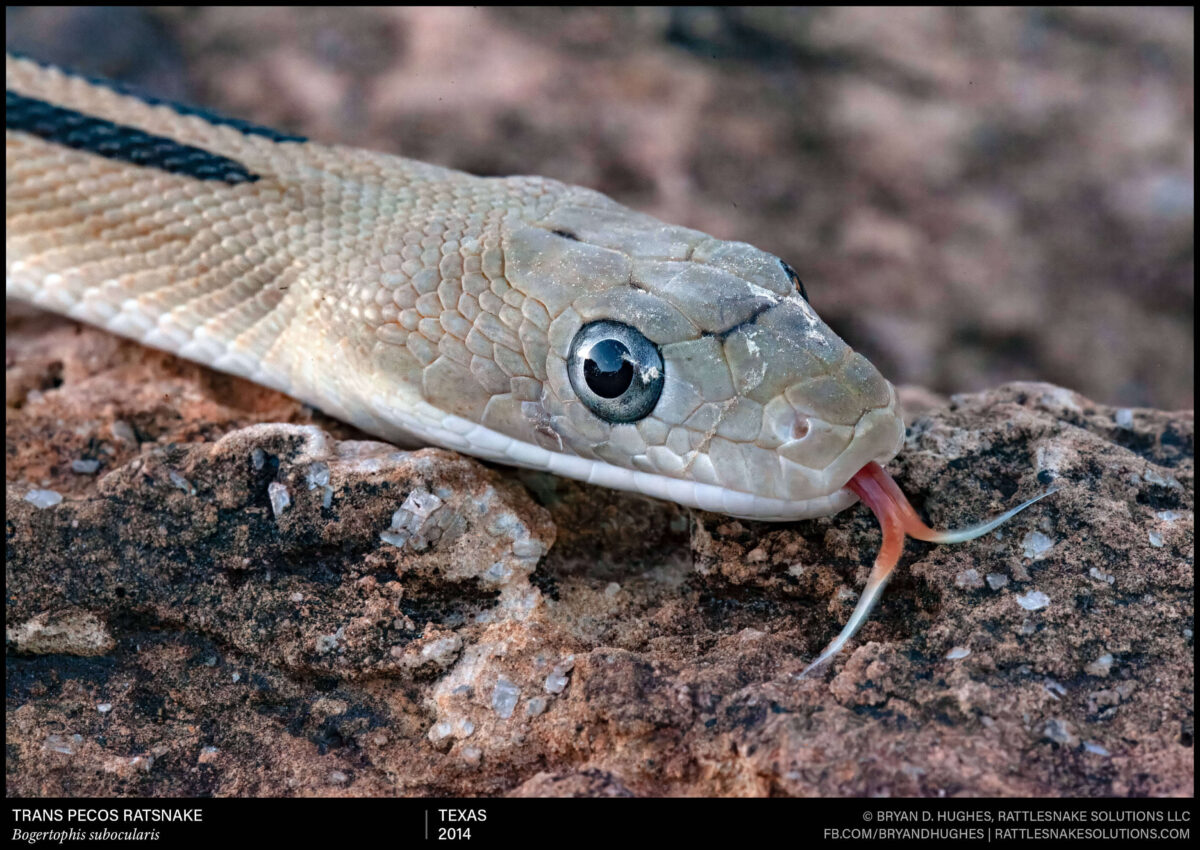
Close up with a Trans-Pecos Ratsnake (Bogertophis subocularis). I found this one in South Texas, though they also range through much of New Mexico, and into Mexico.
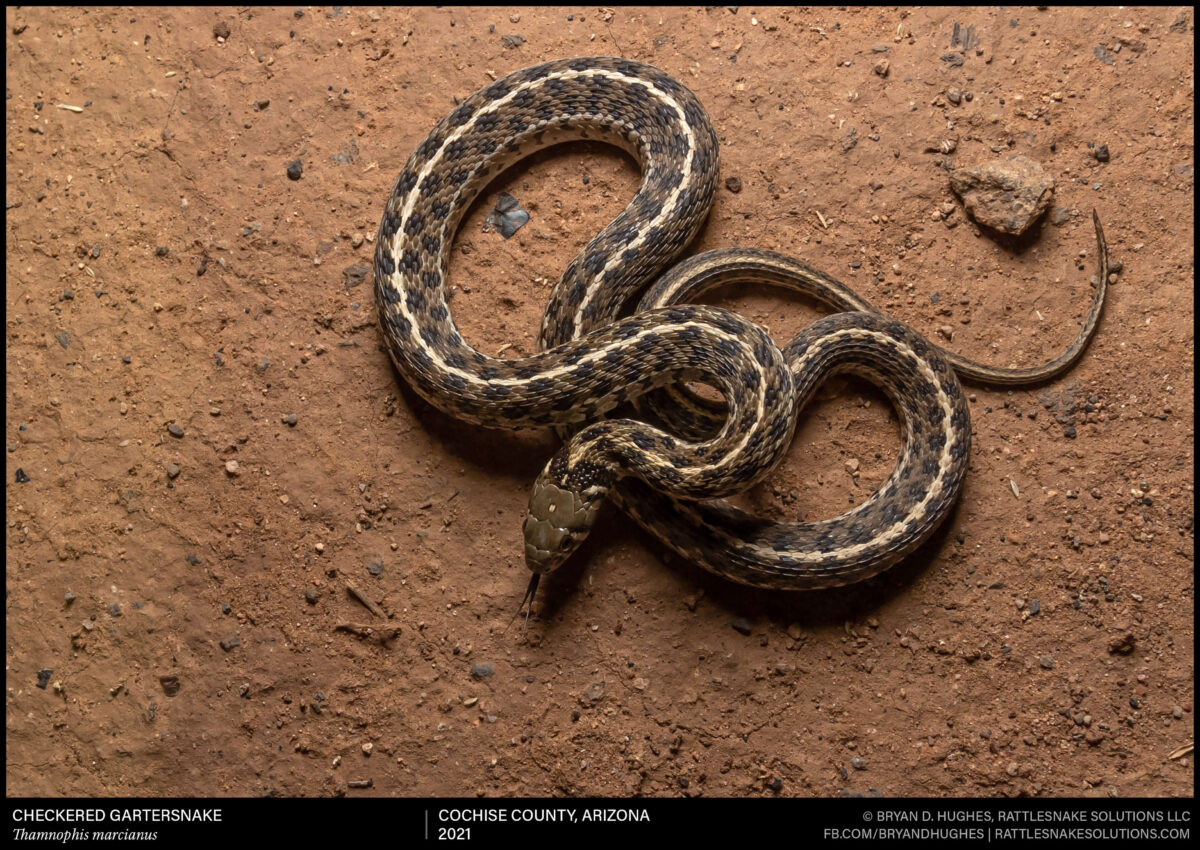
Checkered Gartersnakes are one of several species of garters found in Arizona. These are often associated with agriculture and canals, and is one of the few snakes that thrive in the fields and irrigation channels in the southern Phoenix-metro valley. This one was found in the southeastern corner of the state, crossing a roadway between two fields on a hot night.
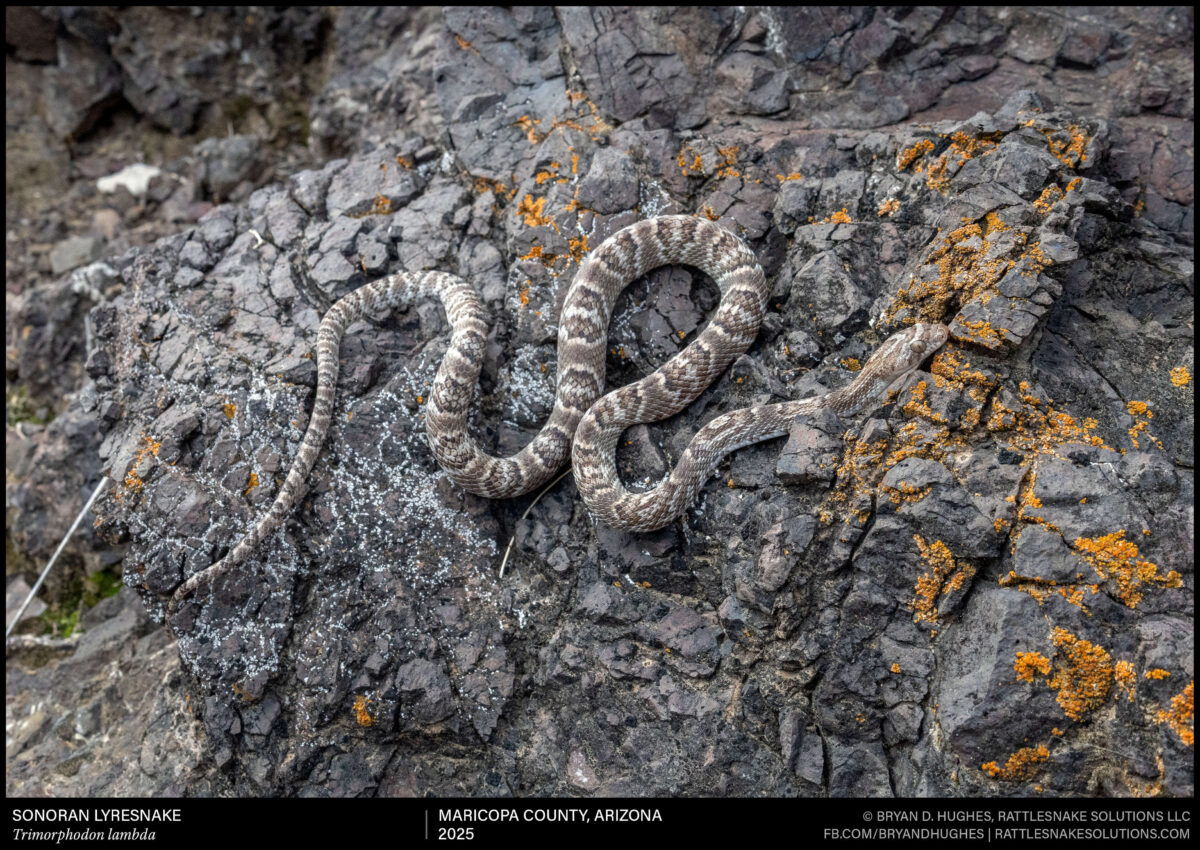
A Sonoran Lyresnake we found late at night as it was leaving a rocky hillside, heading out towards open flat desert.
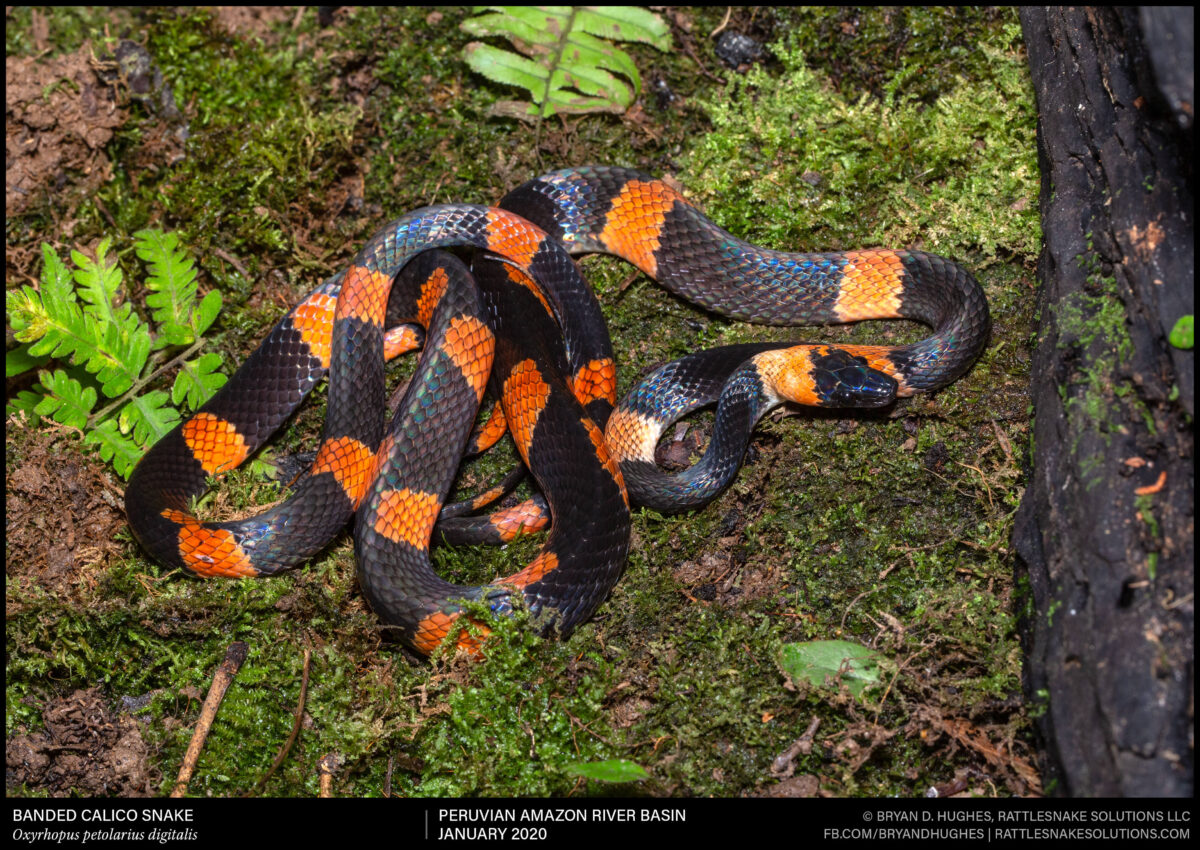
One of the colorful Banded Calico Snakes found near camp in Peru a few years back.
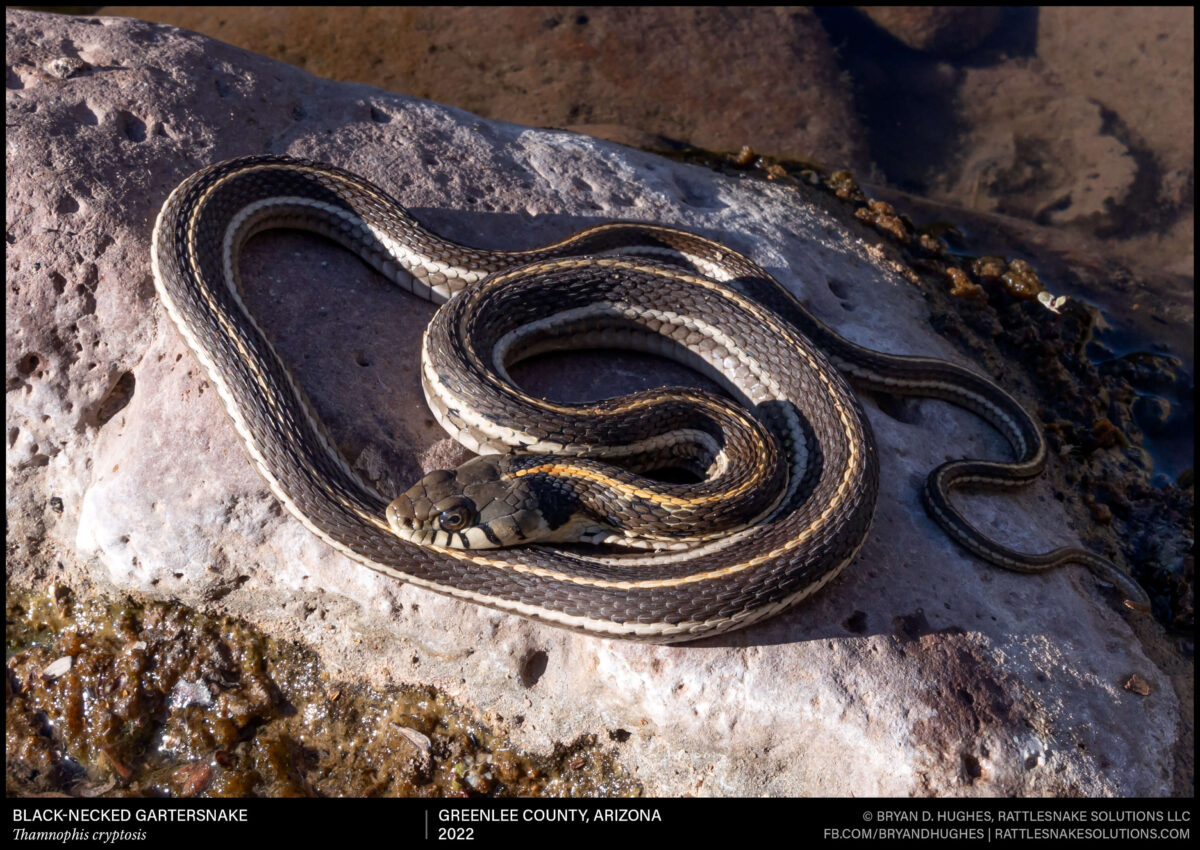
A Black-necked Gartersnake we found while hiking a high-elevation stream in Greenlee County, Arizona. This one had lost its pattern entirely, becoming solid grey animal with stripes and its characteristic black patches behind the head.
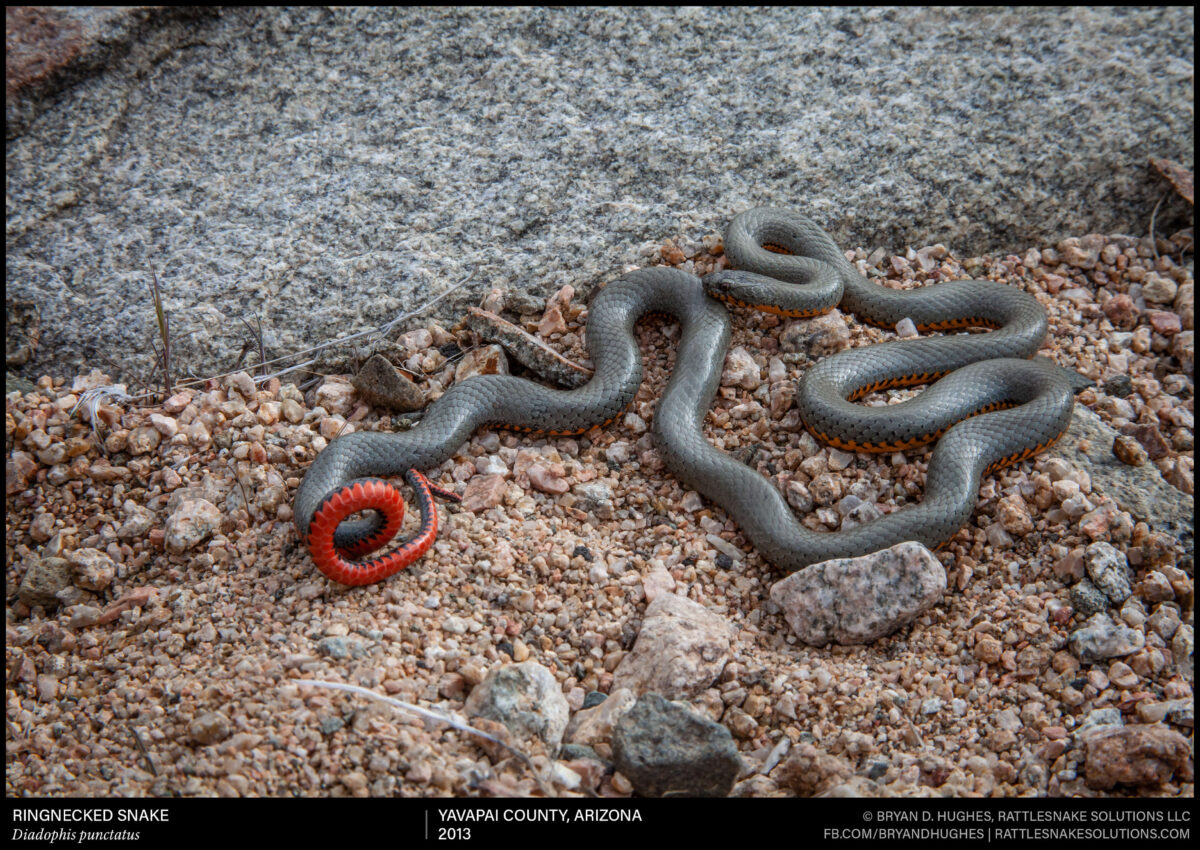
A Regal Ringnecked Snake we found in central Arizona many years ago. These are venomous, but harmless, eating a wide variety of prey from invertebrates to other snakes. The red color under the tail, which is shown here in defensive display, is just a hint at the bright colors that run the length of the belly.