Common Whipsnake, Chironius exoletus. Peru, 2020


Common Whipsnake, Chironius exoletus. Peru, 2020
Spotted Anole, spotted in Peru a couple of years ago. Females of this species (and many Anoles) lay only a single egg at a time, which is helpful if you’re a small lizard.

Oliveira, J. A., & Moraes, L. J. C. L. (2021). Mating behavior of Anolis punctatus in the Brazilian Amazonia. Phyllomedusa: Journal of Herpetology, 20(1), 115–119
An Amazon Tree Boa, spotted by flashlight on a boat in Peru. Unlike most snakes, their eyes shine orange-red in the light, and can be seen even high in trees. Birds and amphibians’ eyes also glow a similar color, though, so there are a lot of false calls of “snake!”.


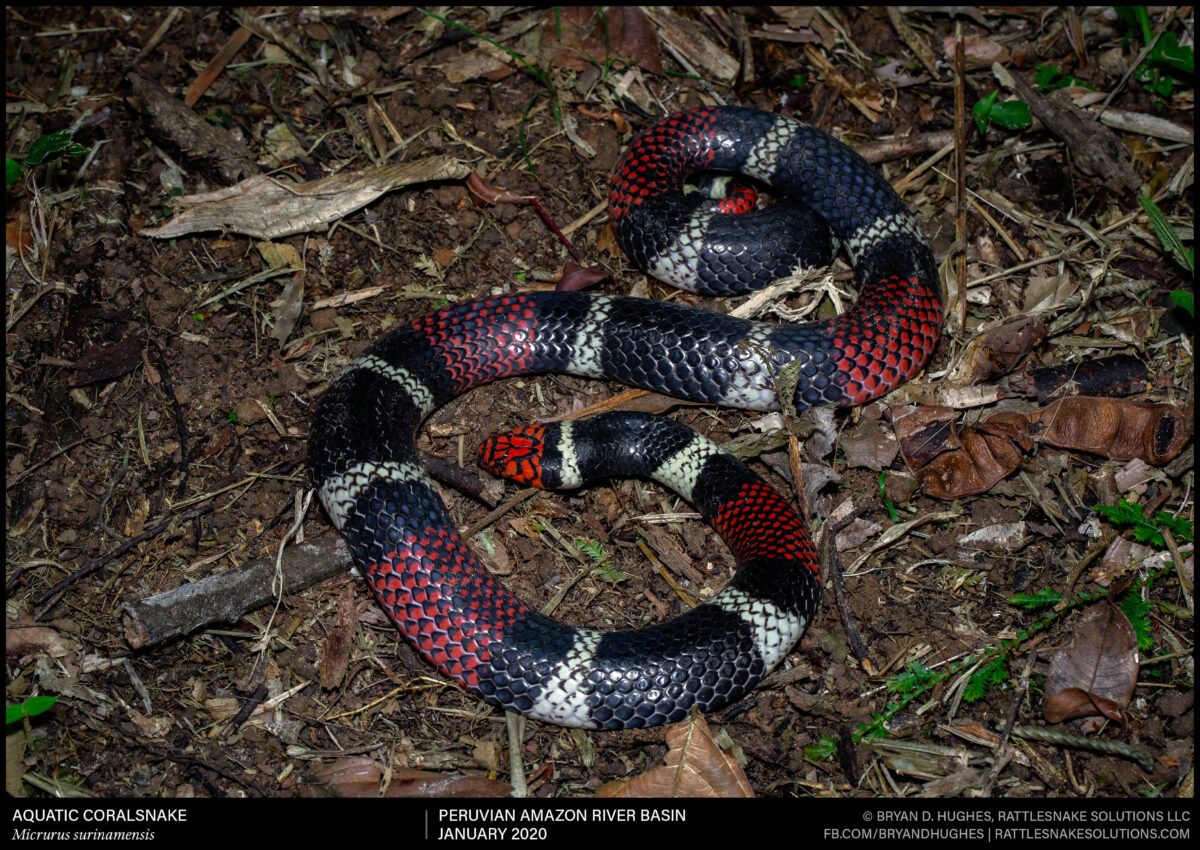
A relatively large Aquatic Coralsnake (Micrurus surinamensis) found near camp in Peru. These snakes are relatively common, found in the swale alongside the river and smaller drainages, where they’re on the hunt for eels and other fish, and the occasional other snake. Compared to other coralsnakes, they are heavy-bodied, with a wide head and short tail.
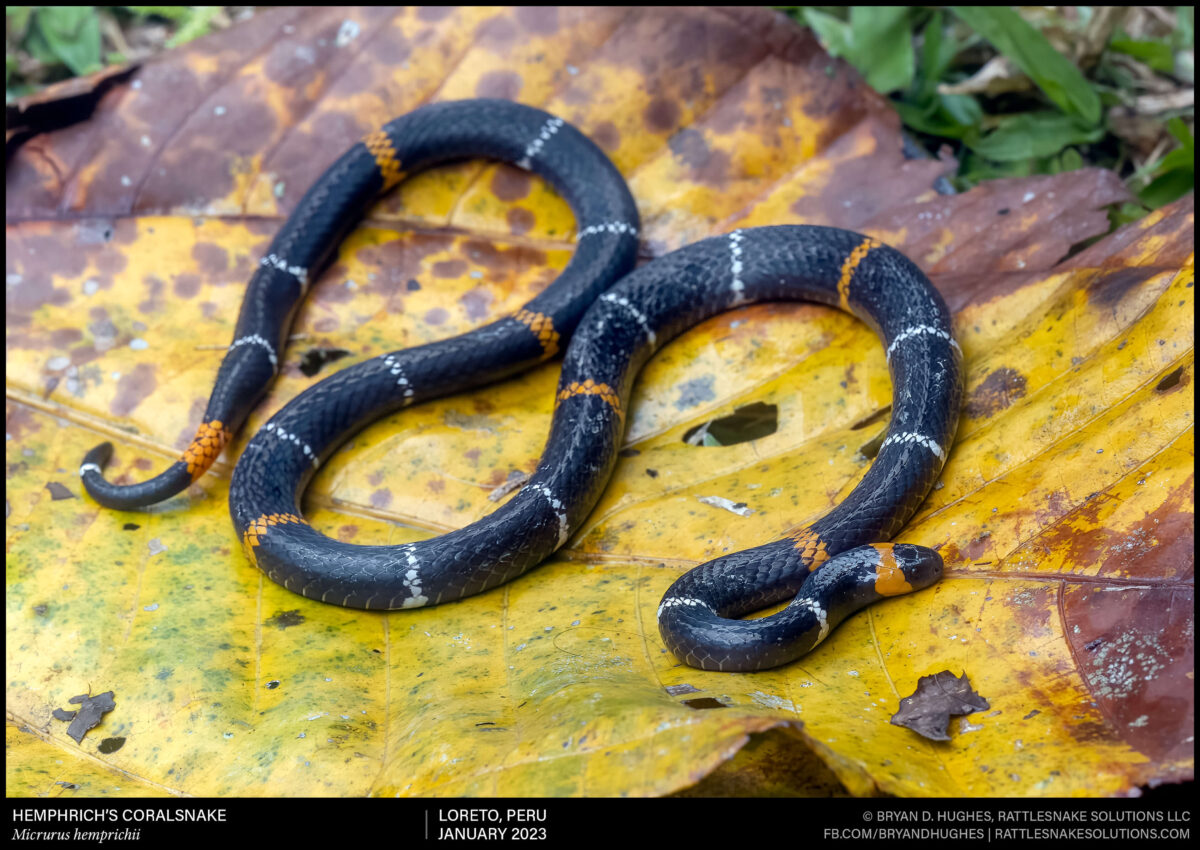
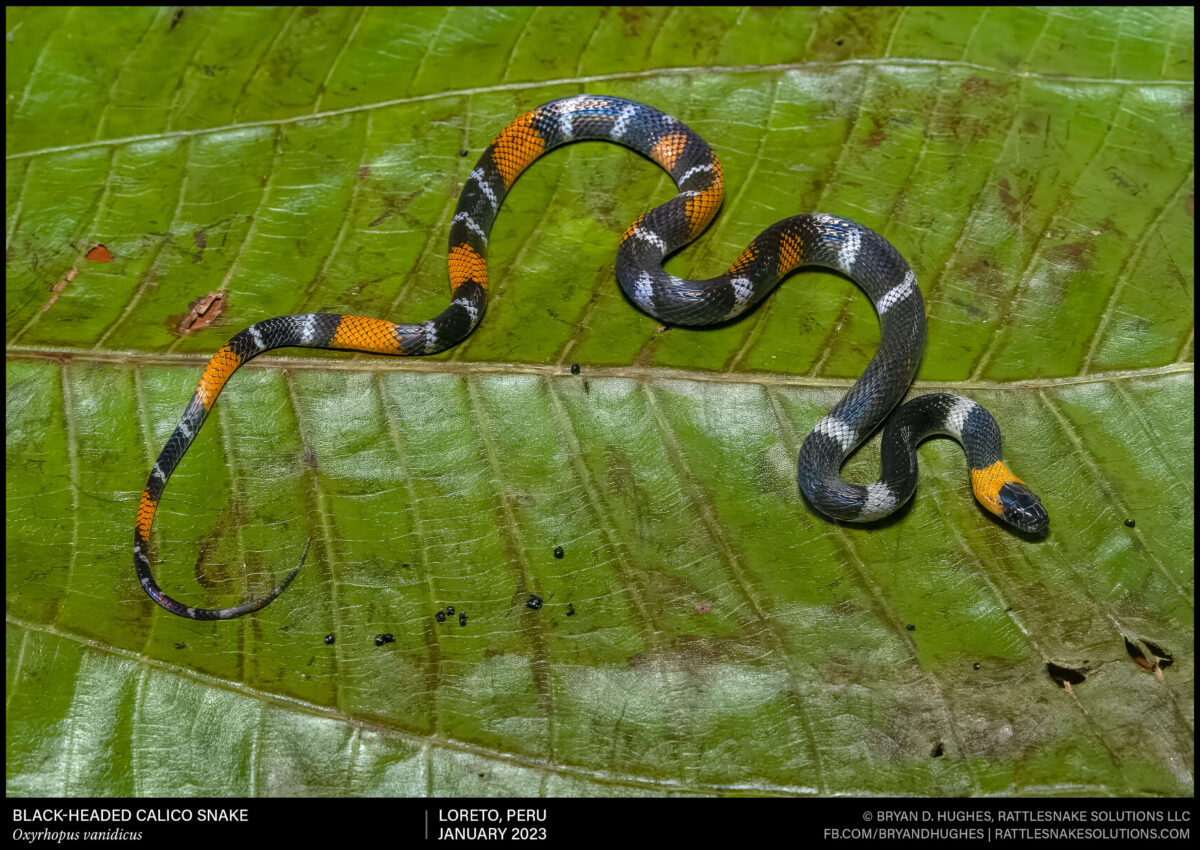
One of the many species of coralsnakes that can be found in the matrix of materials that make up the floor of the Amazon rainforest. This is a Hemprich’s Coralsnake. Also, its mimic, a harmless Black-headed Calico Snake. The body and head shape, as well as details of the pattern, are pretty different in a lot of ways, but it’s more than enough to make you think twice about reaching for one on a late night jungle hike when you see a black and orange flash in the leaves.
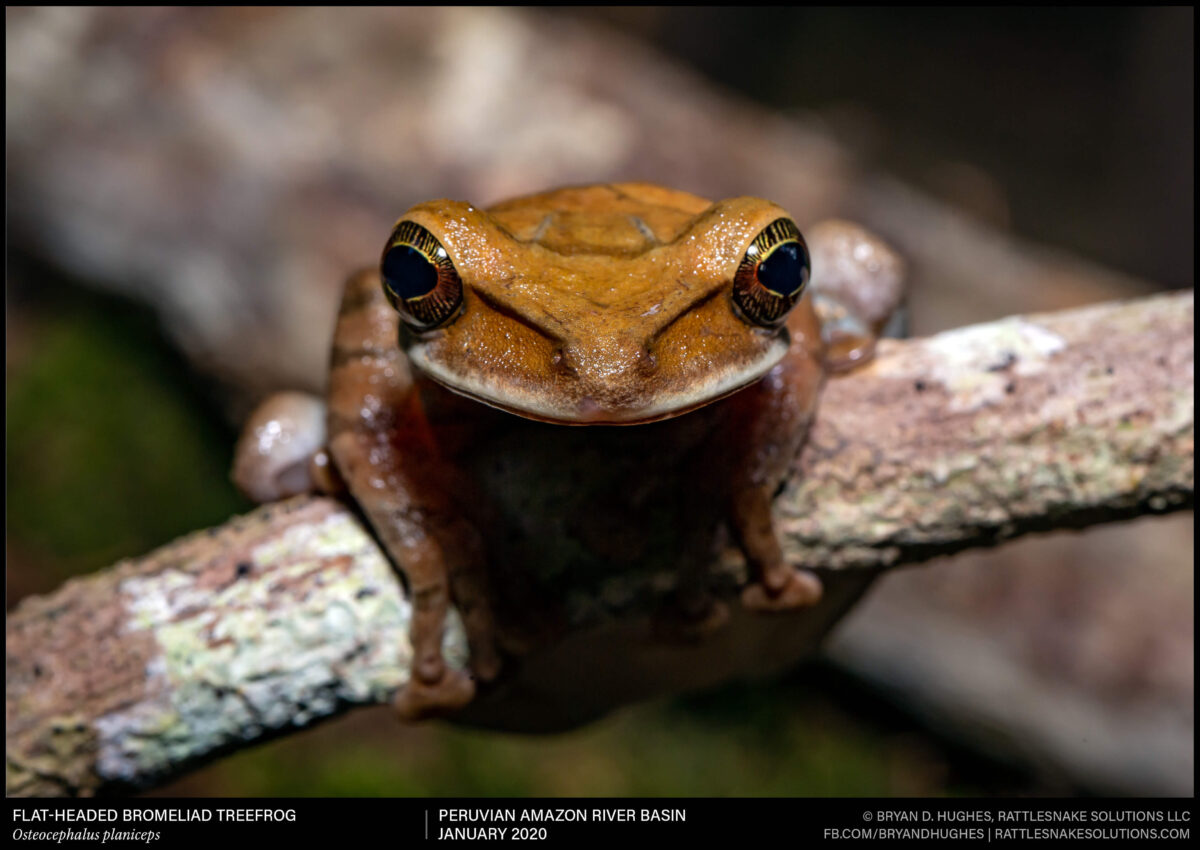
One of the many large treefrogs one can find in the understory of the Peruvian Amazon on a night hike.
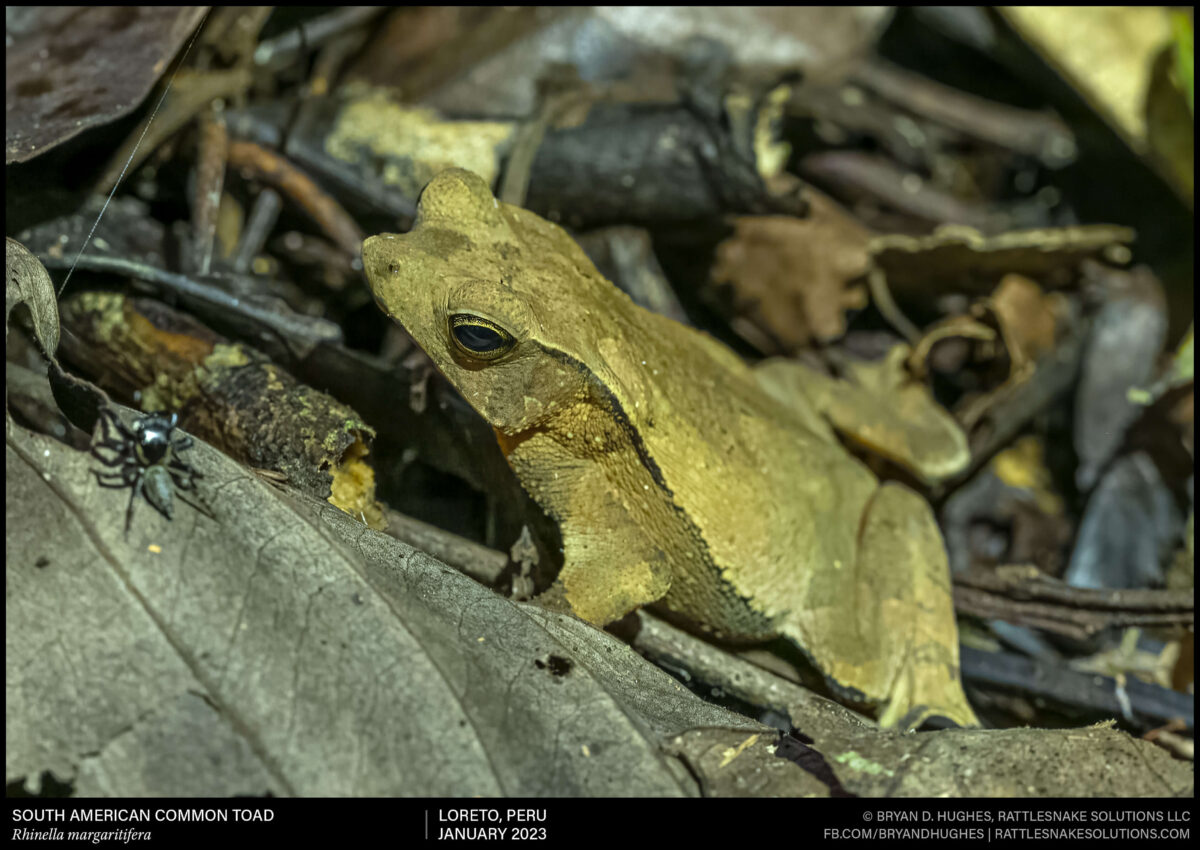
One of many Common South American Toads on the floor of the Amazon rainforest, each one a bit different in color, pattern, and even shape.