One of the large treefrogs that can be found in the eastern Amazon. Its mottled pattern is variable, often forming random blotches and shapes that can resemble land masses on an old map. Loreto, Peru.



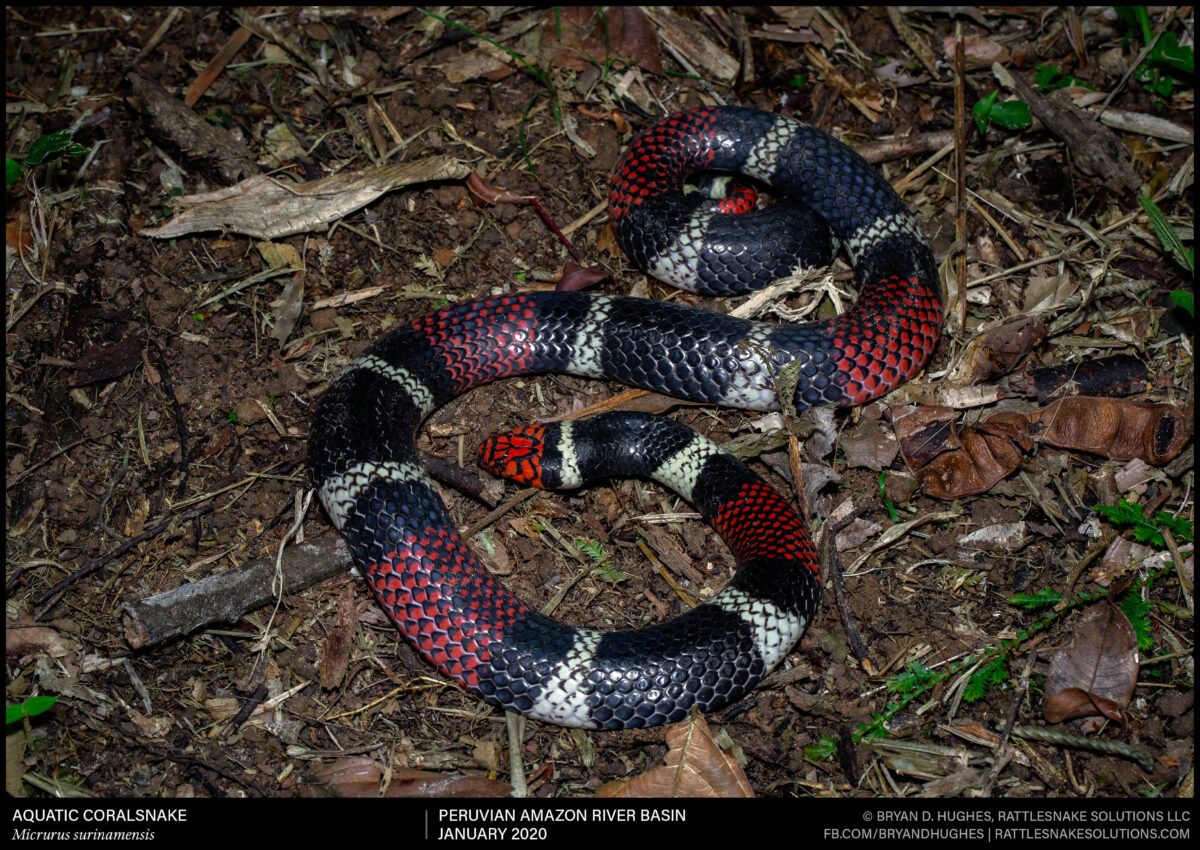
A relatively large Aquatic Coralsnake (Micrurus surinamensis) found near camp in Peru. These snakes are relatively common, found in the swale alongside the river and smaller drainages, where they’re on the hunt for eels and other fish, and the occasional other snake. Compared to other coralsnakes, they are heavy-bodied, with a wide head and short tail.
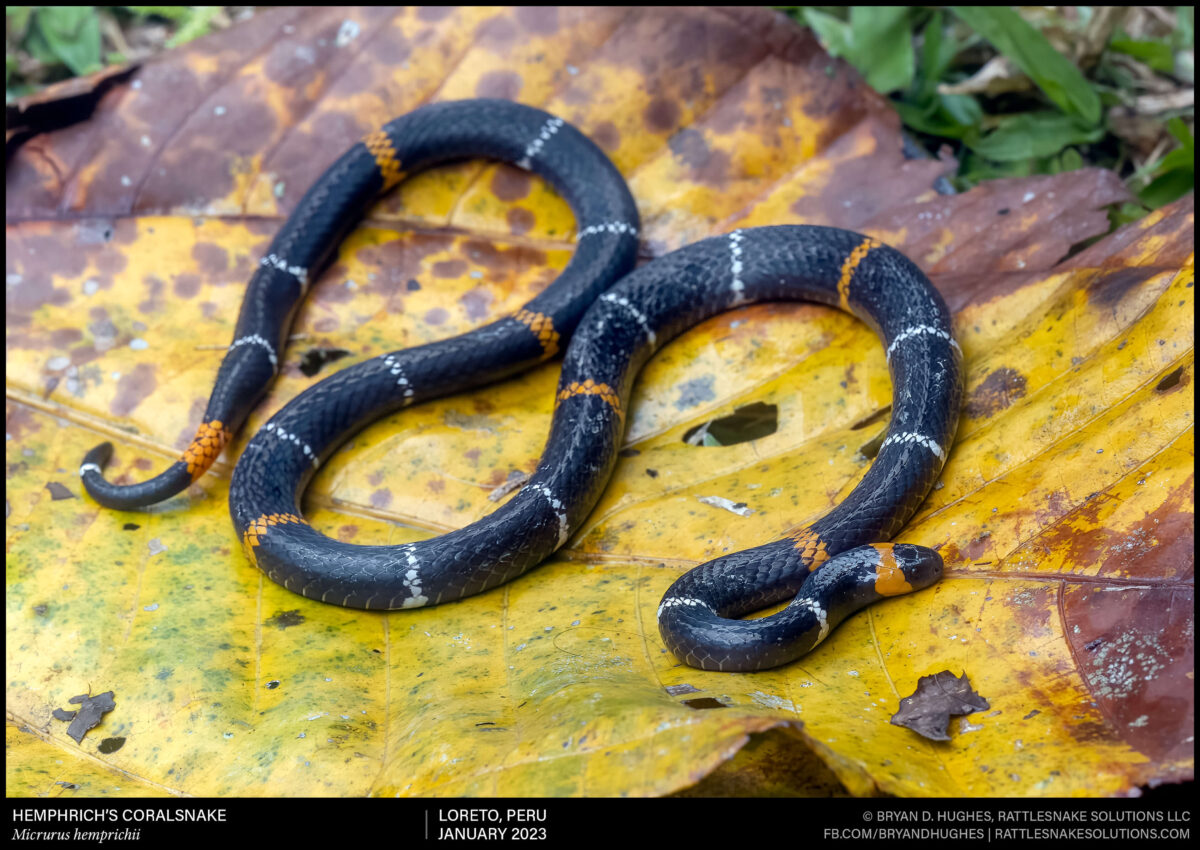
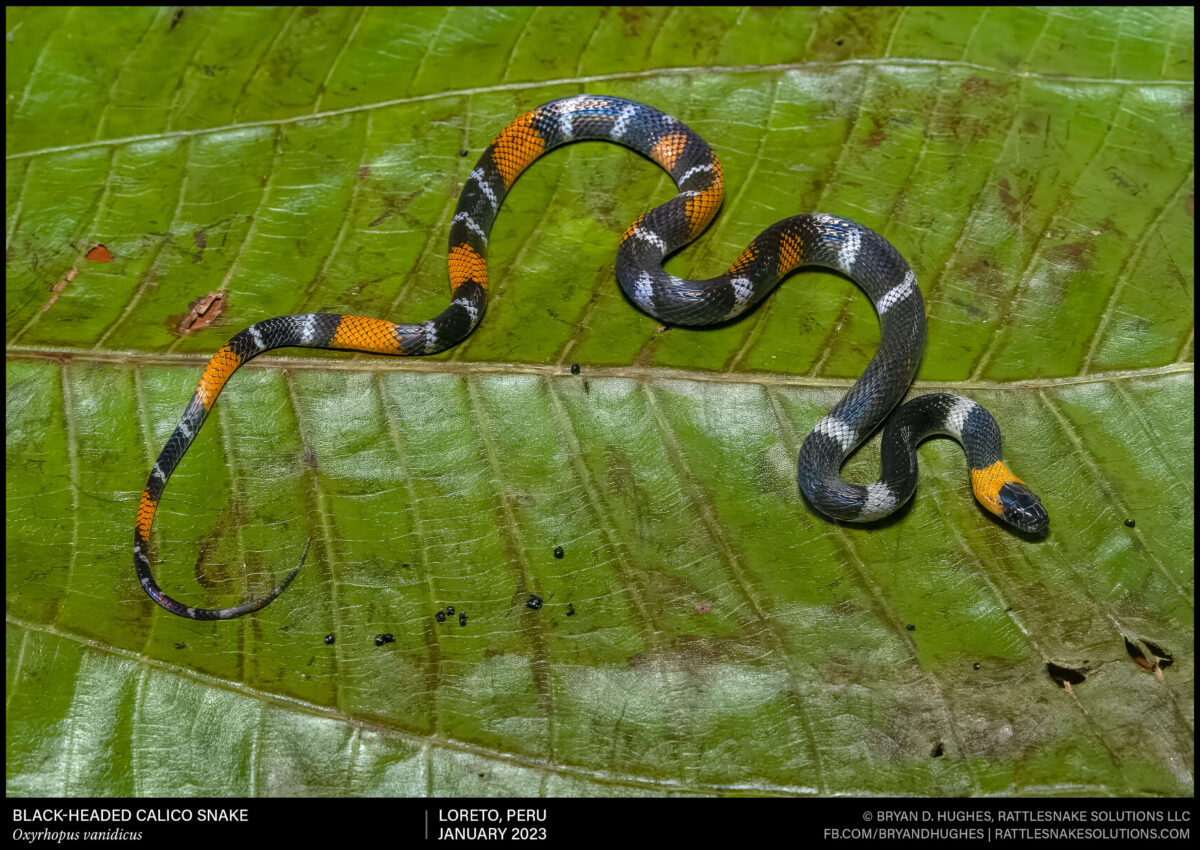
One of the many species of coralsnakes that can be found in the matrix of materials that make up the floor of the Amazon rainforest. This is a Hemprich’s Coralsnake. Also, its mimic, a harmless Black-headed Calico Snake. The body and head shape, as well as details of the pattern, are pretty different in a lot of ways, but it’s more than enough to make you think twice about reaching for one on a late night jungle hike when you see a black and orange flash in the leaves.
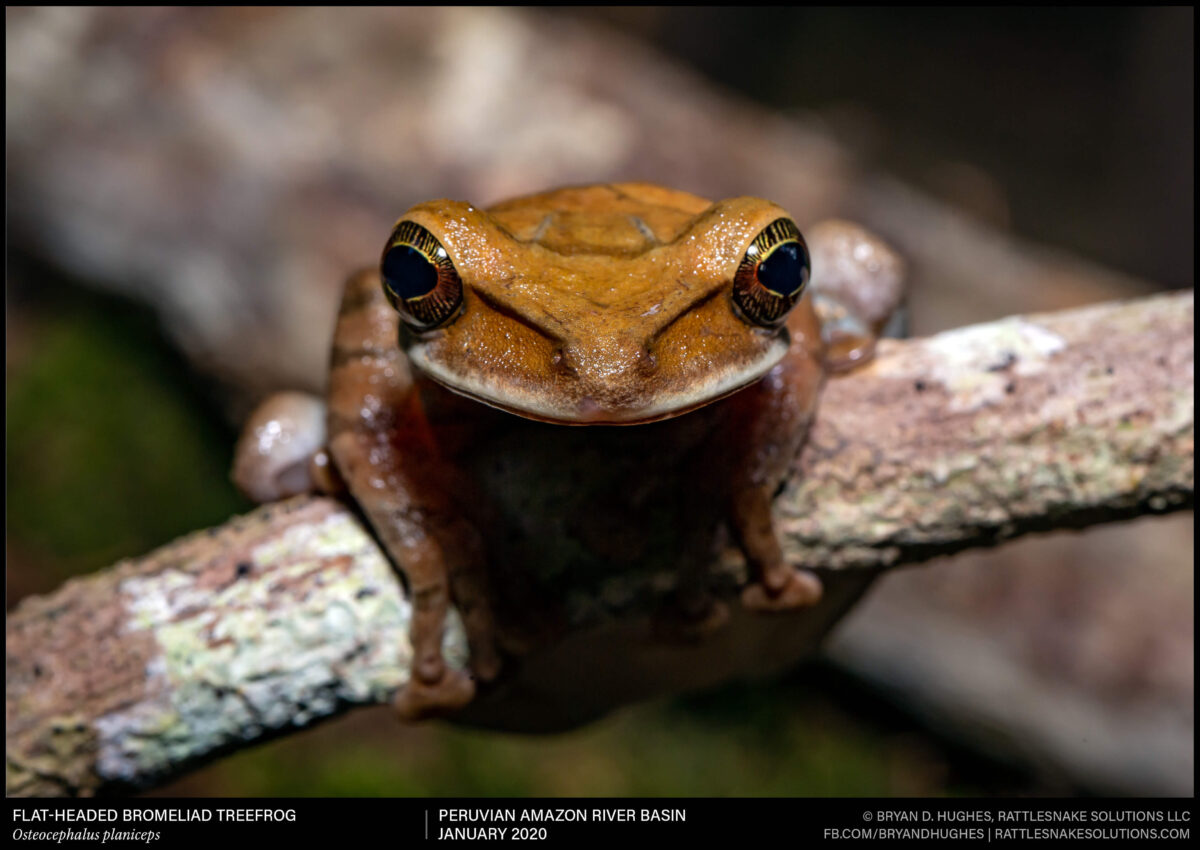
One of the many large treefrogs one can find in the understory of the Peruvian Amazon on a night hike.
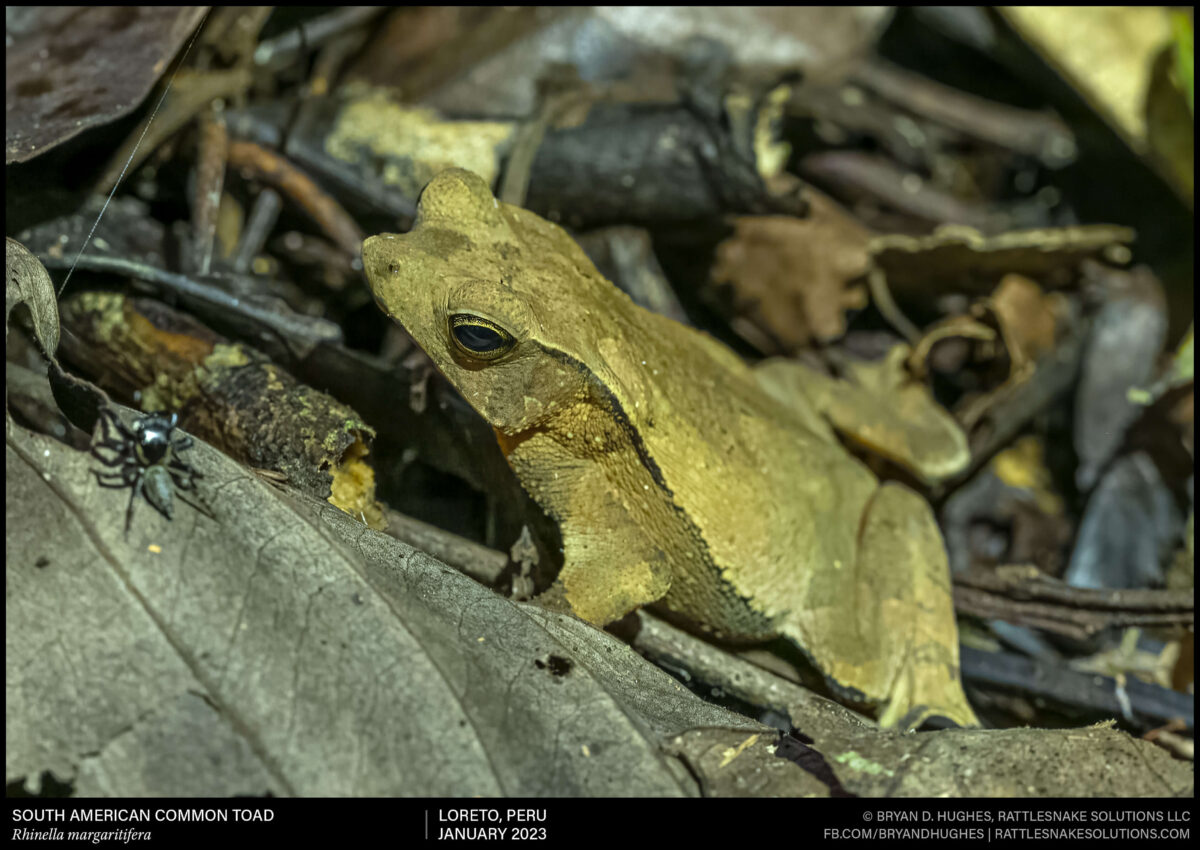
One of many Common South American Toads on the floor of the Amazon rainforest, each one a bit different in color, pattern, and even shape.
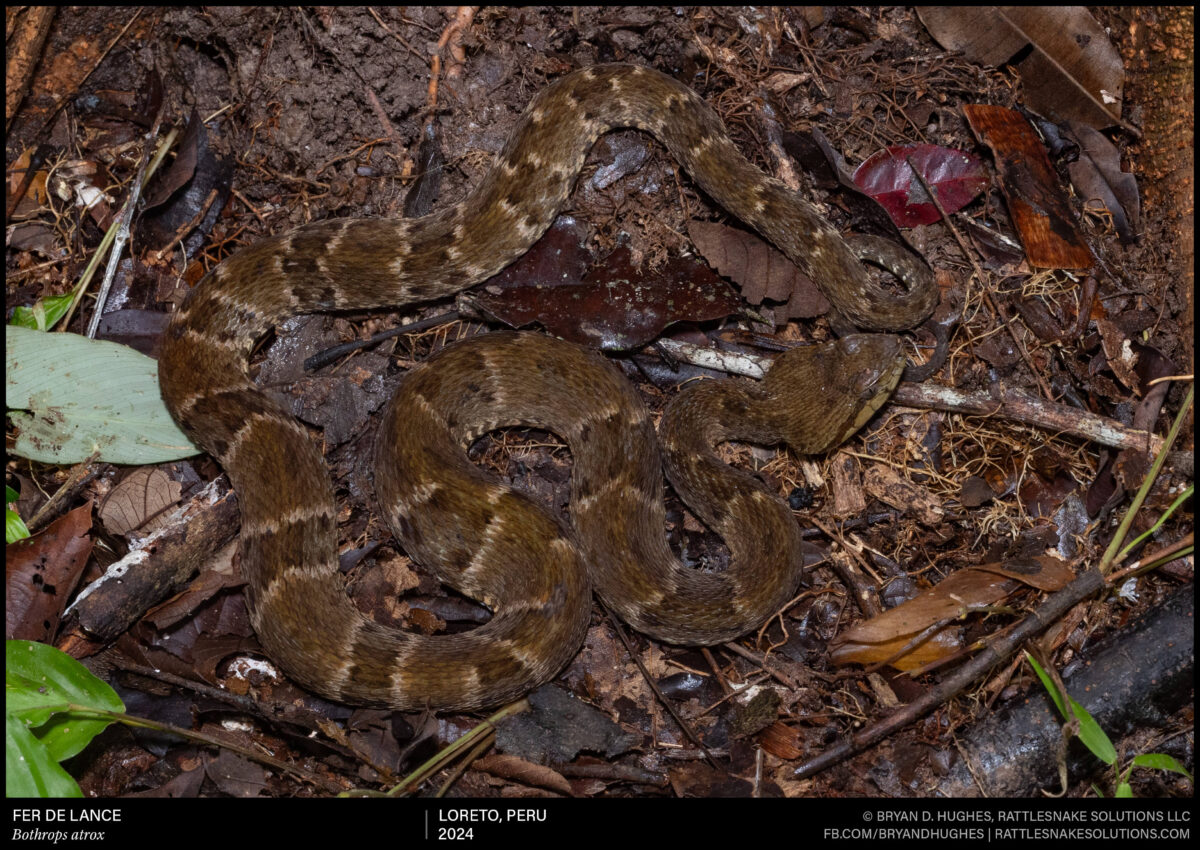
A small Lancehead (Fer De Lance) I came across on a trail as I set off on a long solo hike in the Peruvian Amazon a couple of years ago. These snakes can be anywhere and everywhere, from the ground to trees, and quite easy to miss.
A South American Bushmaster hiding in dense vegetation alongside a trail in Peru several years ago.

A young Fer De Lance in Peru. These snakes can appear anywhere and everywhere, so watching every step and hand fall is a must. I’m always happy to see one though.