A tiny frog from the Amazon, about as big as a thumbnail. It’s a Bassler’s Humming Frog, Chiasmocleis bassleri, found by our group in Loreto, Peru, in January of 2023.
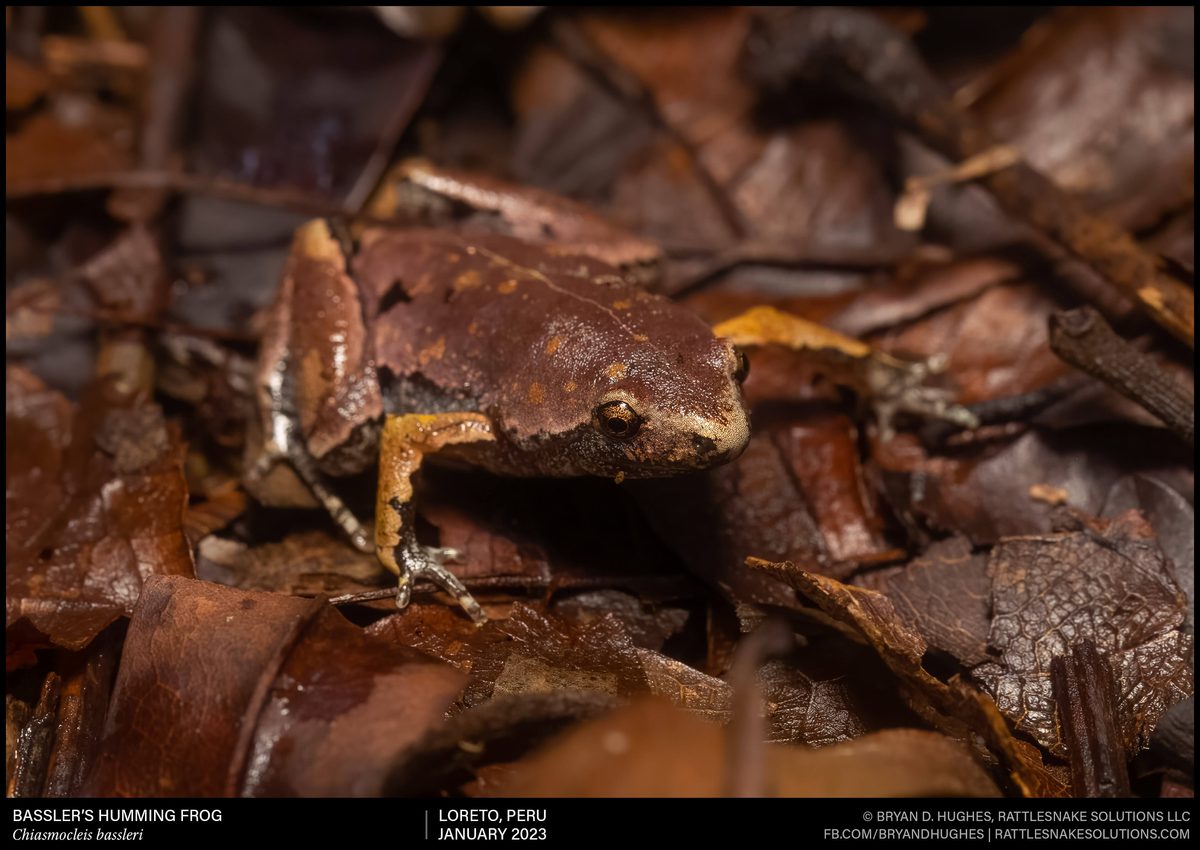

A tiny frog from the Amazon, about as big as a thumbnail. It’s a Bassler’s Humming Frog, Chiasmocleis bassleri, found by our group in Loreto, Peru, in January of 2023.
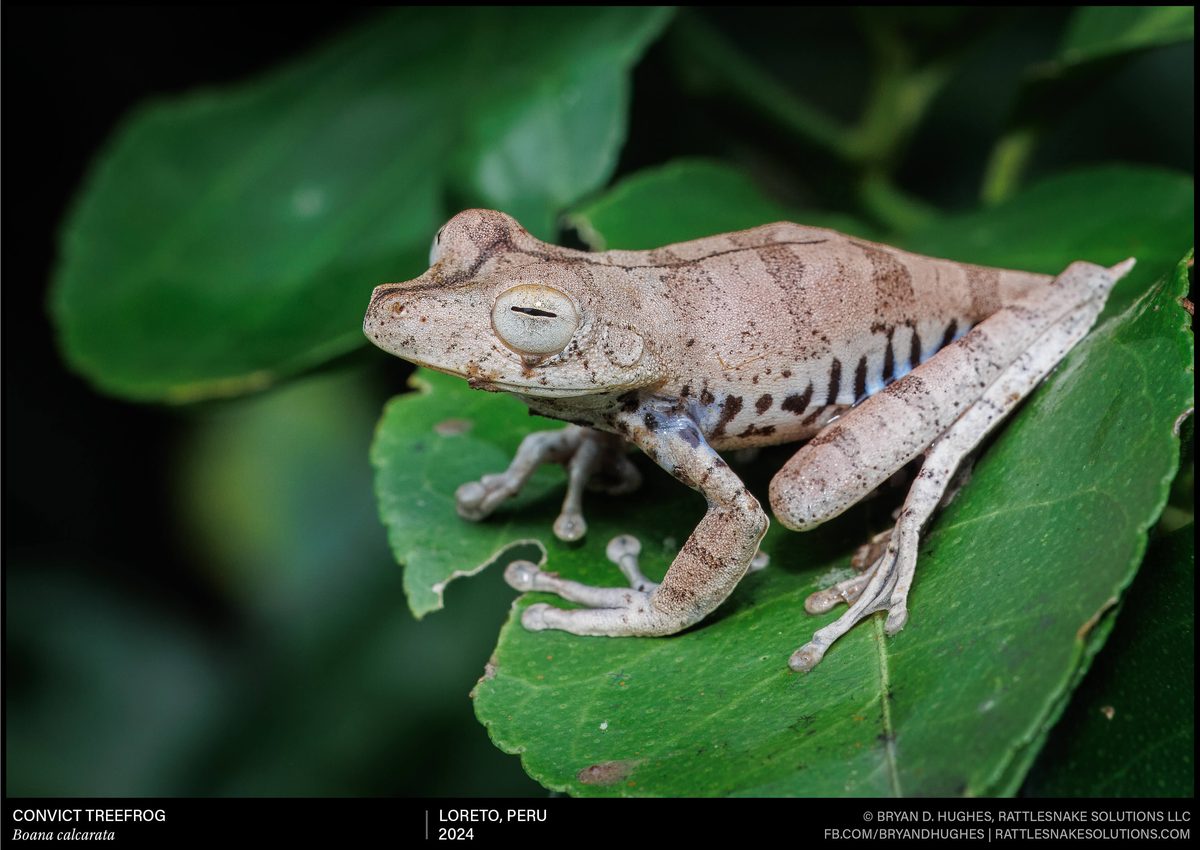
A Convict Treefrog (Boana calcarata) we found in Peru a few years back, near Iquitos. This one is showing the black and white bars on its sides that give it its name.
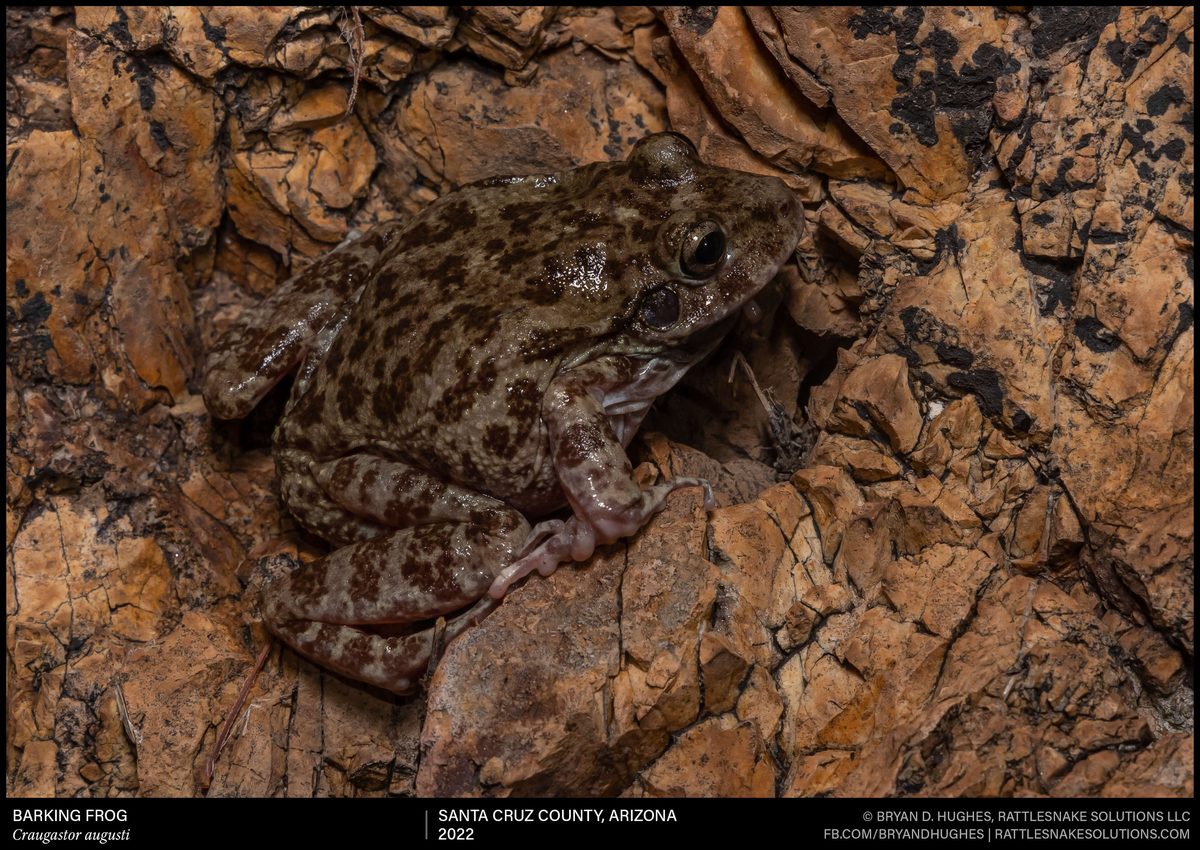
I got a chance to photograph this Barking Frog (Craugastor augusti) on a soaking wet night in the mountains of southeastern Arizona. These relatively large frogs spend nearly their entire lives stuffed into deep fissures and caves on steep, rocky cliffs. On the right nights during the monsoon, they’ll emerge for a short time, where they can be detected on the surface. Their “bark” is more of a loud squawk that can be heard from a great distance and sounds like “wwaalk wwalk”.
You can hear it calling in this video, taken by one of the naturalists who found the frog and allowed me to photograph it: https://www.instagram.com/reels/C1NFOvpRlMB/
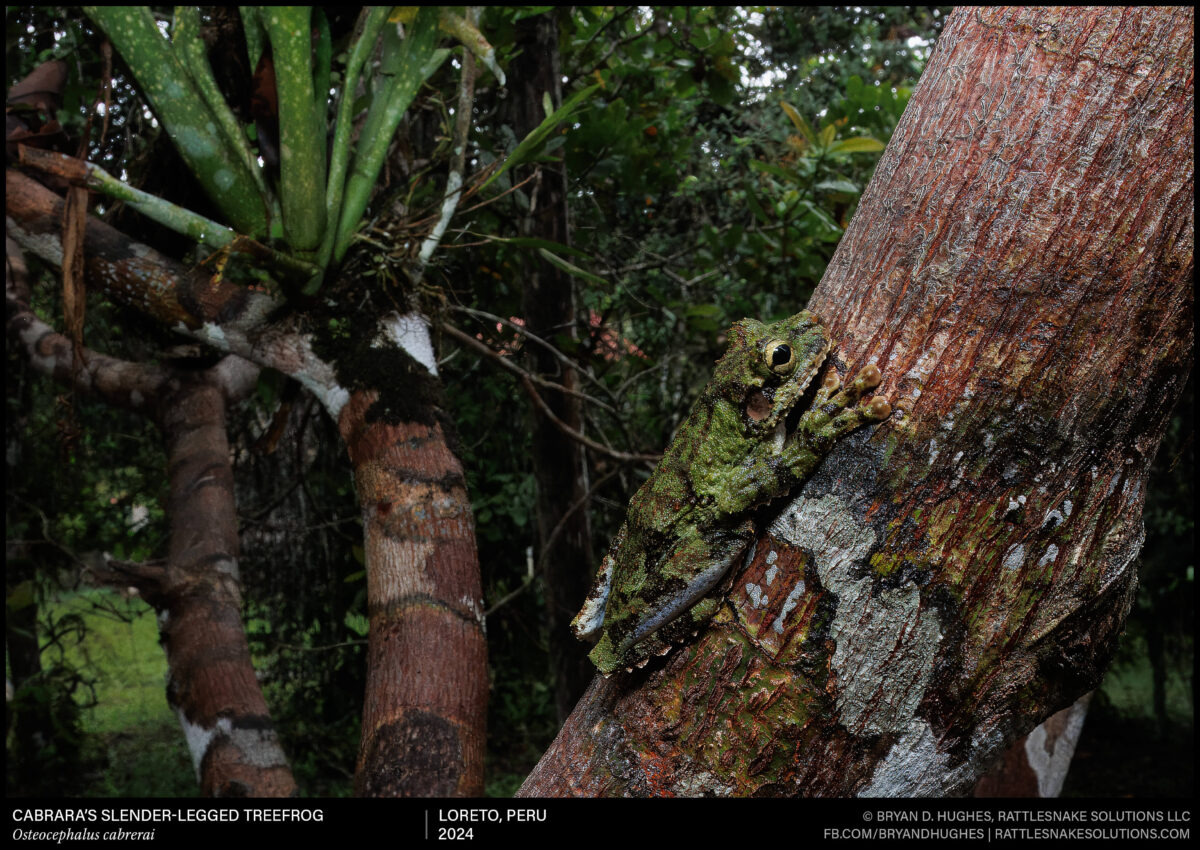
A Cabrara’s Slender-legged Treefrog (Osteocephalu cabrerai) from Peru a couple of years ago. These are large treefrogs that often have these rough areas that can make them about invisible in the chaotic backdrop of the Amazon.
This Red Eyed Treefrog from Guatemala looks a bit different than those I’ve seen in Costa Rica and Mexico.
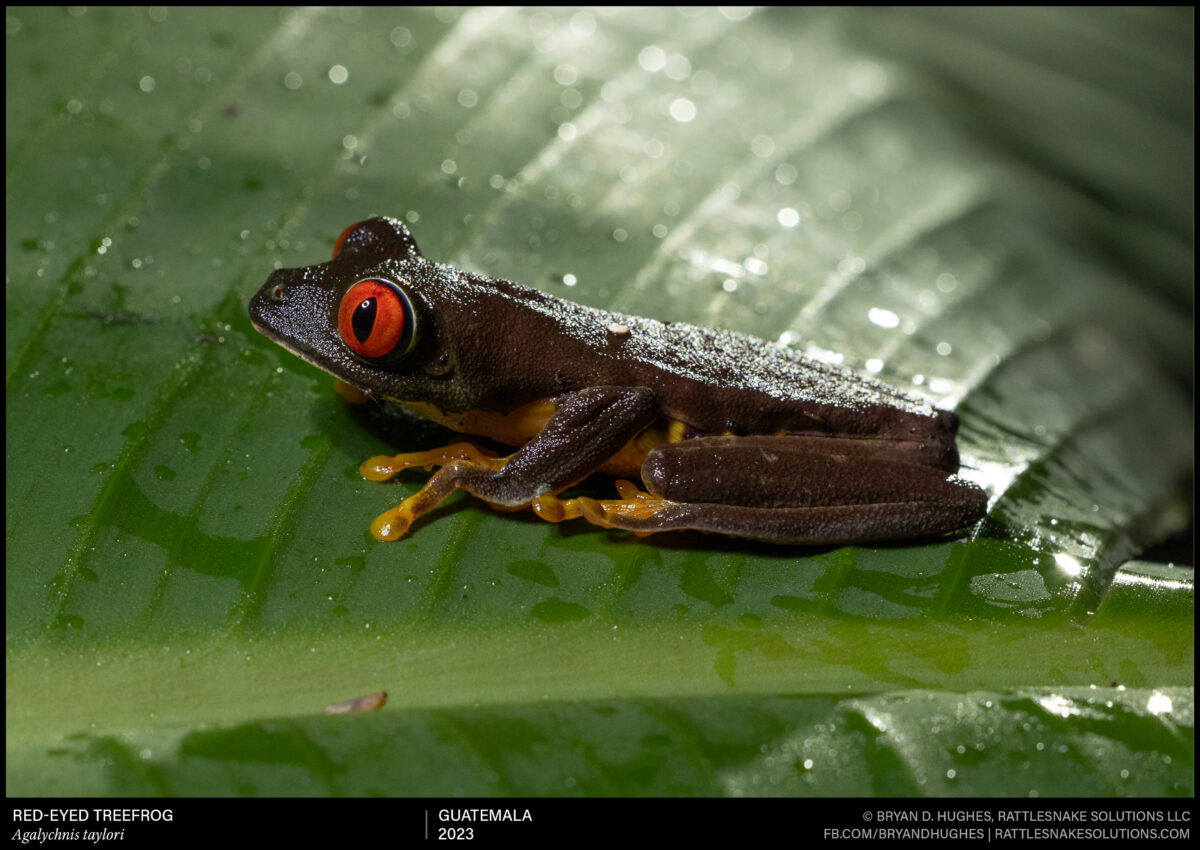
Ok, weirdo.
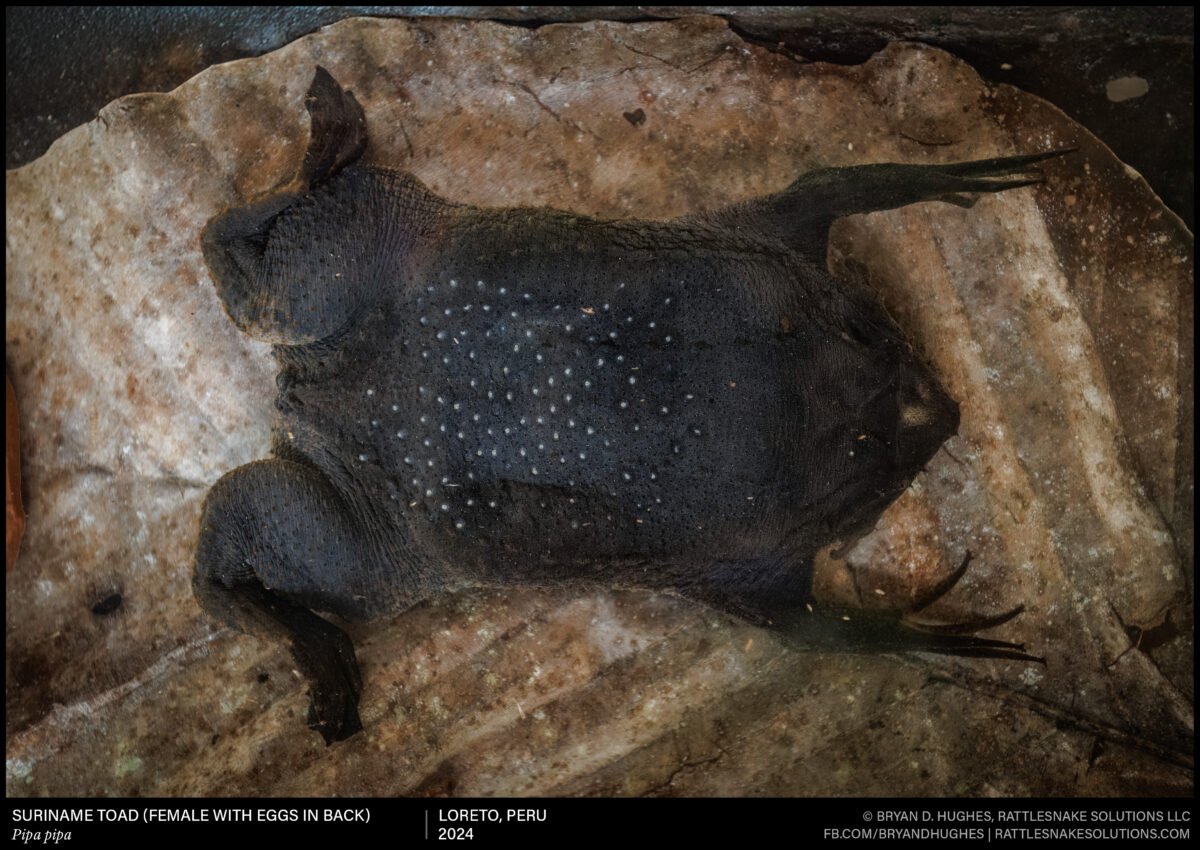
This is a Pipa pipa (Surinam Toad) I photographed in Peru a couple of weeks ago – there were a lot of them! They’re entirely aquatic, and have a crazy reproductive process. After mating and eggs are ready, the male squishes them into swollen tissue on the back of the female (those white dots in their little back sacks. The eggs sink into the skin, and ride around with her for a few months. When they are ready to hatch, full little frogs (not tadpoles) emerge right from their mother’s back. What is more interesting to me is that at some point in the eggs-n-back part, the embryos are surrounded by highly vascular tissue, suggesting that nutrients and oxygen are transferred from the mother.
Greven, H., & Richter, S. (2009). Morphology of skin incubation in Pipa carvalhoi (Anura: Pipidae). Journal of Morphology, 270(11), 1311–1319. https://doi.org/10.1002/jmor.10749
Amazon Harlequin Toad (Atelopus spumarius) from Peru a couple of years ago.

One of the many forms of the Rhinella margaritifera complex sharing a spot above ground with a cluster of tiger beetles. Life on the ground in the Amazon can be a dangerous place, so it’s not uncommon to find animals spending time on leaves. In this case, the toad may be both trying to stay safe, or being that danger to the beetles.
I’ve seen tiger beetles cluster like this on leaves, which looks quite a bit from above like the typical holes in large leaves like this chewed by other insects. If it weren’t for the toad, I’d have passed by without a second glance.

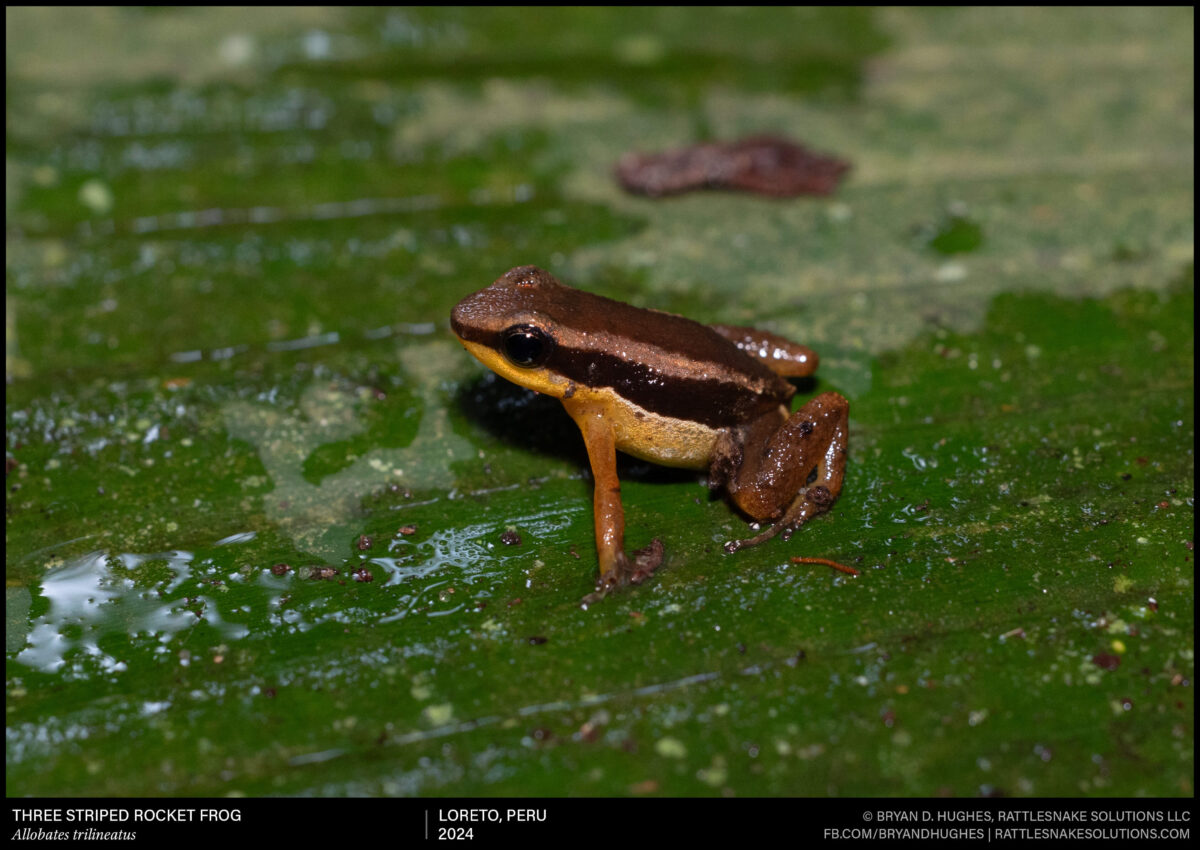
These three-striped rocket Frogs are small ground-living animals that are relatively common near streams, wandering through the rainforest floor. They can quickly disappear into leaf litter when spotted. We saw this one in Peru a couple of years ago.